Artwork
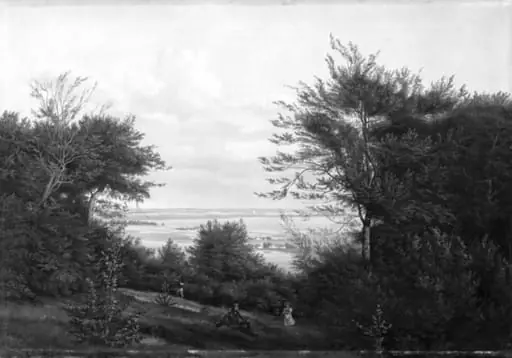
Udsigt over Skanderborg fra Edelsborgmark
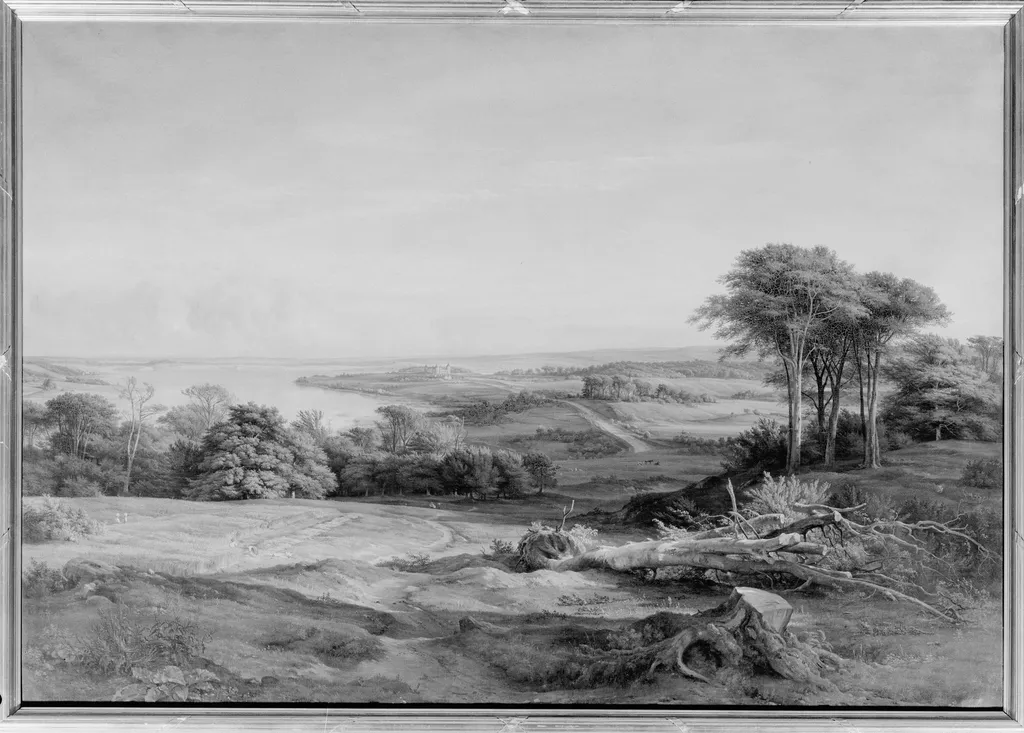
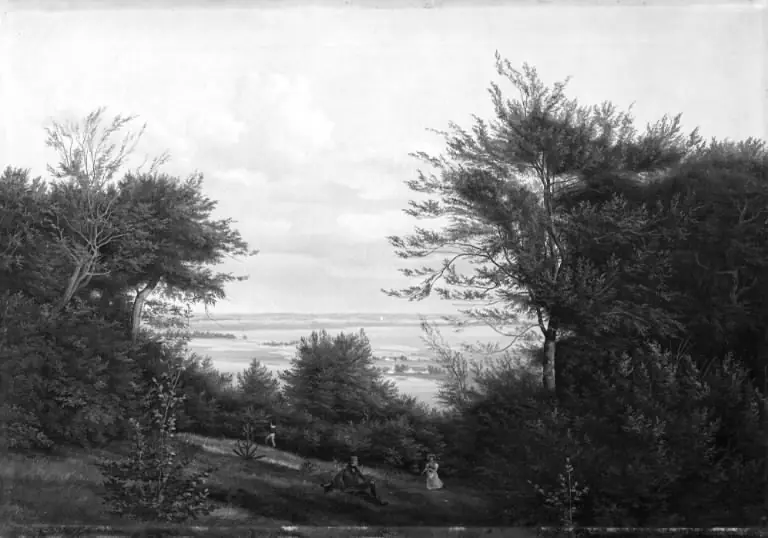
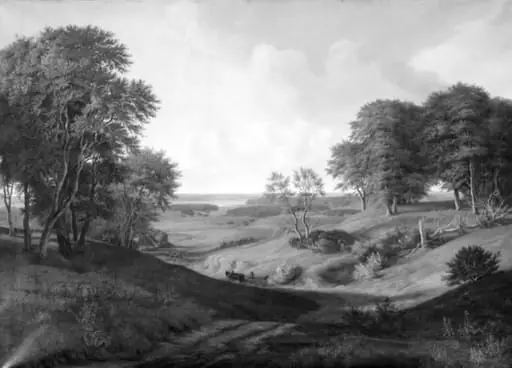
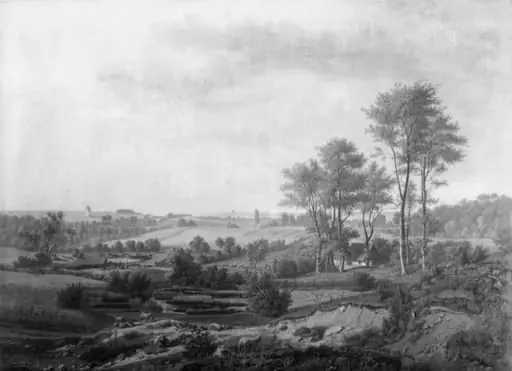
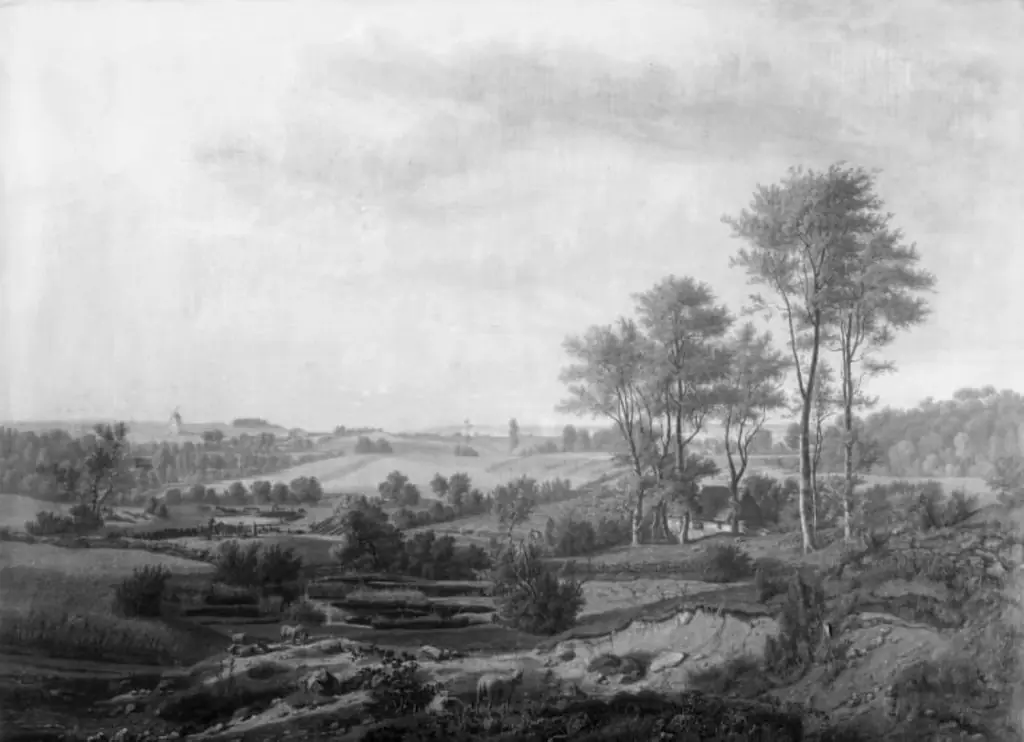
Udsigt over Skanderborg fra Edelsborgmark is a photography by the Romanticist artist Unknown. It dates from 1842 and is held in the collection of the Statens Museum for Kunst. Created in 1842, this landscape depicts a tranquil view of Skanderborg as seen from Edelsborgmark.
About this work
Overview
Created in 1842, this landscape depicts a tranquil view of Skanderborg as seen from Edelsborgmark. Rendered in a quiet, observational style, the image captures the rural Danish countryside with subtle attention to atmospheric conditions. It is part of the collection at the Museum of Ethnography, where it serves as a record of regional topography and 19th-century visual culture.
Subject & Meaning
The composition avoids drama, instead evoking stillness and contemplation, aligning with Romantic ideals that found emotional depth in quiet natural forms.
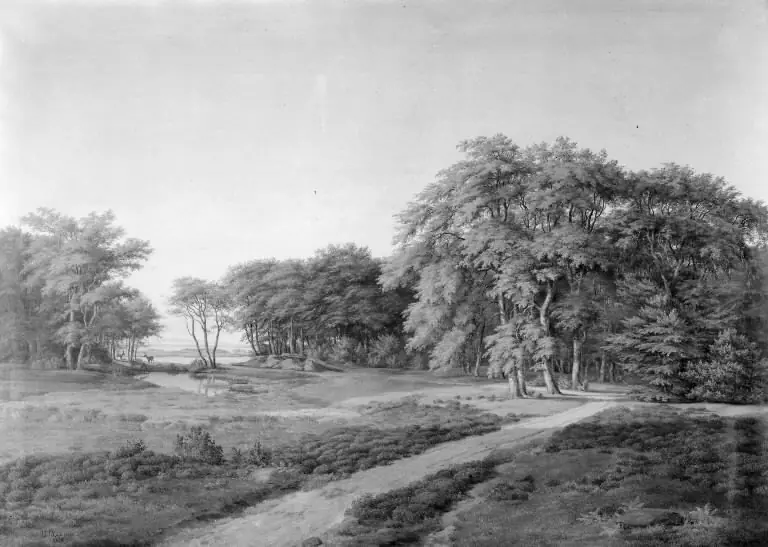
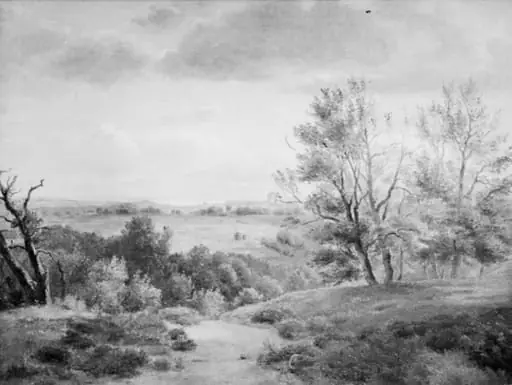
The scene presents a serene, unpopulated stretch of land, with a winding river threading through open fields and scattered trees. Fallen logs and soft foliage suggest seasonal transition, while distant buildings hint at human presence without intrusion. The composition avoids drama, instead evoking stillness and contemplation, aligning with Romantic ideals that found emotional depth in quiet natural forms.
Technique & Style
The artist employs delicate tonal gradations to model the landscape, using soft brushwork and muted hues to suggest haze and distance. Light filters diffusely across the terrain, casting gentle shadows that enhance the sense of depth without sharp contrast. The lack of defined outlines and the blurred horizon reinforce a mood of quiet reverie, typical of landscape painting influenced by Romantic sensibilities.
History & Provenance
The work was produced in 1842 and entered the Museum of Ethnography’s holdings shortly thereafter. Its preservation there reflects early institutional interest in documenting regional environments as cultural artifacts. While the artist’s full identity remains unverified in public records, the piece is consistently attributed to a Danish painter active in the mid-19th century.
Context
In the 1840s, Danish artists increasingly turned to local landscapes as subjects worthy of serious study, moving away from grand historical or mythological themes. This work fits within a broader national trend of observing nature with scientific precision and emotional restraint, influenced by both German Romanticism and emerging Danish nationalism in the arts.
Legacy
Though not widely exhibited, the painting contributes to an understudied body of Danish landscape work from the early Romantic period. It offers insight into how rural environments were visually recorded before industrialization transformed them. Its quiet aesthetic continues to inform contemporary understandings of Denmark’s artistic engagement with its natural heritage.
Artist & collection

 Domestic Scene
 Giacomo and Cardinal Marco, investing Andrea, Abbot of San Zeno, with his Benefice
 The Nymph of Fontainebleau
 Portrait of a Woman
 Madonna and Child with Saints in the Enclosed Garden
 Venus and Minerva
 Family Group of Four on Sofa
 Wall painting from Room H of the Villa of P. Fannius Synistor at Boscoreale