Artwork
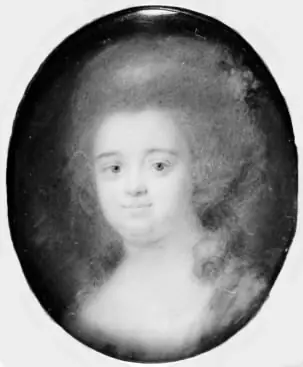
Portræt af Kammerherreinde Johanne de Svanenskjold f. Neergaard
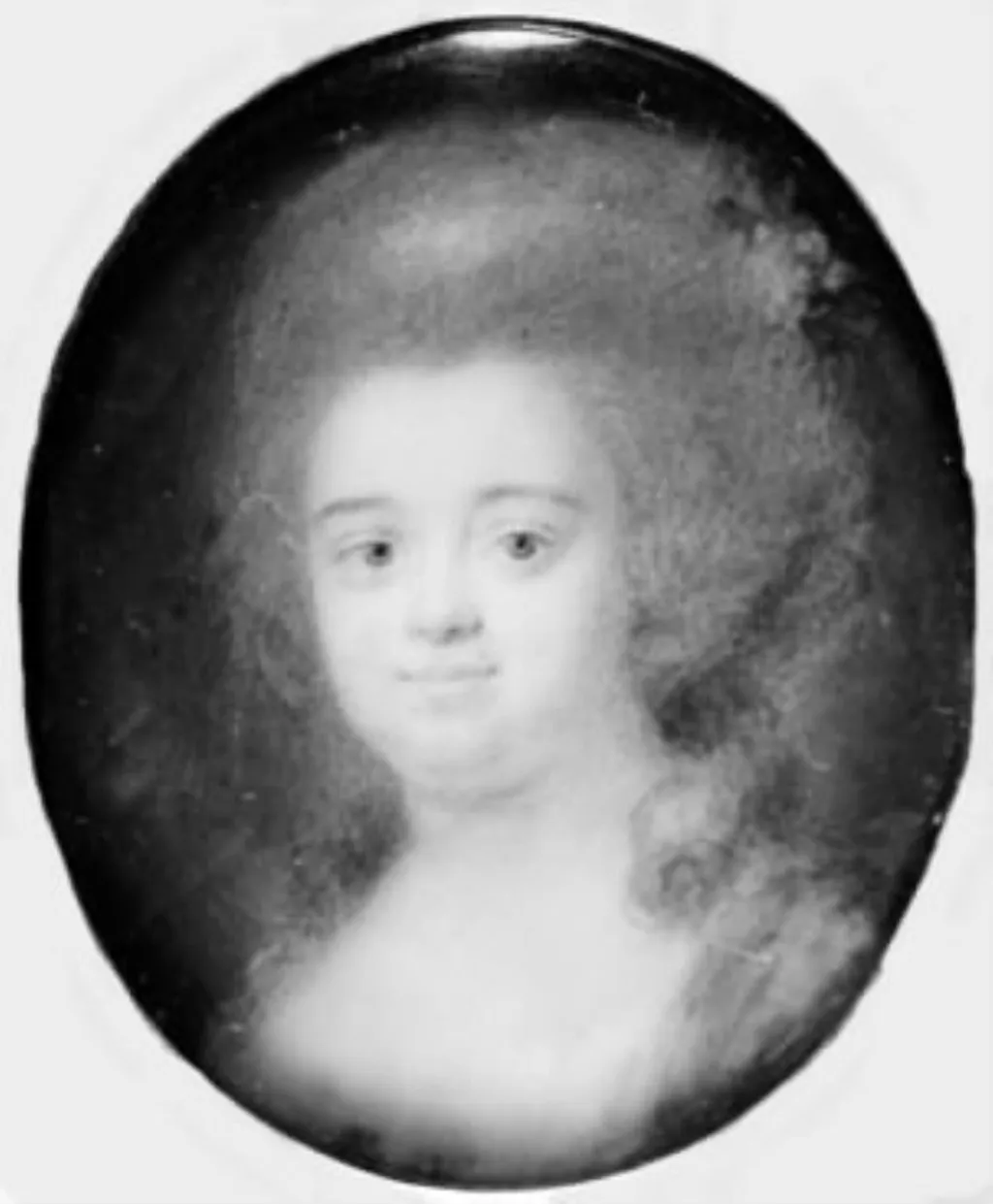
Portræt af Kammerherreinde Johanne de Svanenskjold f. Neergaard is a photography by Unknown. It dates from 1850 and is held in the collection of the Statens Museum for Kunst. A black-and-white photographic portrait from around 1850 depicts Johanne de Svanenskjold f.
About this work
Overview
The image is circular in format, typical of early photographic portraiture, and preserved in the Museum of Ethnography.
A black-and-white photographic portrait from around 1850 depicts Johanne de Svanenskjold f. Neergaard, wife of a Danish court official. The image is circular in format, typical of early photographic portraiture, and preserved in the Museum of Ethnography. Its modest scale and soft tonal range reflect the technical limitations and aesthetic preferences of mid-19th-century photography, distinguishing it from painted likenesses of the era.
Subject & Meaning
Johanne de Svanenskjold f. Neergaard is portrayed with restrained dignity, her hair tightly gathered and her high-collared dress suggesting formality and social standing. The absence of adornment or symbolic props emphasizes personal presence over status display. The image functions as a private keepsake, capturing a moment of quiet composure rather than public performance, consistent with domestic portraiture of the period.
Technique & Style
Rendered in a circular format using early photographic processes, the image relies on natural light to model the sitter’s features. Soft shadows trace the contours of her neck and jaw, creating subtle depth without dramatic contrast. Surface imperfections—fading and smudging—result from aging emulsion and handling, offering physical evidence of the photograph’s passage through time and use.
History & Provenance
The portrait entered the collection of the Museum of Ethnography in the late 19th or early 20th century, likely as part of a broader effort to document Danish social life through personal artifacts. Its origin as a family photograph suggests it was acquired not for its artistic merit but as a cultural record of middle- to upper-class domestic identity in mid-Victorian Denmark.
Context
In the 1850s, photography was transitioning from novelty to common practice among the educated classes. Circular portraits, often housed in cases or frames, mirrored the conventions of miniature painting but offered greater accessibility. This image reflects a shift toward intimate, individual representation, replacing the grandeur of oil portraiture with the immediacy of the daguerreotype and calotype processes.
Legacy
Though unsigned and unattributed to a known photographer, the portrait endures as a quiet testament to early photographic culture in Denmark. Its preservation in an ethnographic museum underscores its value as a social document rather than an artistic object. It invites reflection on how personal identity was constructed and preserved in the age of mechanical reproduction.
Artist & collection

 Domestic Scene
 Giacomo and Cardinal Marco, investing Andrea, Abbot of San Zeno, with his Benefice
 The Nymph of Fontainebleau
 Portrait of a Woman
 Madonna and Child with Saints in the Enclosed Garden
 Venus and Minerva
 Family Group of Four on Sofa
 Wall painting from Room H of the Villa of P. Fannius Synistor at Boscoreale
 Portrait of a Woman
 Hannah Mahady
 Portrait of a Woman
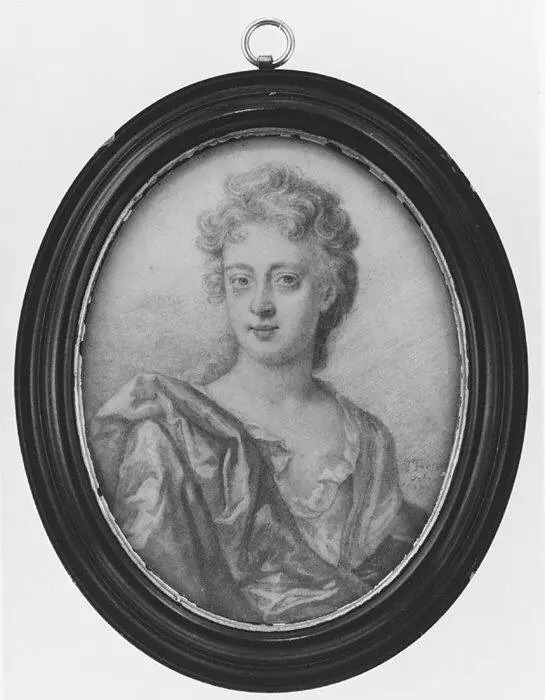 Portrait of a Woman
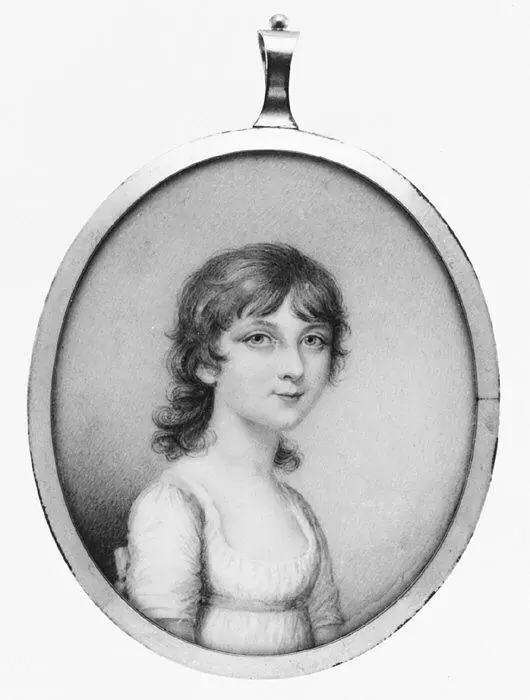 Portrait of a Girl
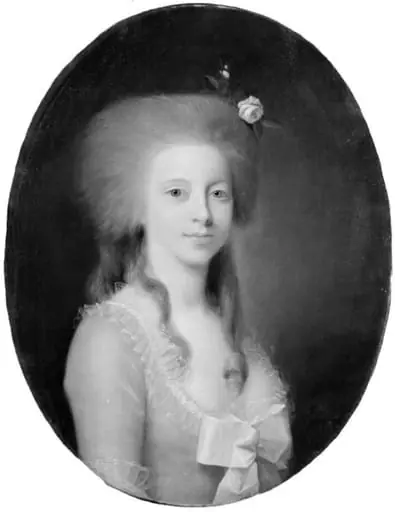 Grevinde Margarethe Moltke, f. Løvenskiold
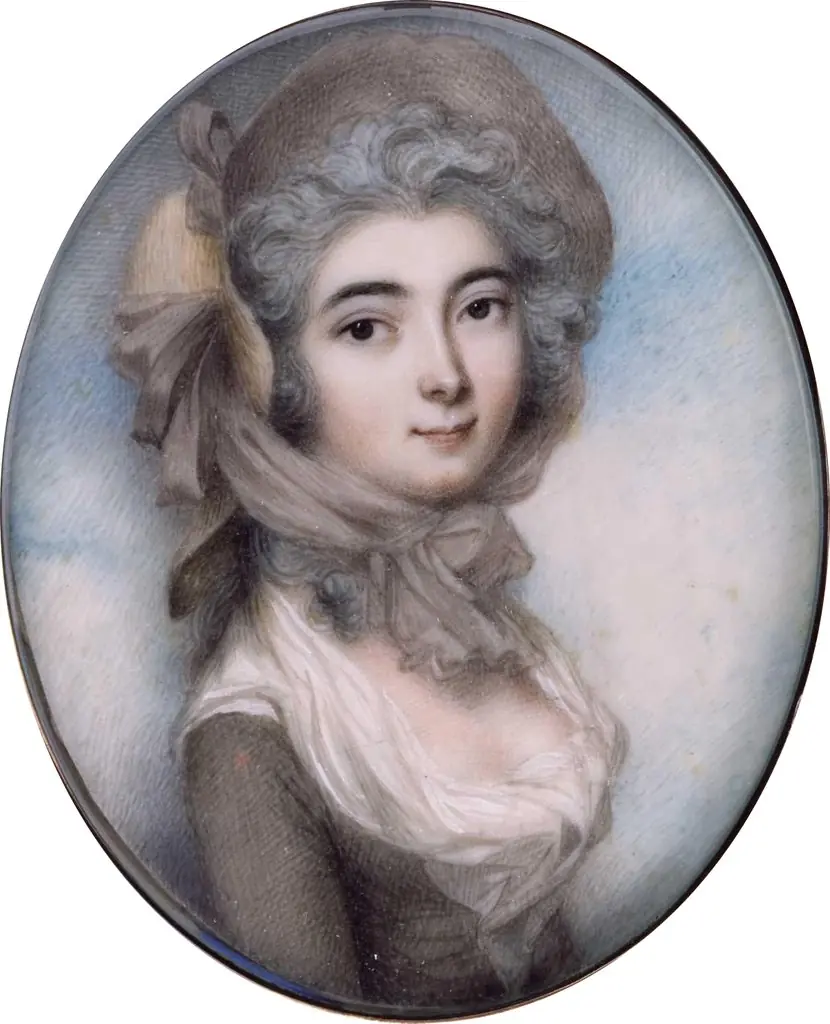 Portrait of a Woman
 Portrait of a Woman
 Mrs. John Sevier, Jr. (Rebecca Richards)
 Portrait of a Woman
 Lady Mary Cornwallis (1769-1840), married Singleton
 Portræt af Kammerherreinde Johanne de Svanenskjold f. Neergaard