Artwork
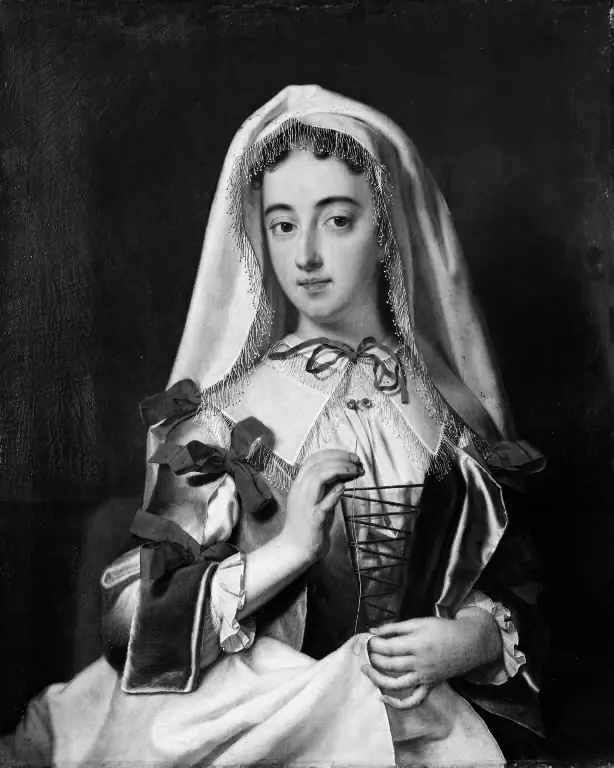
En bondepige fra bjergene nær Losetto
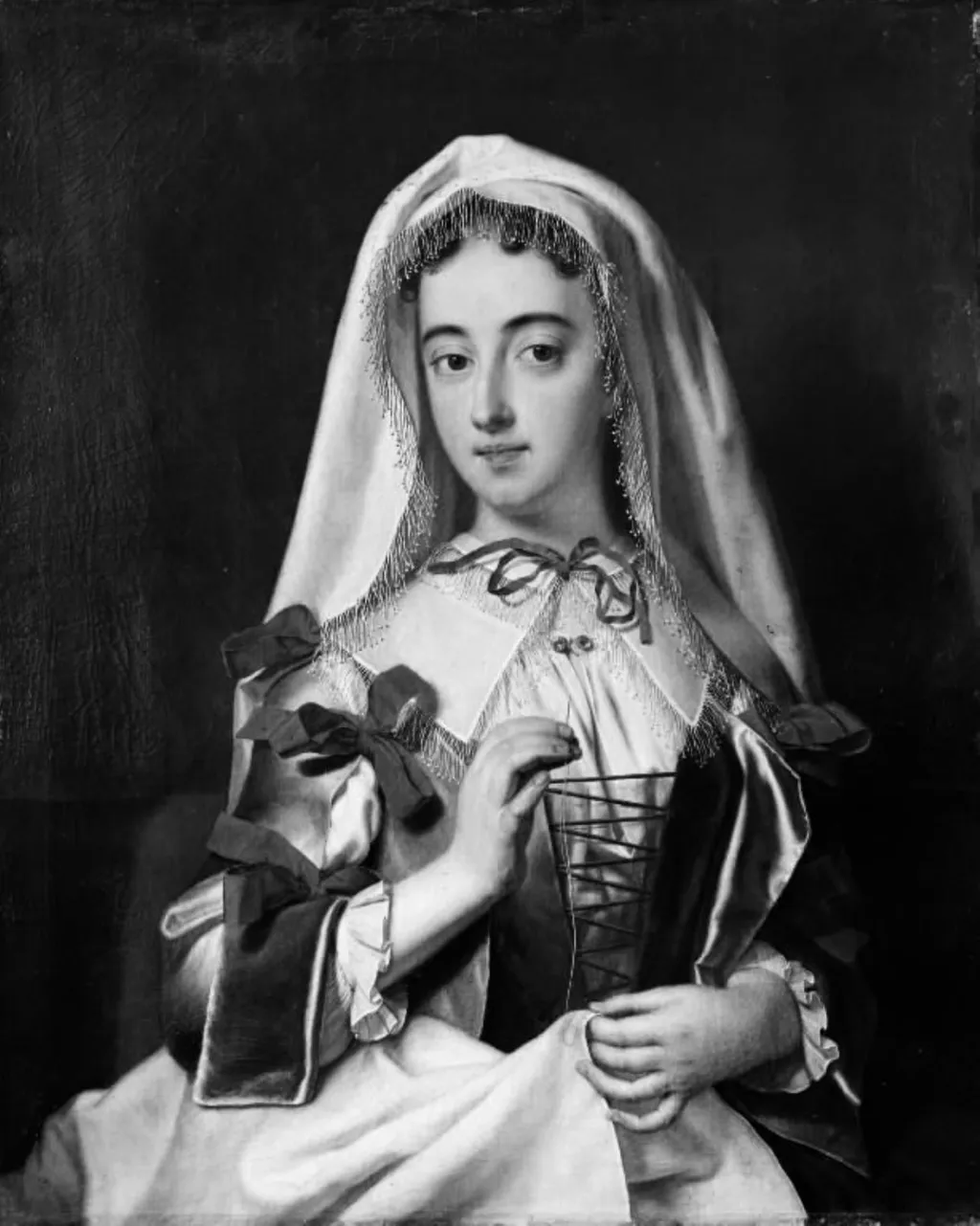
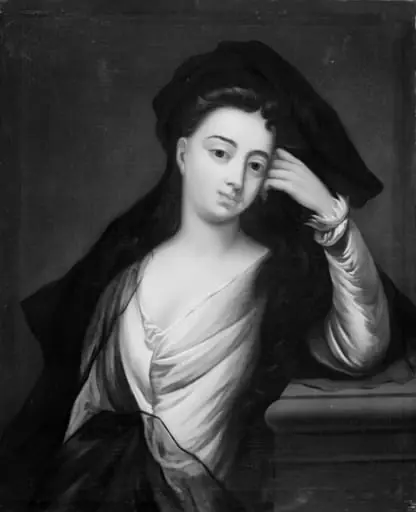
En bondepige fra bjergene nær Losetto is a photography by the Baroque artist Unknown. It dates from 1733 and is held in the collection of the Statens Museum for Kunst.
About this work
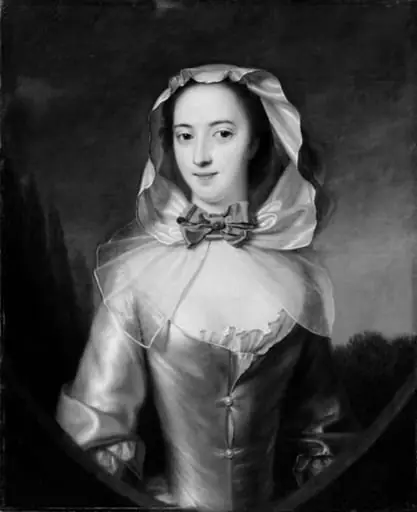
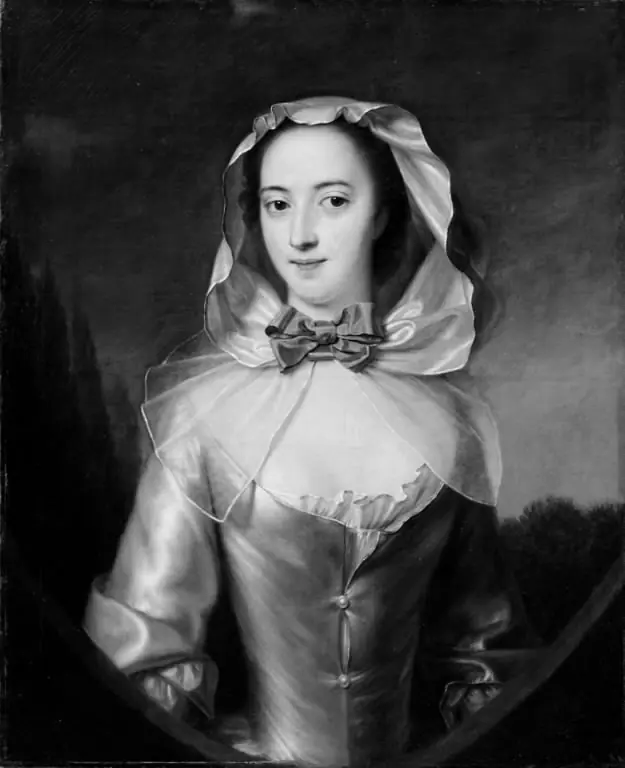
This black-and-white photo shows a woman in a simple dress with lace cuffs and a loose white veil.
This black-and-white photo shows a woman in a simple dress with lace cuffs and a loose white veil. She’s adjusting the laces on her bodice, her hands steady and focused. The fabric looks soft but structured, and the background is plain, putting all attention on her.
The photo’s grainy texture makes her skin and clothes look slightly fuzzy, like an old snapshot. It’s not a painting—it’s a photograph from 1733, which is unusual for the time.
Next, look up *chiaroscuro* to see how artists used light and shadow in older paintings.
Overview
This photograph, titled En bondepige fra bjergene nær Losetto, dates to 1733 and depicts a rural Norwegian woman. It is held in the collection of the Museum of Ethnography. The image is unusual for its era, as photographic technology had not yet been developed. The attribution to a photographic medium is historically inaccurate; the work is likely a drawing or print mislabeled as a photograph.
Subject & Meaning
The figure is a peasant woman from the mountains near Losetto, captured in a quiet, introspective moment as she adjusts the laces of her bodice. Her attire—simple dress, lace cuffs, and a loose white veil—suggests regional dress of the early 18th century. The focused gesture implies daily ritual rather than performance, offering a glimpse into the quiet dignity of rural life in northern Europe at the time.
Technique & Style
The image is rendered in monochrome with soft tonal contrasts, emphasizing texture in fabric and skin. The plain background isolates the figure, directing attention to her posture and attire. The grainy, blurred quality resembles aged prints or early lithographs, not photography. The handling suggests hand-drawn or engraved reproduction, typical of illustrated ethnographic records of the period.
History & Provenance
The work entered the Museum of Ethnography’s collection as part of a 19th-century effort to document regional dress and customs. Its attribution as a photograph from 1733 is an error; no viable photographic process existed then. It is more likely a hand-colored engraving or lithograph produced later, possibly based on an earlier sketch or oral description from the region.
Context
In the early 1700s, visual records of rural populations were rare outside of elite portraiture. Ethnographic interest grew in the 18th and 19th centuries, prompting artists and travelers to document folk costumes. This image reflects that trend, serving as a cultural artifact rather than a personal portrait, shaped by contemporary curiosity about remote communities.
Legacy
Though misattributed as a photograph, the image remains a valuable reference for studies of Nordic folk dress and 18th-century visual representation. Its persistence in museum records highlights how historical errors can become embedded in institutional knowledge. It now functions as a case study in the evolution of ethnographic documentation and the limits of technological attribution.
Artist & collection

 Domestic Scene
 Giacomo and Cardinal Marco, investing Andrea, Abbot of San Zeno, with his Benefice
 The Nymph of Fontainebleau
 Portrait of a Woman
 Madonna and Child with Saints in the Enclosed Garden
 Venus and Minerva
 Family Group of Four on Sofa
 Wall painting from Room H of the Villa of P. Fannius Synistor at Boscoreale
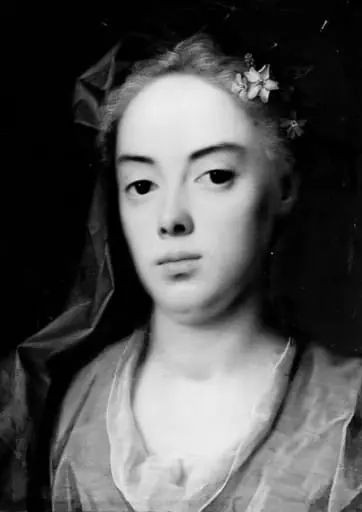 The Artist's Wife Esther, née Winther
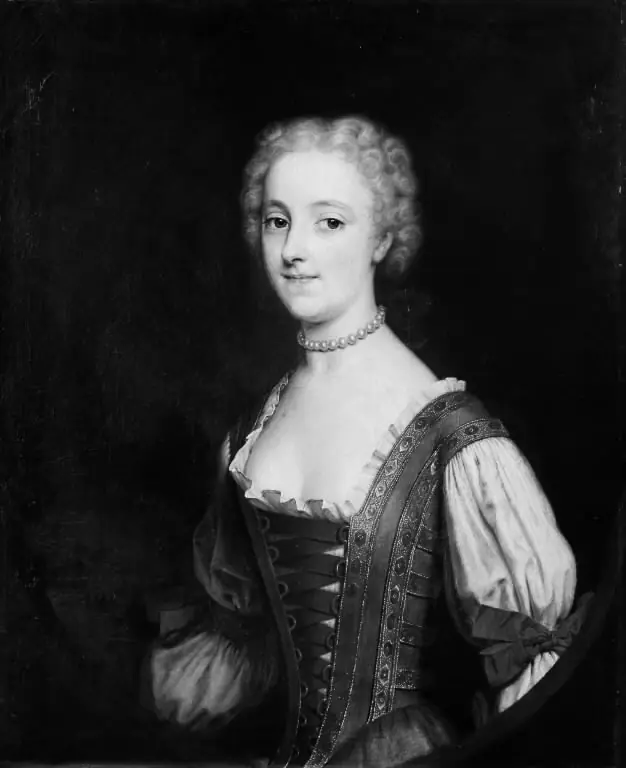 Dame i ungarsk dragt
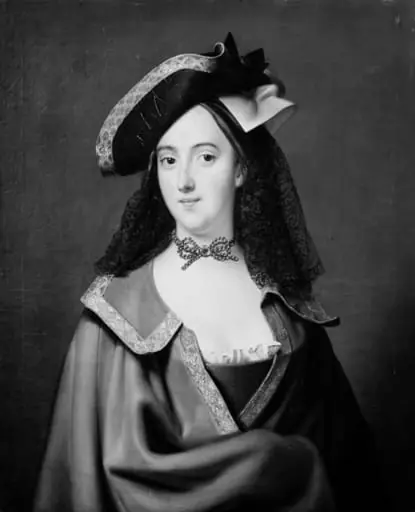 Dame i venetiansk karnevalsdragt
 Dame i grålig silkekjole og løs hætte
 Dame i venetiansk karnevalsdragt
 Portrait of a lady
 Bildnis einer Dame
 Dame med sort slør
 H Beard Print Collection
 Portræt af Frederik IV's dronning, Louise
 En bondepige fra bjergene nær Losetto
 Dame med sort slør