Artwork
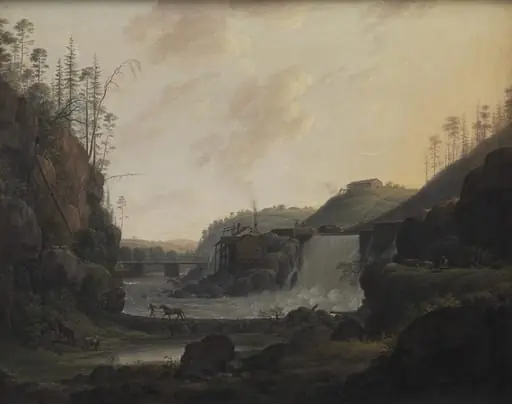
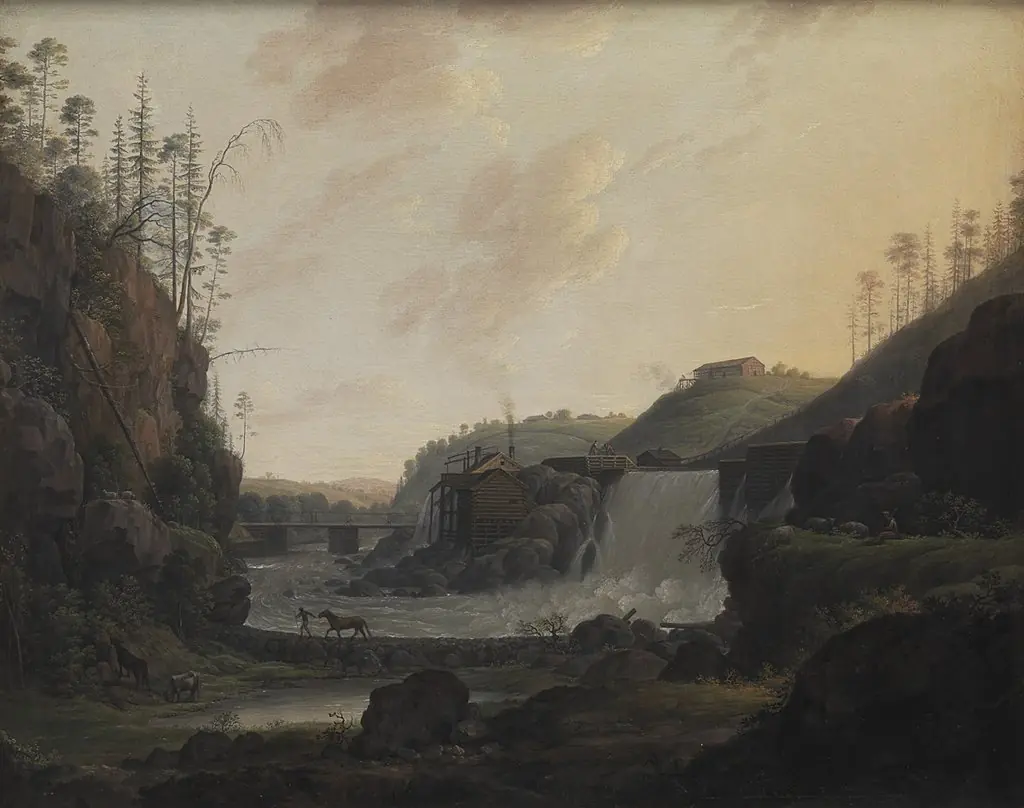
Tistedalen ved Frederikshald i Norge
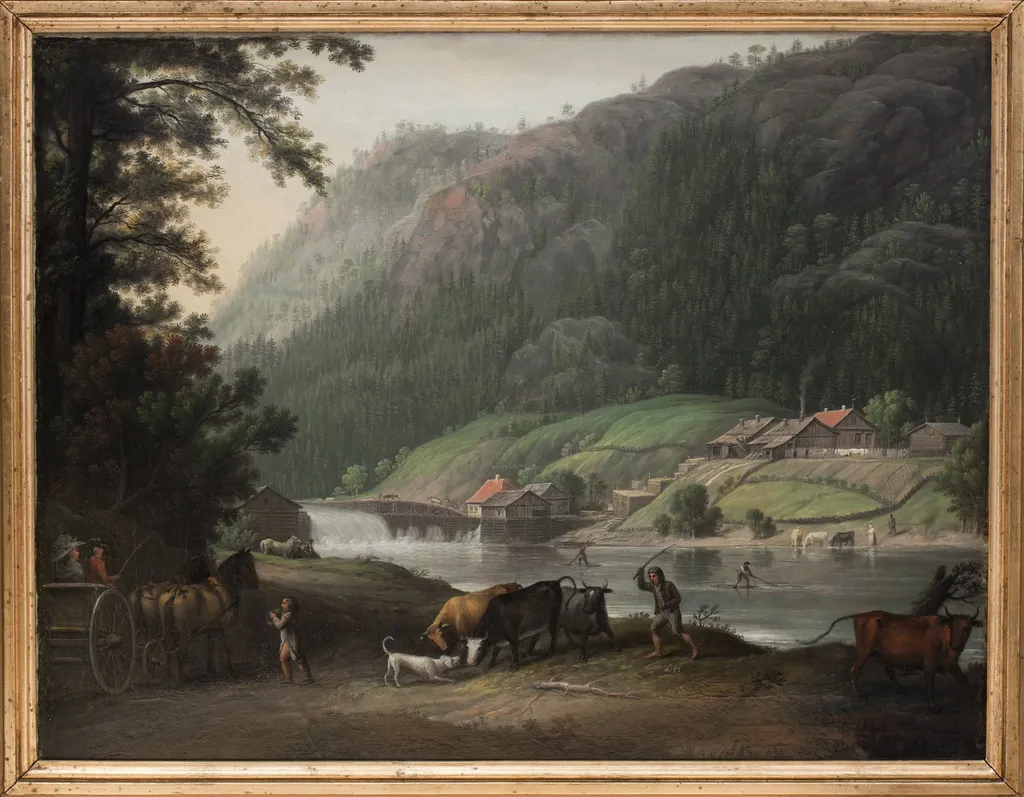
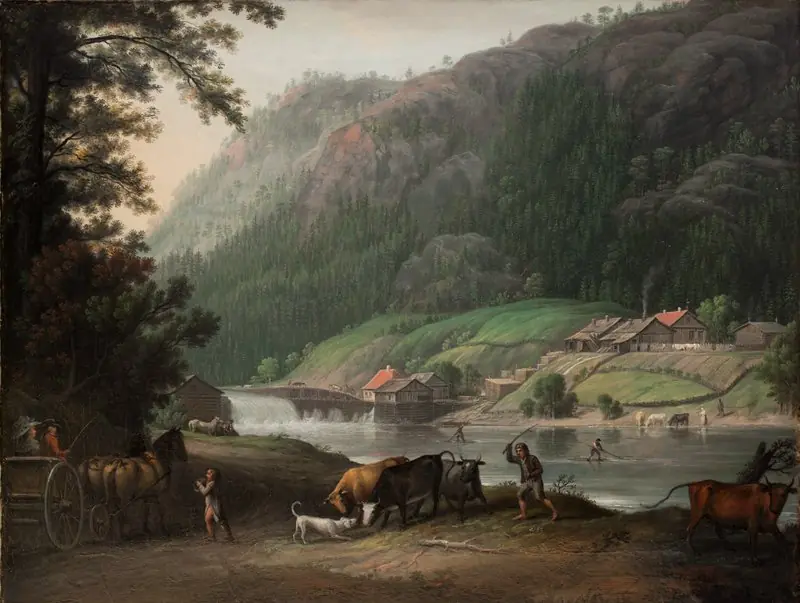
Tistedalen ved Frederikshald i Norge is a photography by the Romanticist artist Unknown. It dates from 1788 and is held in the collection of the Statens Museum for Kunst. Painted in 1788, this landscape depicts Tistedalen near Frederikshald in Norway.
About this work
Overview
It is part of the collection at the Museum of Ethnography, where it serves as a record of 18th-century Norwegian countryside life.
Painted in 1788, this landscape depicts Tistedalen near Frederikshald in Norway. The work captures a tranquil rural scene with subtle human activity integrated into the natural environment. It is part of the collection at the Museum of Ethnography, where it serves as a record of 18th-century Norwegian countryside life. The composition emphasizes harmony between people, animals, and terrain without overt drama or idealization.
Subject & Meaning
The painting portrays ordinary daily tasks—herding cattle, wading in water, transporting goods—rendered without narrative emphasis. These activities reflect the rhythms of agrarian life in southern Norway. The absence of grandeur or conflict suggests an appreciation for quiet continuity. The scene implies a relationship between humans and land rooted in routine rather than spectacle, aligning with early Romantic sensibilities that valued authenticity in nature.
Technique & Style
The artist employs soft, diffused lighting to create a gentle atmosphere, with muted tones dominating the palette. Brushwork is restrained, avoiding sharp definition in favor of blended transitions between land, water, and sky. The waterfall and distant houses are rendered with minimal detail, reinforcing depth without distraction. This approach prioritizes mood over precision, guiding the viewer’s attention toward the scene’s serenity rather than its topography.
History & Provenance
Created in 1788, the work entered the Museum of Ethnography’s holdings at an unspecified date, likely during the 19th century as interest in regional cultural documentation grew. Its preservation reflects a shift in institutional priorities toward vernacular life rather than elite or religious subjects. No records of prior ownership or exhibition are widely documented, suggesting it remained within local or academic circles before institutional acquisition.
Context
In late 18th-century Norway, artistic focus was shifting from religious and aristocratic themes toward depictions of everyday rural existence. This painting aligns with emerging Romantic ideals that valued nature as a source of moral and emotional truth. While not part of a formal movement, its quiet realism anticipates later Nordic landscape traditions that sought to capture the dignity of ordinary life in untouched environments.
Legacy
The painting contributes to a growing body of Nordic visual records that document pre-industrial rural life. Though not widely exhibited or reproduced, it remains a quiet reference point in studies of Scandinavian ethnographic art. Its restrained aesthetic influenced later regional artists who favored understated realism over romanticized grandeur, helping shape a distinct Norwegian visual identity grounded in local observation.
Artist & collection

 Domestic Scene
 Giacomo and Cardinal Marco, investing Andrea, Abbot of San Zeno, with his Benefice
 The Nymph of Fontainebleau
 Portrait of a Woman
 Madonna and Child with Saints in the Enclosed Garden
 Venus and Minerva
 Family Group of Four on Sofa
 Wall painting from Room H of the Villa of P. Fannius Synistor at Boscoreale
 The Cemetery at Baden-Baden
 Mountain Landscape with a Lake
 View of Odda at the Sør Fjord in Hardanger, Norway. Morning Light
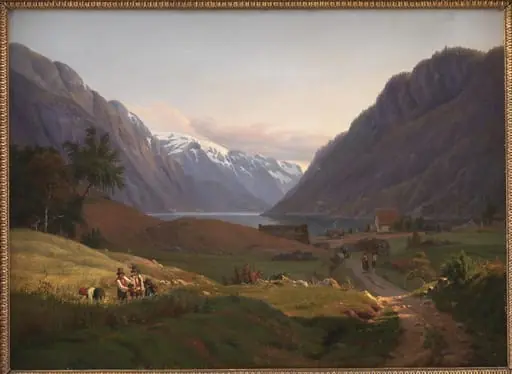 View of Odda at the Sør Fjord in Hardanger, Norway. Morning Light
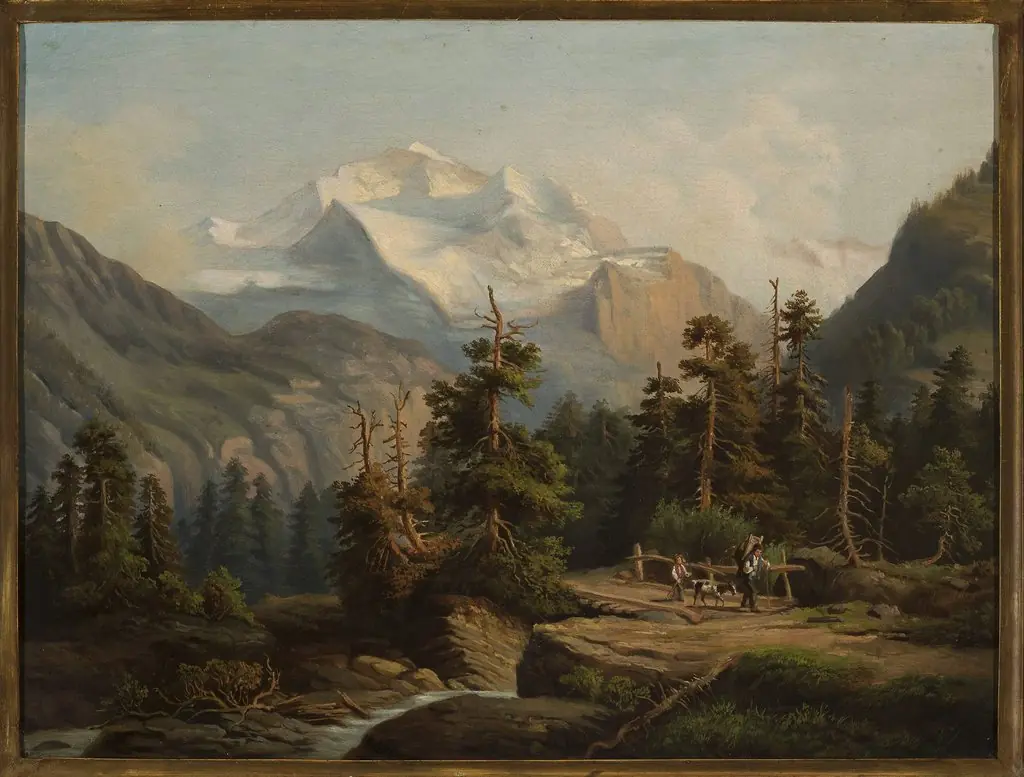 Mountain landscape
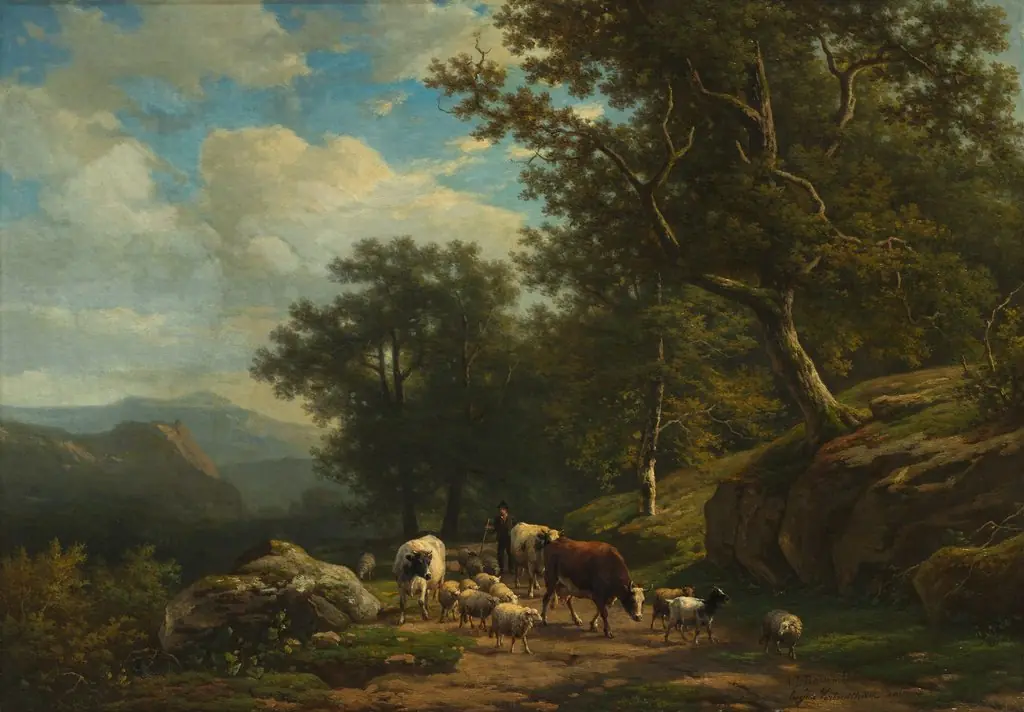 Landscape with a Peasant and His Flock
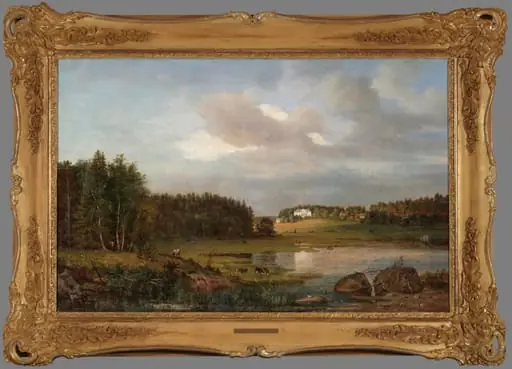 Kumpulan kartano
 River Landscape with a Waterfall near Bogstad in Norway
 River Landscape with a Waterfall near Bogstad in Norway
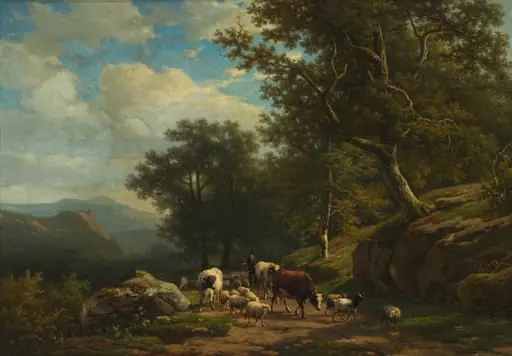 Landscape with a Peasant and His Flock
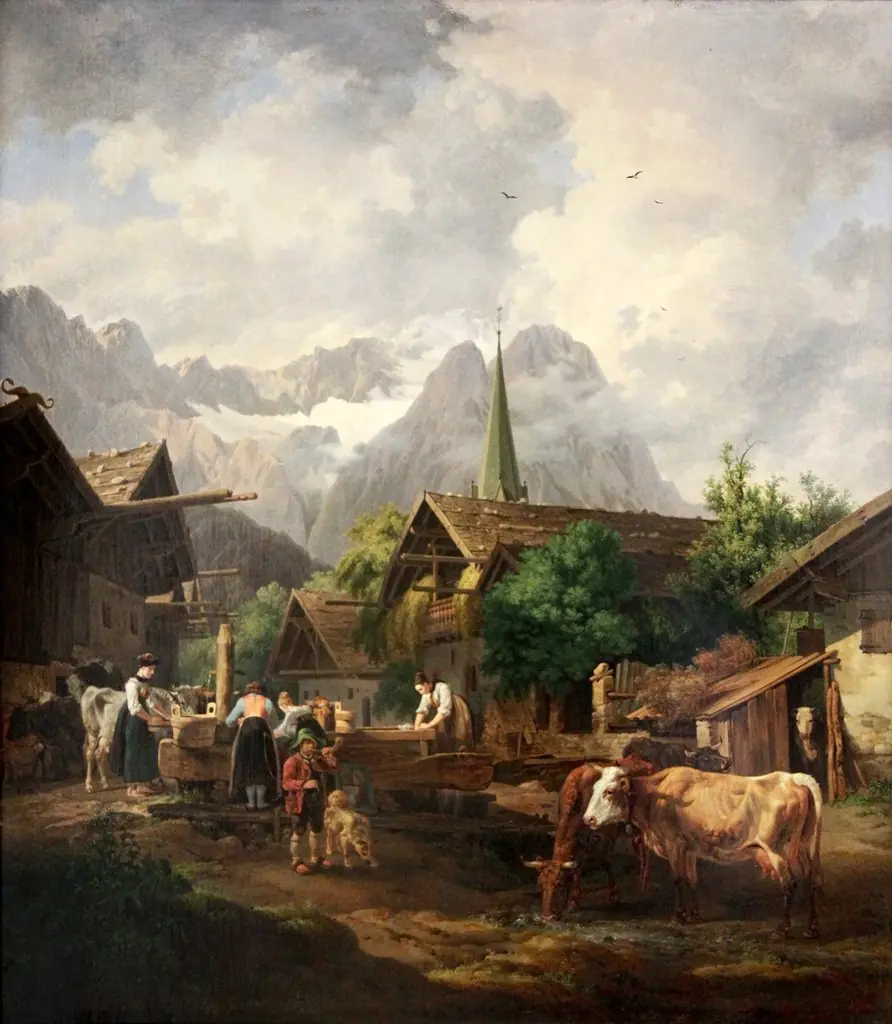 Morning in Partenkirchen
 Tistedalen ved Frederikshald i Norge