Artwork
Study of a Female Model
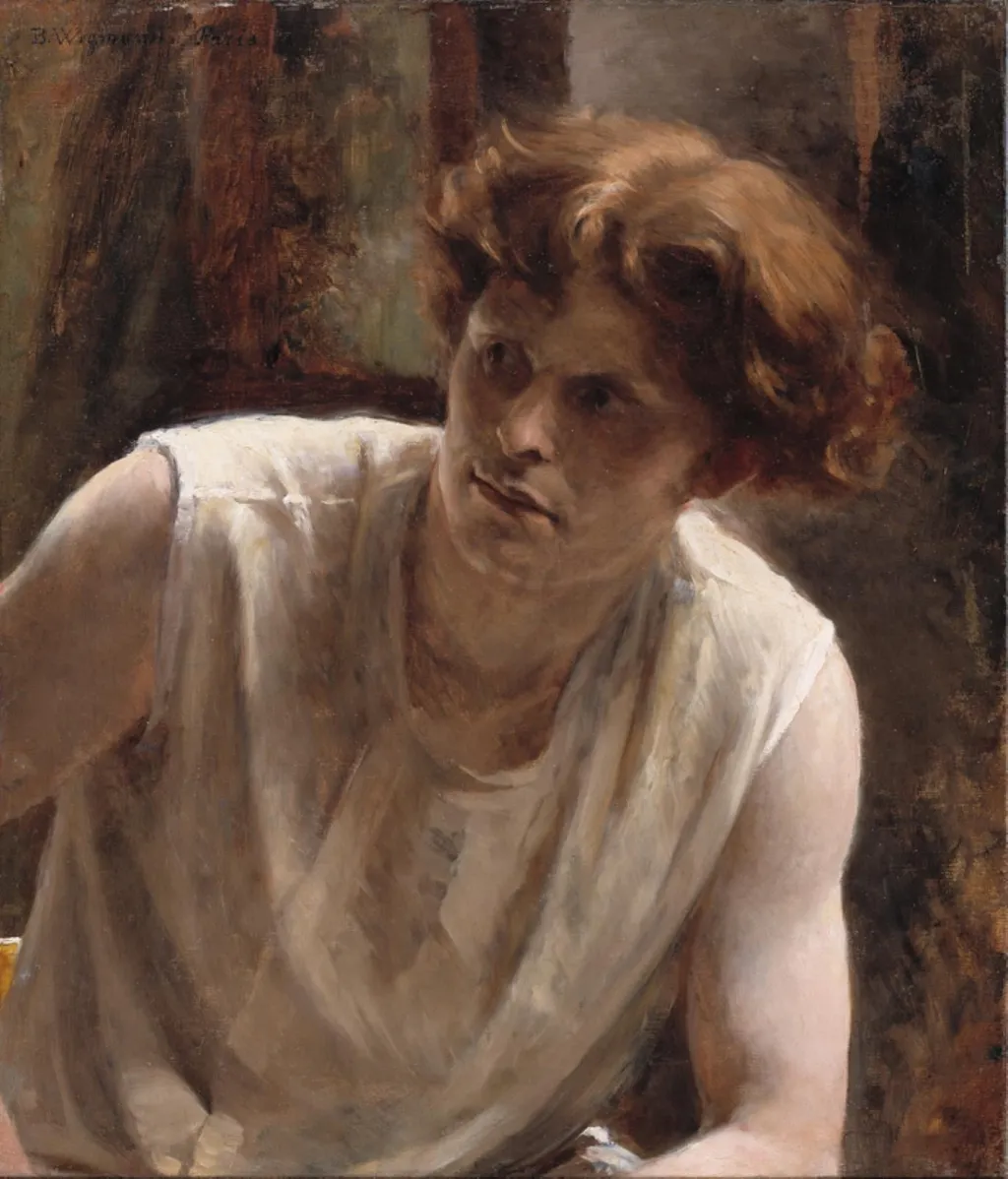
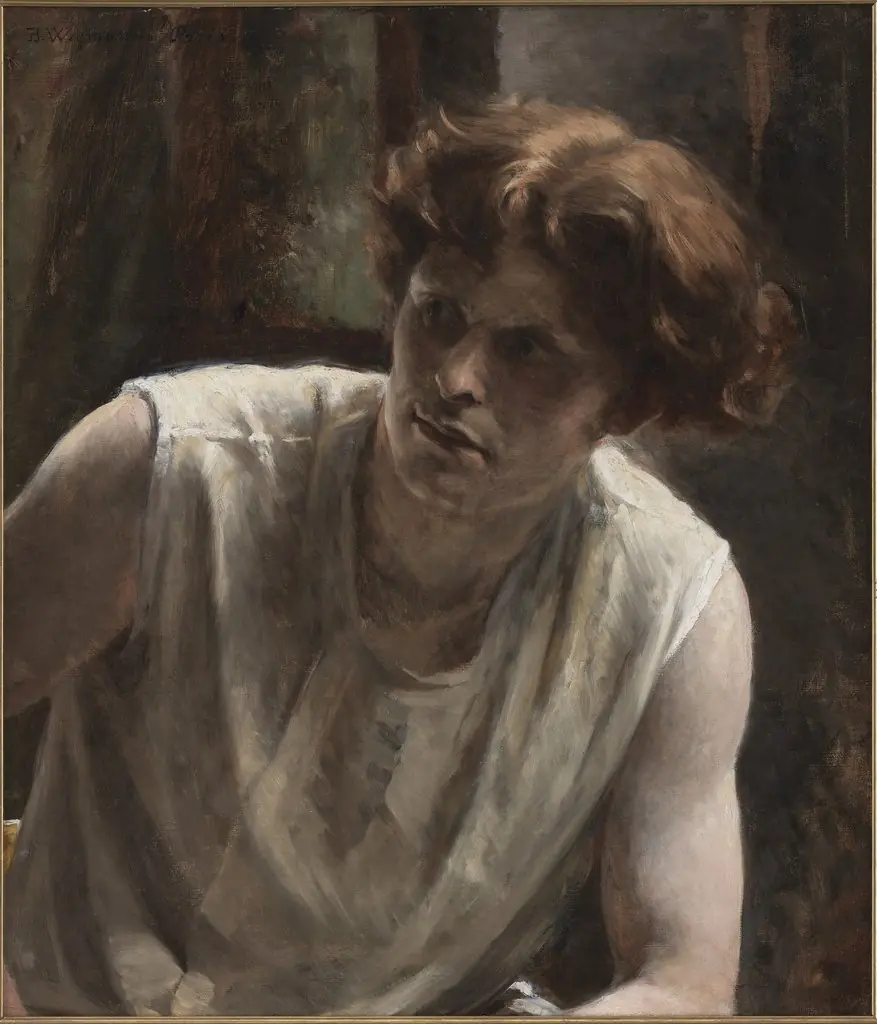
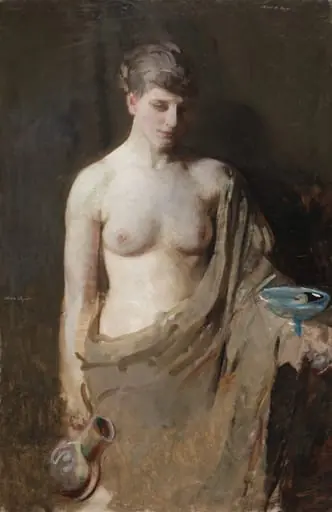
Study of a Female Model is a drawing by Unknown. It dates from 1850 and is held in the collection of the Statens Museum for Kunst. Created around 1850, this study depicts a seated female figure and is attributed to the artist 760_person.
About this work
Overview
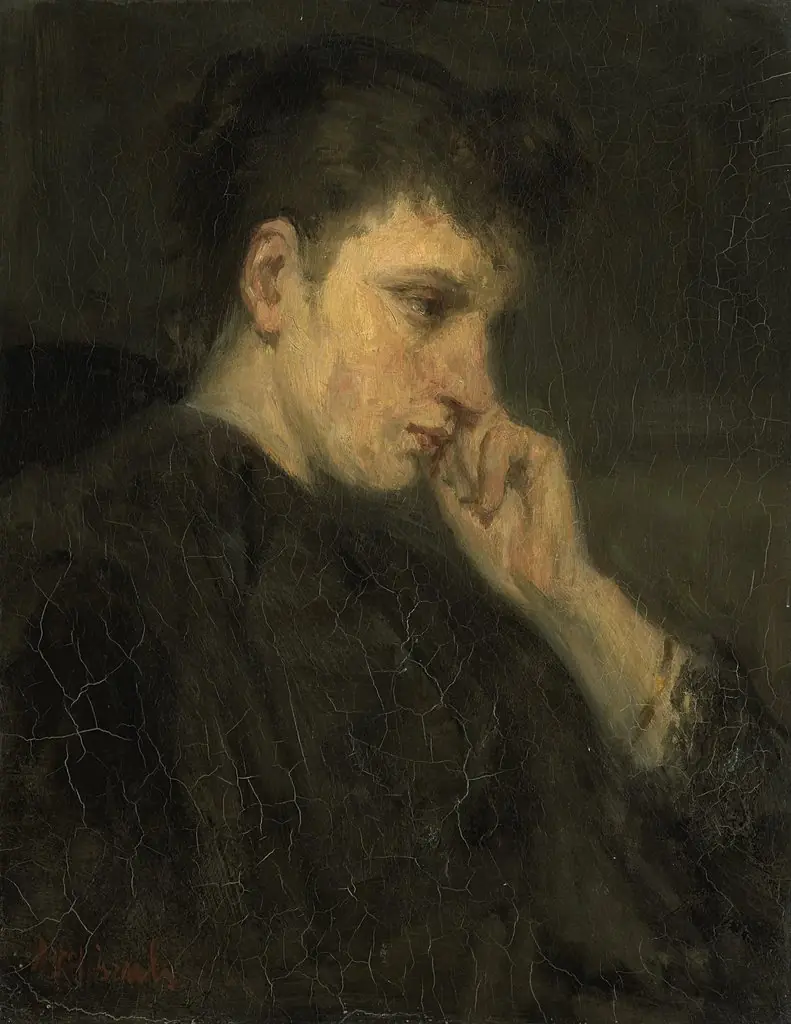
Created around 1850, this study depicts a seated female figure and is attributed to the artist 760_person. Executed in paint, the work is part of the collection at the Museum of Ethnography. Its intimate scale and focused composition suggest it was intended as a preparatory exercise rather than a finished portrait, emphasizing observation over narrative.
Subject & Meaning
The figure sits with arms crossed, her posture conveying quiet stillness rather than performative pose. Dressed in a loose, light garment that slips naturally over her shoulders, she appears unadorned and unidealized. The absence of context or symbolic elements directs attention to the physical presence of the body itself, suggesting an interest in form and humanity over storytelling.
Technique & Style
Thick, tactile brushstrokes define the contours of her face and hair, while the fabric of her dress is rendered with looser, more fluid strokes. The dark, indistinct background isolates the figure, enhancing the contrast of light across her skin and clothing. The artist prioritized the effects of natural illumination, using texture and tone to suggest volume rather than precise detail.
History & Provenance
The work has been held since at least the late 19th century by the Museum of Ethnography, though its acquisition history prior to that is undocumented. It was likely produced during a period when the artist was engaged in figure studies, possibly for academic or personal practice. No exhibition or ownership records from its creation are known.
Context
In mid-19th century Europe, artists increasingly turned to direct observation of the human form, moving away from idealized classical models. This study reflects that shift, aligning with emerging practices in studios and academies that valued realism and the unembellished depiction of the body, even in private exercises.
Legacy
Though not widely exhibited, this study contributes to understanding the artist’s approach to the human figure. Its emphasis on light, texture, and unidealized form anticipates later developments in naturalist painting. It remains a quiet example of how observational practice informed broader artistic evolution in the period.
Artist & collection

 Domestic Scene
 Giacomo and Cardinal Marco, investing Andrea, Abbot of San Zeno, with his Benefice
 The Nymph of Fontainebleau
 Portrait of a Woman
 Madonna and Child with Saints in the Enclosed Garden
 Venus and Minerva
 Family Group of Four on Sofa
 Wall painting from Room H of the Villa of P. Fannius Synistor at Boscoreale