Artwork
Portrait of a Man
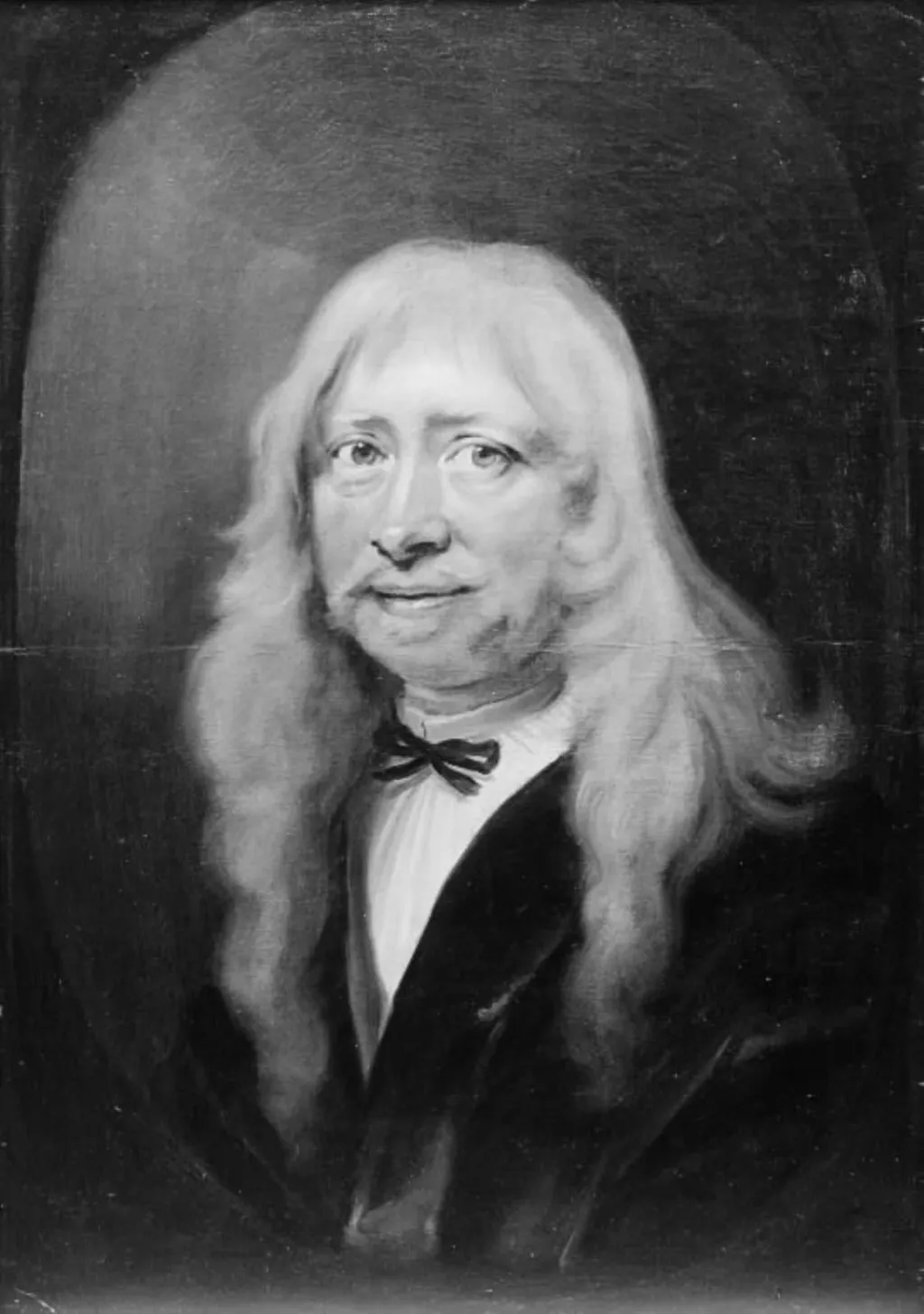
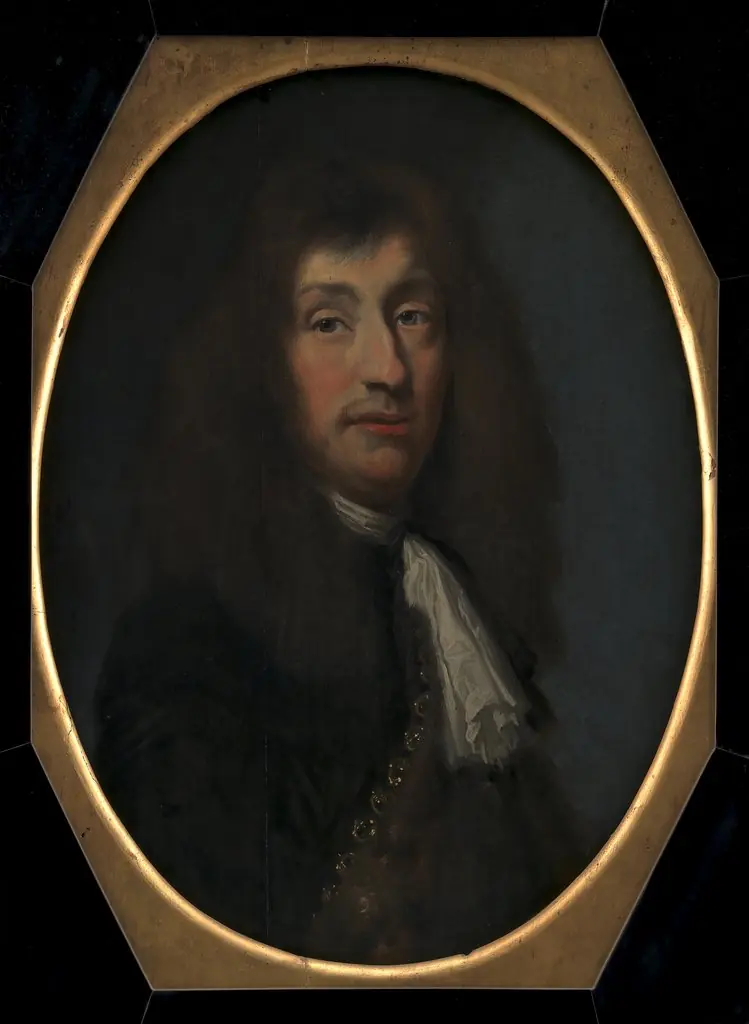
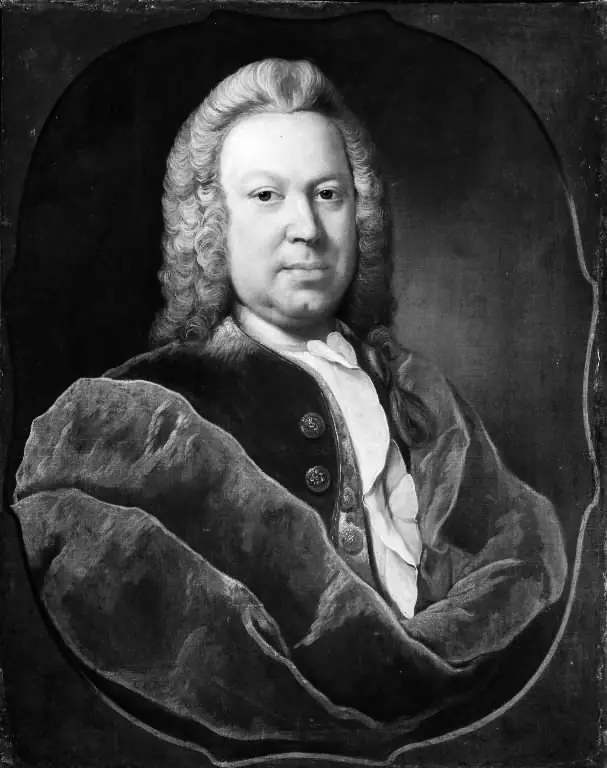
Portrait of a Man is an unspecified painting by Unknown. It dates from 1650 and is held in the collection of the Statens Museum for Kunst. This black-and-white portrait, dated around 1650, depicts an elderly man in formal attire.
About this work
Overview
Its restrained palette and focused composition reflect a deliberate aesthetic choice to highlight individual character over decorative detail.
This black-and-white portrait, dated around 1650, depicts an elderly man in formal attire. Executed with subtle tonal gradations, the image emphasizes the subject’s dignified presence. The work is held in the collection of the Museum of Ethnography, where it is preserved as an example of 17th-century portraiture. Its restrained palette and focused composition reflect a deliberate aesthetic choice to highlight individual character over decorative detail.
Subject & Meaning
The sitter is an older man with long, wavy white hair and a neatly groomed beard, dressed in a high-collared coat and bow tie. His direct gaze and composed expression suggest self-possession and quiet authority. No identifying marks or symbols are present, leaving his social role ambiguous. The portrait conveys a sense of inner stillness, possibly reflecting ideals of maturity and restraint valued in the period.
Technique & Style
The artist employed chiaroscuro, using soft transitions between light and shadow to model the face and shoulders. This technique avoids harsh outlines, creating a three-dimensional effect through gradations of tone. The plain, dark background eliminates distraction, directing attention to the subject’s features. The rendering is precise yet gentle, emphasizing texture in hair and fabric without overt detail.
History & Provenance
The portrait’s origin and creator remain undocumented. It entered the Museum of Ethnography’s collection without clear provenance, and no records link it to a known artist or commission. Its survival suggests it was preserved as a personal or cultural artifact rather than a commissioned work. The absence of contextual details leaves its original purpose—private or public—uncertain.
Context
Created in the mid-17th century, the portrait aligns with broader European trends in intimate portraiture, where psychological presence replaced overt status symbols. While similar in technique to works by Caravaggio’s followers, its lack of narrative or ornamentation sets it apart. It may reflect regional or non-elite traditions, where simplicity and realism took precedence over aristocratic display.
Legacy
The portrait endures as a quiet example of early modern visual culture, valued for its emotional restraint and technical subtlety. It contributes to scholarly understanding of how identity was conveyed in non-elite portraiture. Though not widely known, its presence in an ethnographic collection underscores its role as a cultural artifact, offering insight into personal representation beyond formal art historical canons.
Artist & collection

 Domestic Scene
 Giacomo and Cardinal Marco, investing Andrea, Abbot of San Zeno, with his Benefice
 The Nymph of Fontainebleau
 Portrait of a Woman
 Madonna and Child with Saints in the Enclosed Garden
 Venus and Minerva
 Family Group of Four on Sofa
 Wall painting from Room H of the Villa of P. Fannius Synistor at Boscoreale
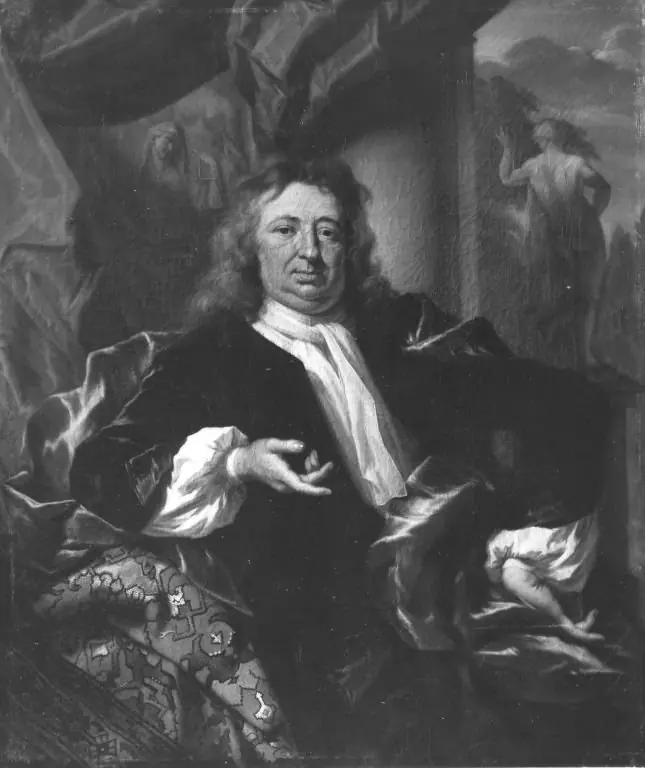 Bildnis eines Mannes
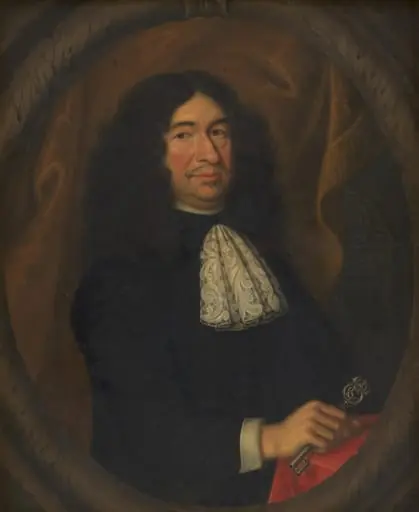 The Artist's Father, Bendix Grodtschilling the Elder, Warden of the Royal Kunstkammer
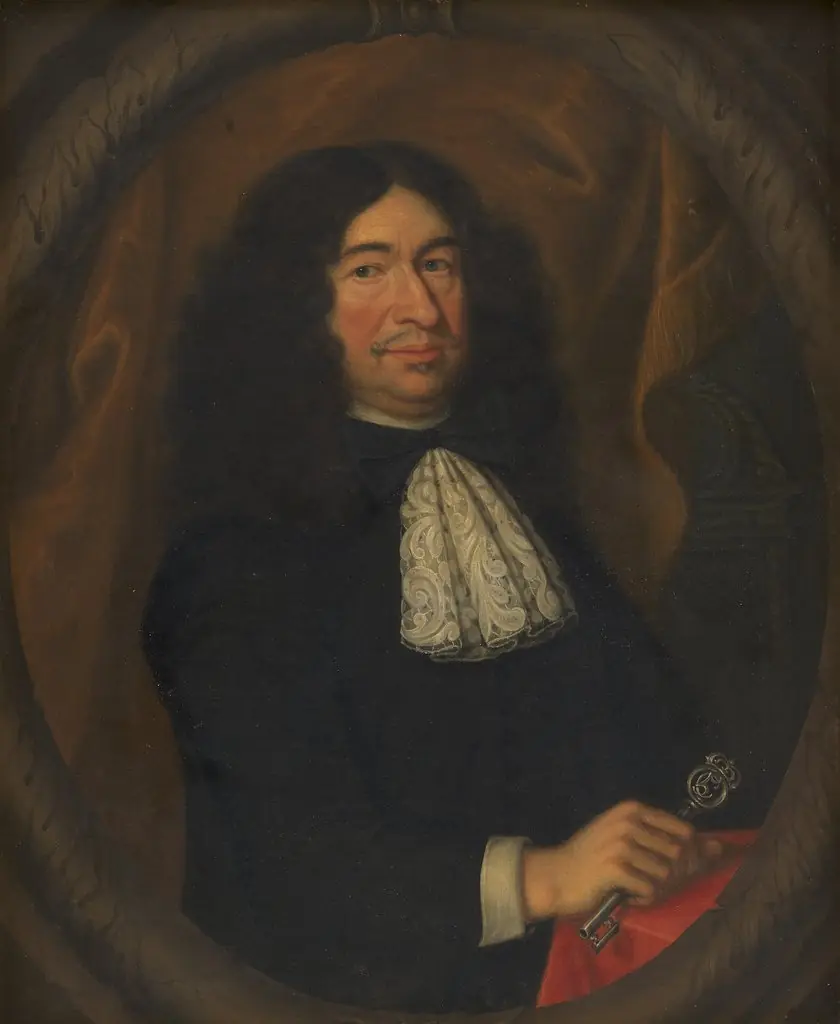 Kunstkammerforvalter Bendix Grodtschilling den ældre, kunstnerens fader
 Ulrik Frederik Gyldenløve
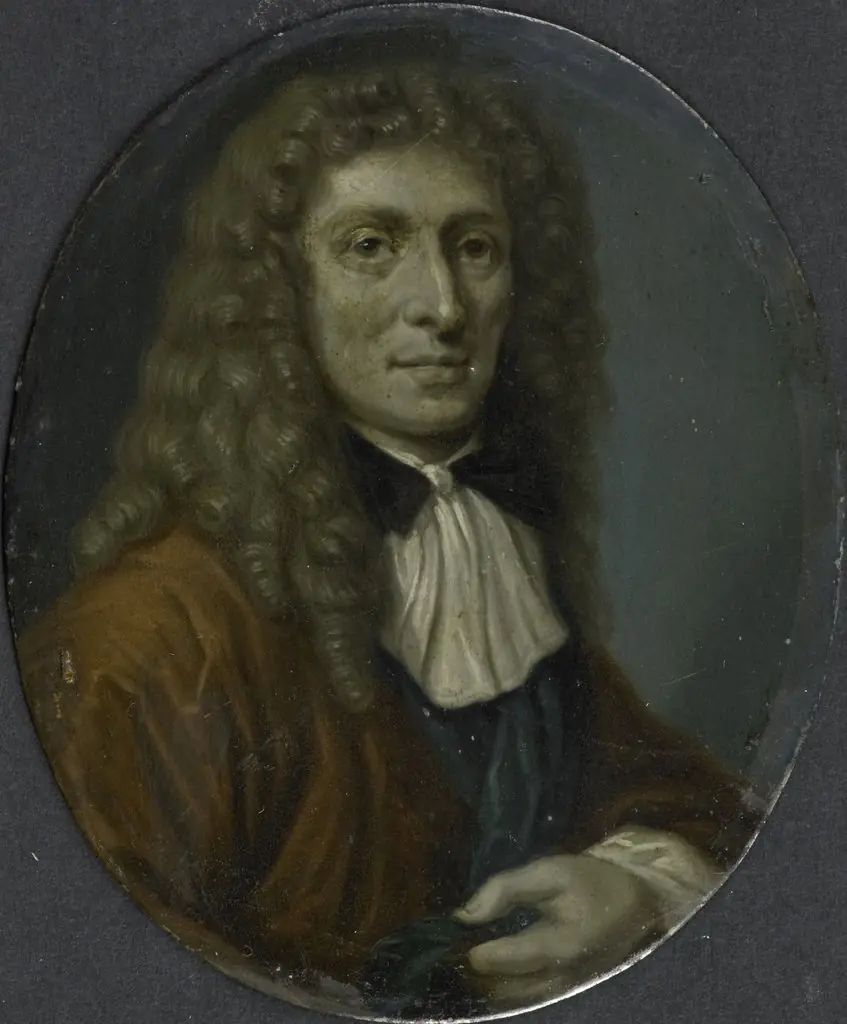 Portrait of Govert Bidloo
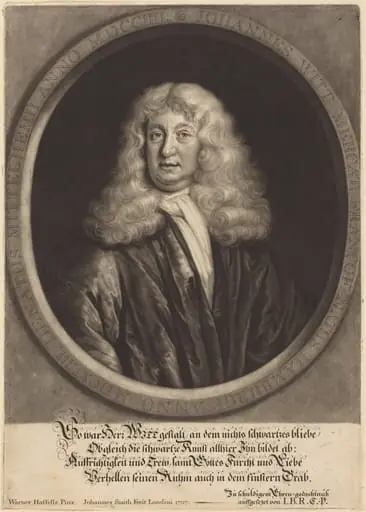 Johannes Witt
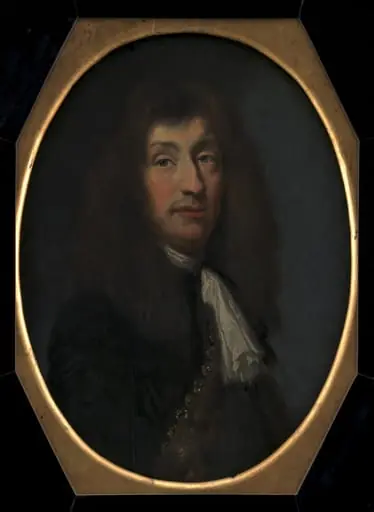 Ulrik Frederik Gyldenløve
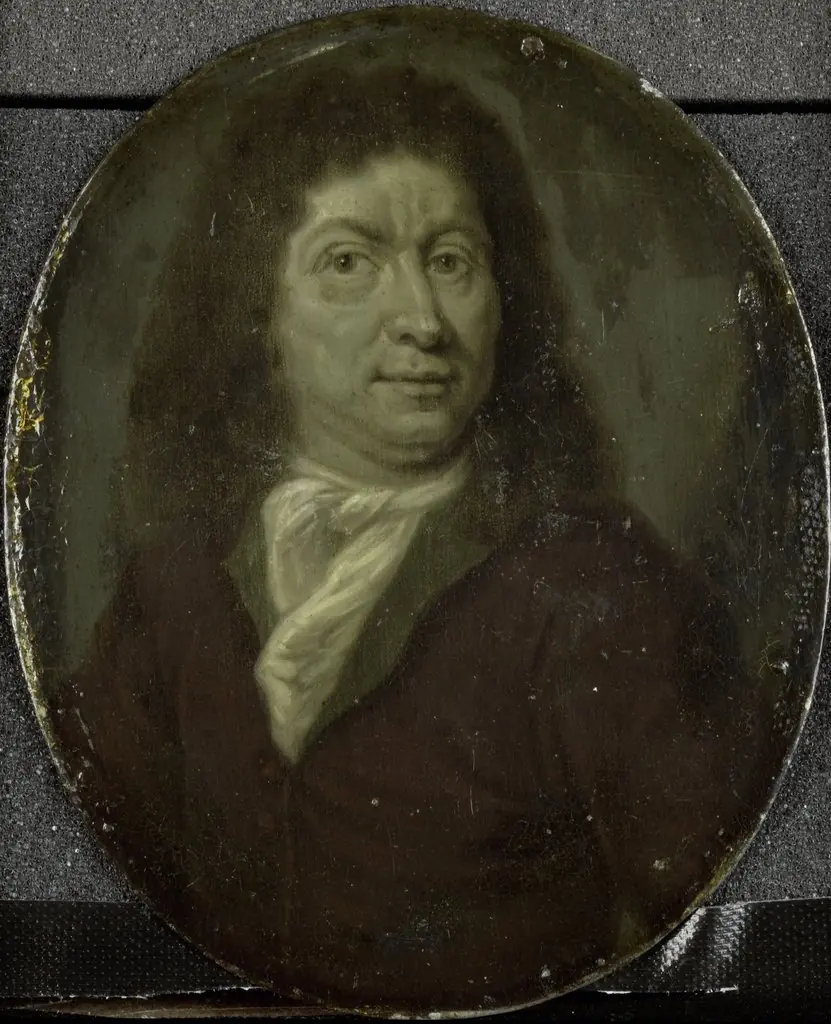 Portrait of Andries Pels (1631-81)
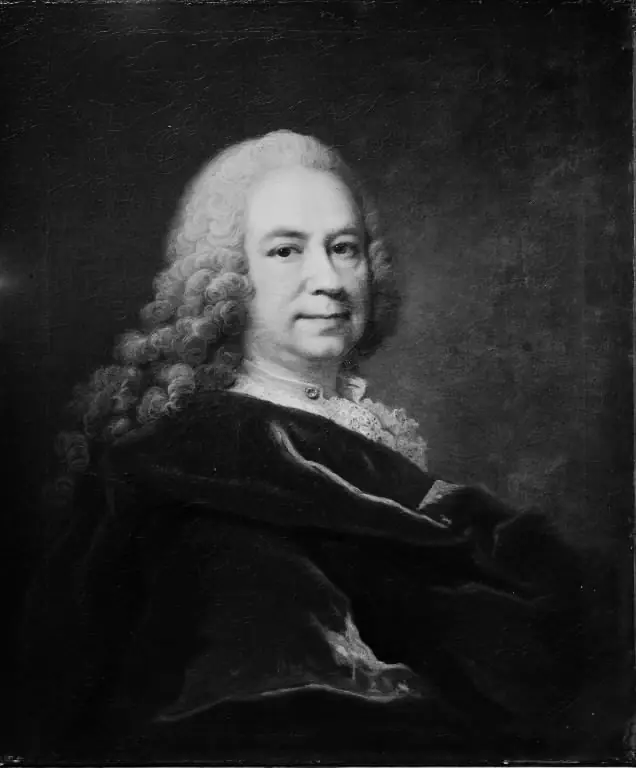 Self-Portrait
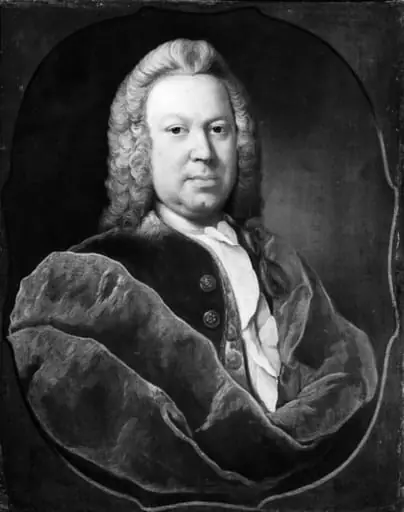 Mandsportræt
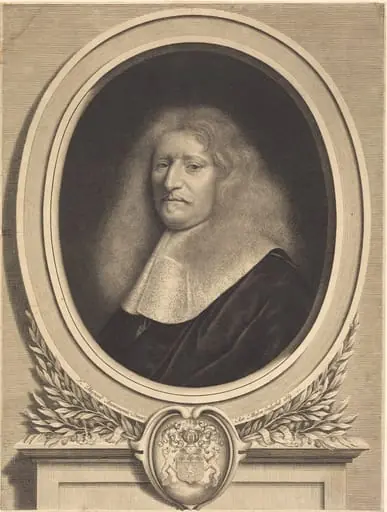 Guillaume de Brisacier
 Mandsportræt