Artwork
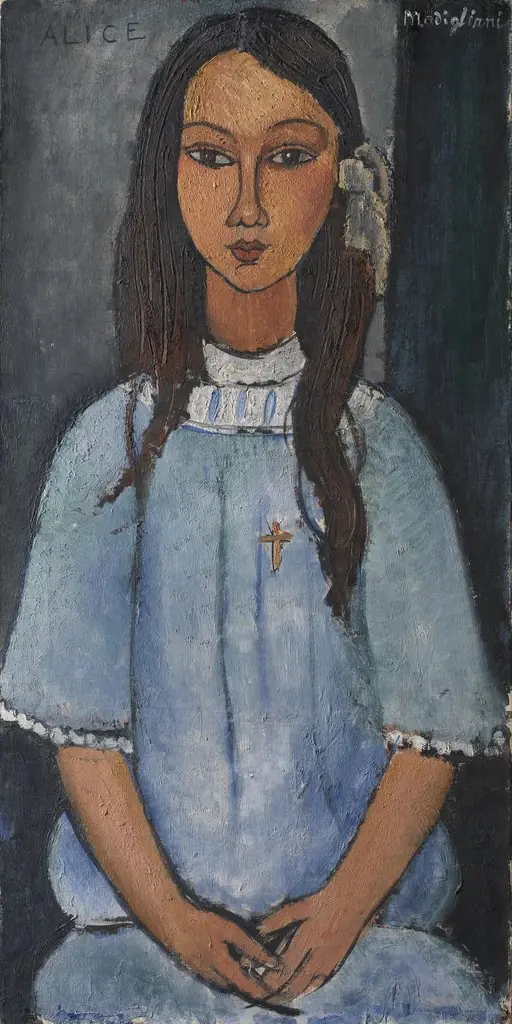
Alice
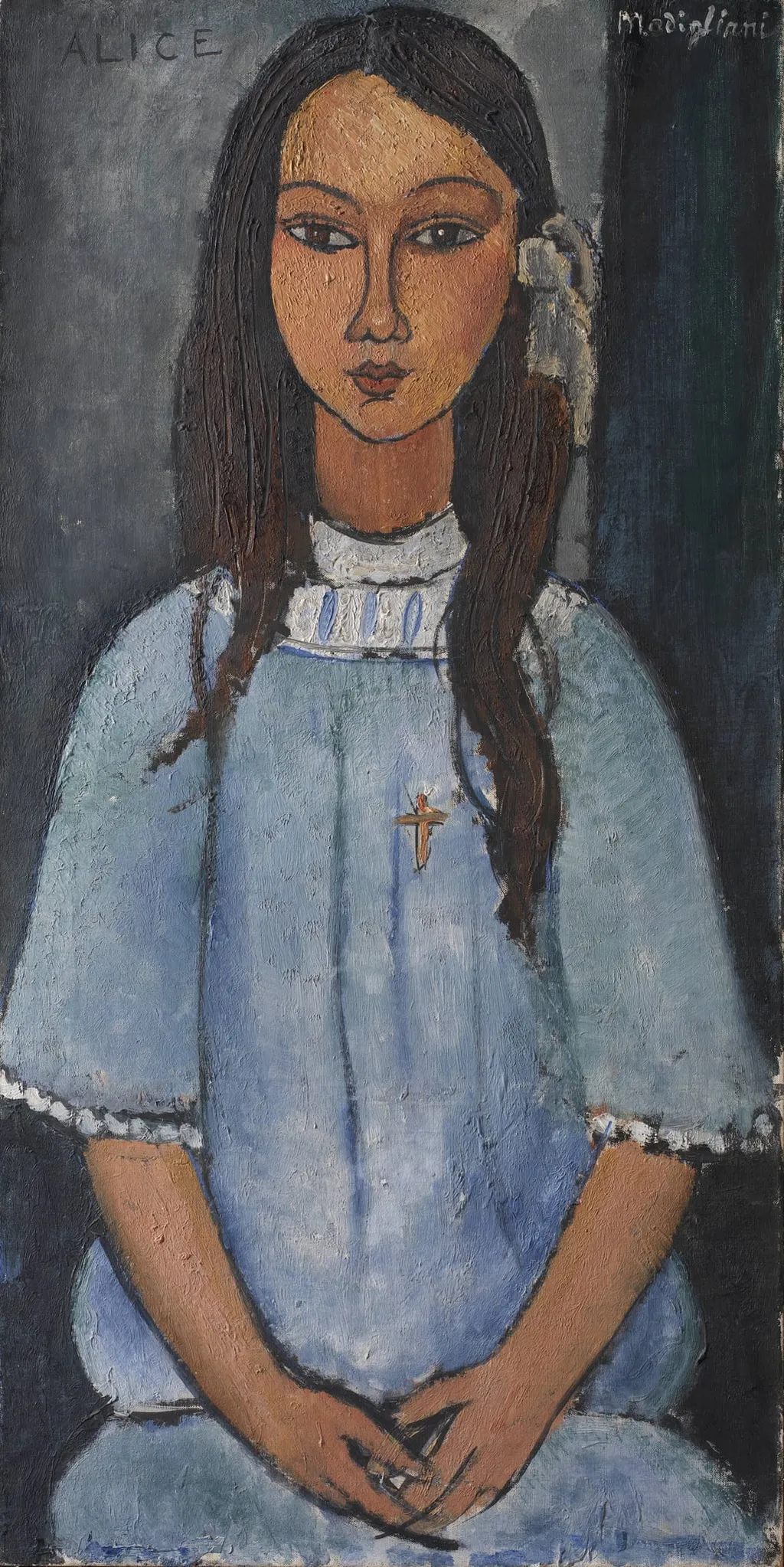
Alice is a photography by Unknown. It dates from 1917 and is held in the collection of the Statens Museum for Kunst.
About this work
Overview
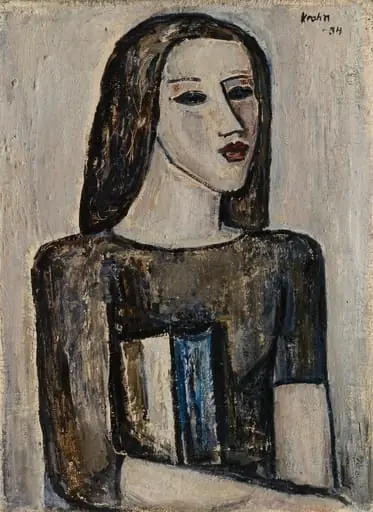
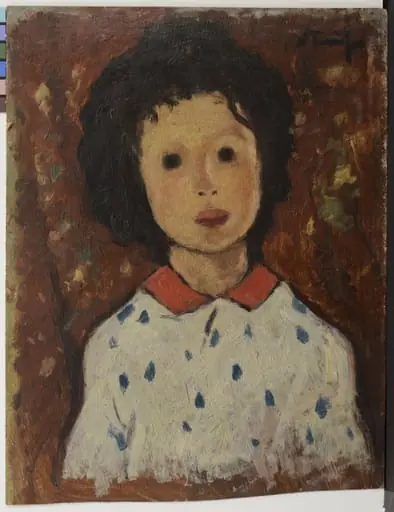
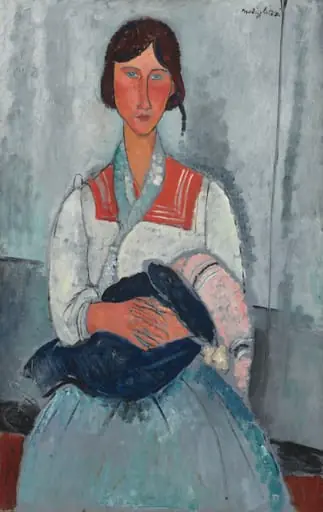
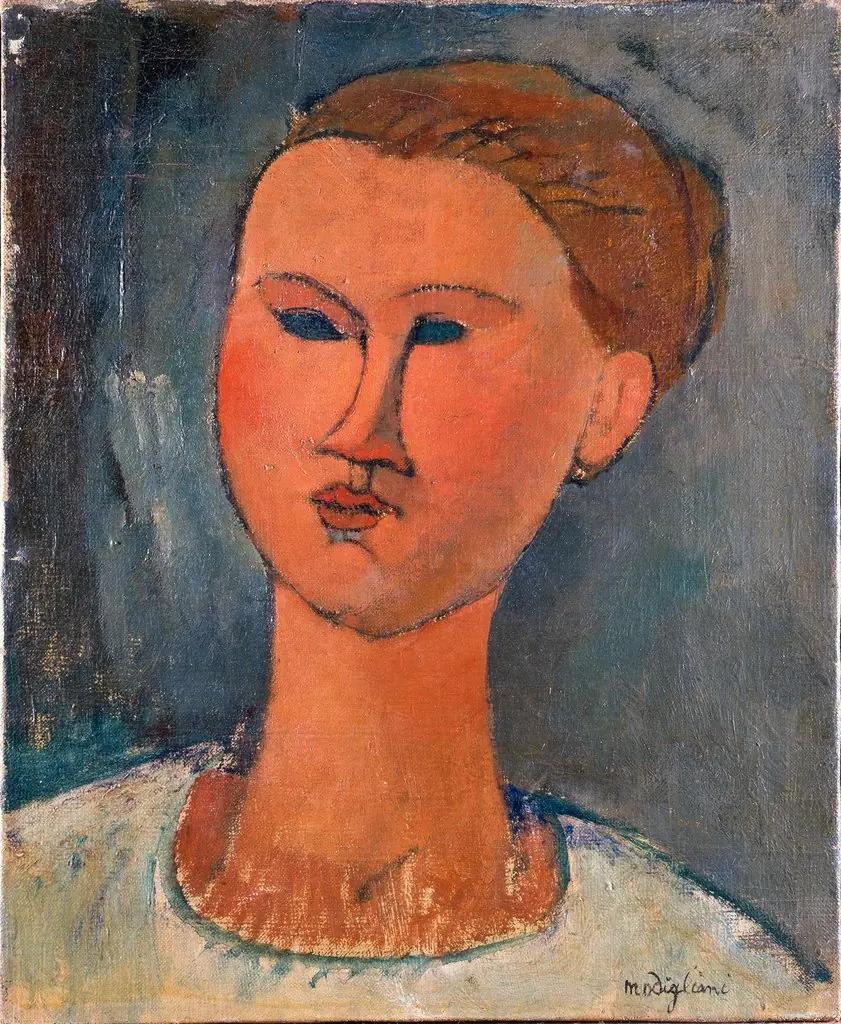
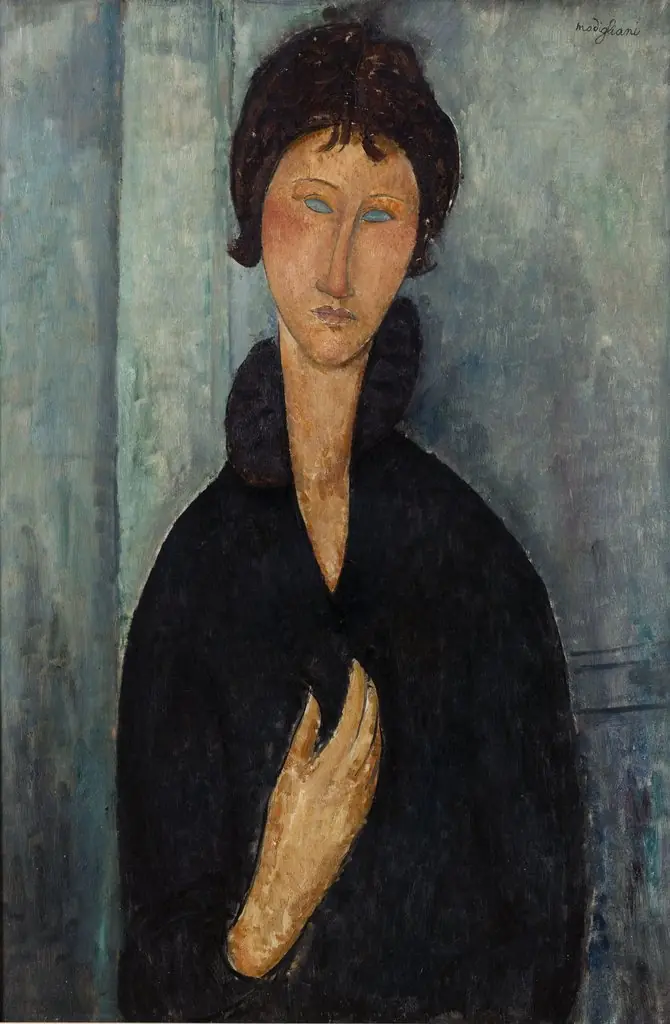
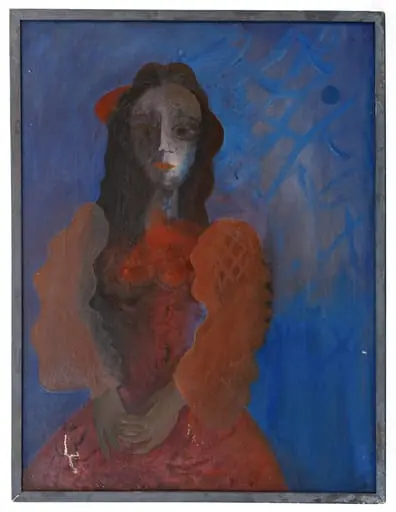
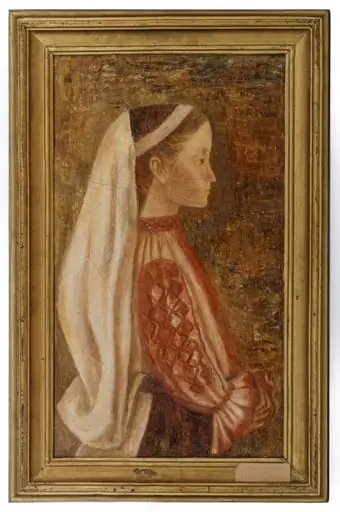
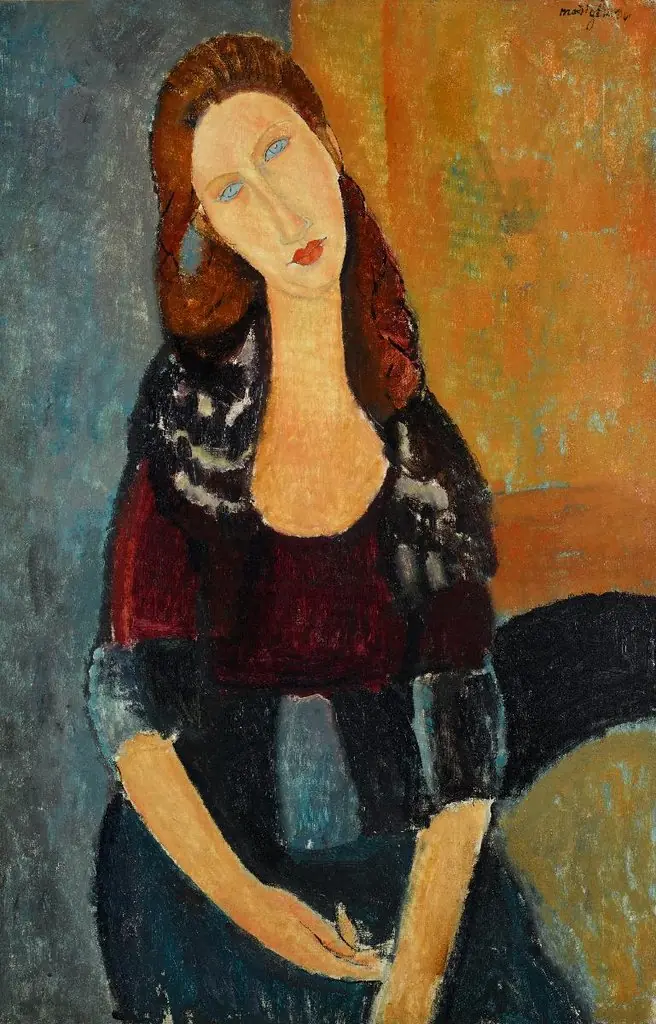
Created around 1917, this portrait depicts a young girl named Alice, rendered in oil on canvas. The work resides in the Museum of Ethnography and reflects a stylistic approach common in early 20th-century figurative painting. The artist employed thick, textured brushwork and a restrained palette to emphasize the subject’s presence against a muted backdrop.
Subject & Meaning
Alice is portrayed seated, her dark hair falling loosely, clad in a pale blue dress. Her hands rest gently in her lap, and her expression is calm yet solemn, avoiding direct engagement with the viewer. The absence of contextual details focuses attention on her inner state, suggesting introspection rather than narrative. The painting conveys quiet dignity without overt symbolism.
Technique & Style
The artist used impasto to build the surface, applying paint with visible, uneven strokes that create tactile depth. Colors are applied boldly but sparingly, with the dress and skin tones contrasting against the dark, almost abstract background. Forms are simplified, reducing detail to essential shapes, reinforcing a sense of stillness and emotional restraint.
History & Provenance
The painting entered the Museum of Ethnography’s collection in the mid-20th century, though its earlier ownership remains undocumented. It was likely acquired as part of a broader effort to preserve regional portraiture from the early 1900s. No exhibition records or artist correspondence have surfaced to clarify its original commission or intended audience.
Context
Made during a period when many artists moved away from academic realism, this work aligns with emerging tendencies toward expressive simplification. While not part of a known movement, its emphasis on emotional tone over detail echoes contemporaneous experiments in Nordic and Eastern European portraiture, where psychological presence often outweighed ornamental detail.
Legacy
The painting remains a quiet example of early 20th-century figurative work that prioritizes mood over narrative. It has not been widely reproduced or studied, but its presence in the Museum of Ethnography underscores its value as a representative artifact of regional artistic practice during a time of stylistic transition.
Artist & collection

 Domestic Scene
 Giacomo and Cardinal Marco, investing Andrea, Abbot of San Zeno, with his Benefice
 The Nymph of Fontainebleau
 Portrait of a Woman
 Madonna and Child with Saints in the Enclosed Garden
 Venus and Minerva
 Family Group of Four on Sofa
 Wall painting from Room H of the Villa of P. Fannius Synistor at Boscoreale