Artwork
Sibyl
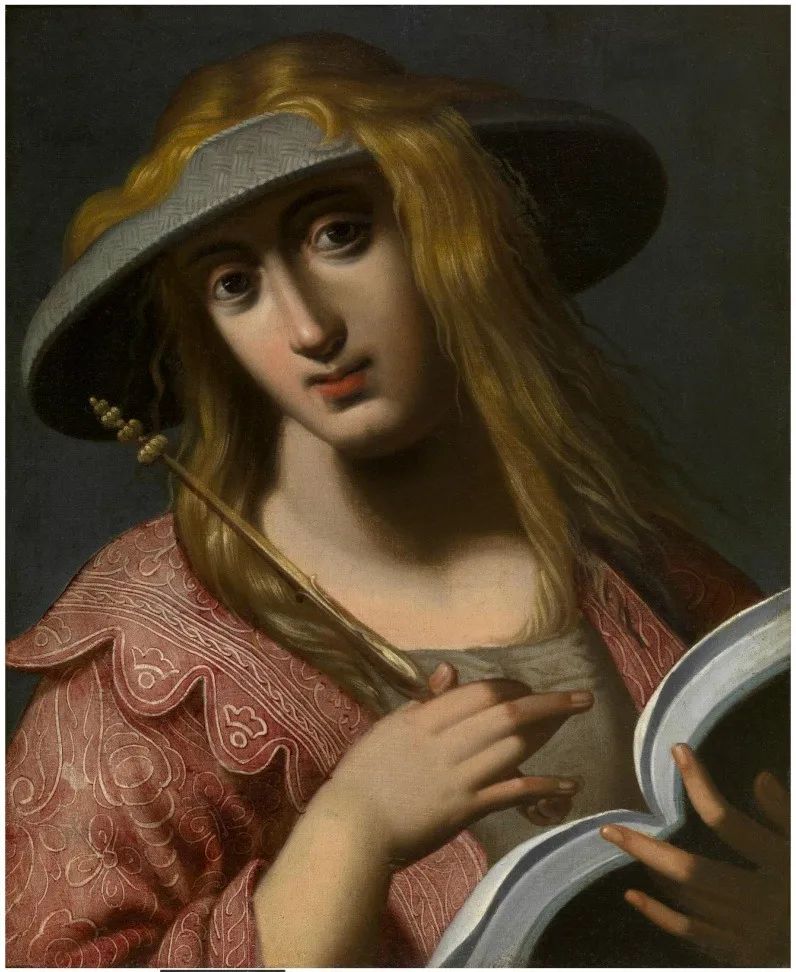
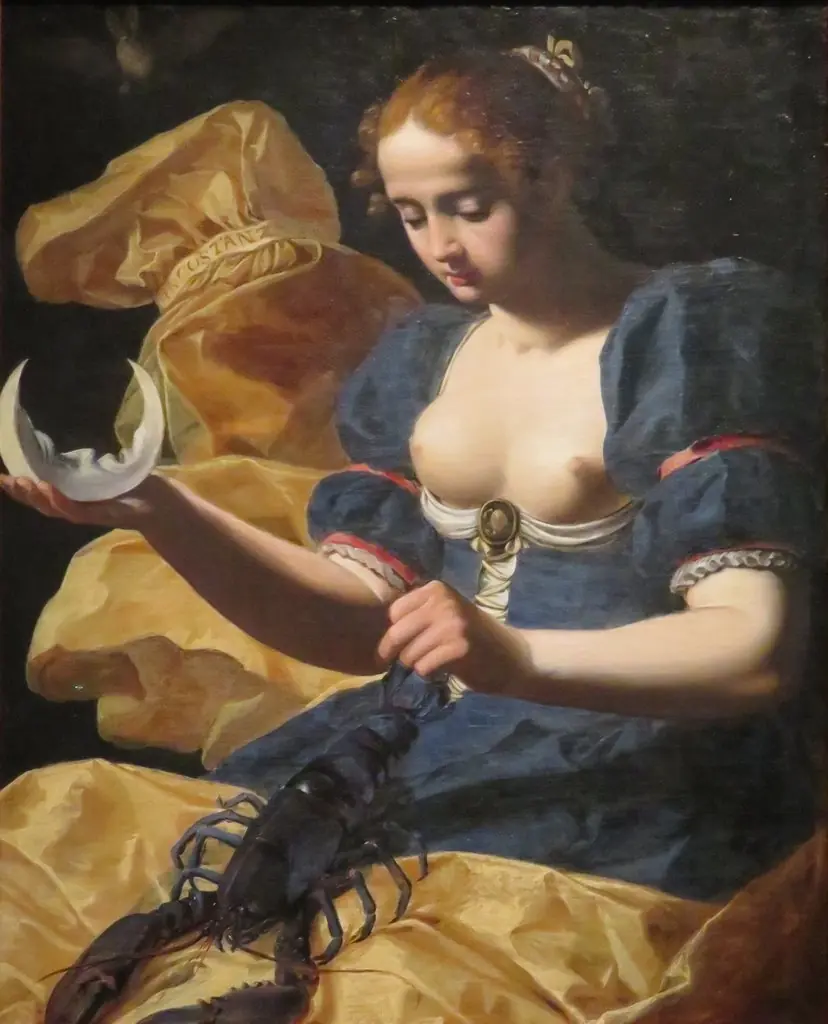
Sibyl is an oil painting by the Early Baroque Italian artist Abraham Janssens I. It dates from 1616 and is held in the collection of the Royal Museum of Fine Arts Antwerp.
About this work
Overview
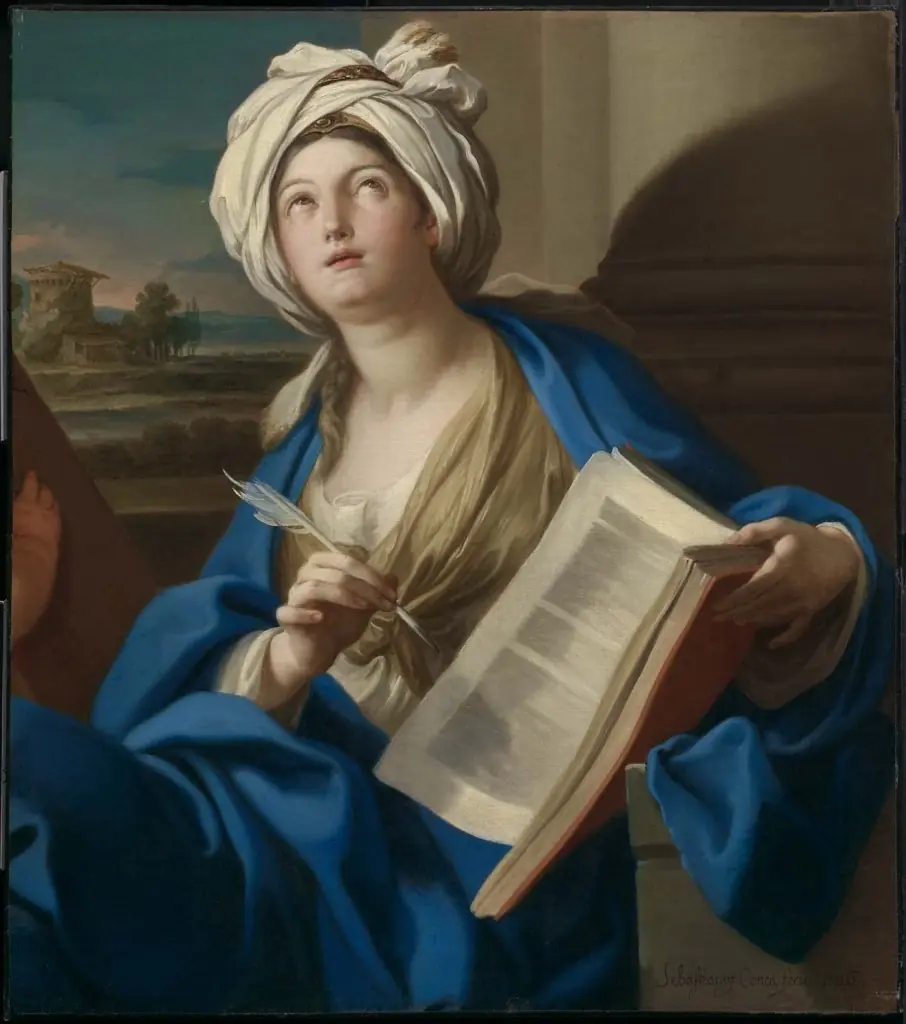
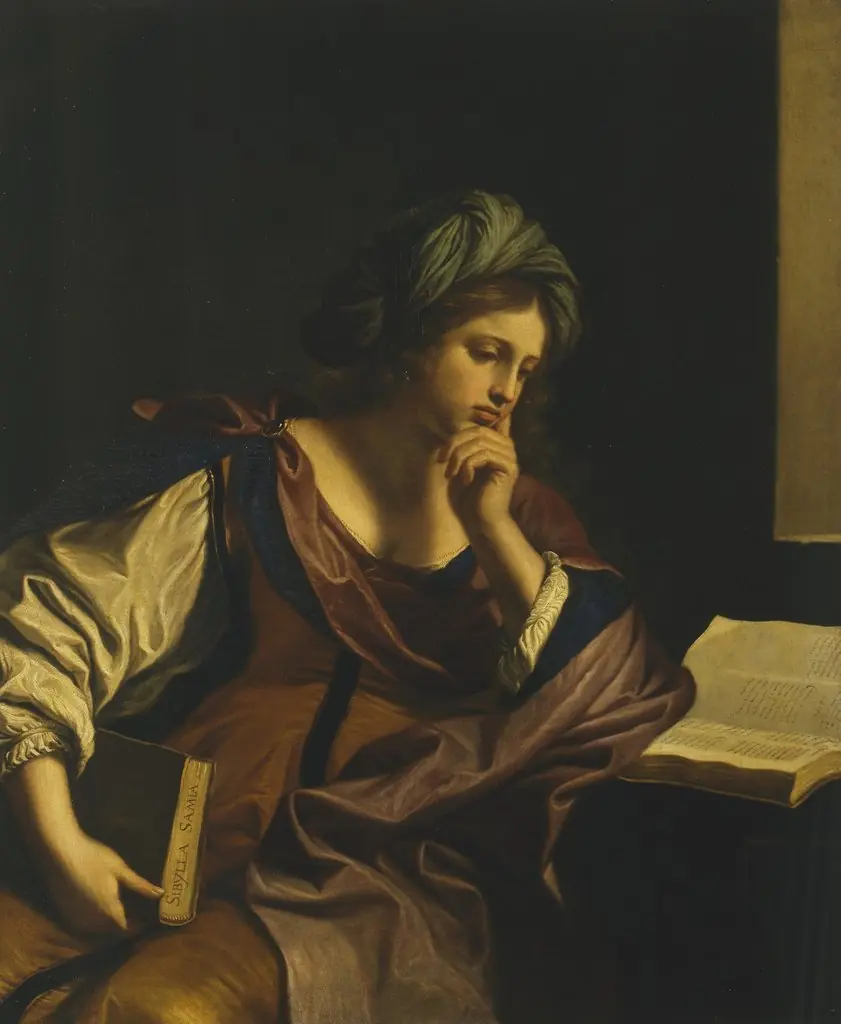
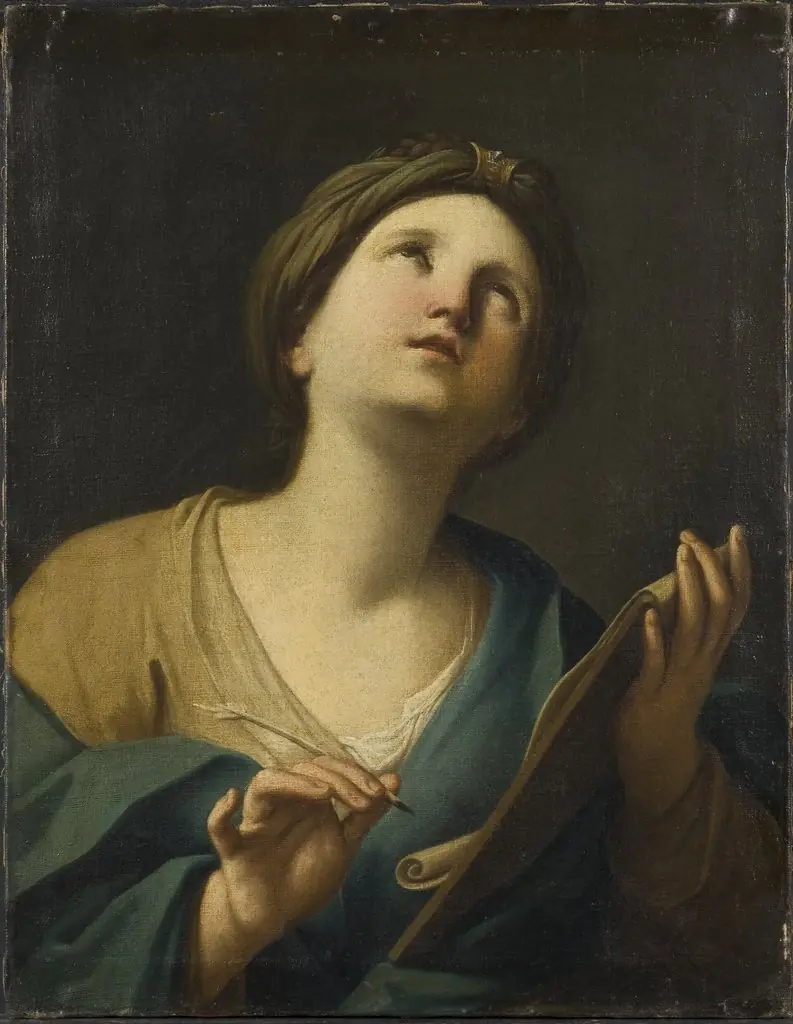
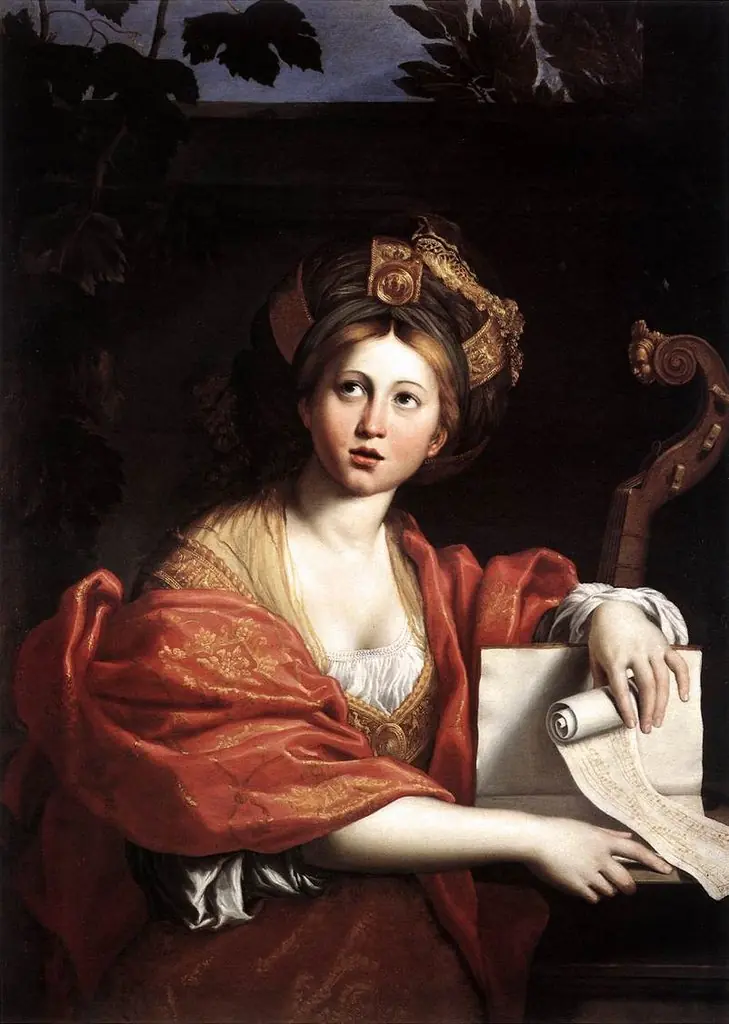
Created in 1616 by the Flemish artist Abraham Janssens I, this oil painting portrays a lone female figure rendered in the early Baroque idiom. The work is part of the Royal Museum of Fine Arts Antwerp’s collection and exemplifies Janssens’ engagement with mythological subject matter during a period when he was a leading history painter in Flanders.
Subject & Meaning
The central figure is a sibyl, a prophetic woman from classical mythology, presented with attributes that suggest contemplation and foresight. She holds a small mirror, a traditional symbol of revelation, while adjusting her sleeve, an intimate gesture that underscores the personal nature of her visionary role.
Technique & Style
Janssens employs a pronounced chiaroscuro, lighting the sitter’s face from one side to generate strong shadows that model her features and give the composition a three‑dimensional quality. The palette combines a vivid red garment with a pale complexion, and the delicate rendering of the pearl earring and hat brim highlights the artist’s skill in texture and material.
History & Provenance
Active between 1575 and 1632, Janssens was known for large religious and mythological canvases that bore the influence of Caravaggio before Rubens’ return from Italy reshaped Flemish painting. The Sibyl remained in private hands until it entered the Royal Museum of Fine Arts Antwerp, where it continues to be displayed as a representative example of early Baroque Flemish art.
Artist & collection
Artist
Abraham Janssens I, Abraham Janssen I or Abraham Janssens van Nuyssen (1575–1632) was a Flemish painter, who is known principally for his large religious and mythological works, which show the influence of Caravaggio.