Artwork
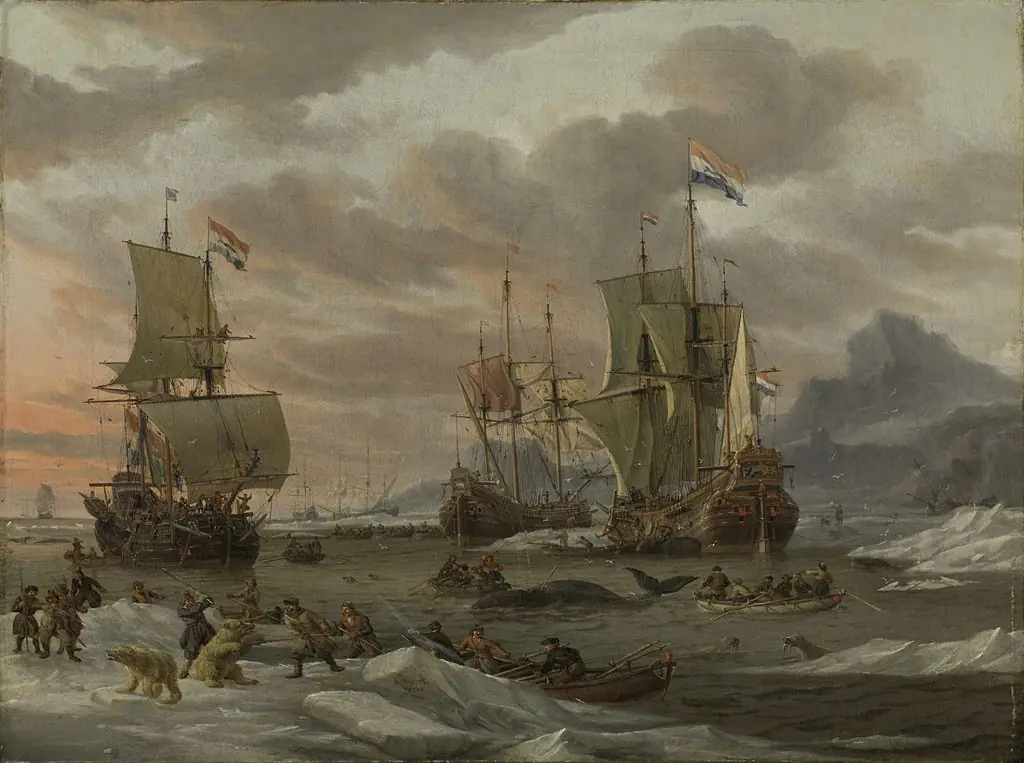
Walvisvangst in de Poolzee
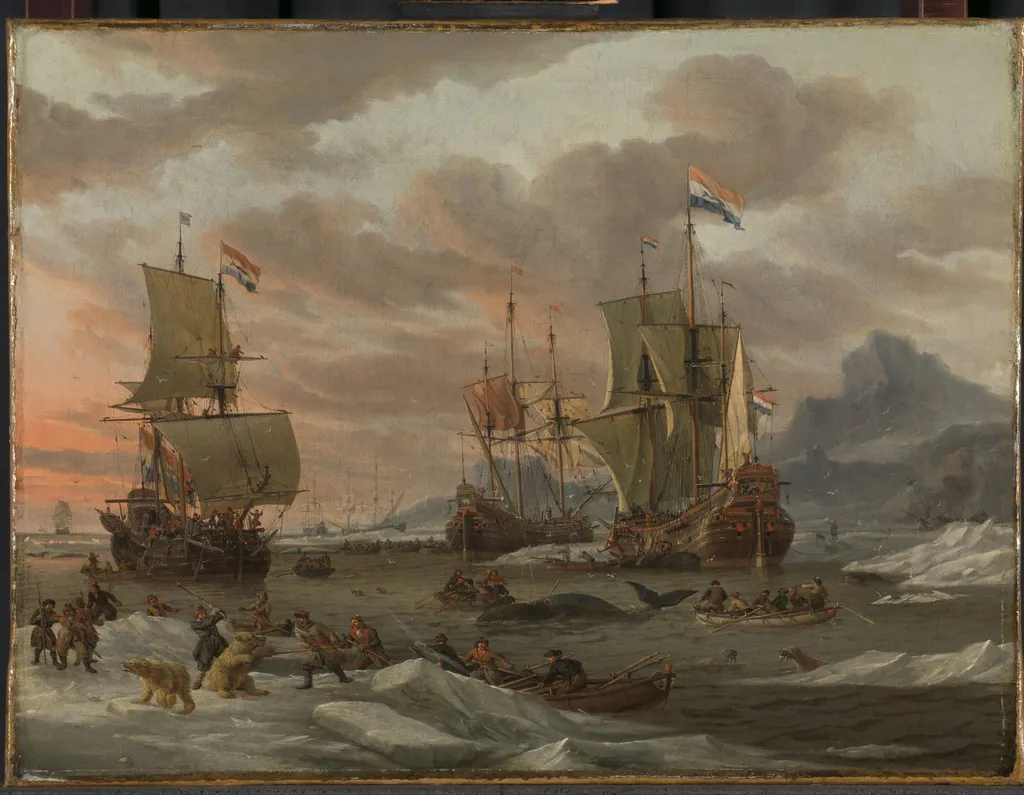
Walvisvangst in de Poolzee is an unspecified painting by the Dutch Golden Age artist Abraham Storck. It dates from 1681 and is held in the collection of the Rijksmuseum.
About this work
Overview
Walvisvangst in de Poolzee depicts a perilous Arctic scene of 17th-century Dutch whalers amidst ice, wildlife, and the hazards of their trade. The painting showcases the perils faced by Dutch whalers in the Arctic during the 17th century, highlighting their dangerous pursuit of valuable whale products.
Subject & Meaning
The painting illustrates the perils of 17th-century Dutch whaling in the Arctic. The crew's dual struggle—hunting whales while fending off polar bears—underscores the risks of this lucrative but treacherous industry, driven by Europe's high demand for train oil.
Technique & Style
Compositionally, the scene is characterized by small wooden ships set against a vast, pale Arctic sky, with figures of sailors in red coats poised for action. The overall effect suggests a realistic, dynamic portrayal of a moment in time, akin to a snapshot of danger and survival.
History & Provenance
The artist of Walvisvangst in de Poolzee remains anonymous, as the work is unsigned. Despite this, the painting is recognized for its vivid depiction of historical whaling practices, now part of a broader collection of maritime art, such as those found at the Rijksmuseum.
Context
The painting reflects the economic realities of 17th-century Europe, where train oil (derived from whales, walruses, and seals) was highly valued for producing candles, soap, lubricants, and lamp oil, driving the demand for whaling expeditions.
Legacy
Walvisvangst in de Poolzee contributes to the historical record of Dutch whaling activities and the broader maritime art tradition. Its realistic portrayal of a bygone era's dangers and industry continues to educate and engage viewers.
Artist & collection
Artist
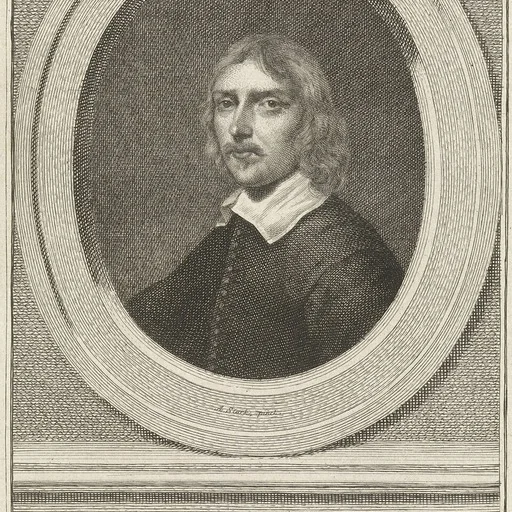
Abraham Storck (or Sturckenburch; bapt. 17 April 1644 in Amsterdam – buried 8 April 1708) was a Dutch painter and draughtsman, who was known for his marine paintings, topographical views, Italianate harbour scenes and…

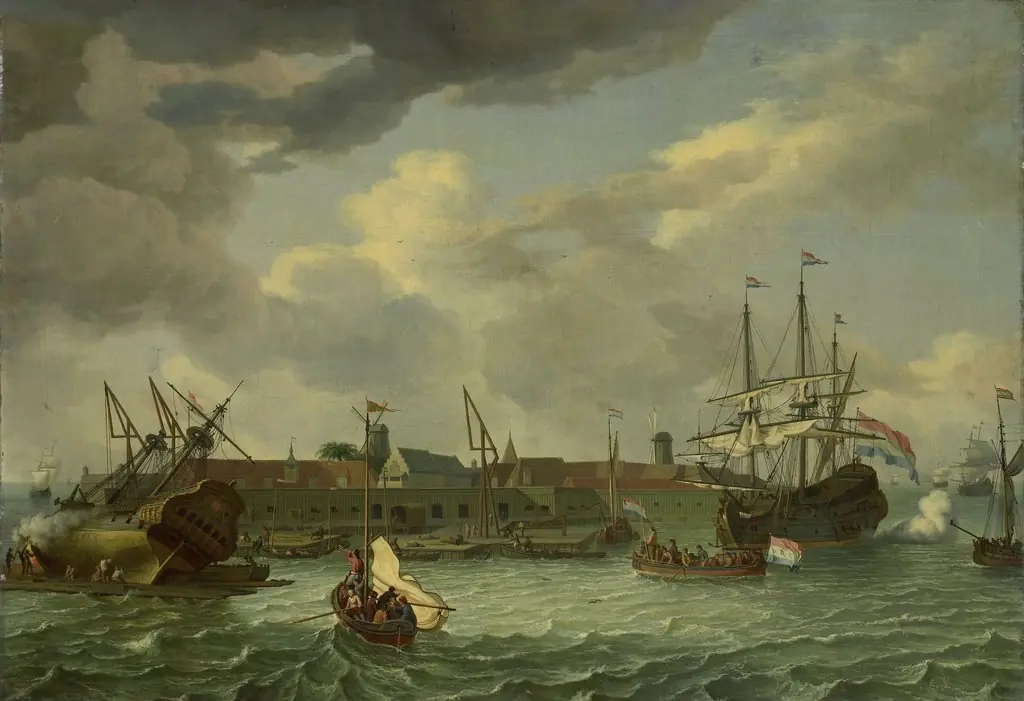 Onrust Island near Batavia
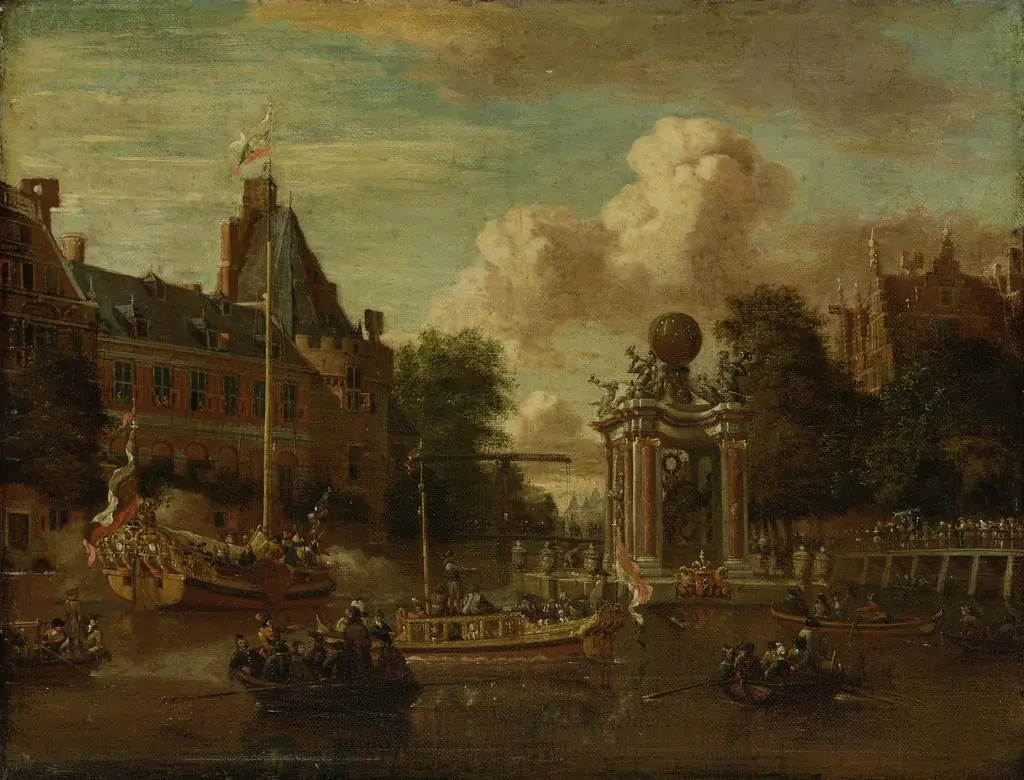 The arrival of the Russian embassy in Amsterdam, 29 August 1697
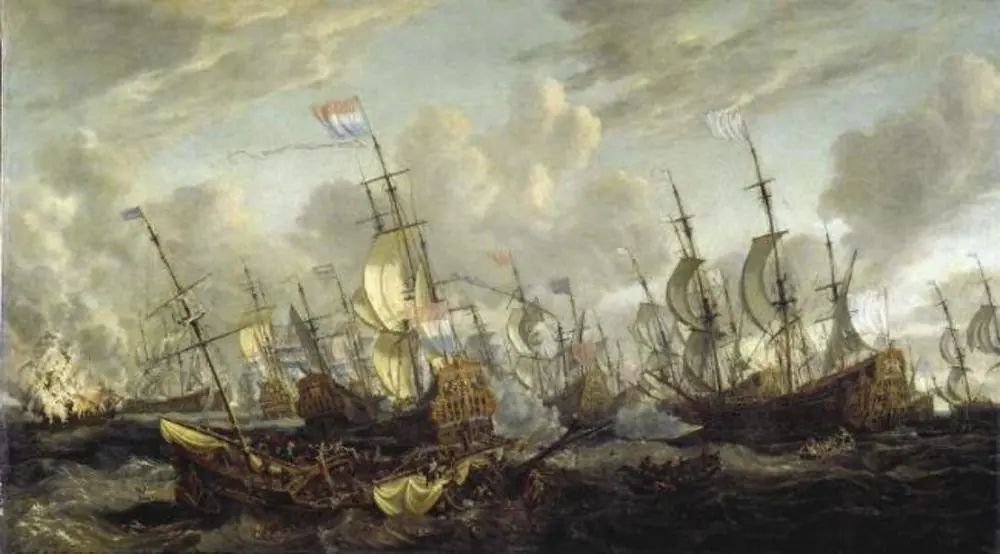 The Four Days' Battle, 1-4 June 1666
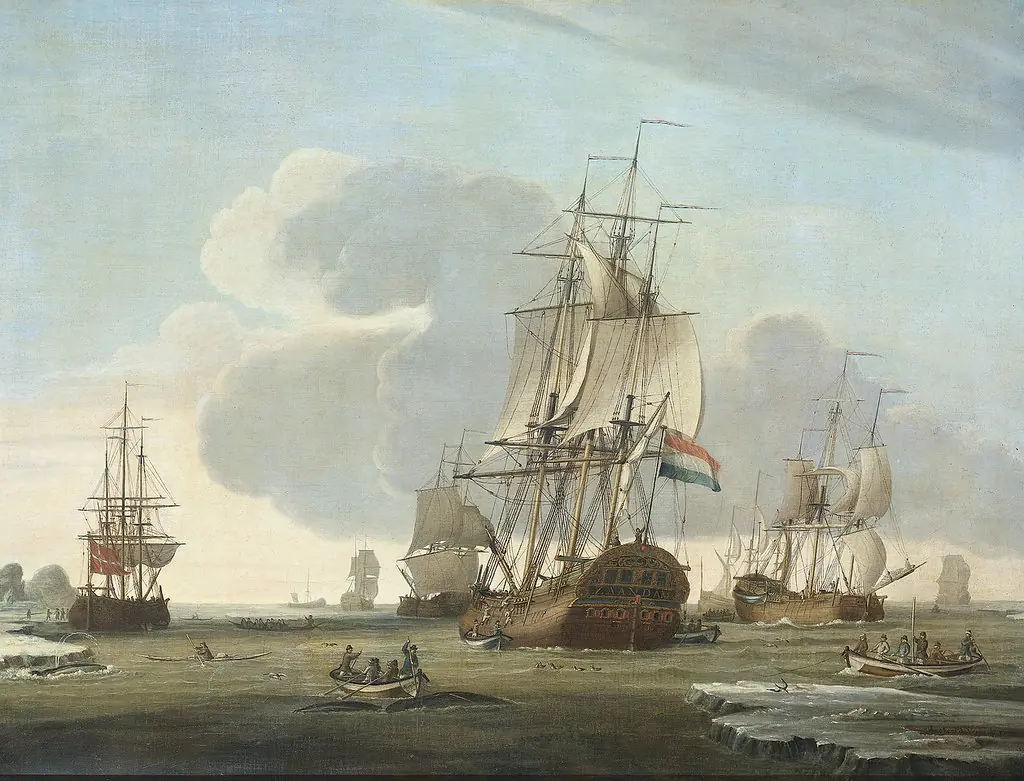
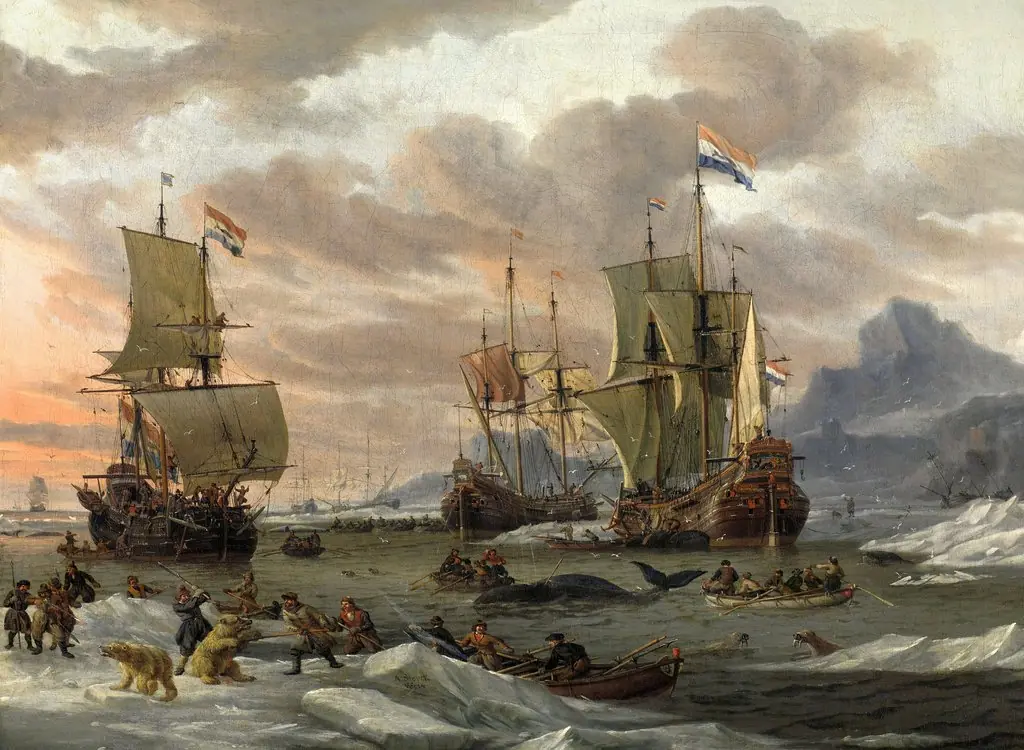 Whaling Grounds in the Arctic Ocean
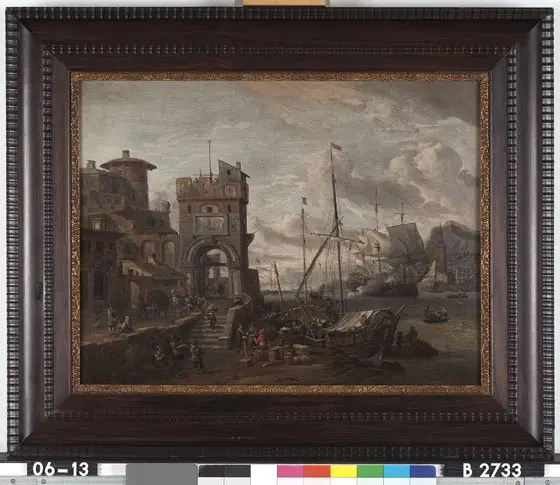 An Italian harbor
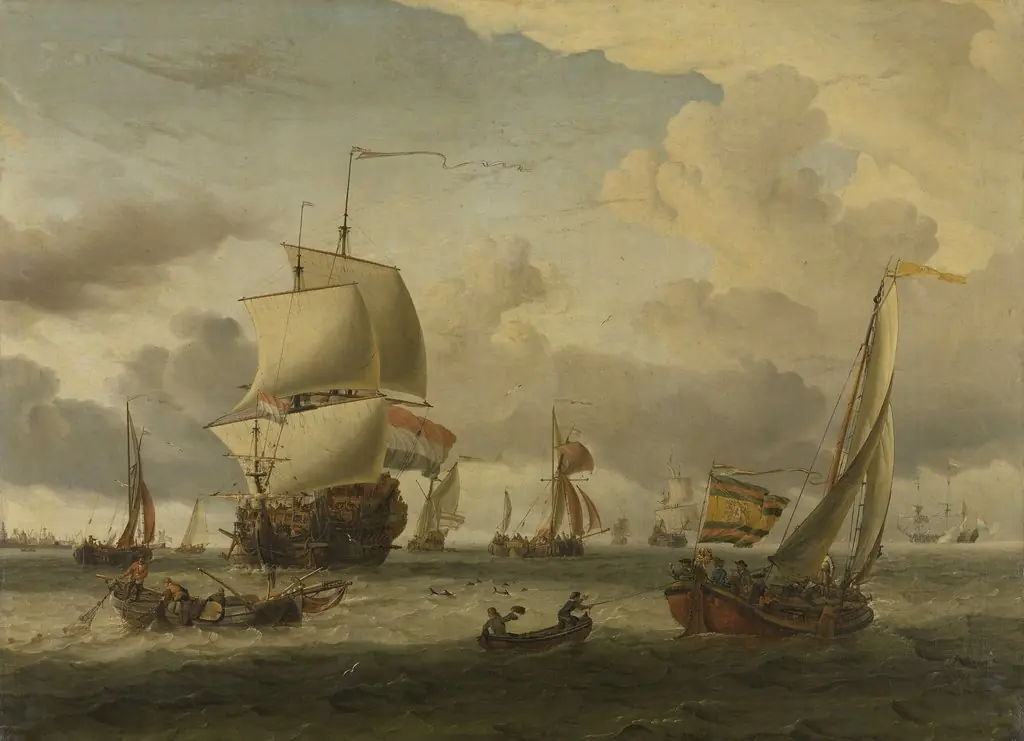 The roads of Enkhuizen
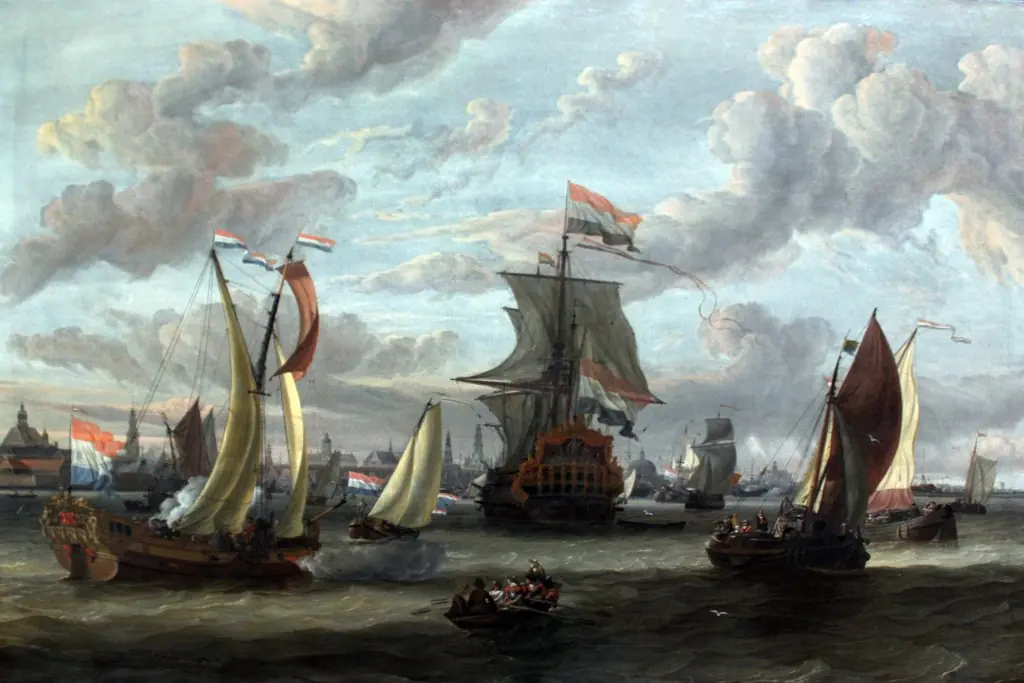 View of Amsterdam with the IJ
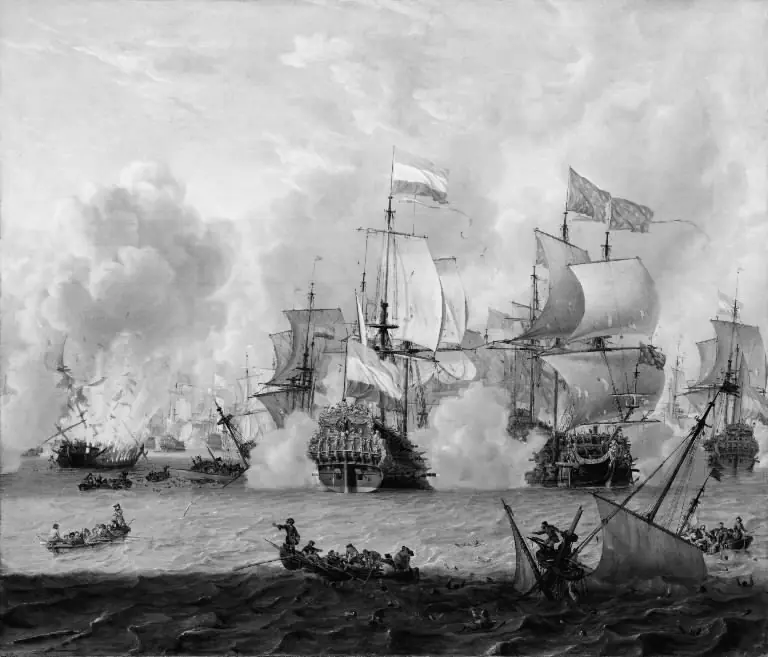 Encounter between the English and the Dutch Fleets at La Hogue 29th May 1692