Artwork
An American car
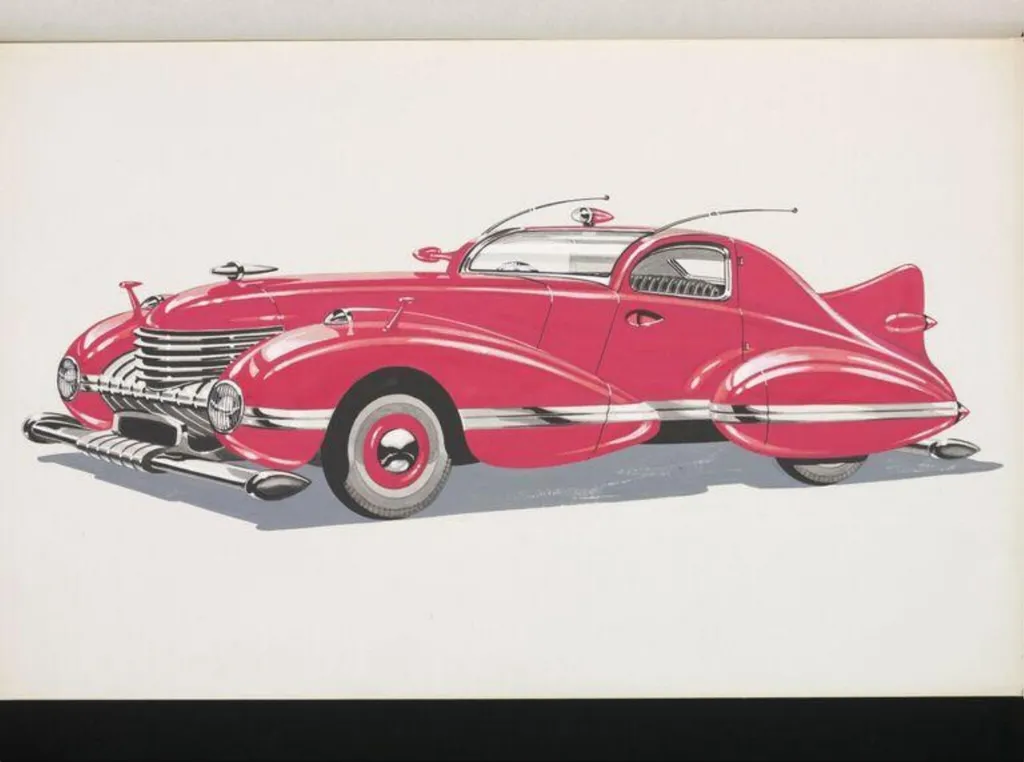
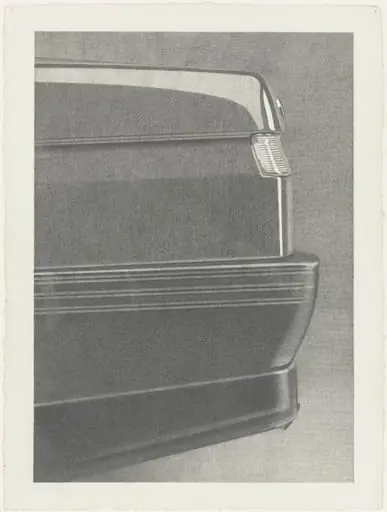
An American car is a drawing by Wilfrid R. Addey. It dates from 1944 and is held in the collection of the Victoria and Albert Museum. This gouache drawing by Wilfrid R.
About this work
Overview
Addey, a commercial illustrator based in London, produced this work during a period of heightened interest in transatlantic consumer culture.
This gouache drawing by Wilfrid R. Addey, created in the 1940s, depicts an American-style automobile rendered with bold, stylized forms. Addey, a commercial illustrator based in London, produced this work during a period of heightened interest in transatlantic consumer culture. The piece exemplifies his commercial practice, blending advertising aesthetics with imaginative visual emphasis to capture the allure of imported American design.
Subject & Meaning
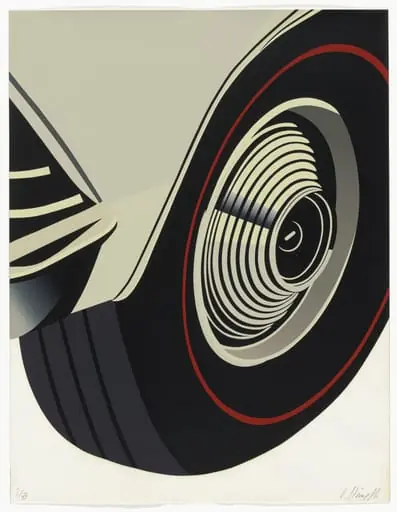
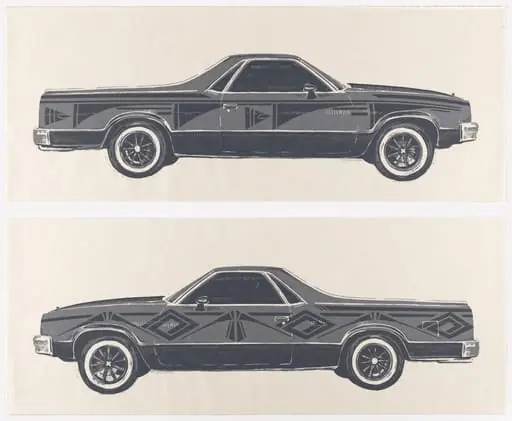
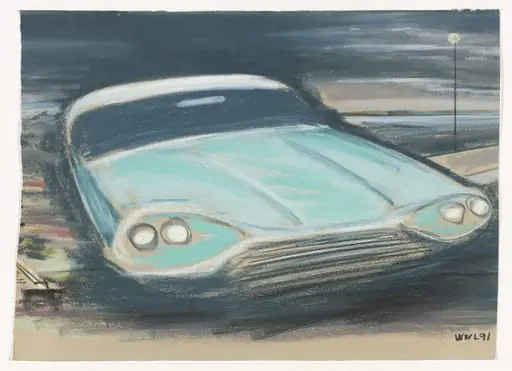
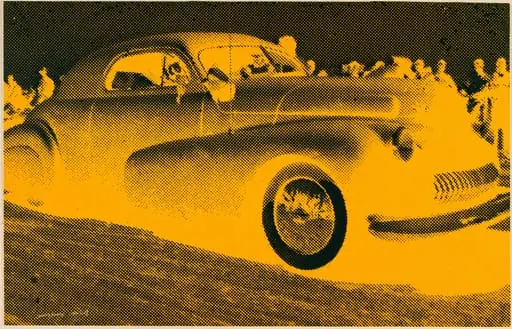
The car, rendered in exaggerated proportions with an oversized grille and prominent headlights, embodies mid-century American automotive ideals. Its placement in the foreground and vivid pink hue elevate it beyond mere transportation, positioning it as a symbol of modernity and foreign fascination. In post-war Britain, such imagery reflected cultural admiration for Hollywood-fueled American lifestyles, where cars stood as icons of freedom and progress.
Technique & Style
Addey employed gouache to achieve opaque, saturated color and crisp edges, typical of commercial illustration of the era. The car’s bright pink surface contrasts sharply with the muted background, drawing immediate attention. The stylized rendering—emphasizing chrome accents and sweeping lines—prioritizes visual impact over realism, aligning with advertising conventions designed to captivate and persuade.
History & Provenance
Created during Addey’s tenure with London advertising agencies such as Dorland and Mitchells, the drawing likely served as a concept or promotional piece. Though its original commission is unrecorded, its style matches advertising materials produced for consumer goods in the late 1940s. The work survives as a rare example of British commercial art responding to American cultural exports during the post-war economic expansion.
Context
In post-war Britain, American films, music, and products permeated popular consciousness, shaping tastes and aspirations. Automobiles, in particular, became symbols of modernity and affluence. Addey’s drawing taps into this fascination, translating American automotive design into a visual language accessible to British audiences. The work reflects how advertising bridged transatlantic cultural flows during a time of rebuilding and renewed consumerism.
Legacy
Addey’s body of work, including this drawing, documents the evolution of British commercial illustration during a transformative era. While not widely exhibited during his lifetime, such pieces now offer insight into how global consumer culture was visually negotiated in mid-century Britain. The drawing remains a quiet testament to the quiet influence of American design on everyday British visual culture.
Artist & collection
Artist
Wilfrid R. Addey made spare, ink-and-watercolor snapshots of mid-century America. His sheet shows a late-1940s pin-up in a purple bikini with a lit cigarette, quick lines catching the pose and the glow of a club lamp.…

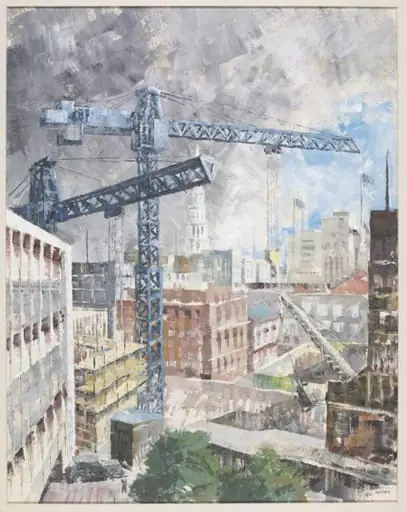 Cranes in a City
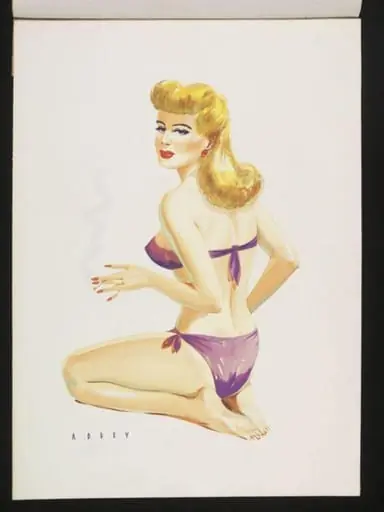 'Pin-up' wearing a purple bikini and smoking a cigarette
 View across a bridge to a modern city
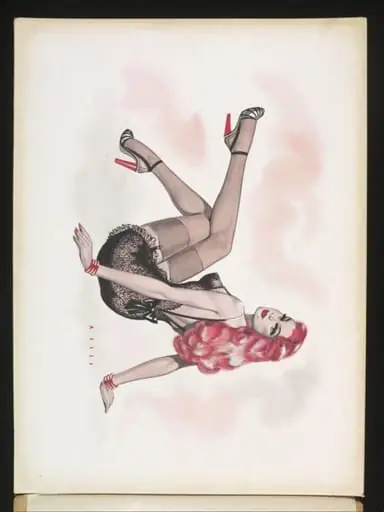 'Pin-up' girl with pink hair wearing a black lace slip
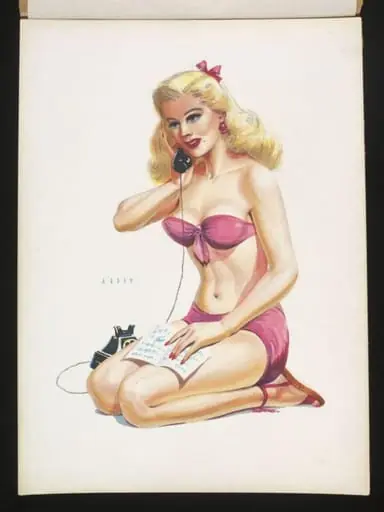 'Pin-up' girl speaking on the telephone with a letter in her hand
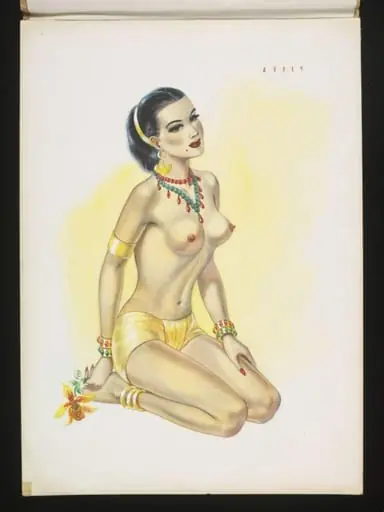 'Pin-up' wearing a loin cloth and jewellery
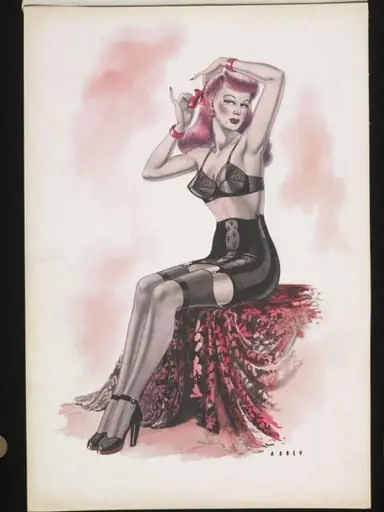 'Pin-up' with pink hair in brassiere, corset and black stockings
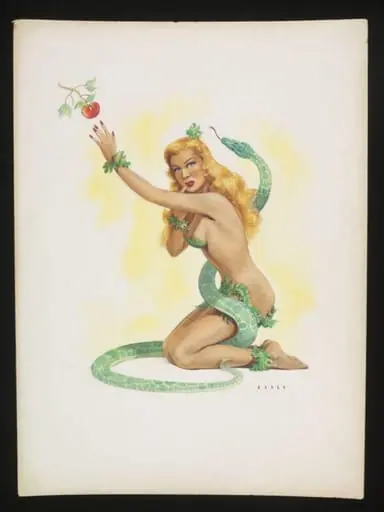 'Pin-up' girl as Eve with the serpent