Artwork
The Shoeing-Smith
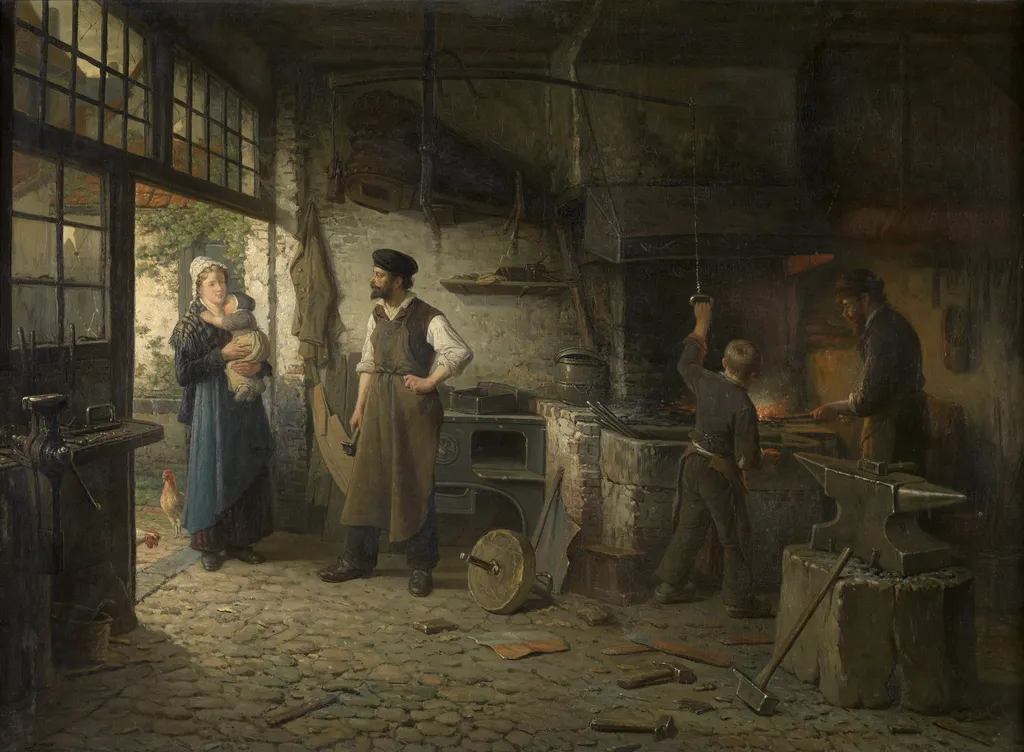
The Shoeing-Smith is an oil painting by the Realist artist Adriaan De Braekeleer. It dates from 1890 and is held in the collection of the Royal Museum of Fine Arts Antwerp.
About this work
Overview
Painted in 1890 by Adriaan De Braekeleer, The Shoeing-Smith is an oil-on-canvas work depicting the interior of a working blacksmith’s forge. It resides in the collection of the Royal Museum of Fine Arts Antwerp. The scene captures a moment of labor within a confined, tool-strewn space, rendered with careful attention to light, texture, and the quiet rhythms of daily work.
Subject & Meaning
The composition avoids drama, instead emphasizing the quiet dignity of routine work, with no clear hero or narrative climax—only the persistence of craft.
The painting portrays two male blacksmiths engaged in the act of shoeing a horse, one holding the hoof, the other striking the nail. To the left, a woman with a child observes from near a window, suggesting domestic life adjacent to industrial labor. The composition avoids drama, instead emphasizing the quiet dignity of routine work, with no clear hero or narrative climax—only the persistence of craft.
Technique & Style
De Braekeleer employs chiaroscuro to model forms and define space, with warm glows from the forge contrasting against shadowed corners. Brushwork is precise in rendering metal, leather, and fabric, yet loose enough to suggest movement and heat. The palette is muted—ochres, browns, and sooty grays—reinforcing the gritty realism of the setting without romanticizing it.
History & Provenance
Created near the end of the 19th century, the painting entered the Royal Museum of Fine Arts Antwerp’s collection shortly after its completion. It reflects the artist’s consistent focus on Flemish working-class life, a theme shared by contemporaries in the region. No significant changes in ownership are documented, and it has remained in public hands since its acquisition by the museum.
Context
In late 19th-century Belgium, industrialization was reshaping rural and urban labor. While many artists turned to modernity or idealized history, De Braekeleer remained attuned to traditional trades still thriving in small workshops. The Shoeing-Smith aligns with regional realist traditions, offering a quiet counterpoint to grand historical or bourgeois subjects popular elsewhere in Europe.
Legacy
The painting endures as a testament to the artist’s commitment to observing ordinary life with restraint and precision. It contributes to a broader Flemish tradition of domestic and occupational realism, influencing later generations interested in the aesthetics of labor. Though not widely exhibited beyond Belgium, it remains a key example of regional 19th-century painting focused on craft and environment.
Own this work as a print
Artist & collection

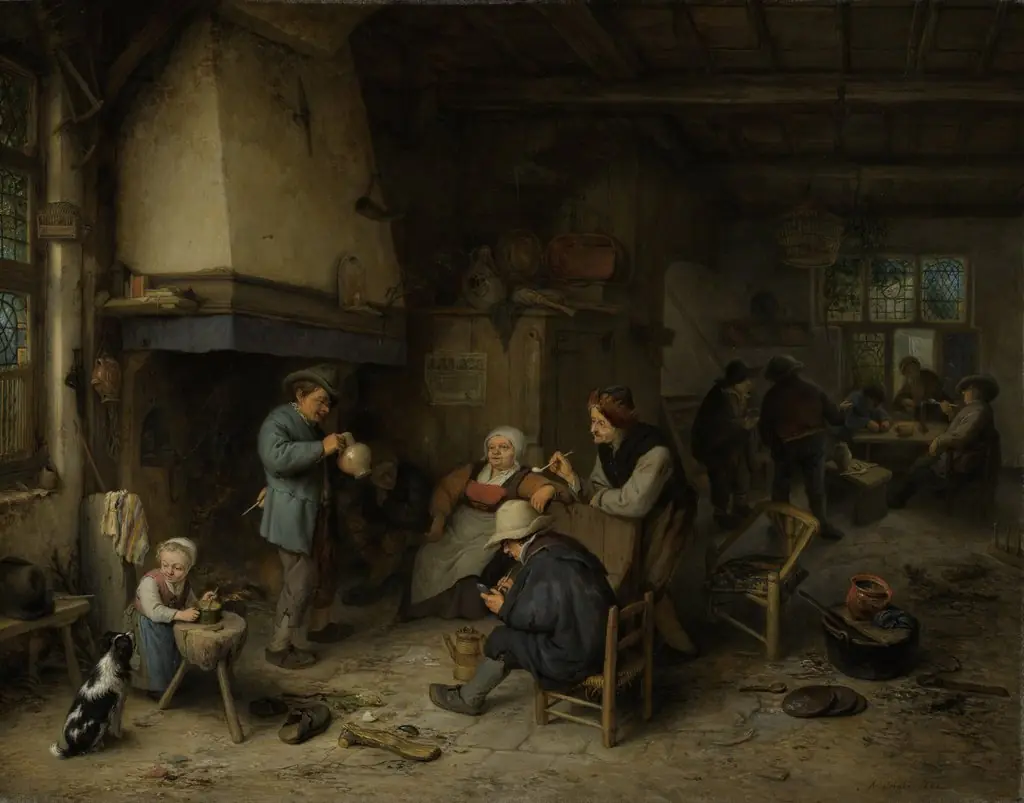 Peasants in an Interior
 Boerengezelschap binnenshuis
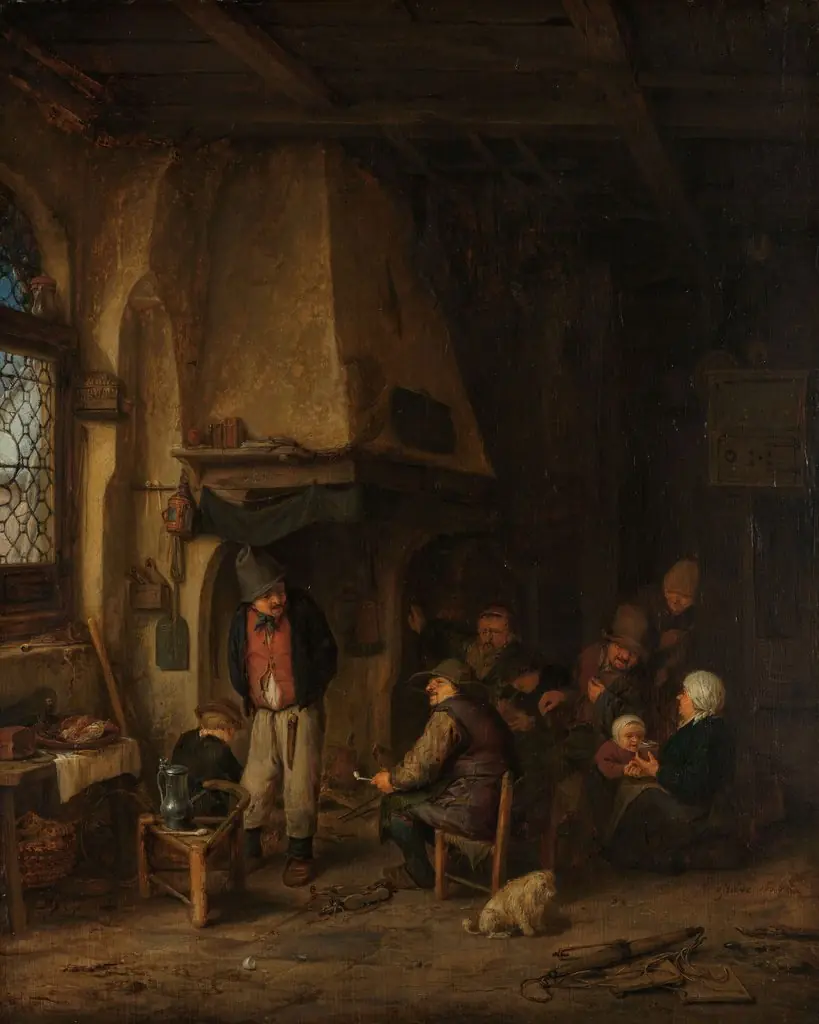 ‘The Skaters’: Peasants in an Interior
 ‘De schaatsenrijders’: boerengezelschap in interieur
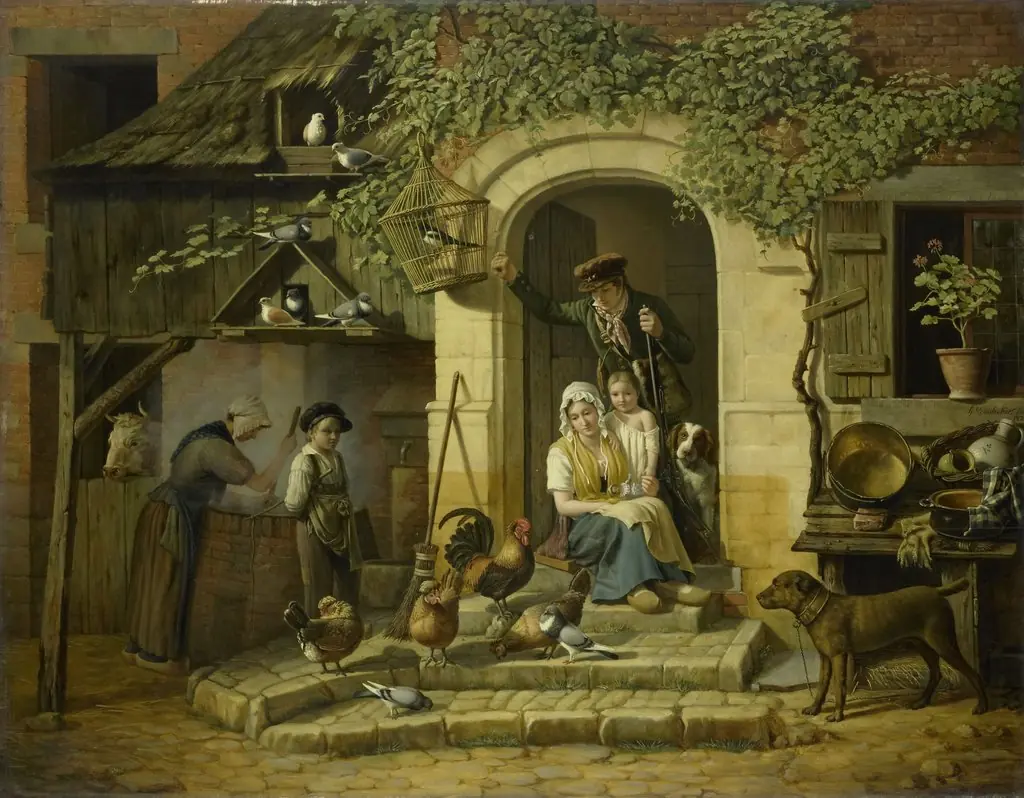 Hunter's Dwelling
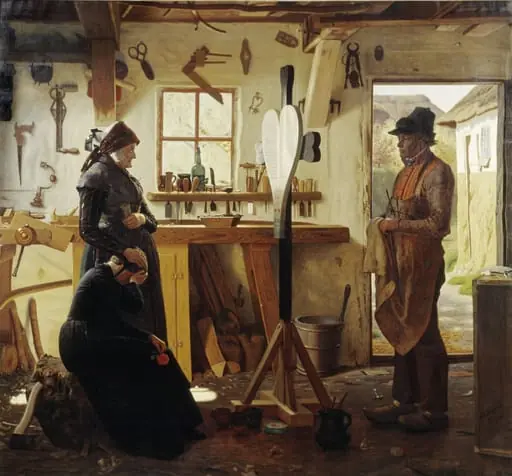 To kvinder besøger landsbykunstneren for at se det bestilte gravkors
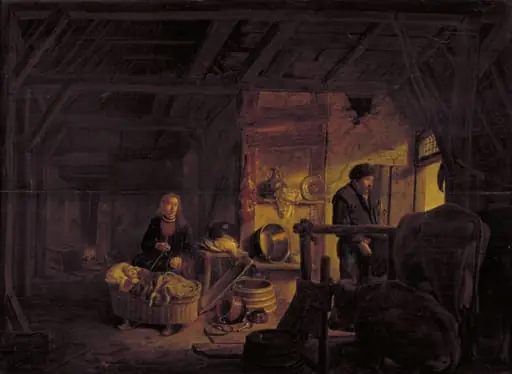 Interior of a Cottage
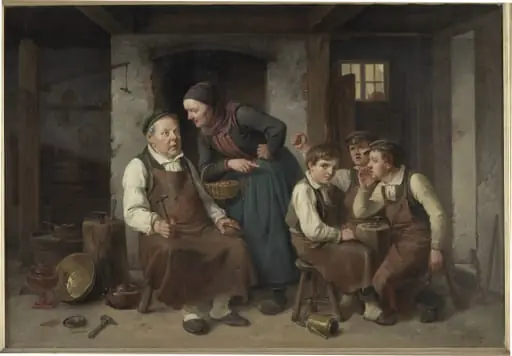 I en kobbersmeds værksted
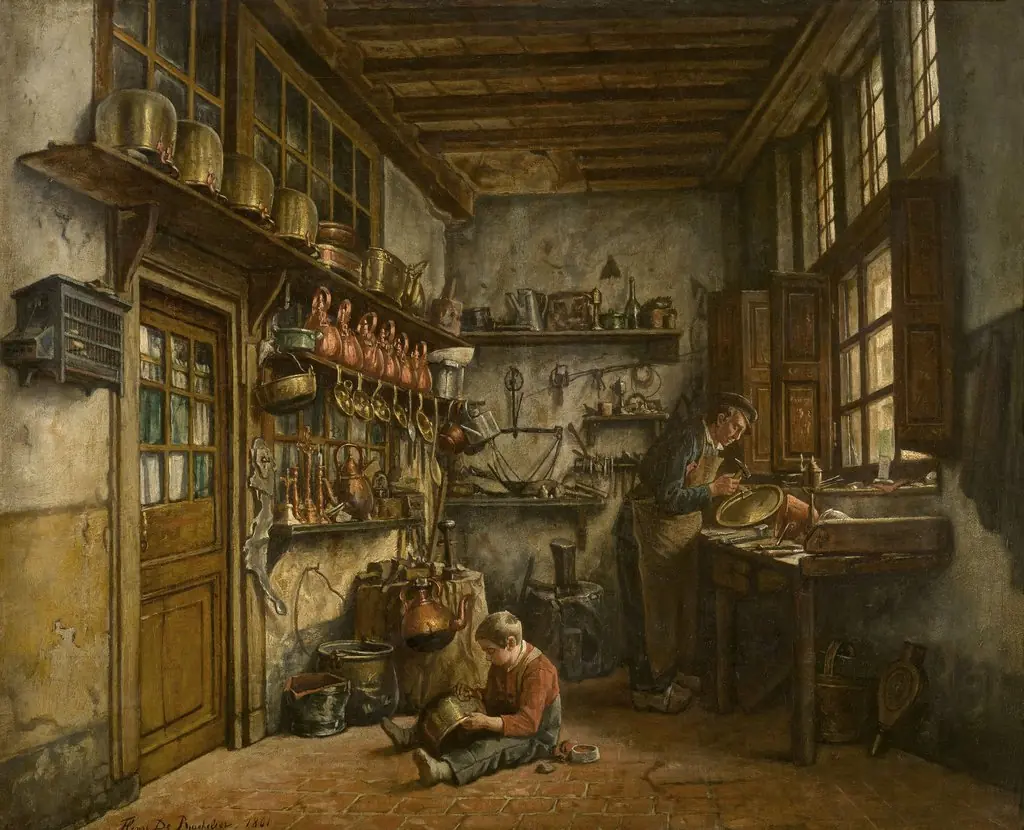 The Tinker
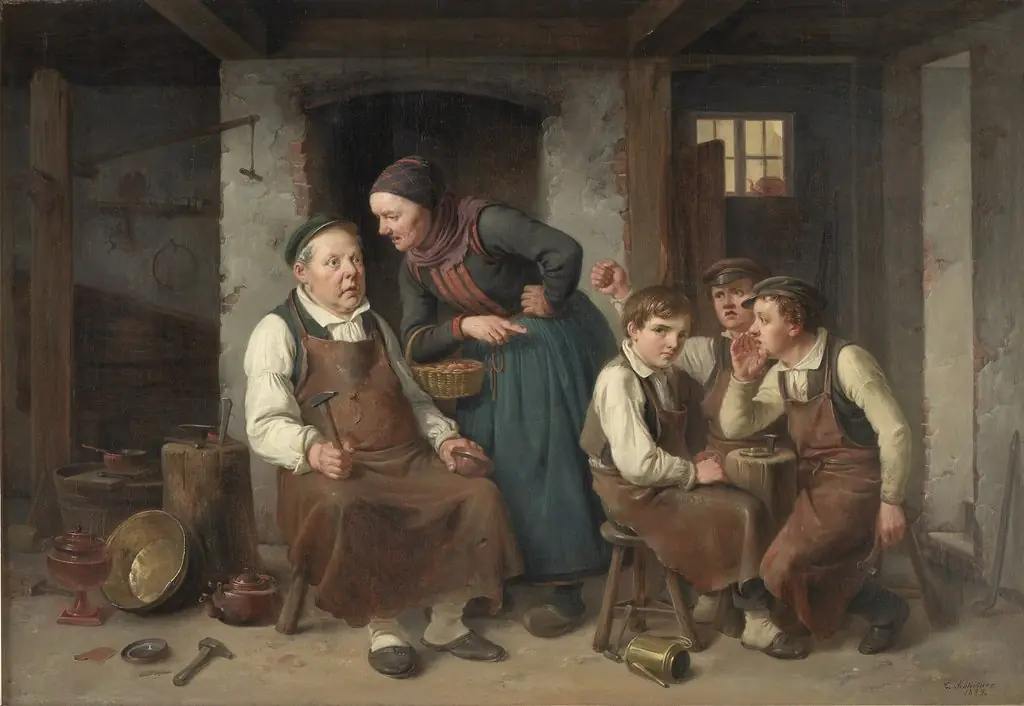 At a Coppersmith’s Workshop