Artwork
Self portrait
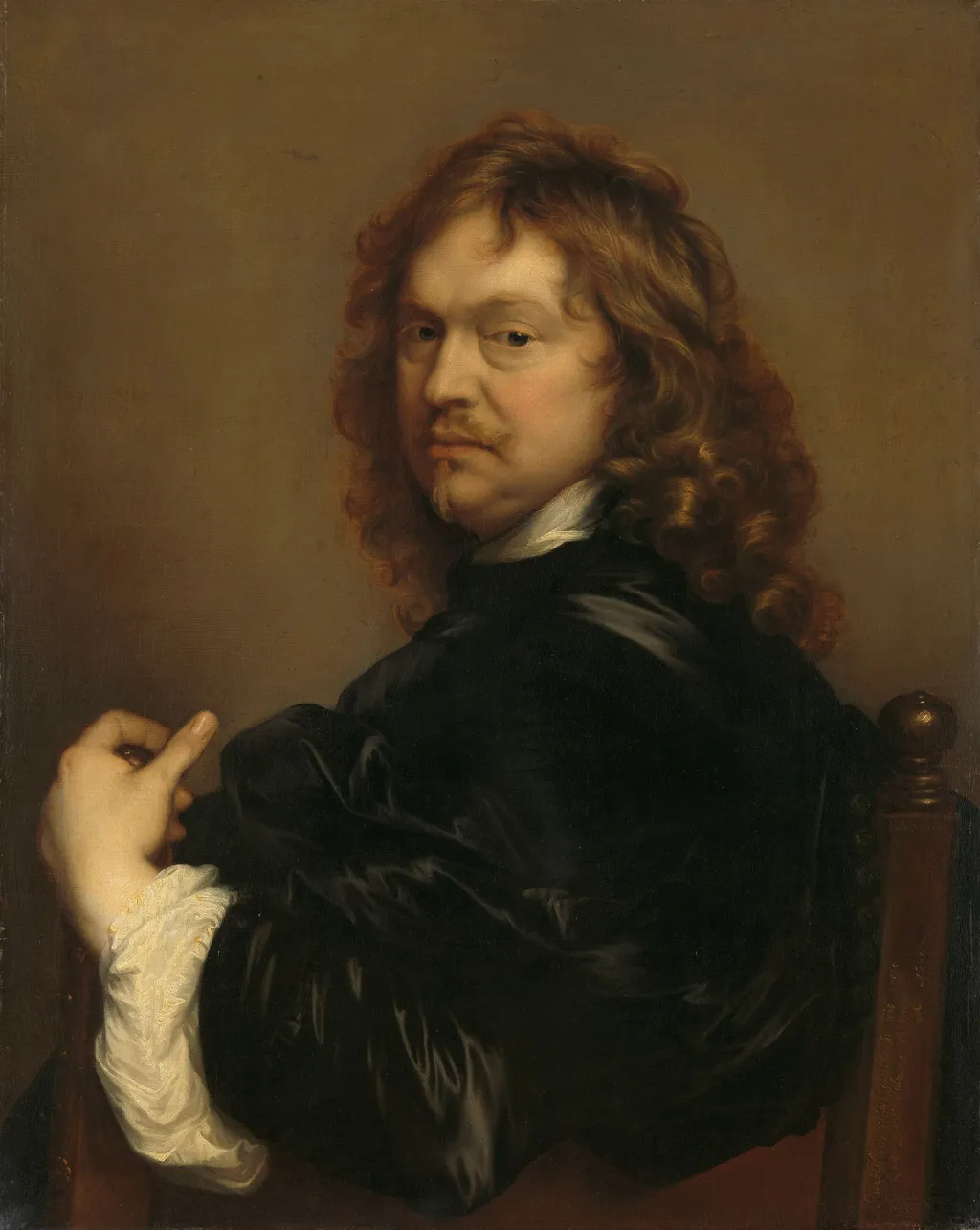
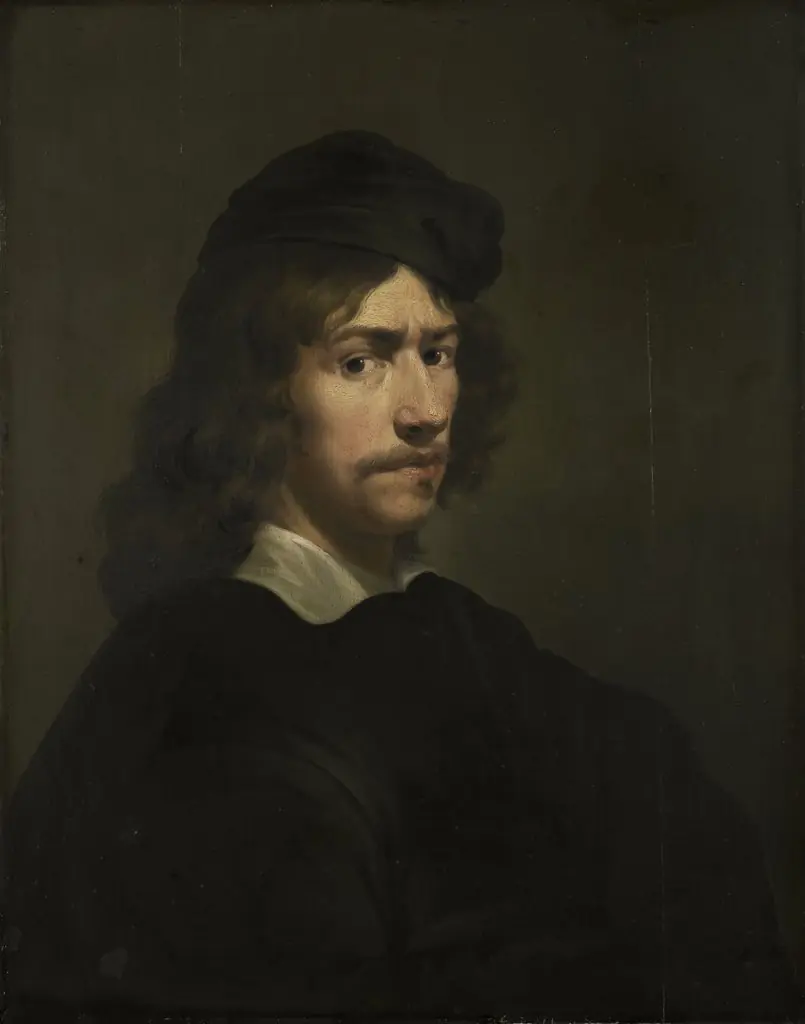
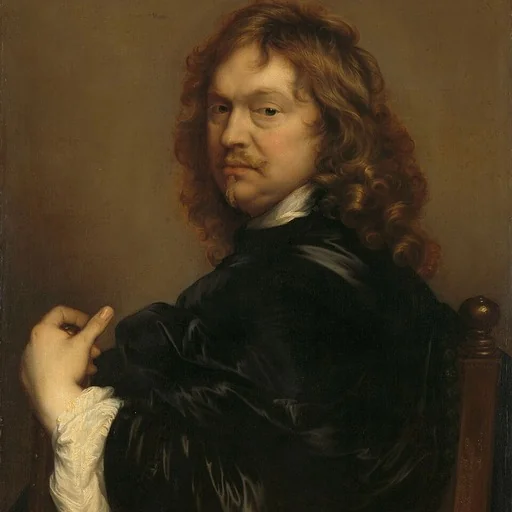
Self portrait is an oil painting by the Dutch Golden Age artist Adriaen Hanneman. It dates from 1656 and is held in the collection of the Rijksmuseum.
About this work
Overview
This oil on canvas self‑portrait was painted in 1656 by the Dutch artist Adriaen Hanneman. The work shows the painter seated, his gaze meeting the viewer, set against a uniform brown backdrop. It is part of the Rijksmuseum’s collection and exemplifies the portraiture typical of the Dutch Golden Age.
Subject & Meaning
The figure is Hanneman himself, rendered with long, loosely curled hair and a neatly trimmed mustache. Dressed in a black jacket over a white shirt, he rests his right arm on a chair, conveying a calm, introspective demeanor. The direct eye contact and restrained expression suggest a measured confidence in his artistic identity.
Technique & Style
Executed in oil, the portrait displays a smooth handling of flesh tones and a subtle modelling of light on the fabric. The limited palette—dark clothing against a muted brown field—focuses attention on the sitter’s face. Hanneman’s approach reflects the influence of Anthony van Dyck, particularly in the elegant pose and refined brushwork.
History & Provenance
Adriaen Hanneman, active in the mid‑17th century, was known for portraits of the exiled British court. This self‑portrait, created during his mature period, entered the Rijksmuseum’s holdings at an unspecified date and remains catalogued as a representative example of his oeuvre within the Dutch Golden Age tradition.
Own this work as a print
Artist & collection
Artist
Adriaen Hanneman (c. 1603 – buried 11 July 1671) was a Dutch Golden Age painter best known for his portraits of the exiled British royal court. His style was strongly influenced by his contemporary, Anthony van Dyck.