Artwork
Hilly landscape with high road
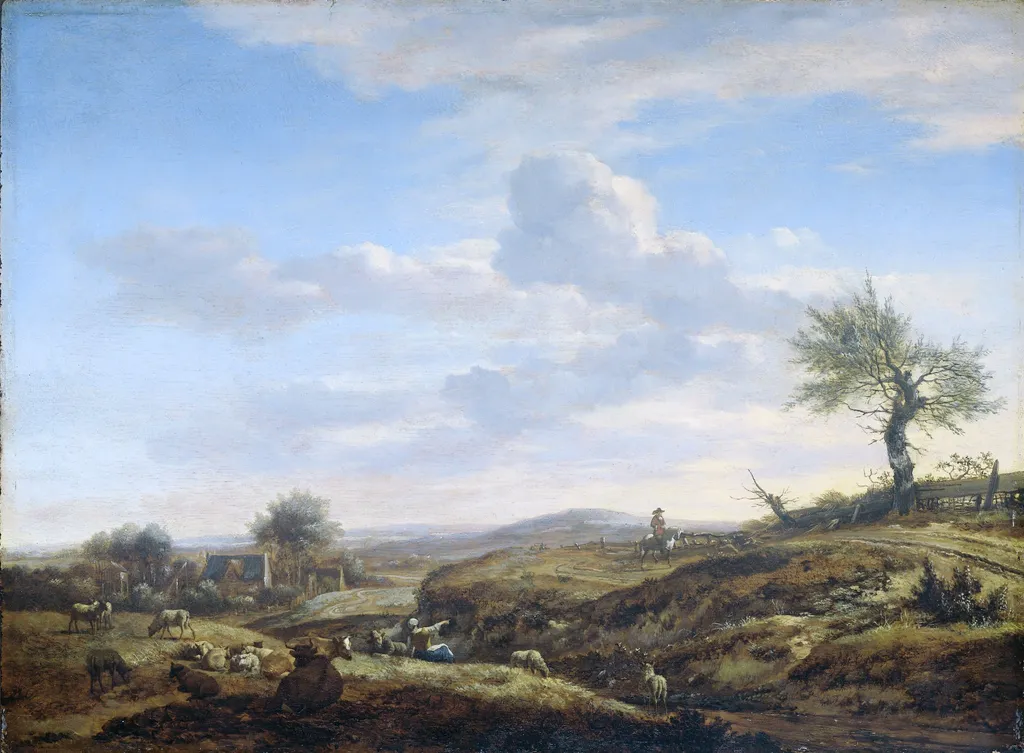
Hilly landscape with high road is an oil painting by the Dutch Golden Age artist Adriaen van de Velde. It dates from 1666 and is held in the collection of the Rijksmuseum.
About this work
Overview
The artist's handling of light creates a harmonious balance between the earthy tones of the terrain and the luminous sky, enhancing the sense of tranquility.
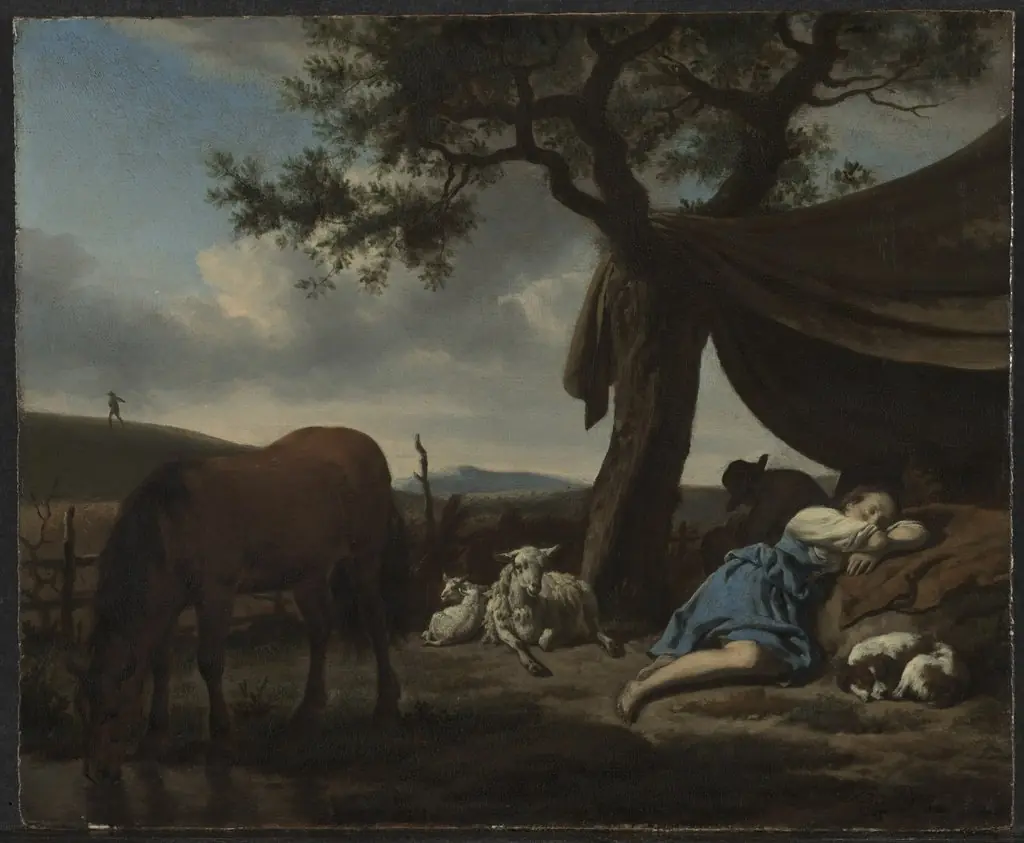
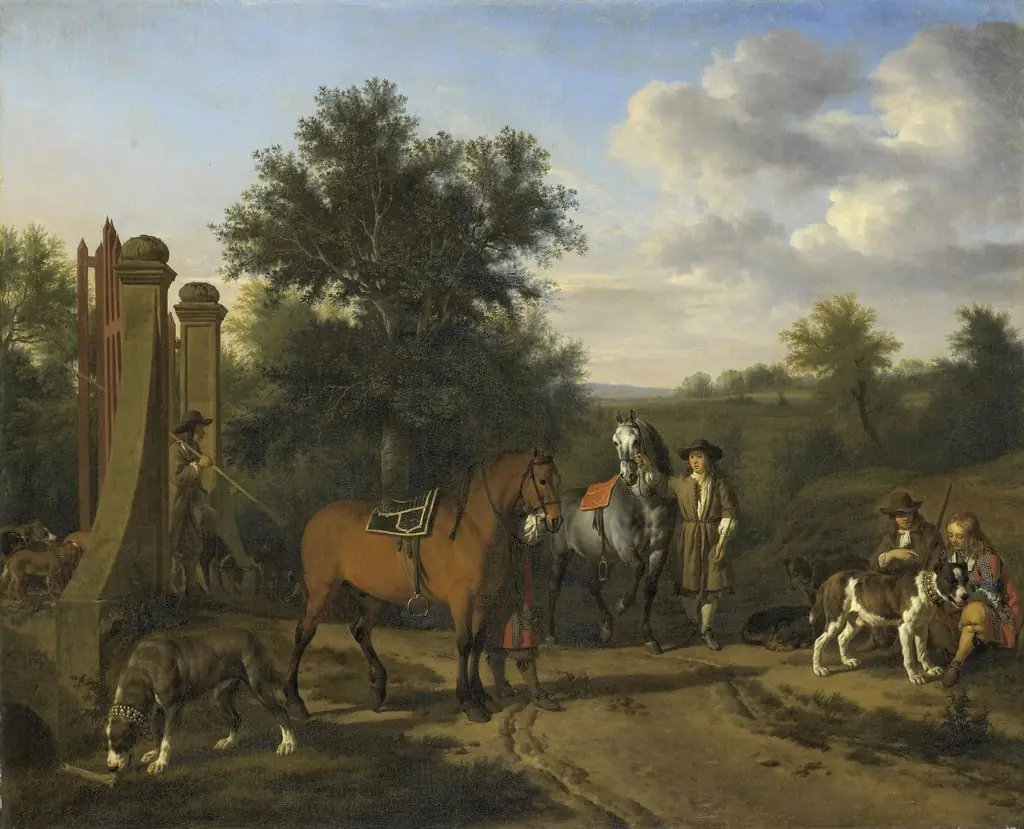
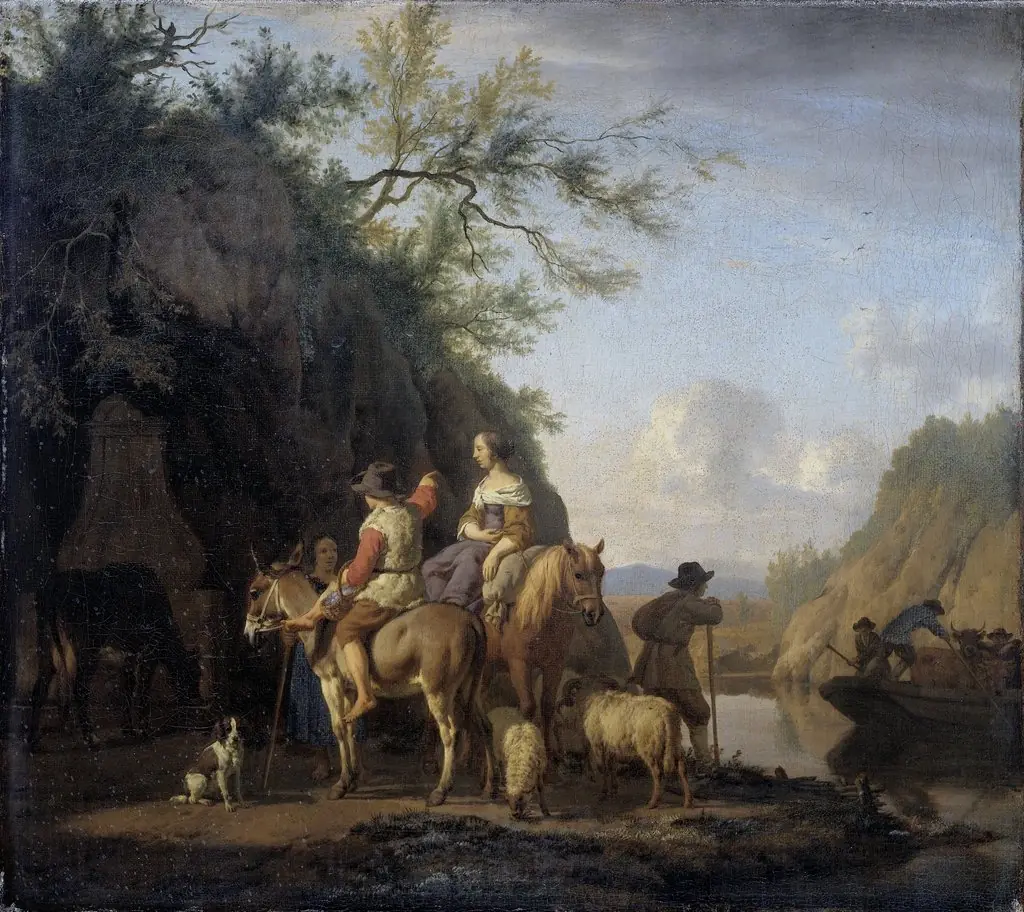
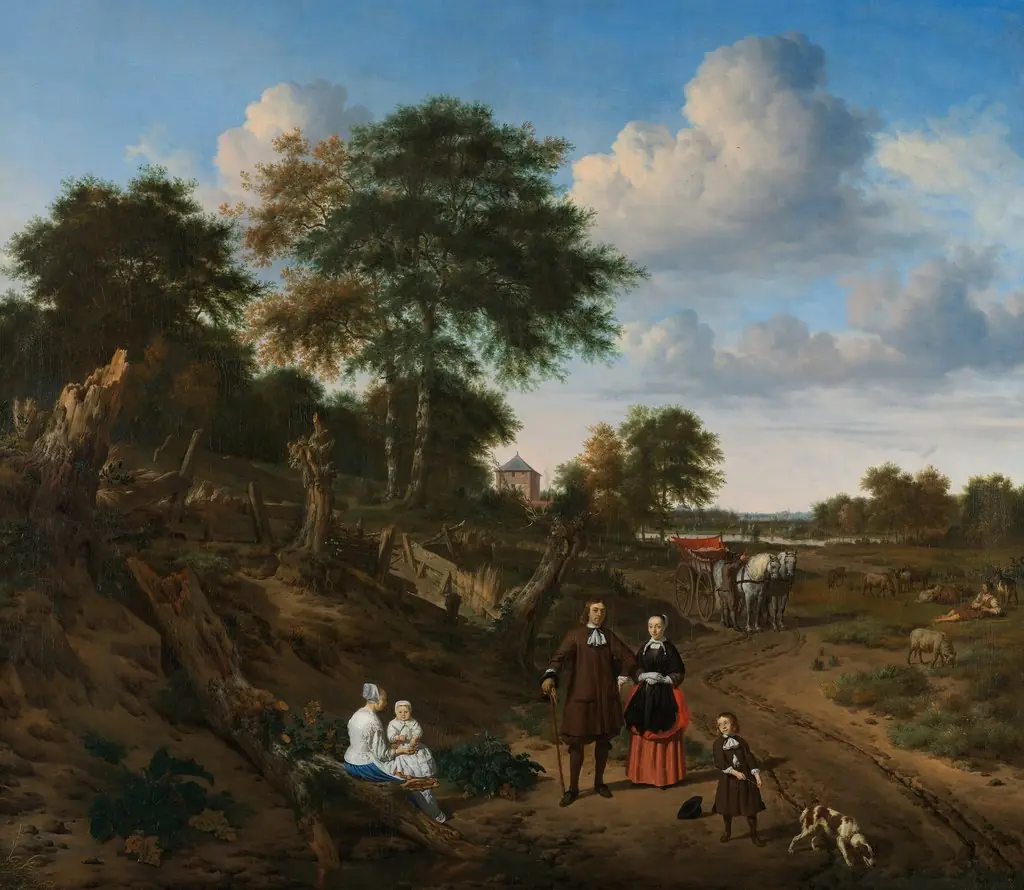
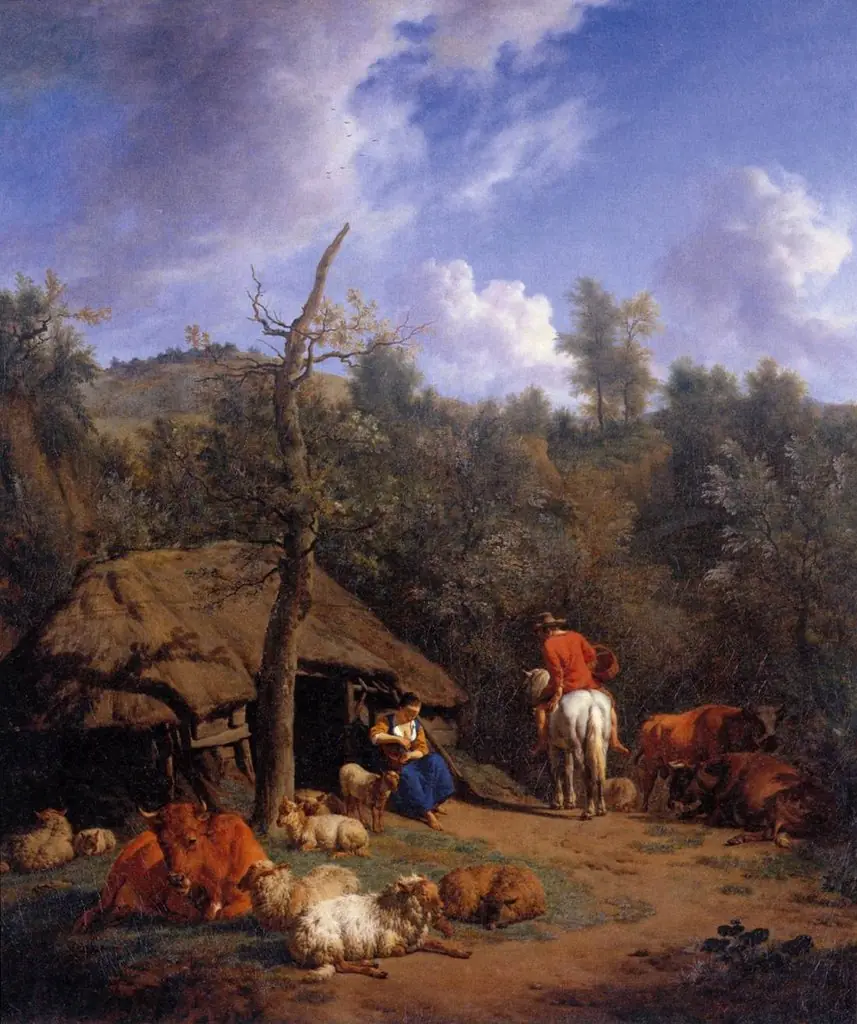
Hilly landscape with high road, painted by Adriaen van de Velde in 1666, is a quintessential example of Dutch Golden Age landscape painting. The composition features a winding dirt road that ascends through rolling hills, guiding the viewer's eye across the scene. A shepherd leads a flock of sheep along this path, while a solitary horse stands near a modest dwelling in the middle distance. Van de Velde employs a bright, expansive sky filled with soft, billowing clouds to dominate the upper portion of the canvas, a characteristic technique that emphasizes the atmospheric depth and light typical of his mature style. The artist's handling of light creates a harmonious balance between the earthy tones of the terrain and the luminous sky, enhancing the sense of tranquility. Created during the height of van de Velde's career, this work demonstrates his mastery in integrating animal figures into pastoral settings, a skill that distinguished him among his contemporaries. The painting reflects the 17th-century Dutch interest in depicting the natural beauty of the countryside with meticulous detail and a serene, observational approach.
Subject & Meaning
The work captures an everyday moment of pastoral life, emphasizing the harmonious relationship between humans, animals, and the landscape. The shepherd’s calm guidance of the flock suggests a sense of order and stewardship, while the isolated house and horse convey solitude within the broader countryside, inviting contemplation of rural simplicity.
Technique & Style
Van de Velde employs a restrained palette of muted earth tones, allowing the atmospheric light to model the hills and clouds with subtle gradations. Thin glazes build depth, creating a three‑dimensional illusion of space. The delicate handling of foliage and the soft rendering of the sky reflect the Dutch Golden Age’s attention to naturalistic detail and tonal harmony.
History & Provenance
Created in 1666, the painting entered the collection of the Rijksmuseum in Amsterdam, where it remains on display. Its acquisition reflects the museum’s focus on Dutch 17th‑century art, preserving van de Velde’s contribution to landscape painting within a national context.
Context
During the mid‑1600s, Dutch artists increasingly turned to bucolic subjects, portraying the countryside as a symbol of national prosperity and order. Van de Velde, known for his skill in both figure and landscape, combined genre elements—such as the shepherd and livestock—with a serene topography, aligning his work with contemporary trends in pastoral representation.
Own this work as a print
Artist & collection

Artist
Adriaen van de Velde, was a Dutch painter, draughtsman, and print artist. His favorite subjects were landscapes with animals and genre scenes. He also painted beaches, dunes, forests, winter scenes, portraits in…