Artwork
Assumption of Mary
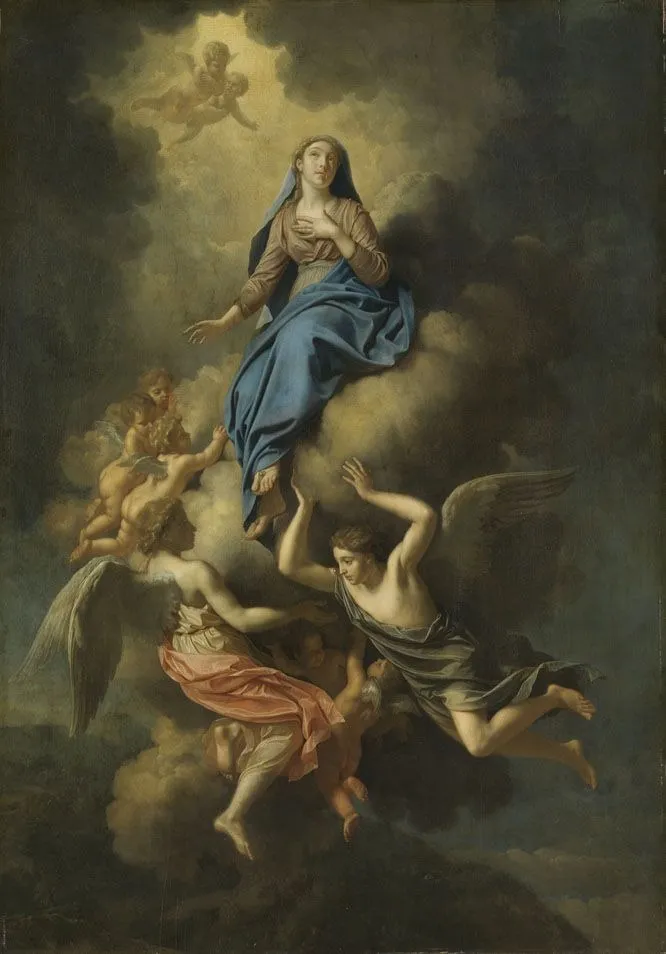
Assumption of Mary is an oil painting by the Rococo painting artist Adriaen van der Werff. It dates from 1714 and is held in the collection of the Bavarian State Painting Collections.
About this work
Overview
Adriaen van der Werff, a Dutch artist active in the early eighteenth century, completed the oil painting *Assumption of Mary* in 1714. The work exemplifies the Rococo style that was then spreading across Europe, and it is presently part of the Alte Pinakothek’s collection in Munich.
Subject & Meaning
The composition portrays the Virgin Mary ascending to heaven, a central theme in Catholic devotion. She hovers above a billowing sky, clothed in a flowing blue mantle and a brown cloak, while a host of angels surrounds her, some playing instruments and others gazing upward, emphasizing the celestial celebration of her assumption.
Technique & Style
Van der Werff employs a dramatic chiaroscuro, allowing a luminous highlight to illuminate Mary’s face against surrounding shadows. The contrast between the dark, turbulent clouds and the faint golden glow behind her creates depth and directs the viewer’s focus to the central figure, a hallmark of Rococo’s elegant yet theatrical visual language.
History & Provenance
After its creation, the painting entered the collection of the Alte Pinakothek, where it remains on display. Van der Werff’s career included commissions for the Medici family, and he often worked alongside his brother Pieter, who served as his apprentice and assistant.
Context
The work reflects the period’s interest in combining devotional subjects with the decorative flair of Rococo. By integrating musical angels and a dynamic sky, van der Werff aligns the sacred narrative with contemporary tastes for movement, lightness, and emotional resonance.
Artist & collection
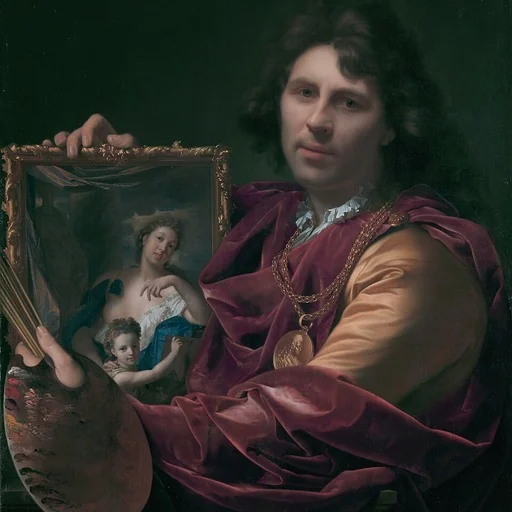
Artist
Adriaen van der Werff (21 January 1659 – 12 November 1722) was a Dutch painter of portraits and erotic, devotional and mythological scenes.

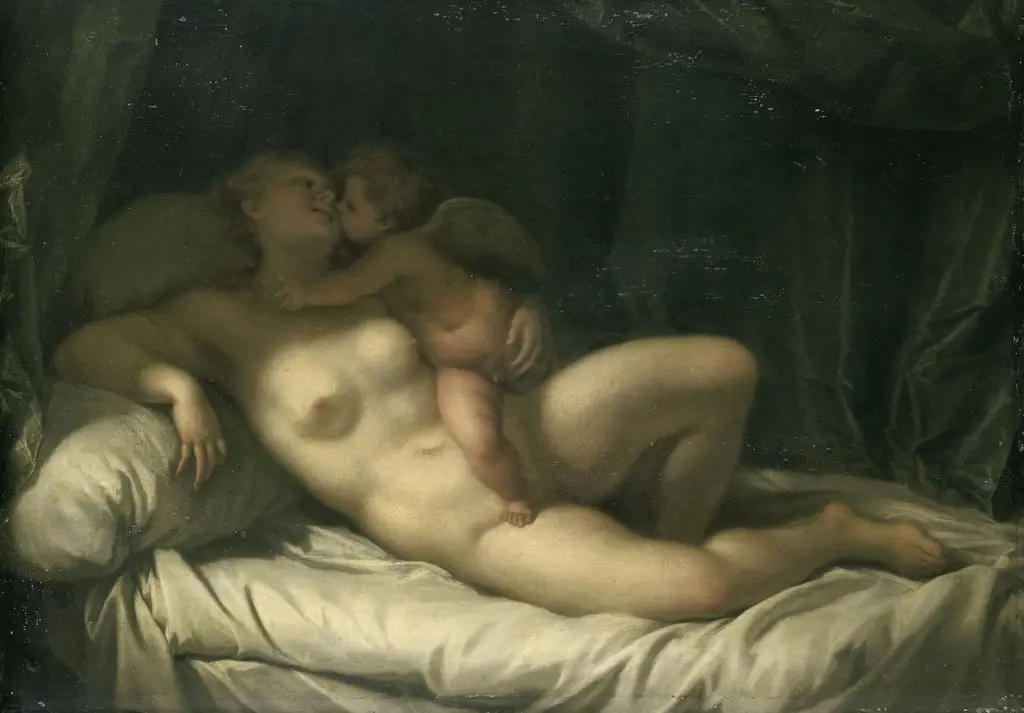 Cupid Kissing Venus (Venus Kissed by Amor)
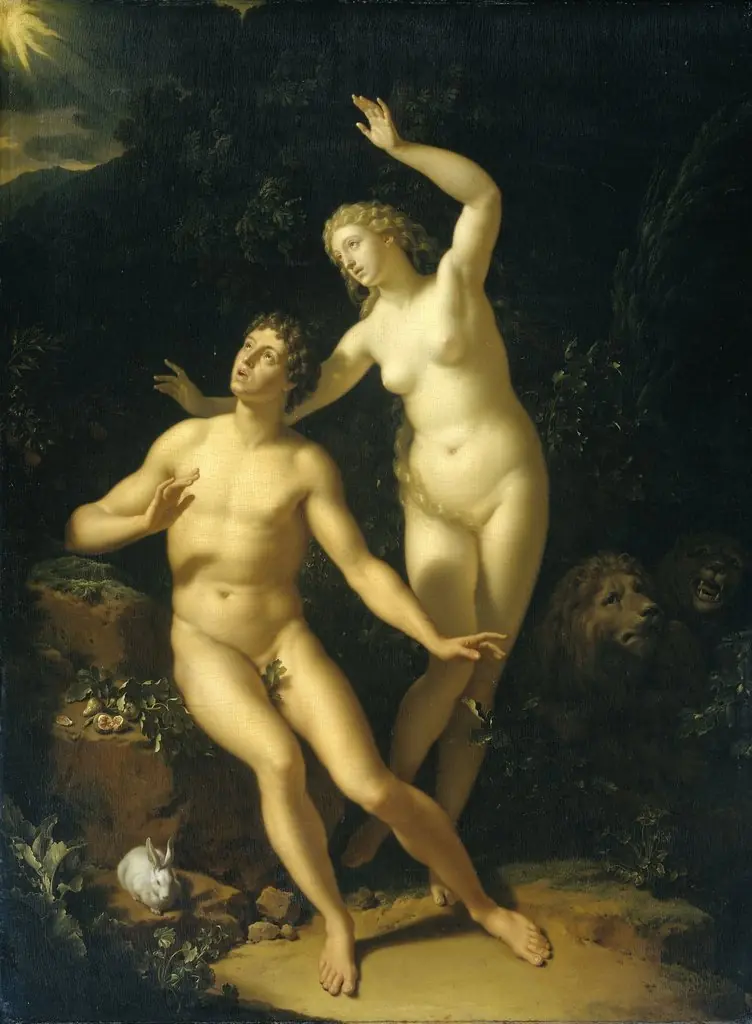 God Holds Adam and Eve Responsible
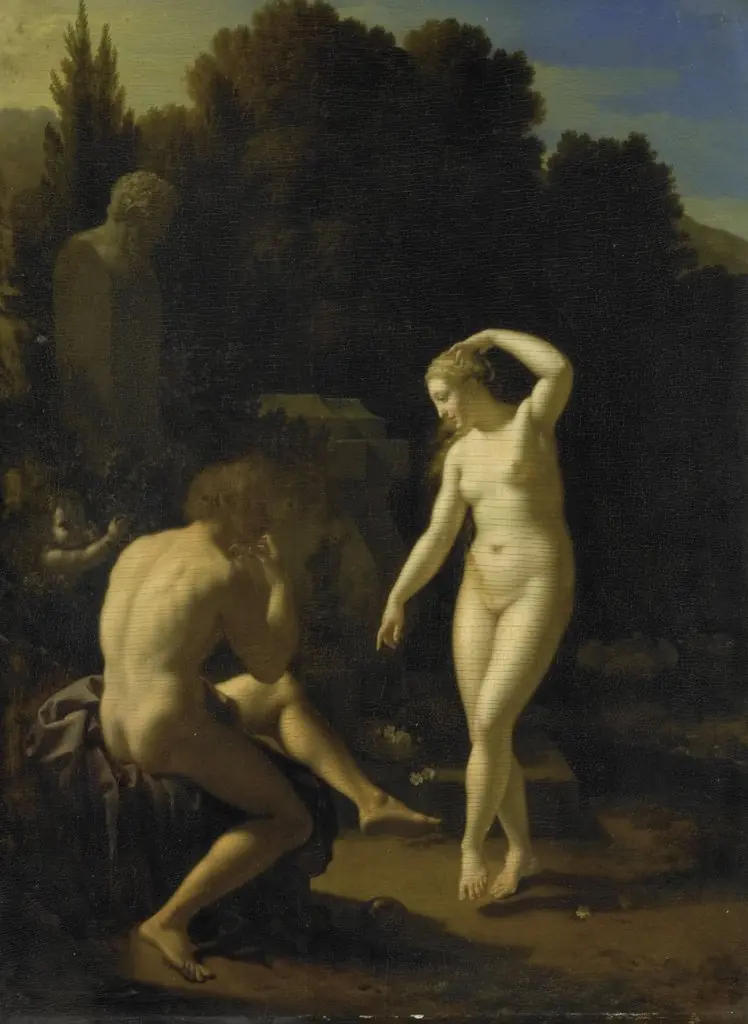 A Nymph Dancing to a Shepherd's Flute-Playing
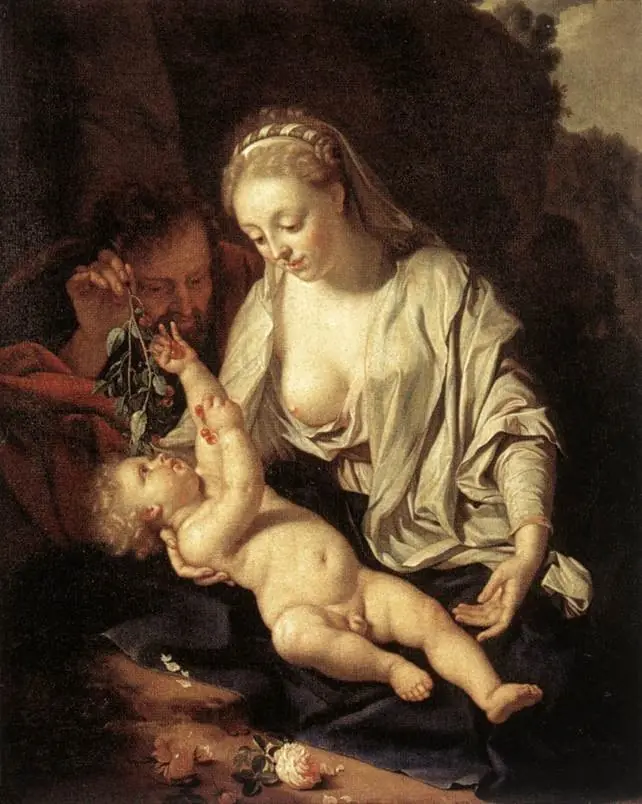 The Holy Family
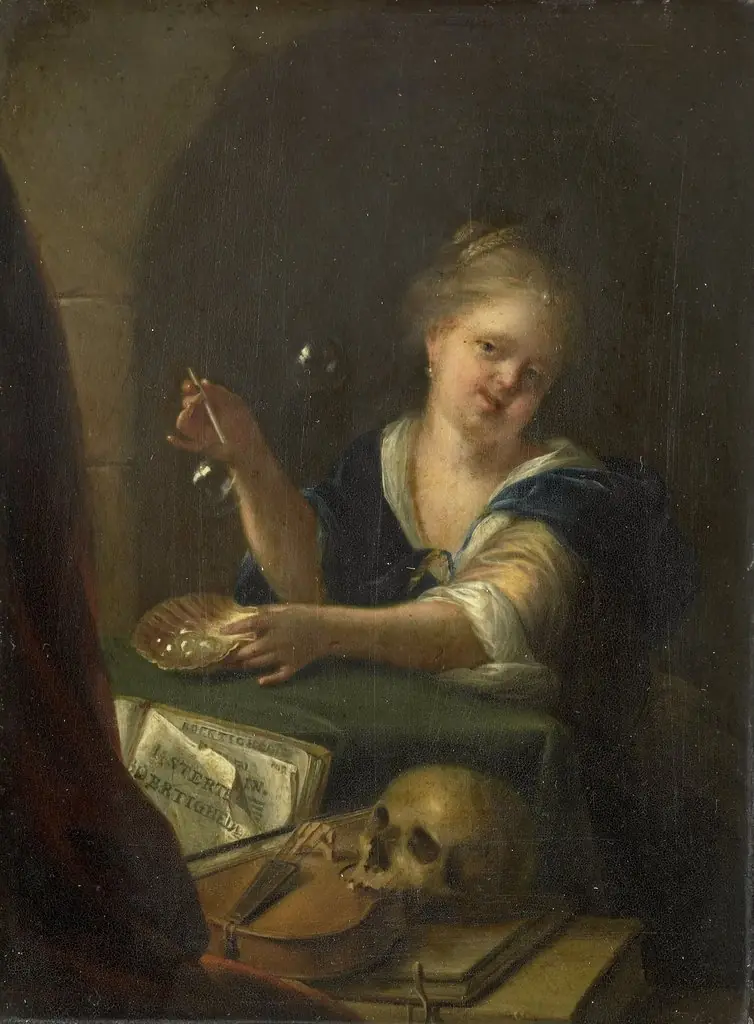 Bubble-blowing Girl with a Vanitas Still Life
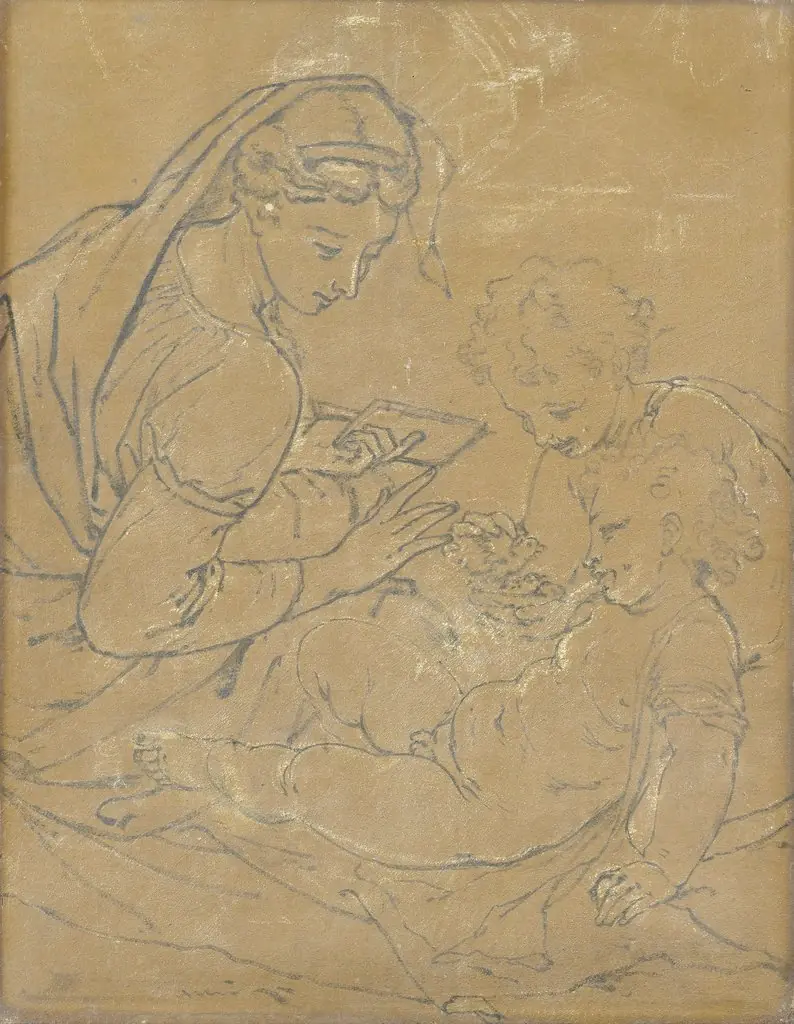 Virgin and Child with Saint John (chalk sketch)
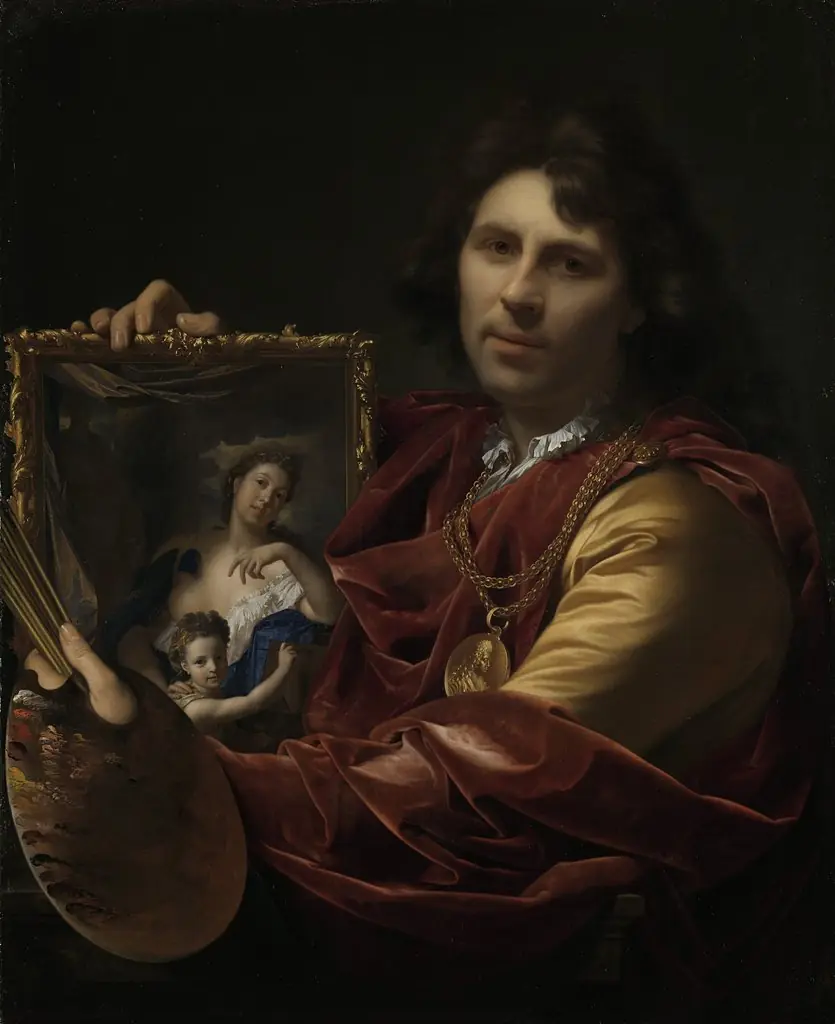 Self-portrait with the Portrait of his Wife, Margaretha van Rees, and their Daughter Maria
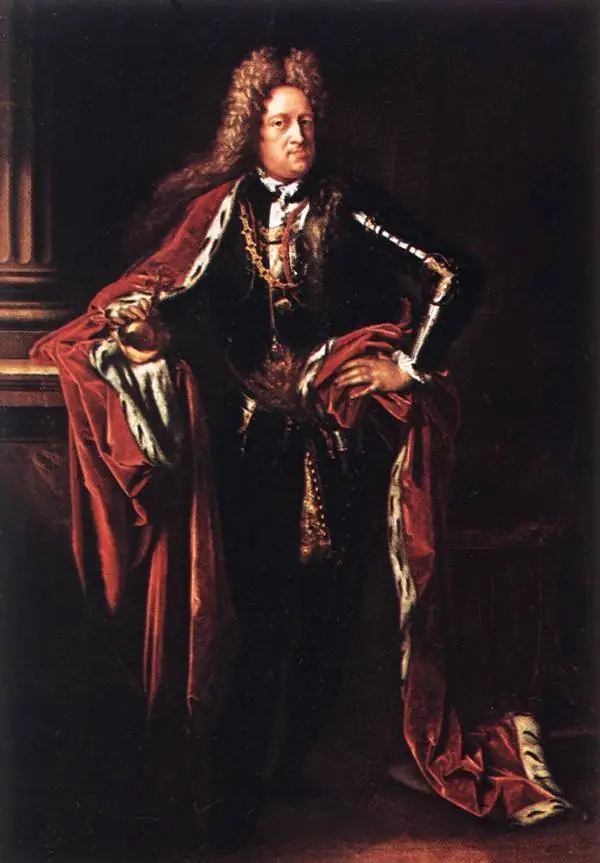 Portrait of Johann Wilhelm Elector of Palatine (1658-1716)