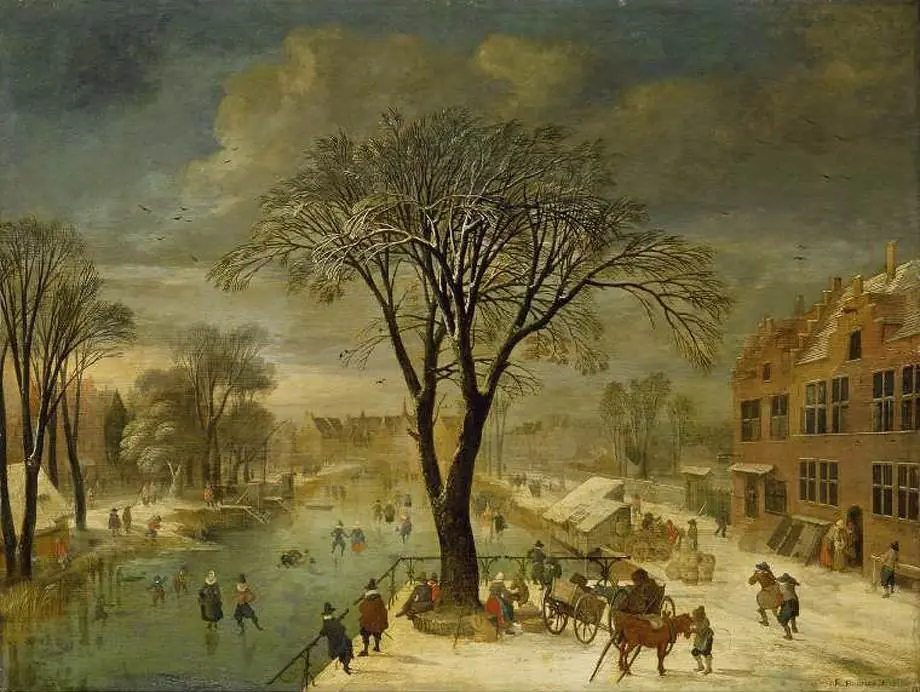
Artwork
The Maas in Winter with the Huis Te Merwerde, Dordrecht
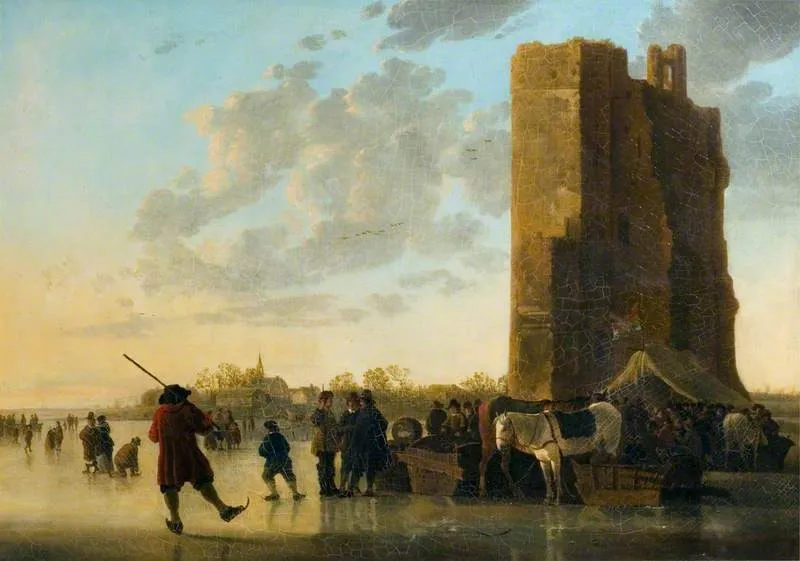
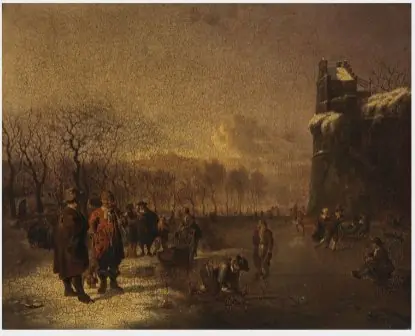
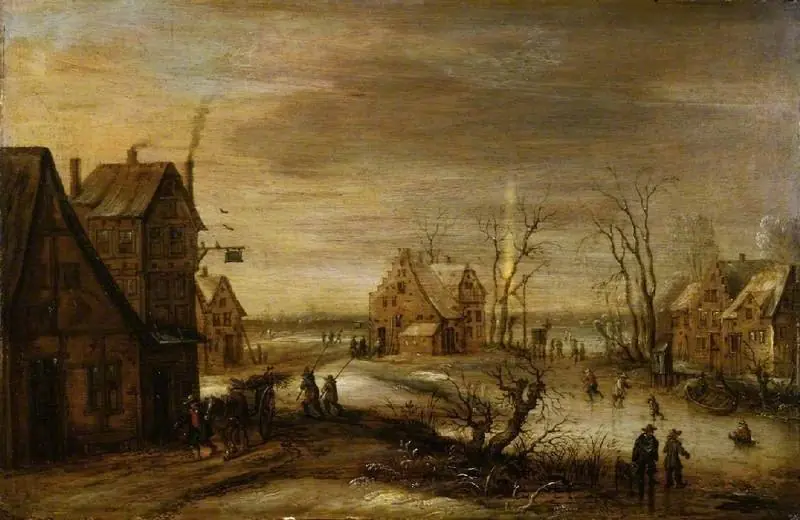
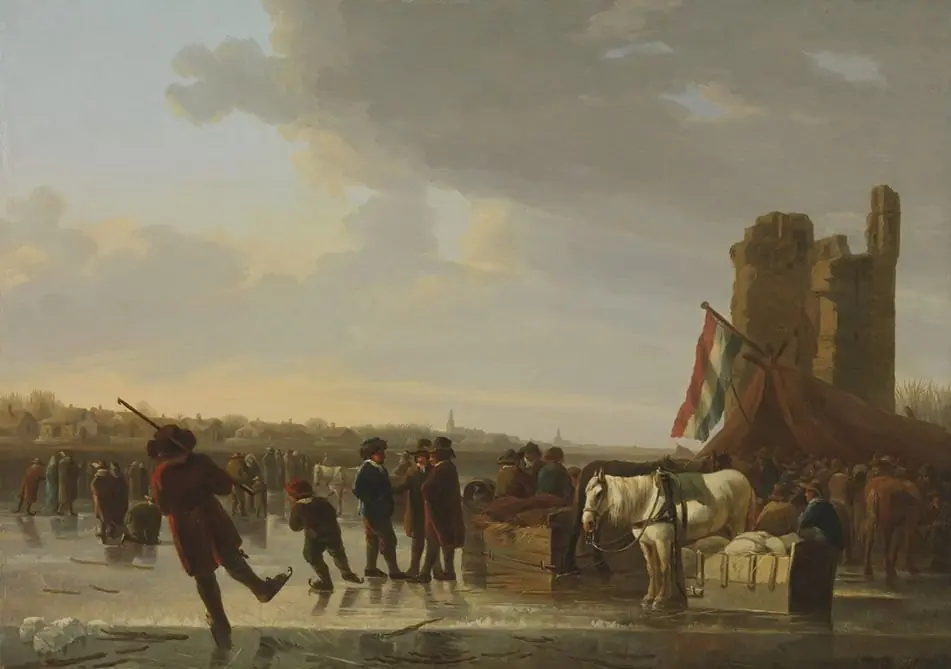
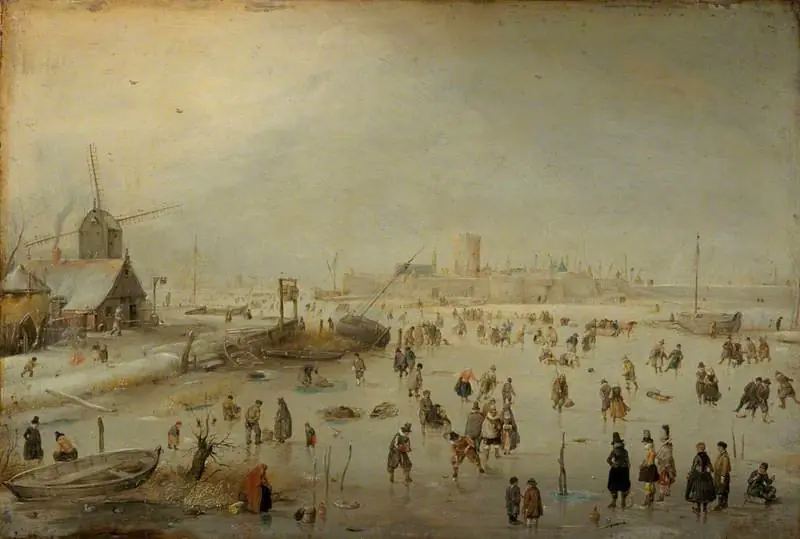
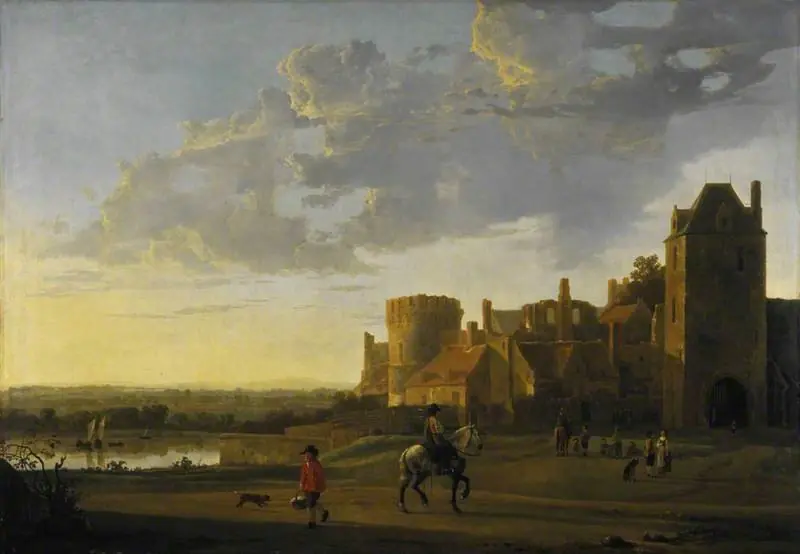
The Maas in Winter with the Huis Te Merwerde, Dordrecht is an oil painting by the Dutch Golden Age artist Aelbert Cuyp. It dates from 1666 and is held in the collection of the Victoria and Albert Museum.
About this work
Overview
Painted around 1666, this oil on canvas depicts a winter landscape along the Maas River near Dordrecht, capturing the quiet stillness of a frozen waterway. The scene centers on the Huis Te Merwerde estate, a fortified manor visible in the distance. The work reflects Aelbert Cuyp’s mastery of atmospheric light and his deep connection to the Dutch countryside, where he spent his entire life.
Subject & Meaning
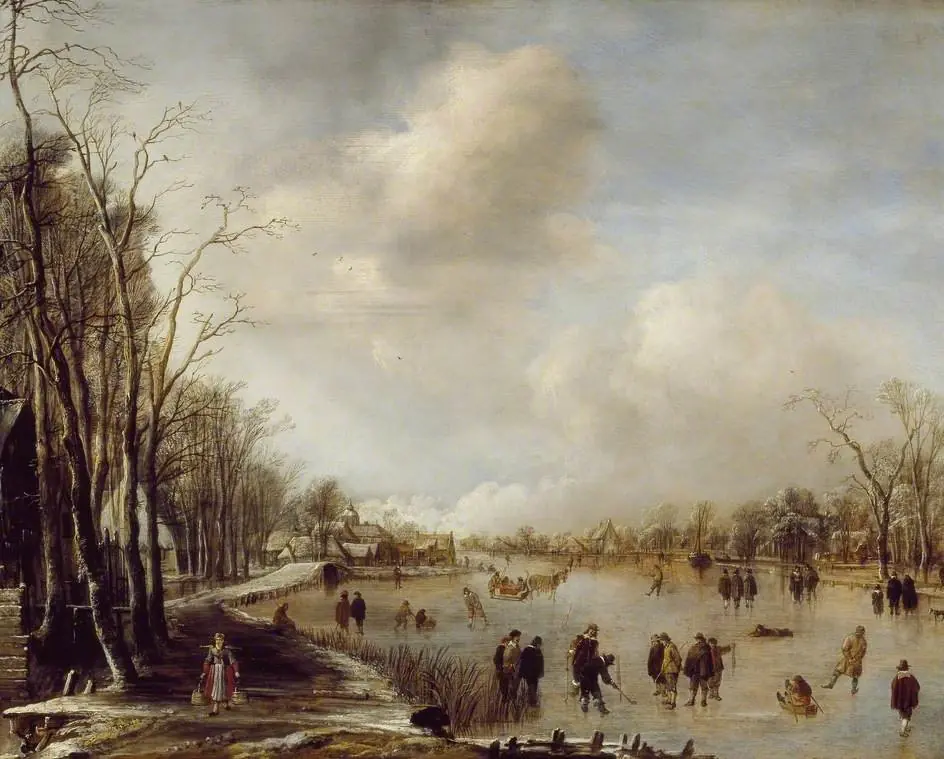
The painting portrays everyday winter life on the river: figures skate, stroll, and gather near the ice, their movements softened by the cold. The Huis Te Merwerde, a local landmark, anchors the composition, suggesting a harmony between human activity and the natural environment. No grand narrative is present—instead, the scene conveys a contemplative sense of seasonal rhythm and quiet community.
Technique & Style
Cuyp employed layered glazes to achieve subtle shifts in light, particularly in the low, golden hues of the setting sun filtering through overcast skies.
Cuyp employed layered glazes to achieve subtle shifts in light, particularly in the low, golden hues of the setting sun filtering through overcast skies. The ice and water are rendered with delicate tonal variations, while the distant architecture is rendered with soft edges, enhancing depth. Figures are small but carefully detailed, contributing to the scale and mood without dominating the landscape.
History & Provenance
Created in Cuyp’s mature period, the painting remained in the Netherlands until the 19th century. It entered the Victoria and Albert Museum’s collection in the 1860s, acquired as part of a broader effort to document European decorative and fine arts. Its provenance traces back to private Dutch collections, reflecting its early status as a regional favorite rather than a widely exhibited work.
Context
During the mid-17th century, Dutch artists increasingly turned to landscape as a subject worthy of serious attention. Cuyp’s focus on local rivers and light conditions aligned with a national interest in topography and climate. Unlike Italianate influences in other Dutch works, this painting grounds itself firmly in the specific geography and seasonal character of the southern Netherlands.
Legacy
Though less celebrated than some contemporaries, Cuyp’s winter scenes like this one influenced later Dutch landscape painters through their restrained palette and attention to natural light. The painting remains a key example of how regional identity and atmospheric observation shaped Dutch art beyond urban or biblical themes, offering a quiet, enduring record of place.
Artist & collection
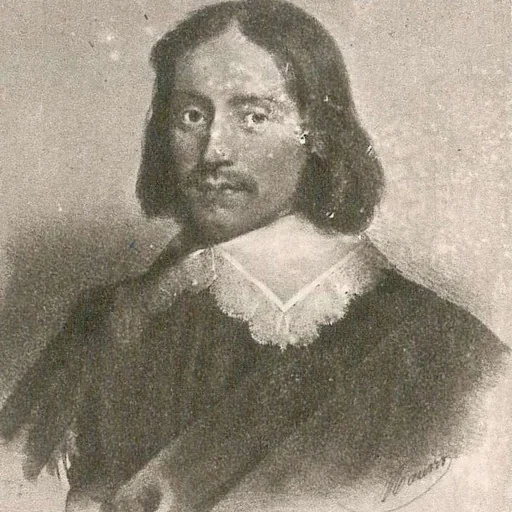
Artist
Aelbert Jacobszoon Cuyp or Cuijp (Dutch pronunciation: ; 20 October 1620 – 15 November 1691) was one of the leading Dutch Golden Age painters, producing mainly landscapes.

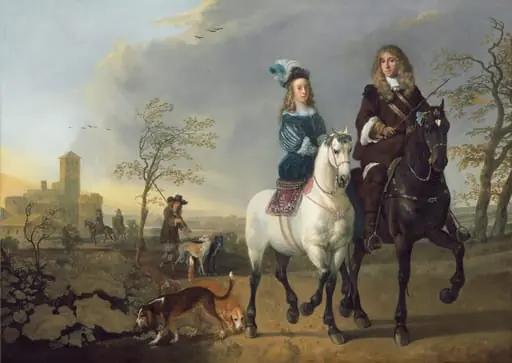 Lady and Gentleman on Horseback
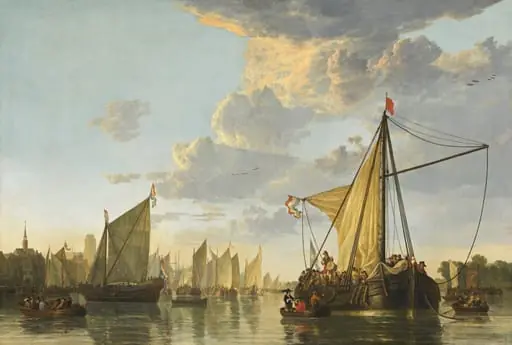 The Maas at Dordrecht
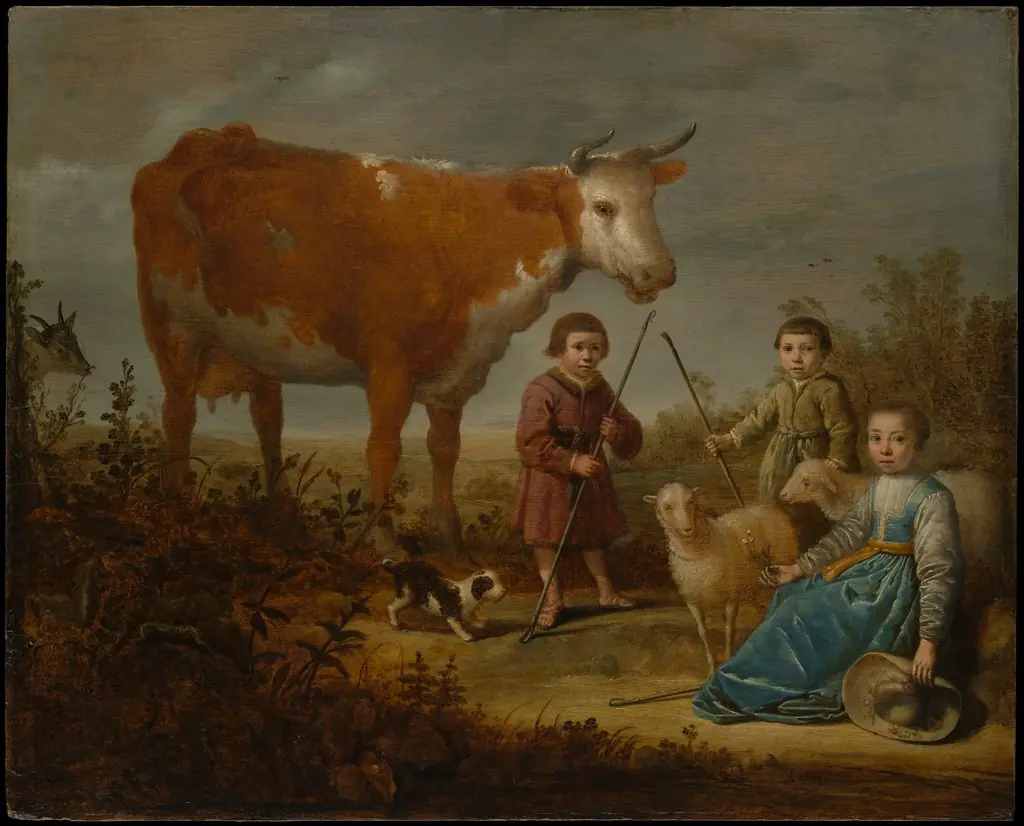 Children and a Cow
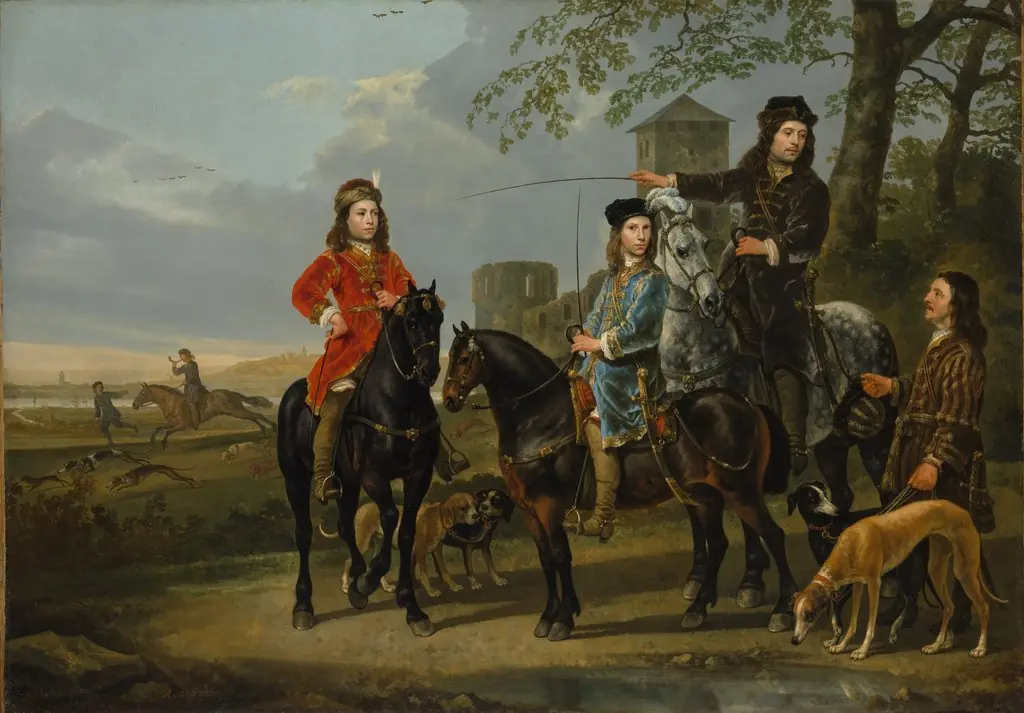 Equestrian Portrait of Cornelis (1639–1680) and Michiel Pompe van Meerdervoort (1638–1653) with Their Tutor and Coachman ("Starting for the Hunt")
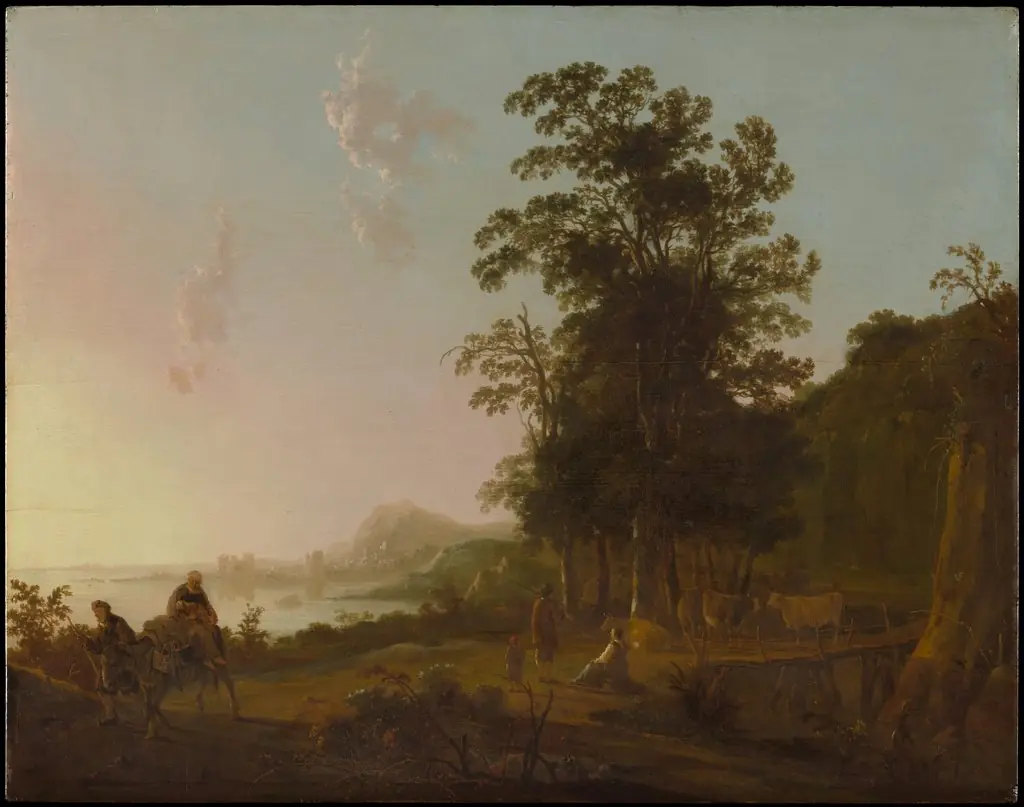 Landscape with the Flight into Egypt
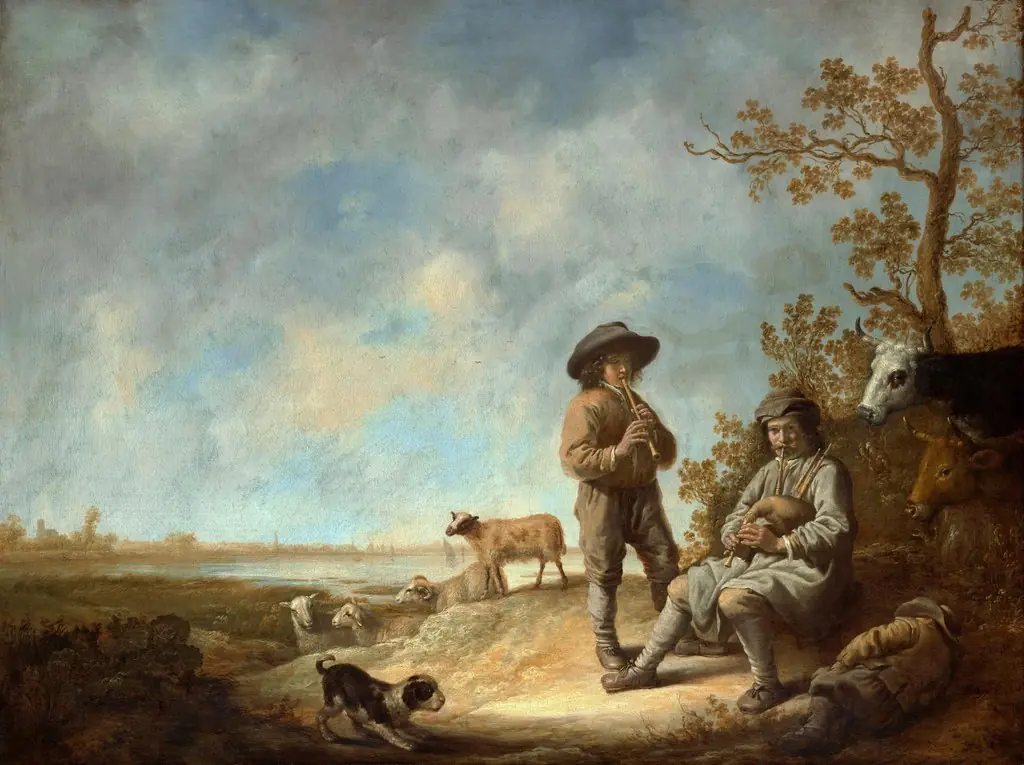 Piping Shepherds
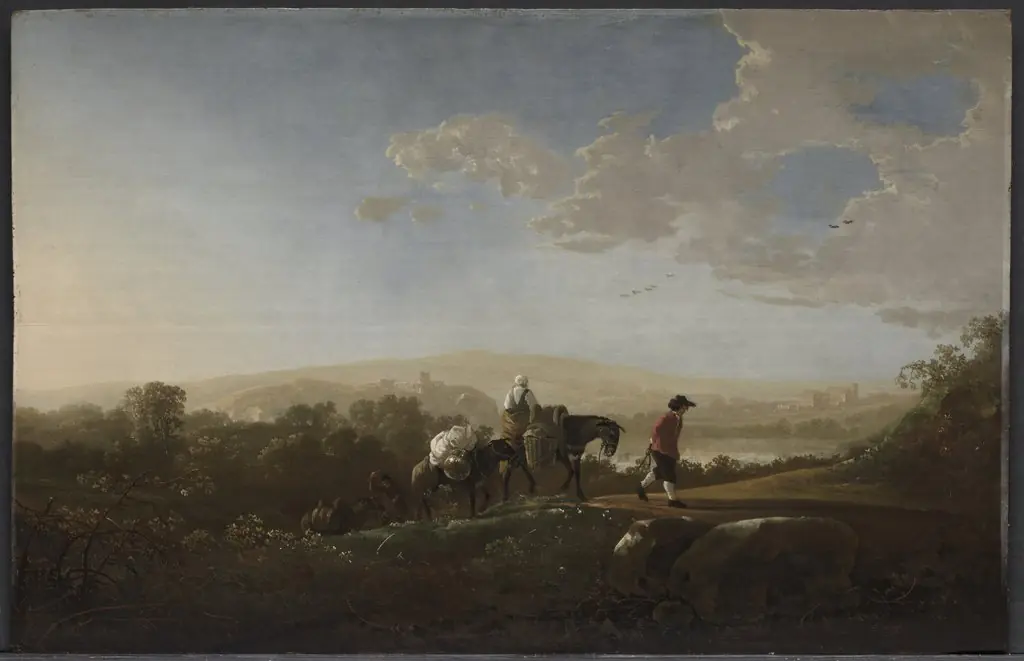 Travellers in Hilly Countryside
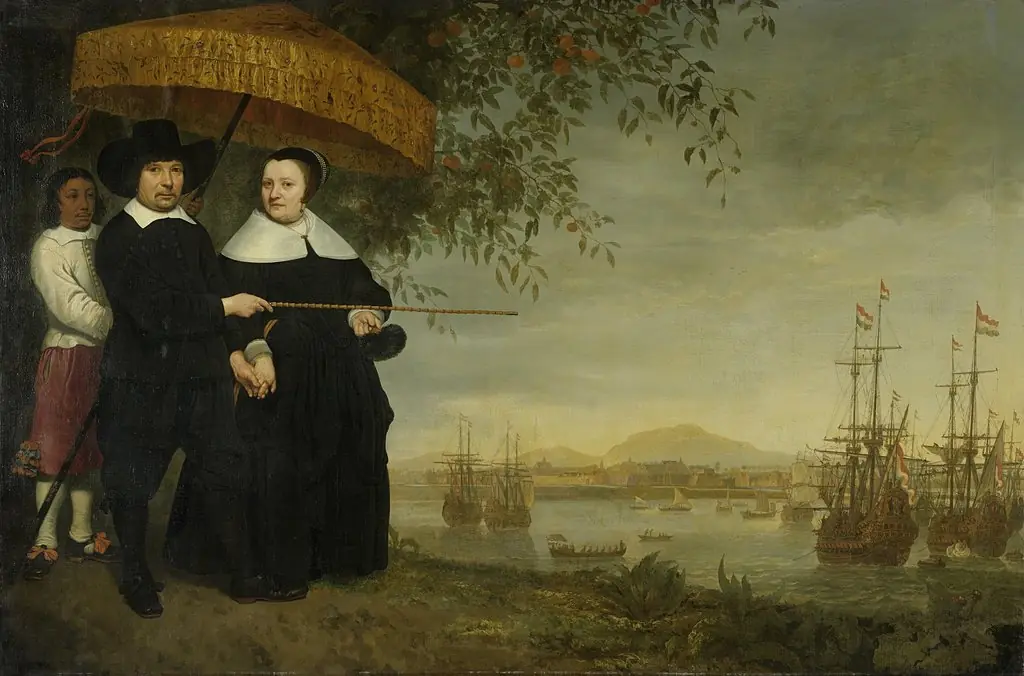 A Chief Merchant of the VOC with his Wife and an Enslaved Servant