Artwork
Portrait of Pope Innocent IX
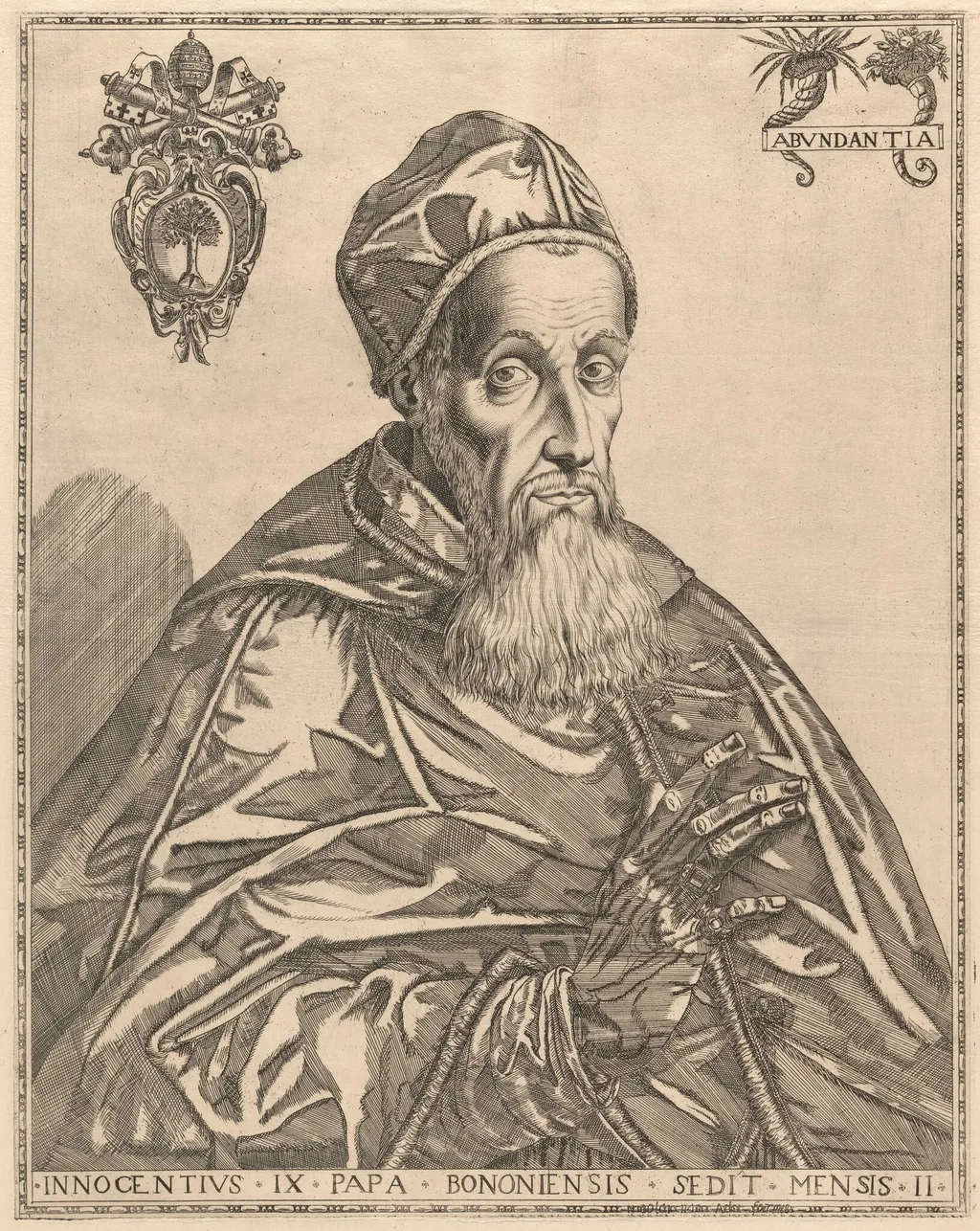
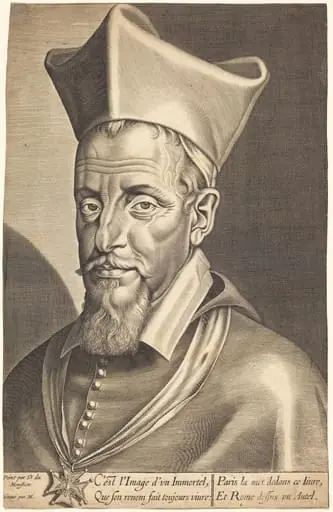
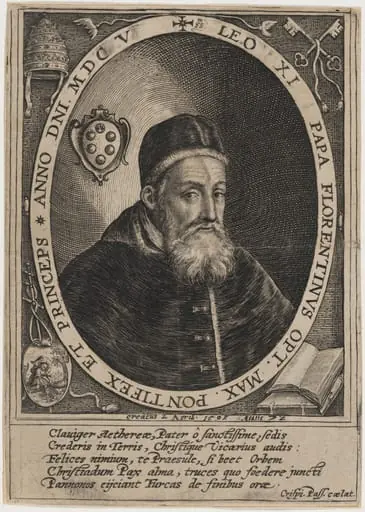
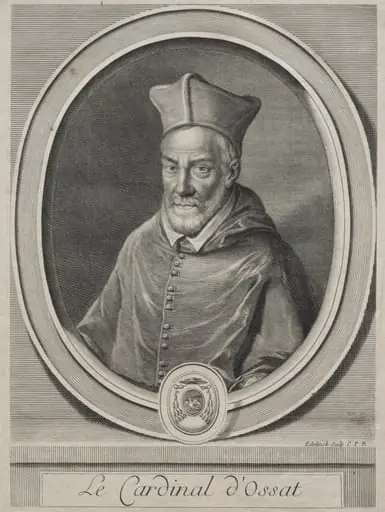
Portrait of Pope Innocent IX is an ink print by the Renaissance artist Nicolaes van Aelst. It dates from 1590 and is held in the collection of the National Gallery of Art.
About this work
Overview
Executed in engraving and etching, it is a monochrome work on paper, notable for its precise linework and subtle tonal gradations.
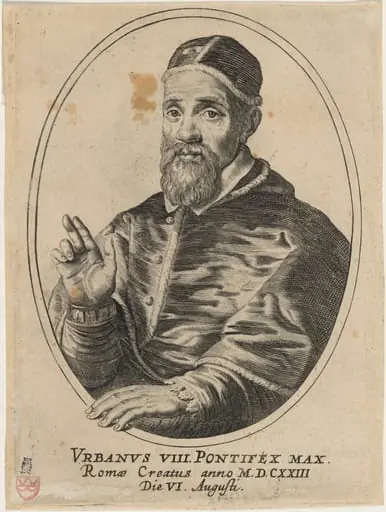
This print, created around 1590 by Dutch engraver Nicolaes van Aelst, depicts Pope Innocent IX in profile. Executed in engraving and etching, it is a monochrome work on paper, notable for its precise linework and subtle tonal gradations. The National Gallery of Art in Washington holds the only known impression of this portrait, which reflects the tradition of papal portraiture in late 16th-century print culture.
Subject & Meaning
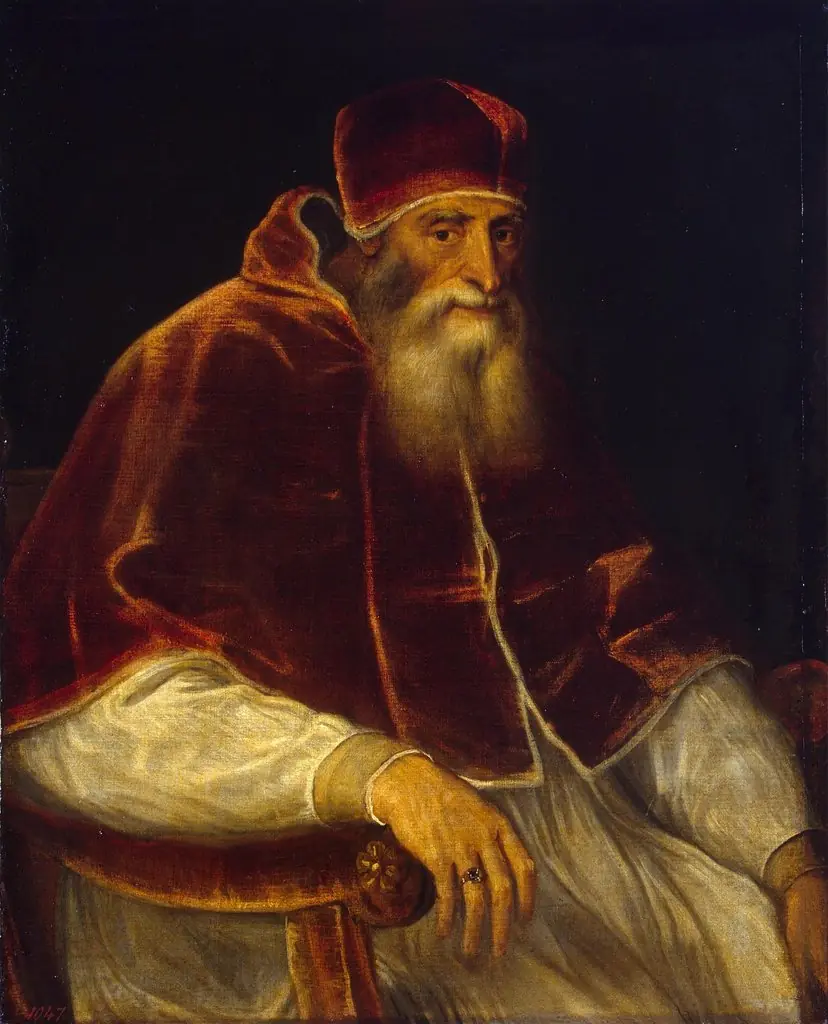
The figure is Pope Innocent IX, who reigned briefly in 1591. His white beard, ornate papal hat, and richly detailed robes identify his ecclesiastical rank. The profile view conveys solemnity and authority, aligning with the Counter-Reformation emphasis on papal dignity. The plain background focuses attention on the sitter’s presence, reinforcing the image’s function as a formal representation rather than a narrative scene.
Technique & Style
Van Aelst employed fine, controlled lines typical of Northern European engraving, using cross-hatching to model the folds of fabric and the contours of the face. Etching added softer, fluid strokes to the beard and collar, enhancing texture. The composition is restrained, avoiding ornamentation except for subtle decorative borders, reflecting the period’s preference for clarity and precision in reproductive prints.
History & Provenance
The print was made shortly before Innocent IX’s papacy, likely based on a painted portrait or drawing. Van Aelst, known for reproducing portraits of religious and political figures, produced this as part of a series of papal images. It entered the National Gallery of Art’s collection in the 20th century, with no earlier documented ownership prior to its acquisition by the institution.
Context
In the late 1500s, engraved portraits of popes circulated widely among clergy and collectors, serving both devotional and political purposes. As the Catholic Church sought to reinforce its authority during the Reformation, such images helped standardize the visual identity of the papacy. Van Aelst’s work fits within this broader trend of print-based propaganda and commemoration in early modern Europe.
Legacy
Though not widely reproduced, this engraving remains a rare visual record of a short-reigning pope. It exemplifies the technical skill of Dutch printmakers in translating three-dimensional portraits into flat, detailed compositions. Its preservation in a major public collection ensures continued study of how religious authority was visually constructed through print media in the Renaissance.
Artist & collection