Artwork
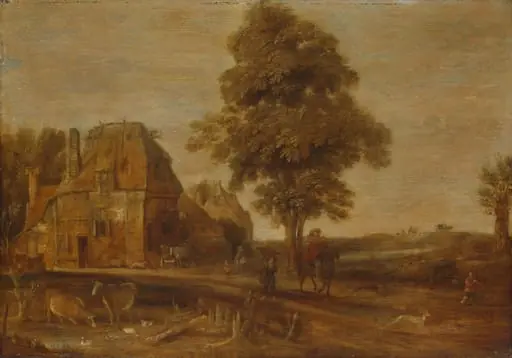
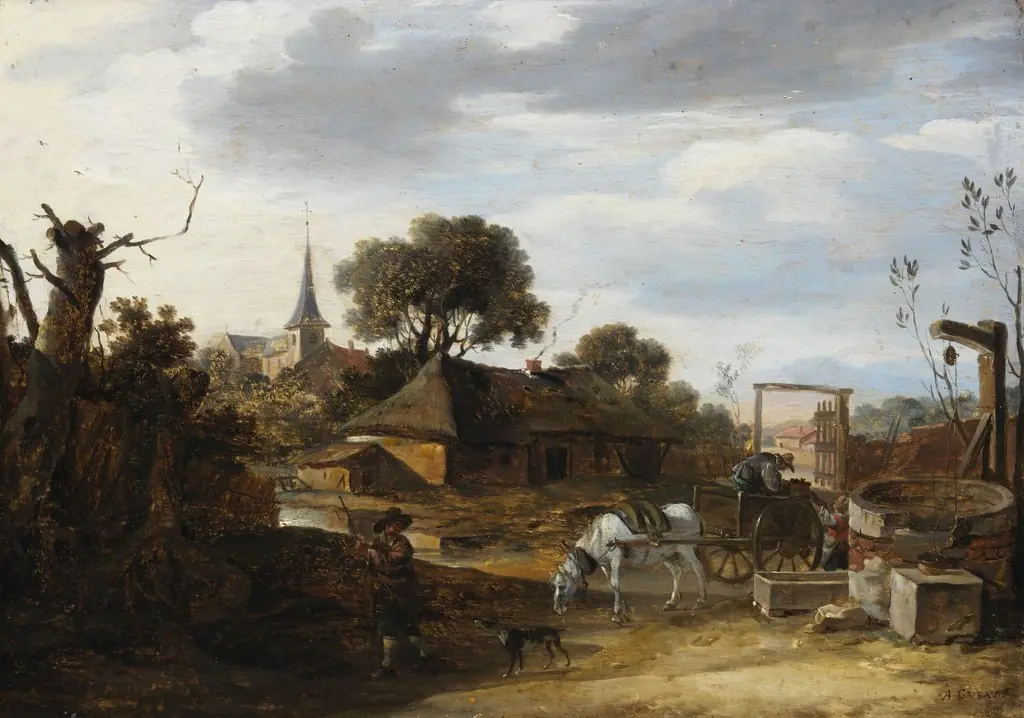
Landscape with watering place
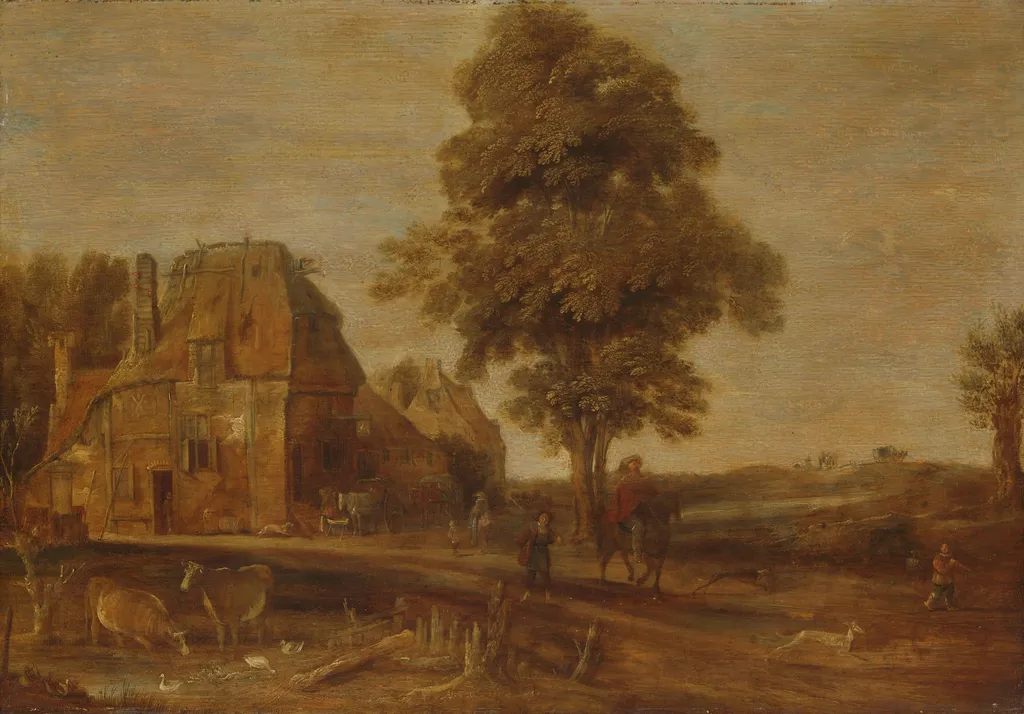
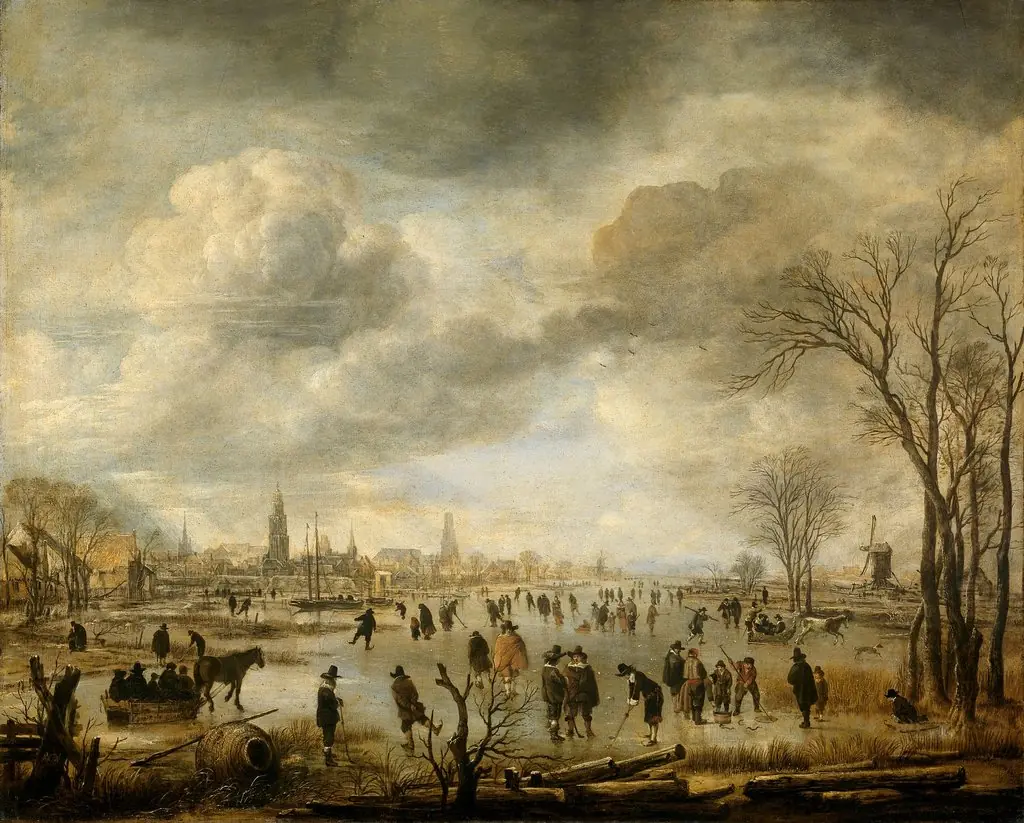
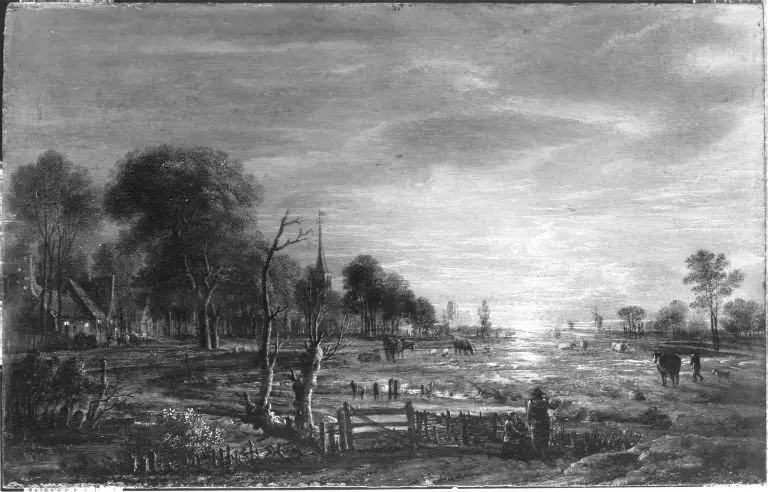
Landscape with watering place is an oil painting by the Dutch Golden Age artist Aert van der Neer. It dates from 1639 and is held in the collection of the Rijksmuseum.
About this work
Overview
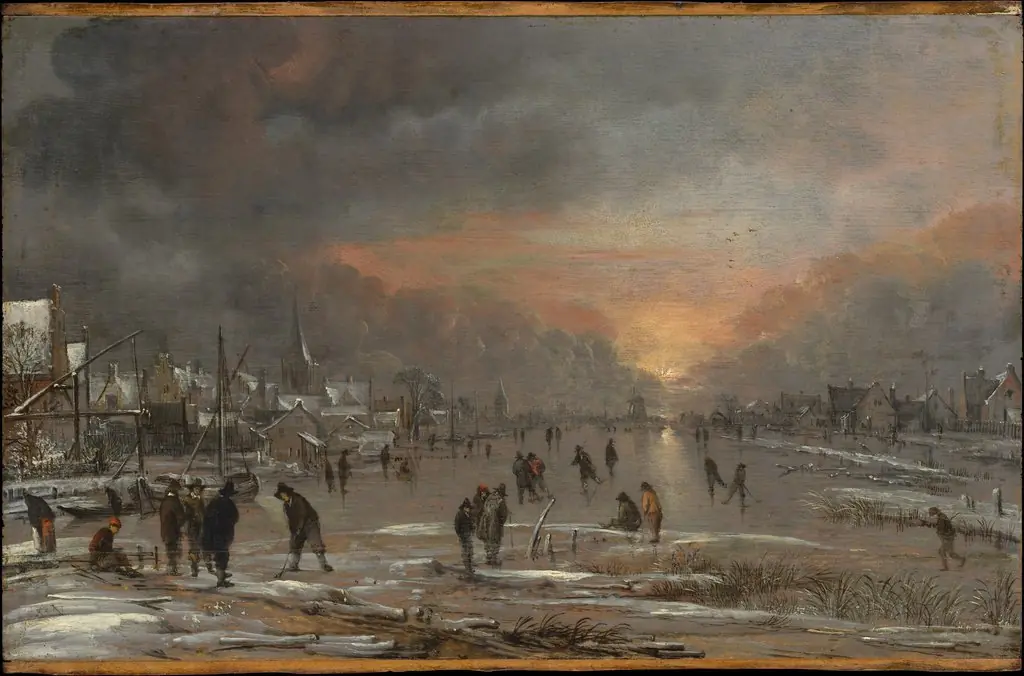
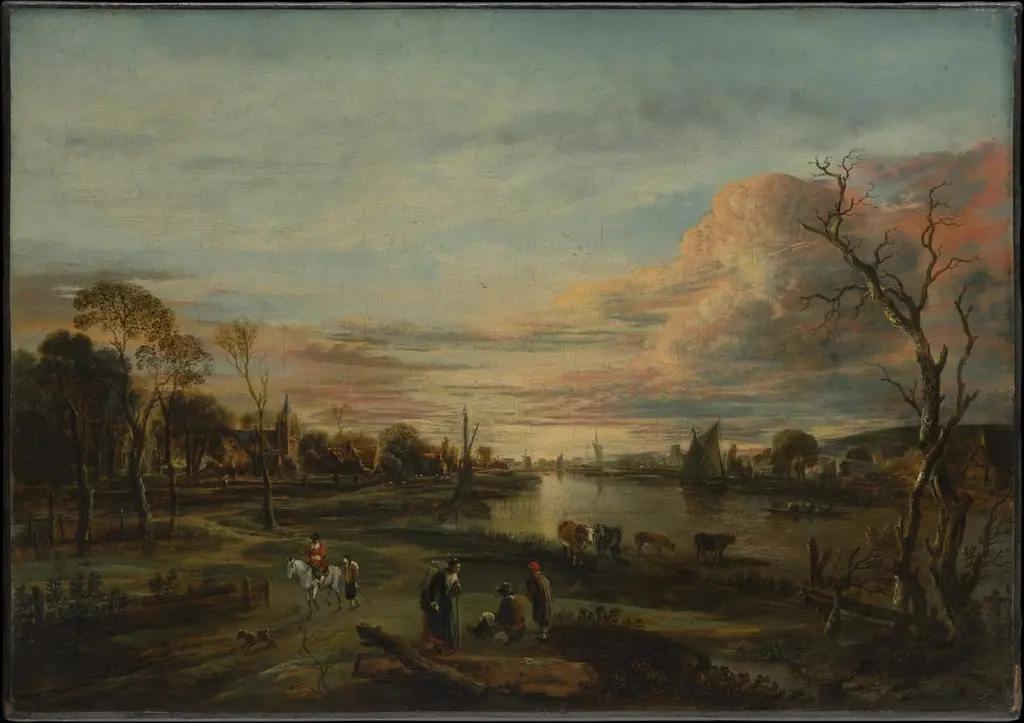
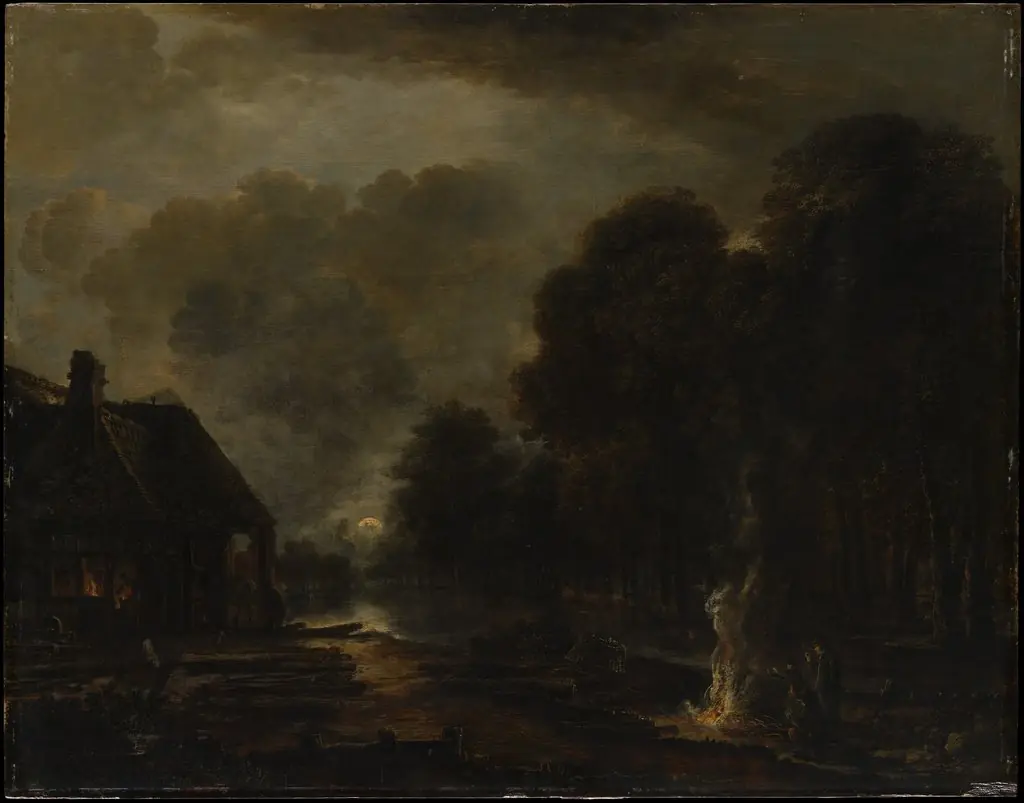
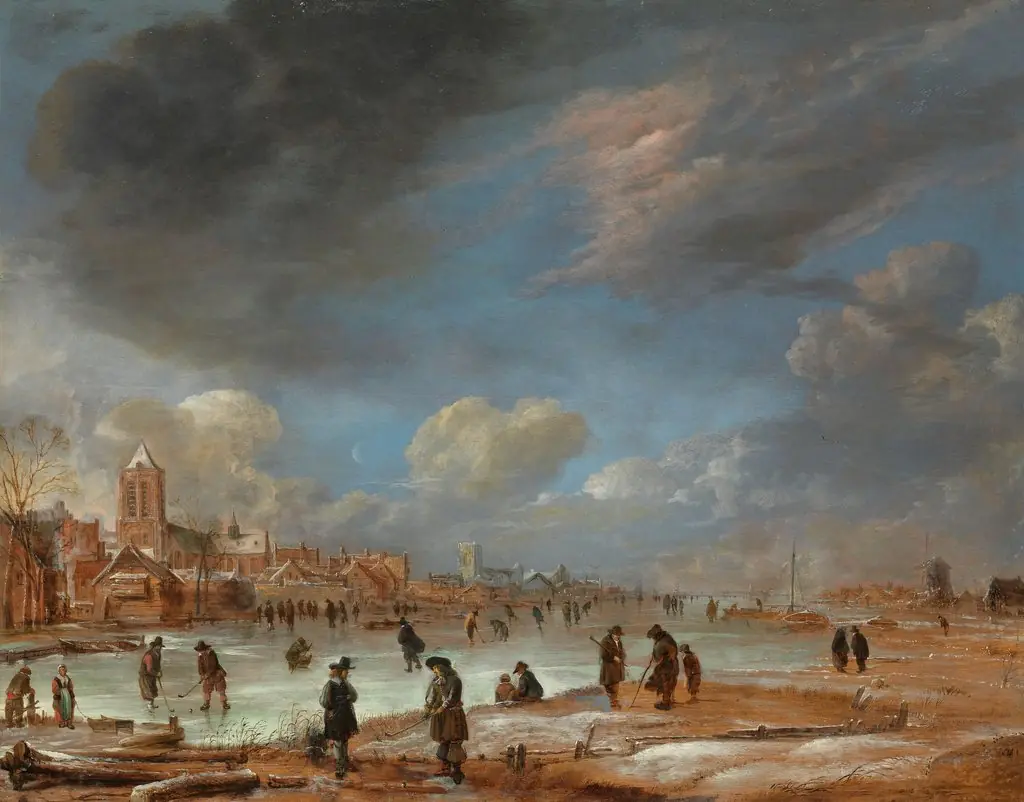
Landscape with Watering Place, executed in oil on canvas in 1639, is a modestly sized work by Dutch painter Aert van der Neer. Known for his nocturnal and wintry scenes, van der Neer captures a tranquil village setting under a muted sky. The painting is part of the Rijksmuseum’s collection, representing the broader output of the Dutch Golden Age.
Subject & Meaning
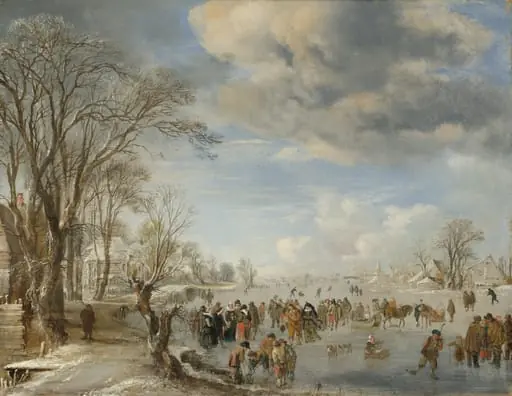
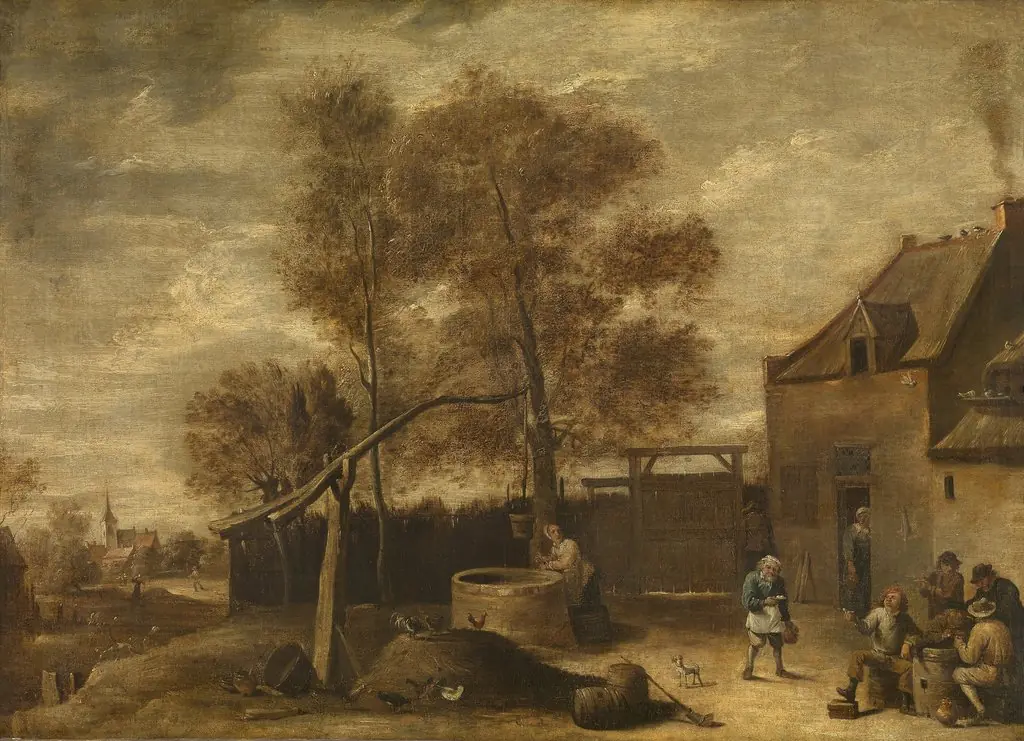
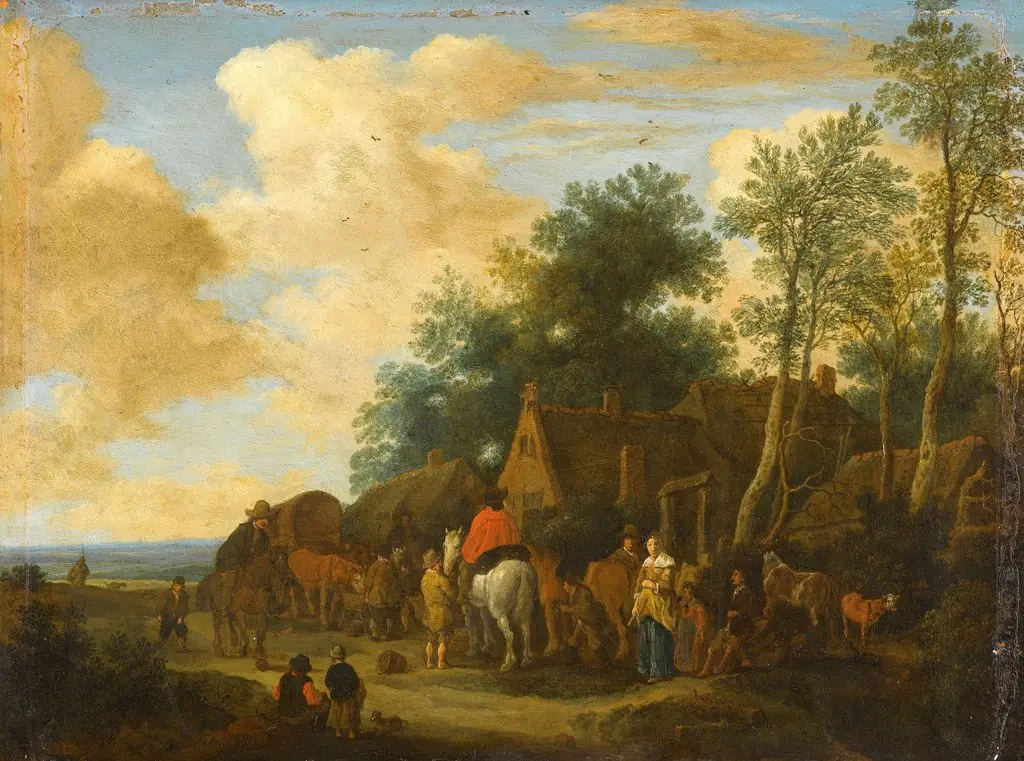
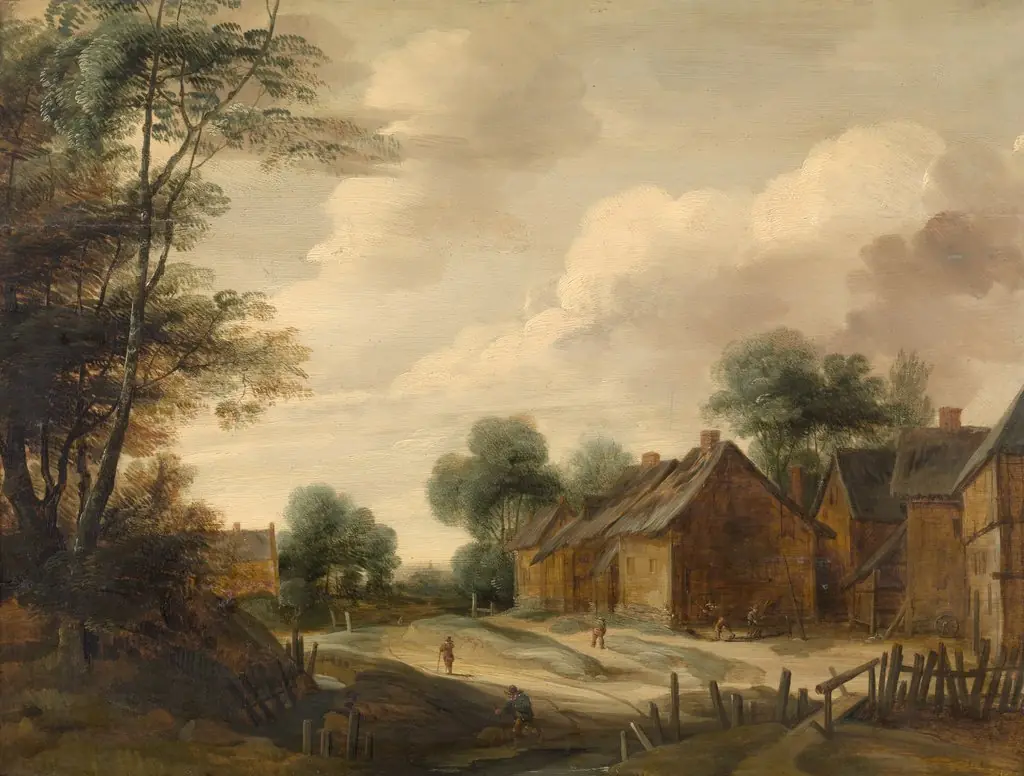
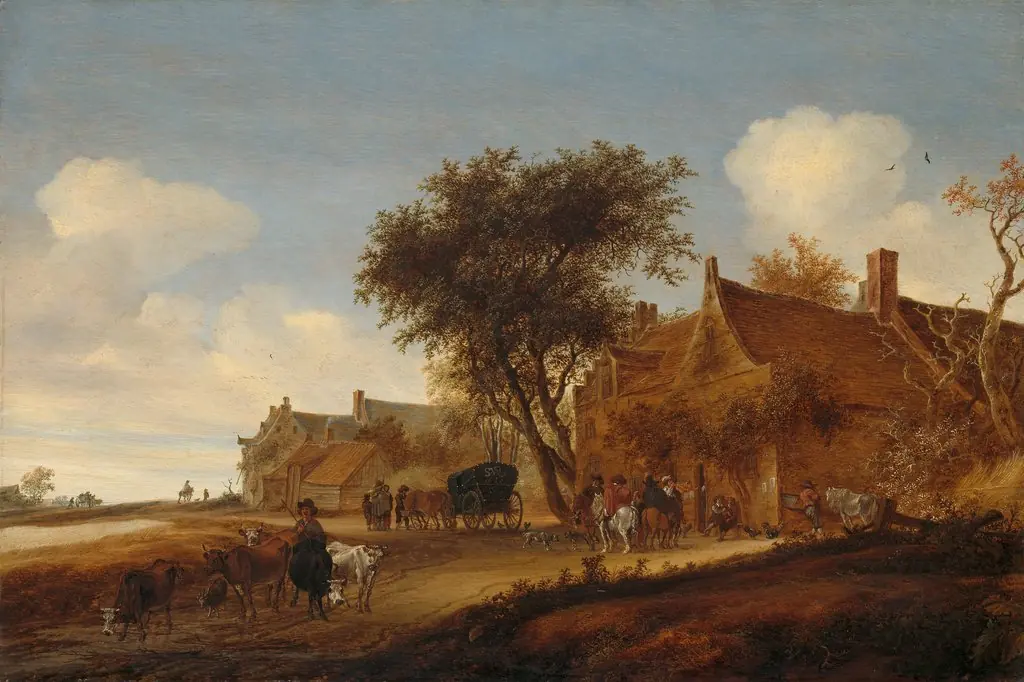
The composition centers on a solitary tree that dominates a narrow, unpaved lane. Figures and grazing livestock move slowly along the path, while modest dwellings with thatched roofs line the street. A small fenced area suggests a watering place for the animals, reinforcing the work’s focus on everyday rural life and the quiet rhythms of a small community.
Technique & Style
Van der Neer employs a restrained chiaroscuro, using a brighter illumination on the central tree to separate it from the more subdued surroundings. The subtle gradations of light and shadow create a sense of depth without dramatic contrast, while the soft, pale sky contributes to the overall calm atmosphere. The brushwork remains delicate, emphasizing the intimate scale of the scene.
History & Provenance
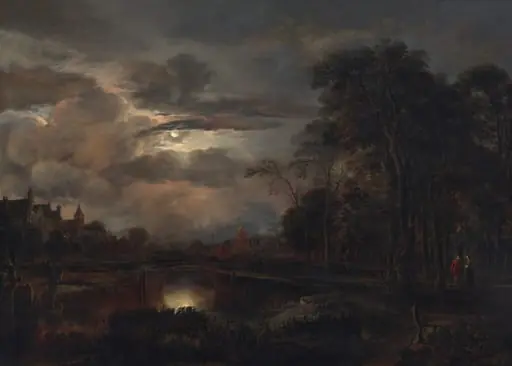
Created during the height of the Dutch Golden Age, the painting reflects the period’s interest in genre scenes and landscape realism. It entered the Rijksmuseum’s holdings in the early 20th century, where it has remained on public display. The work exemplifies van der Neer’s typical small‑scale, moonlit or fire‑lit compositions, though this piece is set in daylight.
Own this work as a print
Artist & collection
Artist
Aert van der Neer, or Aernout or Artus (c. 1603 – 9 November 1677), was a landscape painter of the Dutch Golden Age, who specialized in small night scenes lit only by moonlight and fires, and snowy winter landscapes,…