Artwork
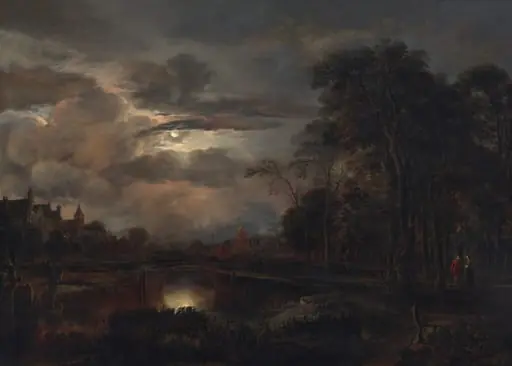
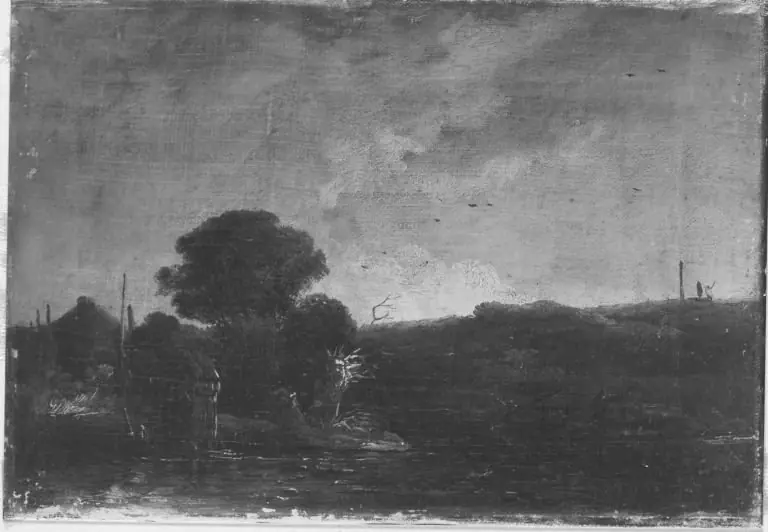
Mondscheinlandschaft (Art des)
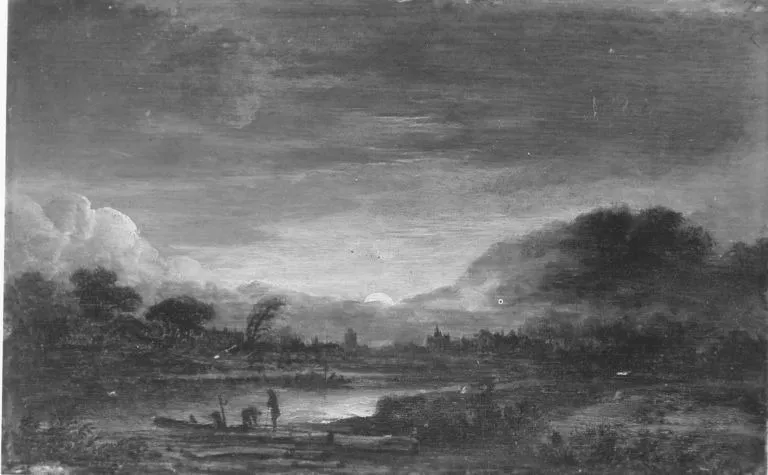
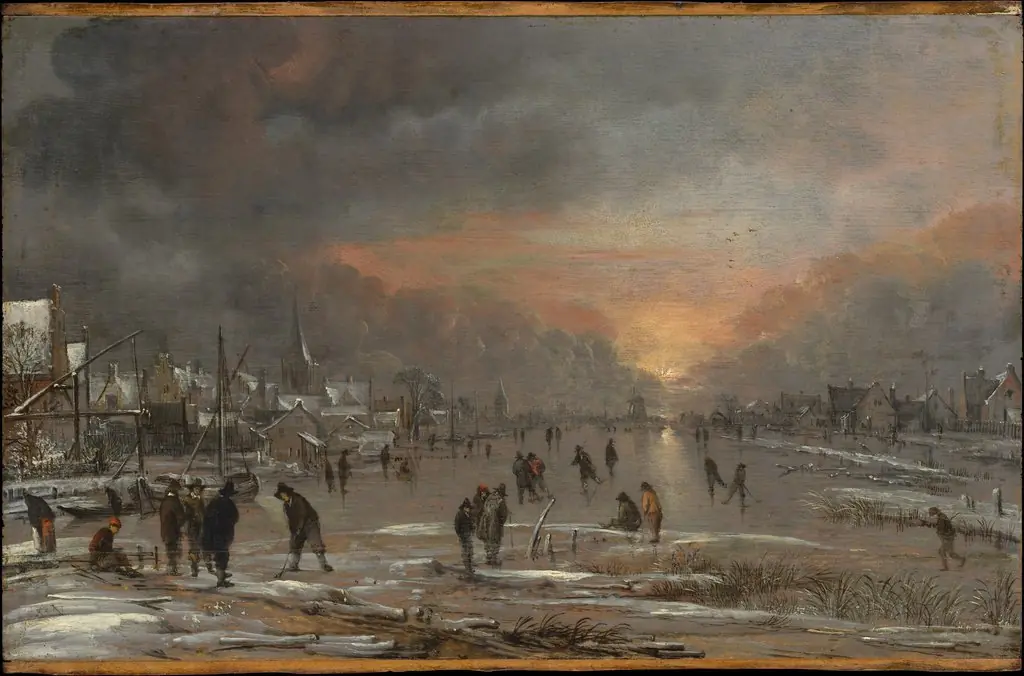
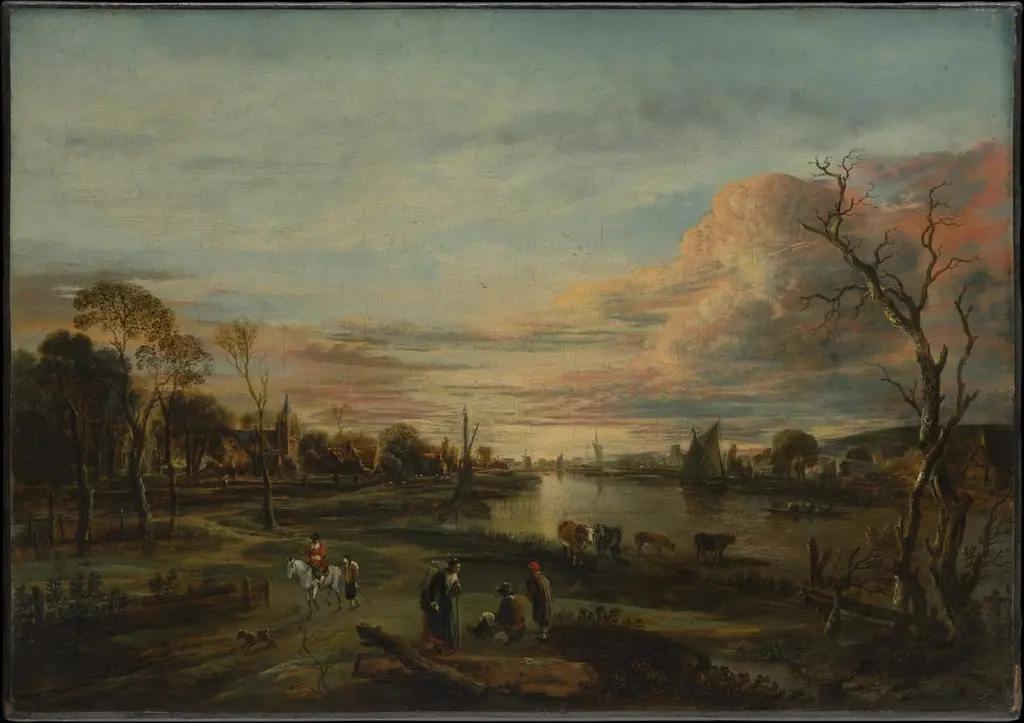
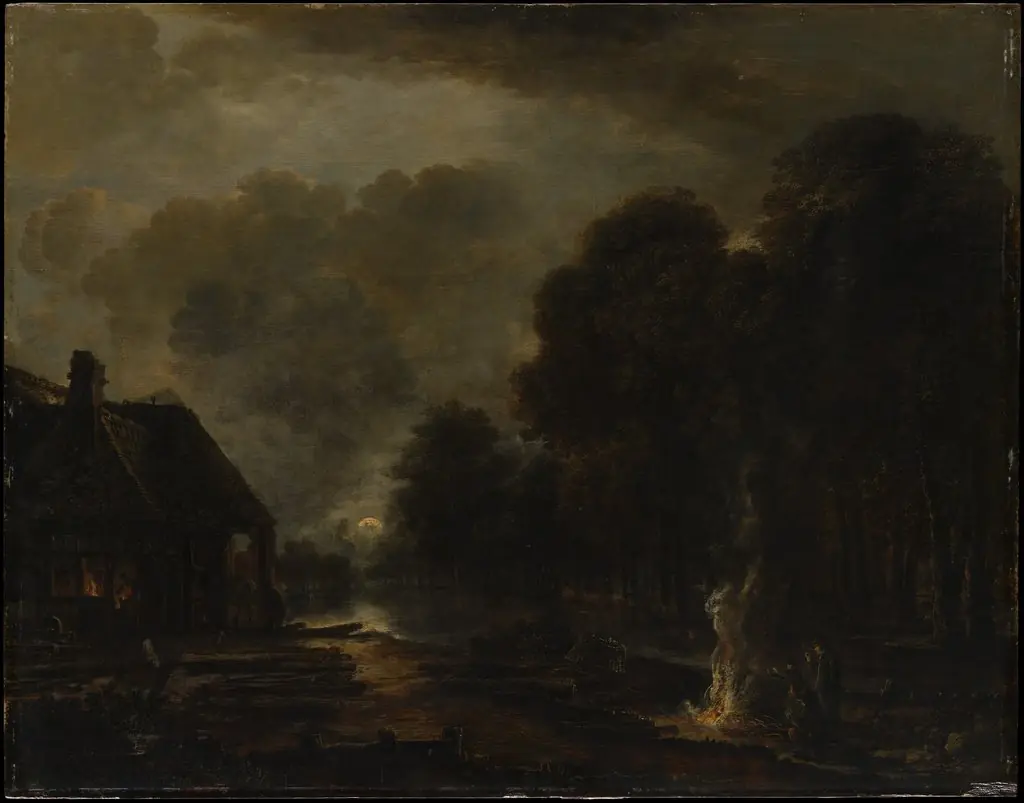
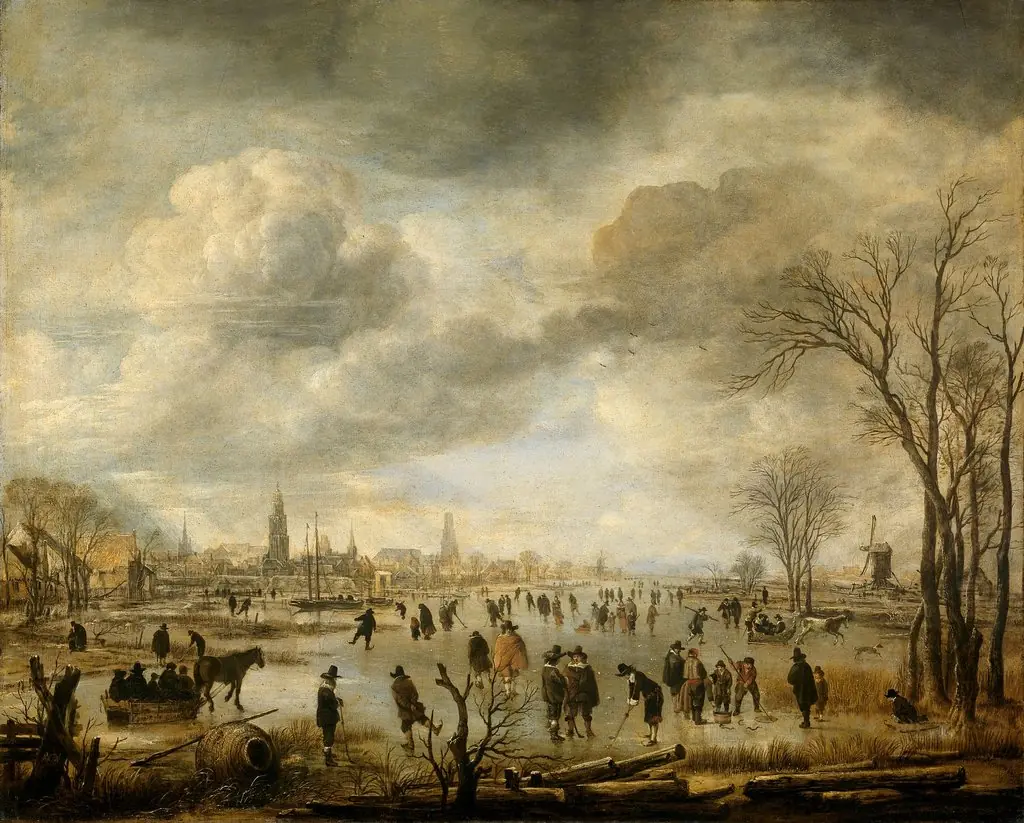
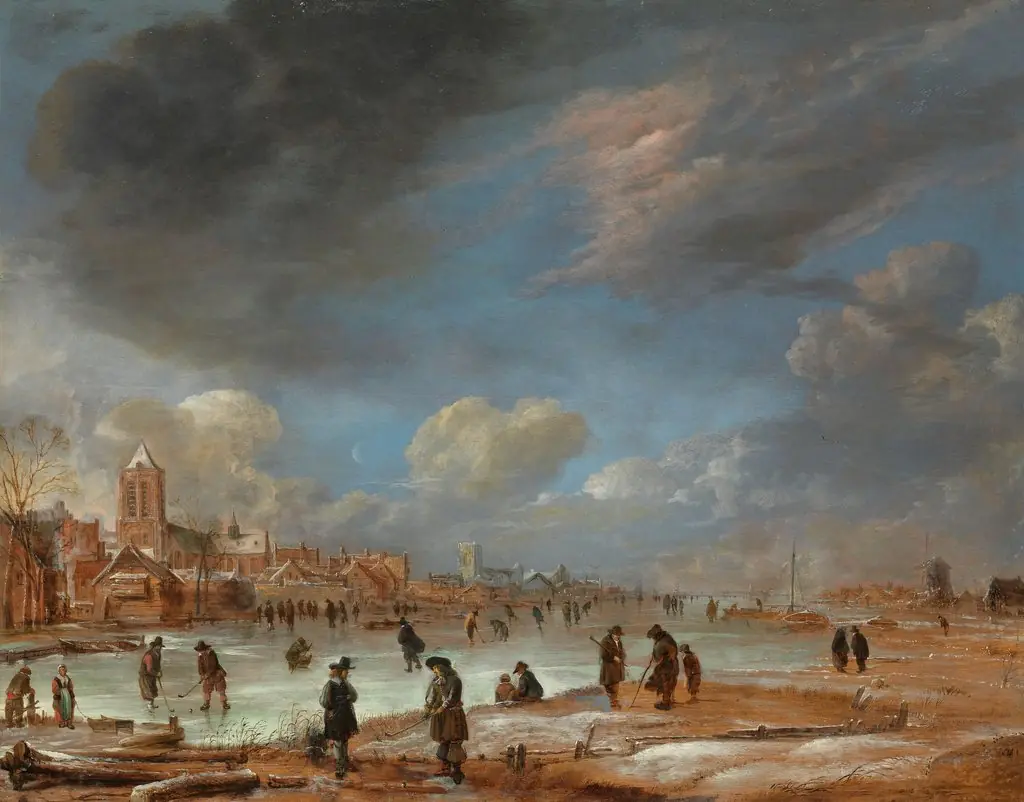
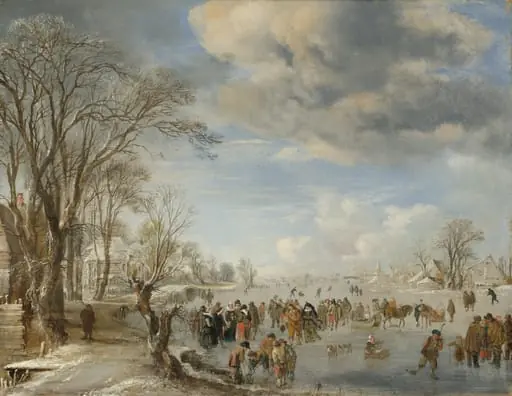
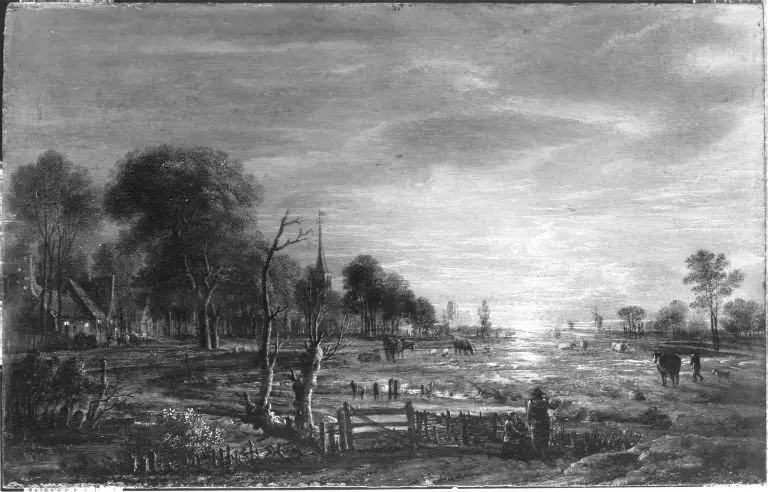
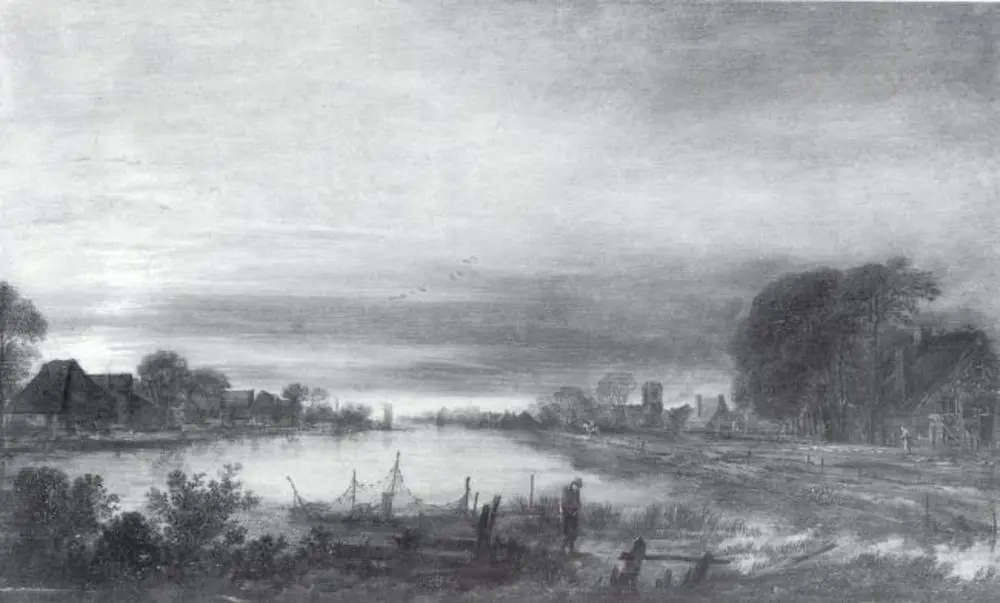
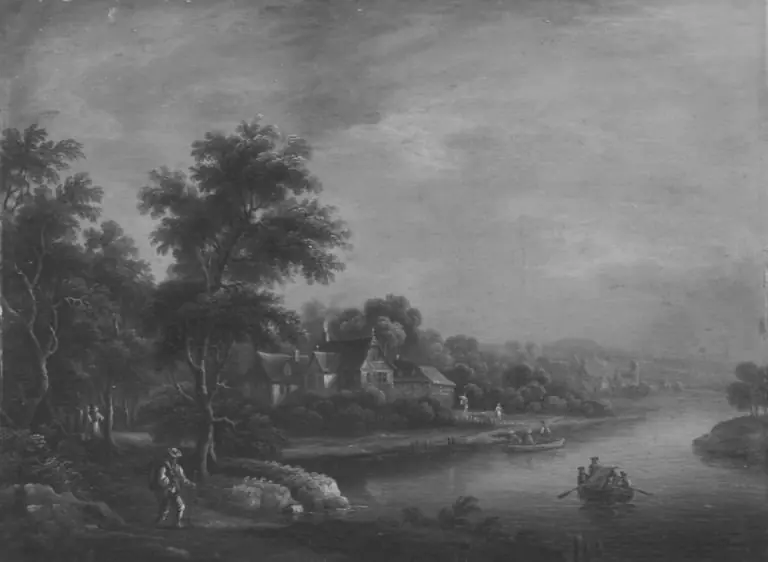
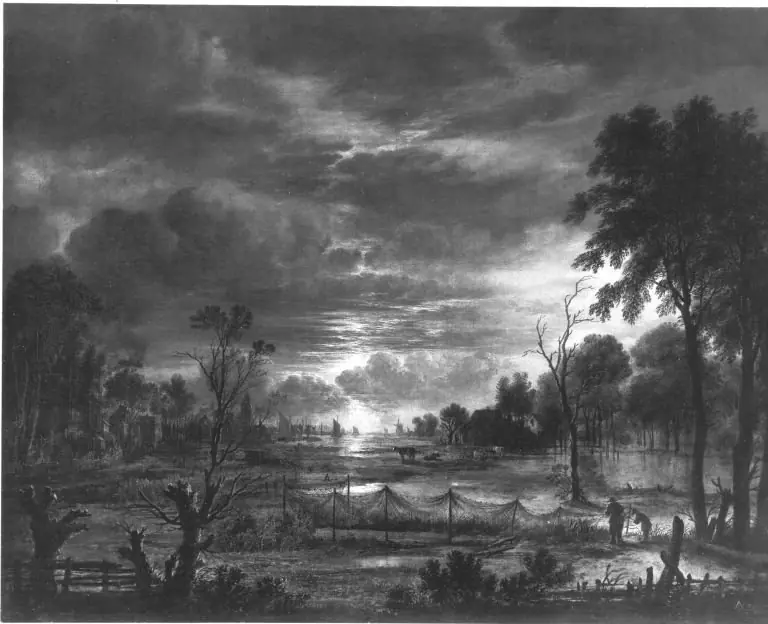
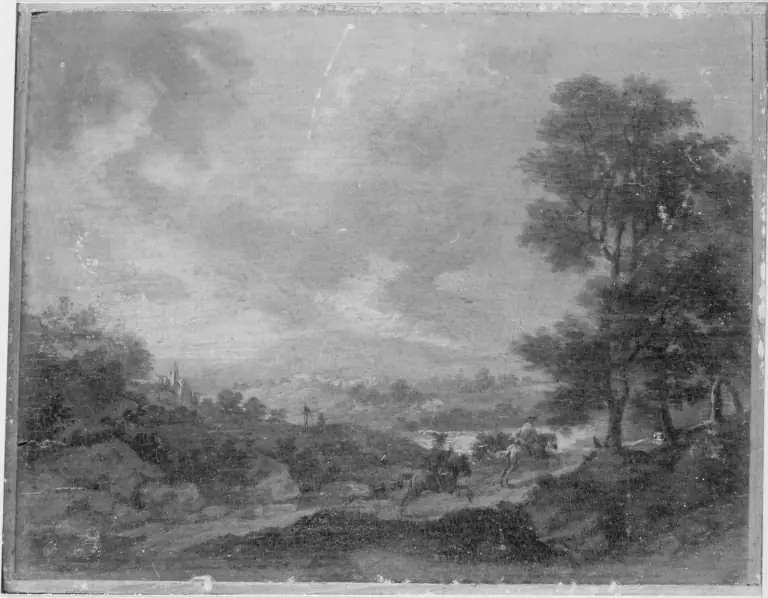
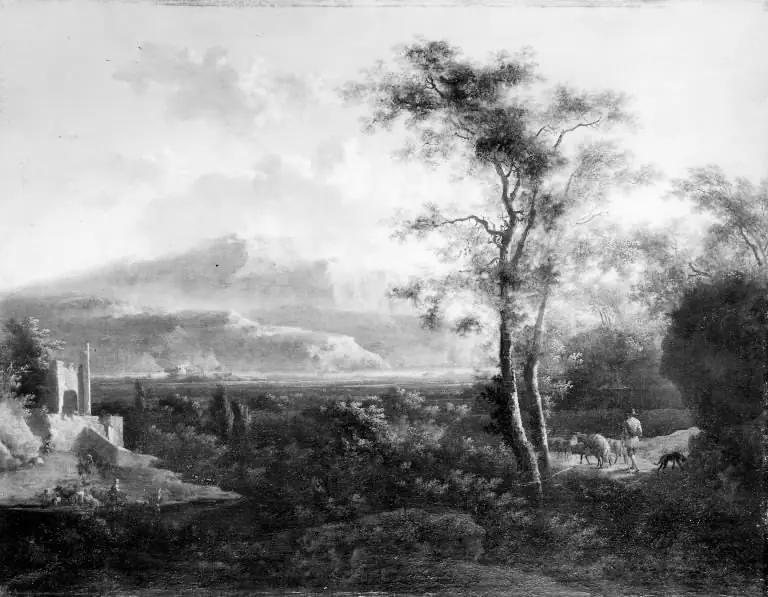
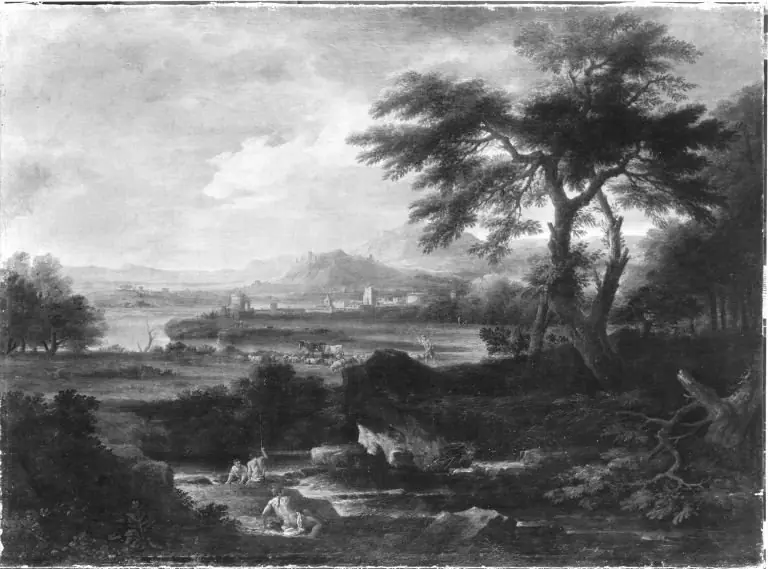
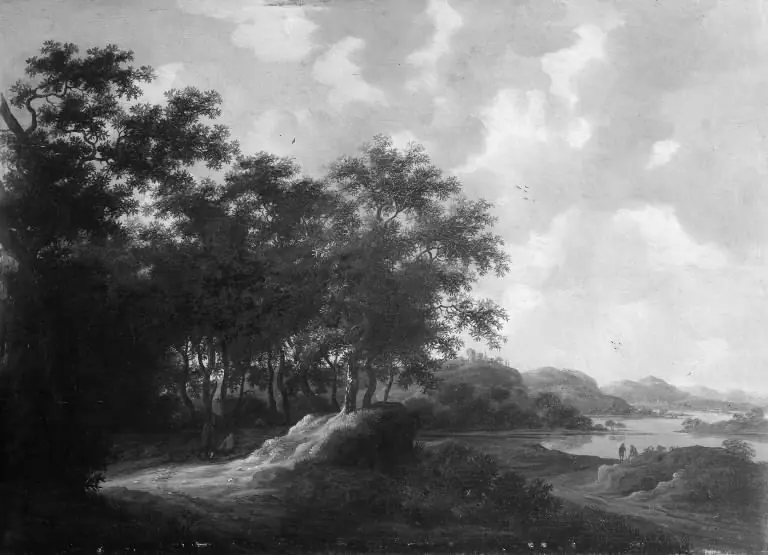
Mondscheinlandschaft (Art des) is an unspecified painting by the Dutch Golden Age artist Aert van der Neer. It dates from 1640 and is held in the collection of the Bavarian State Painting Collections.
About this work
Overview
The painting resides in the Alte Pinakothek, part of a body of work that quietly redefined atmospheric landscape representation in 17th-century Holland.
Aert van der Neer painted Mondscheinlandschaft (Art des) circa 1640, a quiet nocturnal landscape characteristic of his small-scale works. Though less prominent than peers like Cuyp or Hobbema, van der Neer developed a distinctive niche in Dutch Golden Age painting through his focus on moonlit scenes. The painting resides in the Alte Pinakothek, part of a body of work that quietly redefined atmospheric landscape representation in 17th-century Holland.
Subject & Meaning
The scene portrays a calm river at night, with a solitary boat near the foreground and a distant city skyline framed by trees. The atmosphere evokes stillness and solitude, typical of van der Neer’s interest in transitional moments between day and night. There is no narrative or human activity—only the quiet interplay of land, water, and sky under lunar light, suggesting contemplation rather than action.
Technique & Style
Van der Neer employed subtle chiaroscuro to model forms and suggest depth, using muted tones to enhance the illusion of moonlight filtering through cloud cover. His brushwork is precise yet unobtrusive, allowing light to emerge gradually across the surface. The sky’s soft gradations and the reflective quality of the water demonstrate a refined understanding of natural illumination, achieved without dramatic contrasts or artificial effects.
History & Provenance
The painting entered the Alte Pinakothek’s collection in the 19th century, likely through the broader acquisition of Dutch Golden Age works by Bavarian royalty. Its attribution to van der Neer has remained consistent, though few records detail its earlier ownership. Unlike more celebrated contemporaries, van der Neer’s works were rarely documented in contemporary inventories, contributing to his prolonged obscurity.
Context
In mid-17th century Holland, landscape painting flourished as a secular genre, reflecting civic pride and a fascination with nature. Van der Neer’s moonlit scenes stood apart from the sunlit vistas of his peers, offering a quieter, more introspective vision. His focus on nocturnal effects aligned with growing scientific interest in light and atmosphere, even as he avoided overt symbolism or grandeur.
Legacy
Van der Neer’s influence extended to later artists interested in nocturnal effects, though his reputation remained modest until the 19th century. His technical restraint and sensitivity to natural light helped shape the evolution of atmospheric landscape painting. Today, his works are valued not for spectacle but for their quiet precision and enduring sense of calm.
Artist & collection
Artist
Aert van der Neer, or Aernout or Artus (c. 1603 – 9 November 1677), was a landscape painter of the Dutch Golden Age, who specialized in small night scenes lit only by moonlight and fires, and snowy winter landscapes,…