Artwork
The Fratricide
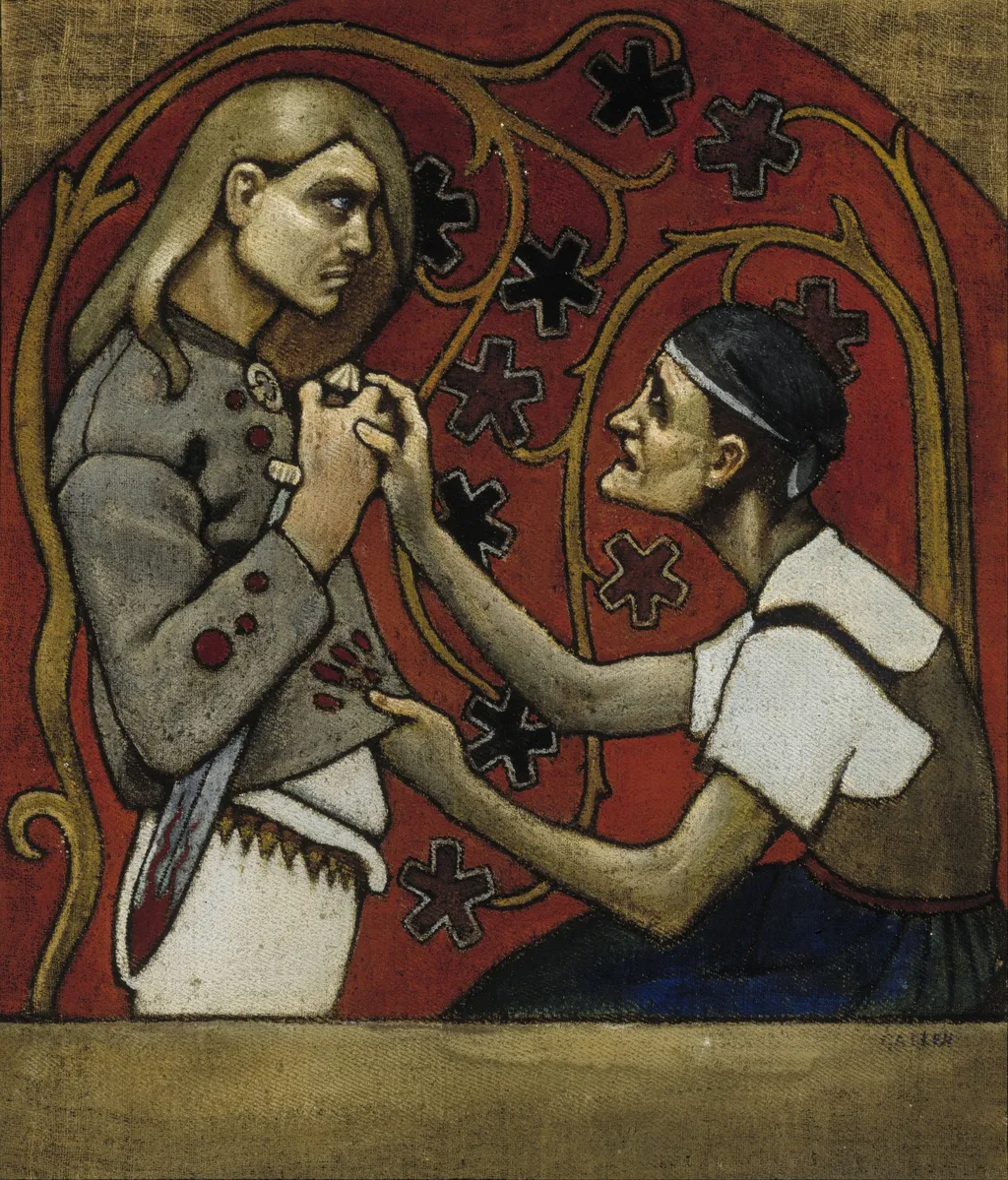
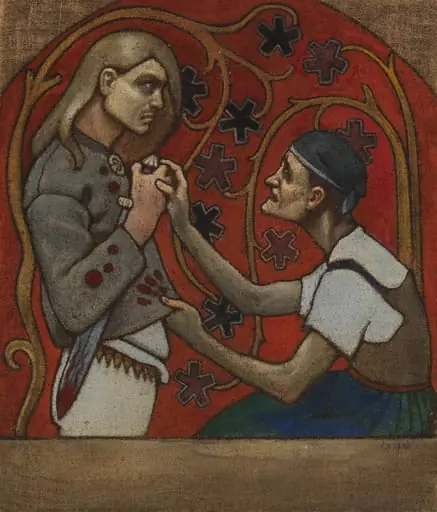
The Fratricide is a tempera painting by the Symbolist artist Akseli Gallen-Kallela. It dates from 1899 and is held in the collection of the Finnish National Gallery.
About this work
Overview
The Fratricide, created in 1899 by Akseli Gallen-Kallela, is a tempera painting embodying the Symbolist movement. It depicts a dramatic, violent scene between two men, characterized by intense interaction and symbolic elements.
Subject & Meaning
The painting portrays a tense, potentially violent encounter between two men, one threatening with a sword, the other apparently injured and defensive. The scene is set against a symbolic red archway adorned with gold accents and crosses, suggesting deeper thematic or national-romantic undertones.
Technique & Style
Executed in tempera, the work reflects Gallen-Kallela's shift from realism to Symbolism and national-romantic themes in the 1890s. The style emphasizes dramatic symbolism over realistic detail, characteristic of the Symbolist movement.
History & Provenance
Created in 1899, The Fratricide is now part of the collection at the Ateneum, a testament to Gallen-Kallela's significant contribution to Finnish national art.
Context
The painting's creation coincides with Gallen-Kallela's exploration of national-romantic and Symbolist themes, aligning with the broader artistic movements in Europe during the late 19th century.
Legacy
As a key work by Gallen-Kallela, The Fratricide contributes to the legacy of Finnish romantic nationalism in art, illustrating the artist's influence on the country's national identity through Symbolist expression.
Artist & collection
Artist
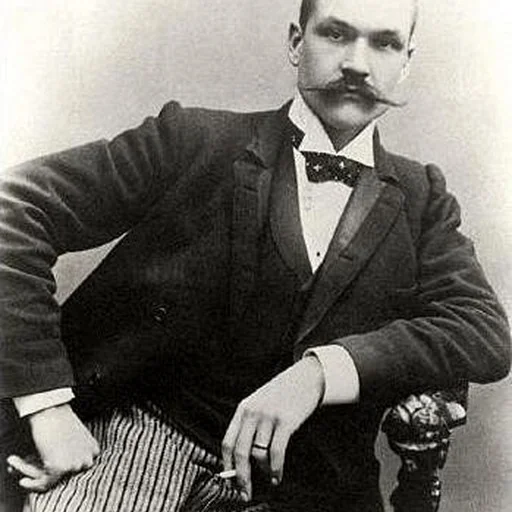
Akseli Gallen-Kallela (born Axel Waldemar Gallén; 26 April 1865 – 7 March 1931) was a Finnish painter and a leading figure of Finnish romantic nationalism around the turn of the 20th century.

 Velisurmaaja
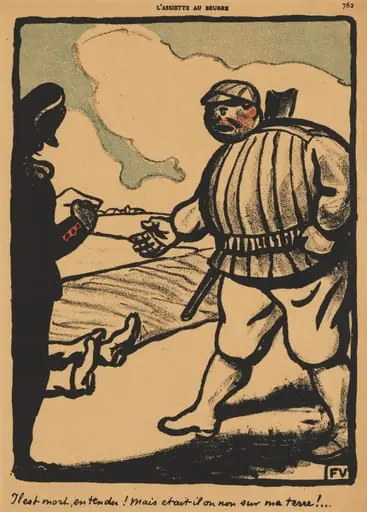 All right, so he's dead!...
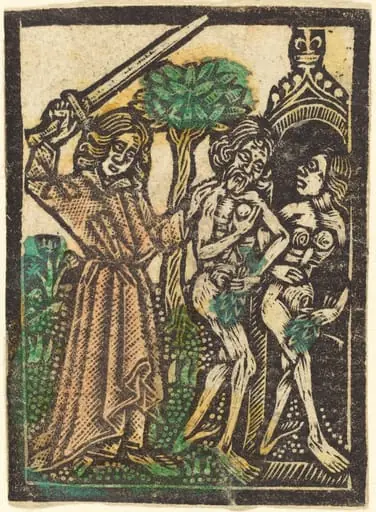 The Expulsion from the Garden of Eden
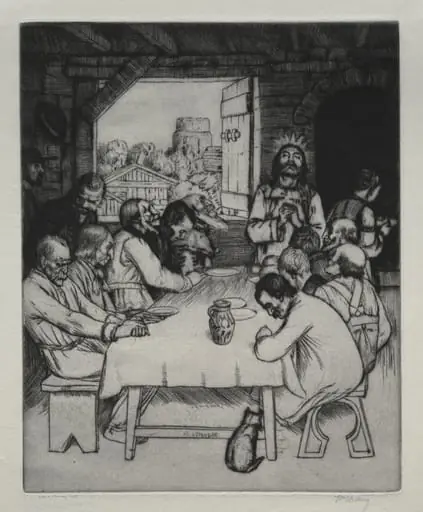 The Last Supper
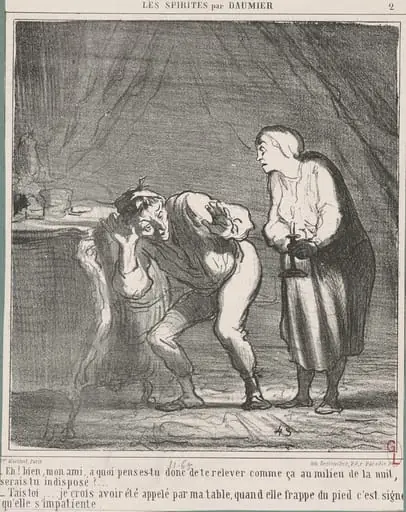 Eh! Bien ... mon ami, a quoi penses-tu? ...
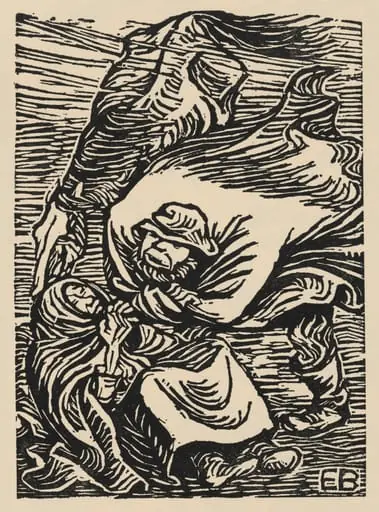 Gruppe im Sturm (Couple in a Storm) from Deutsche Graphiker der Gegenwart (German Printmakers of Our Time)
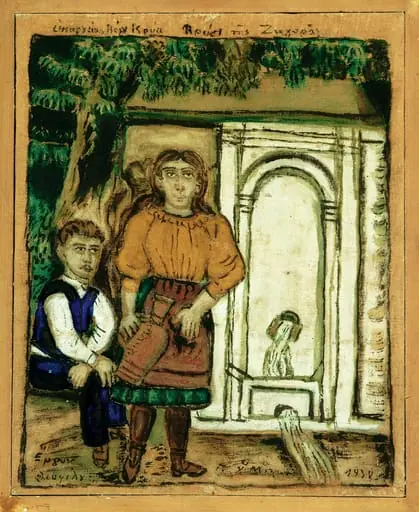 Ζευγάρι στην πηγή Ζαγοράς
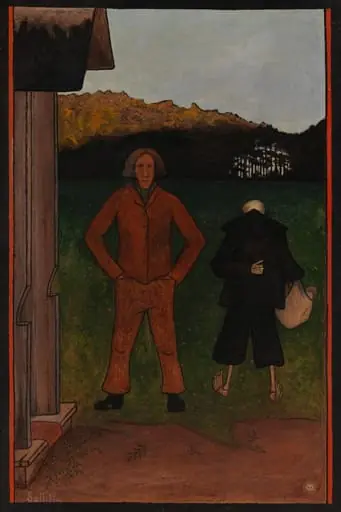 Sallittu
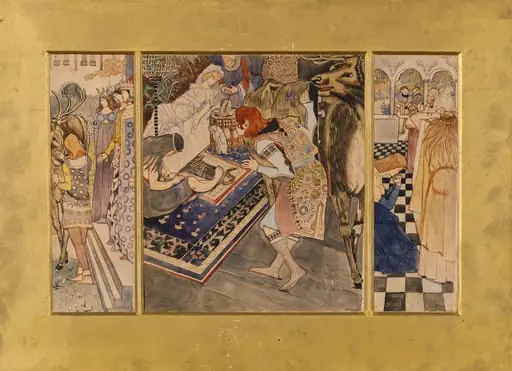 CERBUL DE AUR
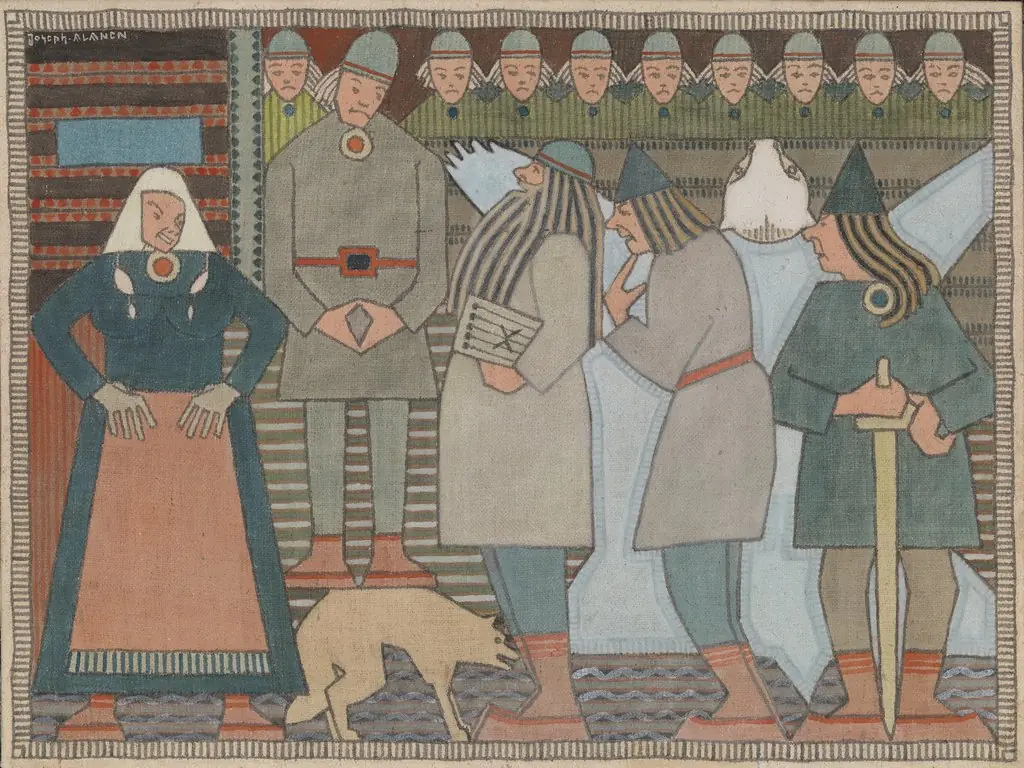 Arrival of Väinämöinen, Ilmarinen and Lemminkäinen at Pohjola
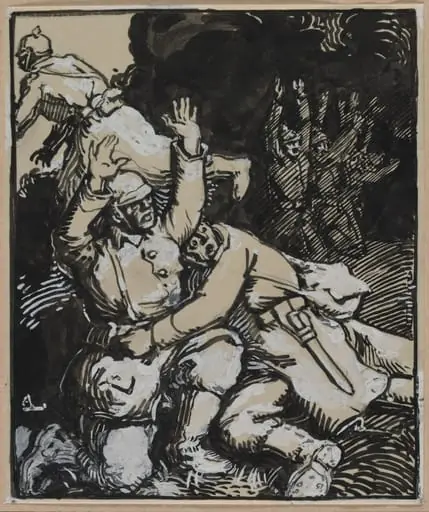 Dans une tranchée, des soldats allemands se rendent