Artwork
The Vesuv at night
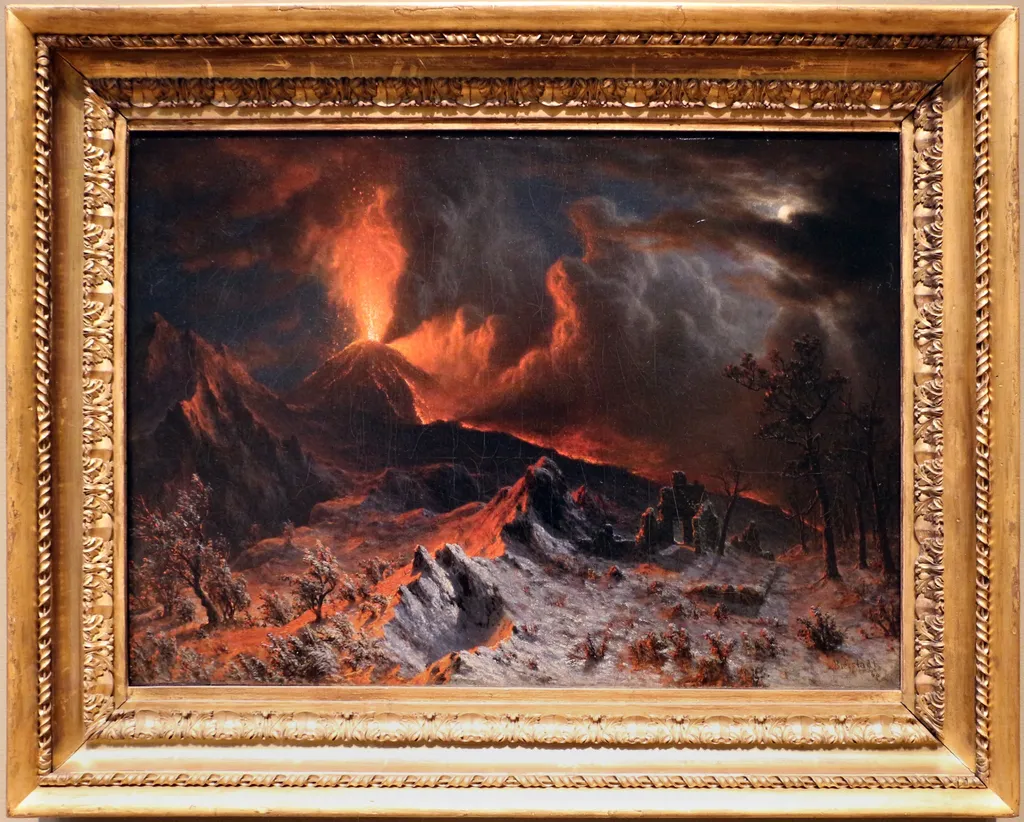
The Vesuv at night is an unspecified painting by the American Impressionist artist Albert Bierstadt. It dates from 1868 and is held in the collection of the Cleveland Museum of Art.
About this work
Overview
The painting is part of The Cleveland Museum of Art's collection and showcases Bierstadt's characteristic approach to depicting natural power and spectacle.
Albert Bierstadt, a German-American painter known for his grand depictions of the American West, created The Vesuv at night in 1868. This dramatic landscape captures Mount Vesuvius in a nocturnal eruption, with fire and smoke illuminating the dark surroundings. The painting is part of The Cleveland Museum of Art's collection and showcases Bierstadt's characteristic approach to depicting natural power and spectacle.
Subject & Meaning
The painting vividly portrays Mount Vesuvius erupting under a night sky. Flames and thick smoke ascend dramatically, partially obscuring a bright moon. Dark mountains and trees frame the fiery peak, while the ground below is blanketed in snow, creating a stark contrast. This depiction emphasizes the raw, sublime power of nature, a recurring theme in 19th-century Romantic landscape art.
Technique & Style
Bierstadt employed warm, golden tones alongside deep shadows and striking highlights to achieve a profound sense of depth and theatricality. The brushwork is notably bold and expressive, with a visible texture that contributes to the painting's dynamic energy. This approach allows the artist to convey the intense heat and light of the volcanic eruption, creating a powerful visual experience that aligns with his dramatic landscape tradition.
History & Provenance
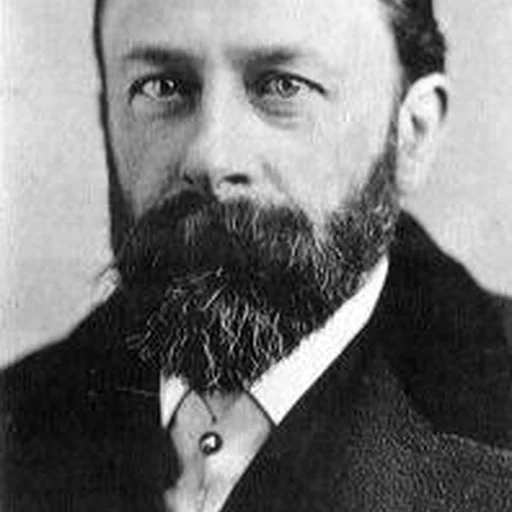
Born in Prussia and raised in the United States, Albert Bierstadt honed his artistic skills studying in Düsseldorf. He later became a prominent figure within the second generation of the Hudson River School, a group celebrated for their detailed and awe-inspiring American landscapes. The Vesuv at night, completed in 1868, is presently housed in the collection of The Cleveland Museum of Art.
Context
Bierstadt was widely recognized for his sweeping vistas, particularly those of the American West, which often conveyed a sense of the sublime. While The Vesuv at night depicts a European subject, it reflects his broader interest in monumental natural phenomena and his ability to infuse landscapes with dramatic light and atmosphere. The work exemplifies his contribution to 19th-century landscape painting, extending beyond his more famous Western scenes.
Artist & collection