Artwork
The Fall and Redemption of Man: The Presentation of the Virgin in the Temple
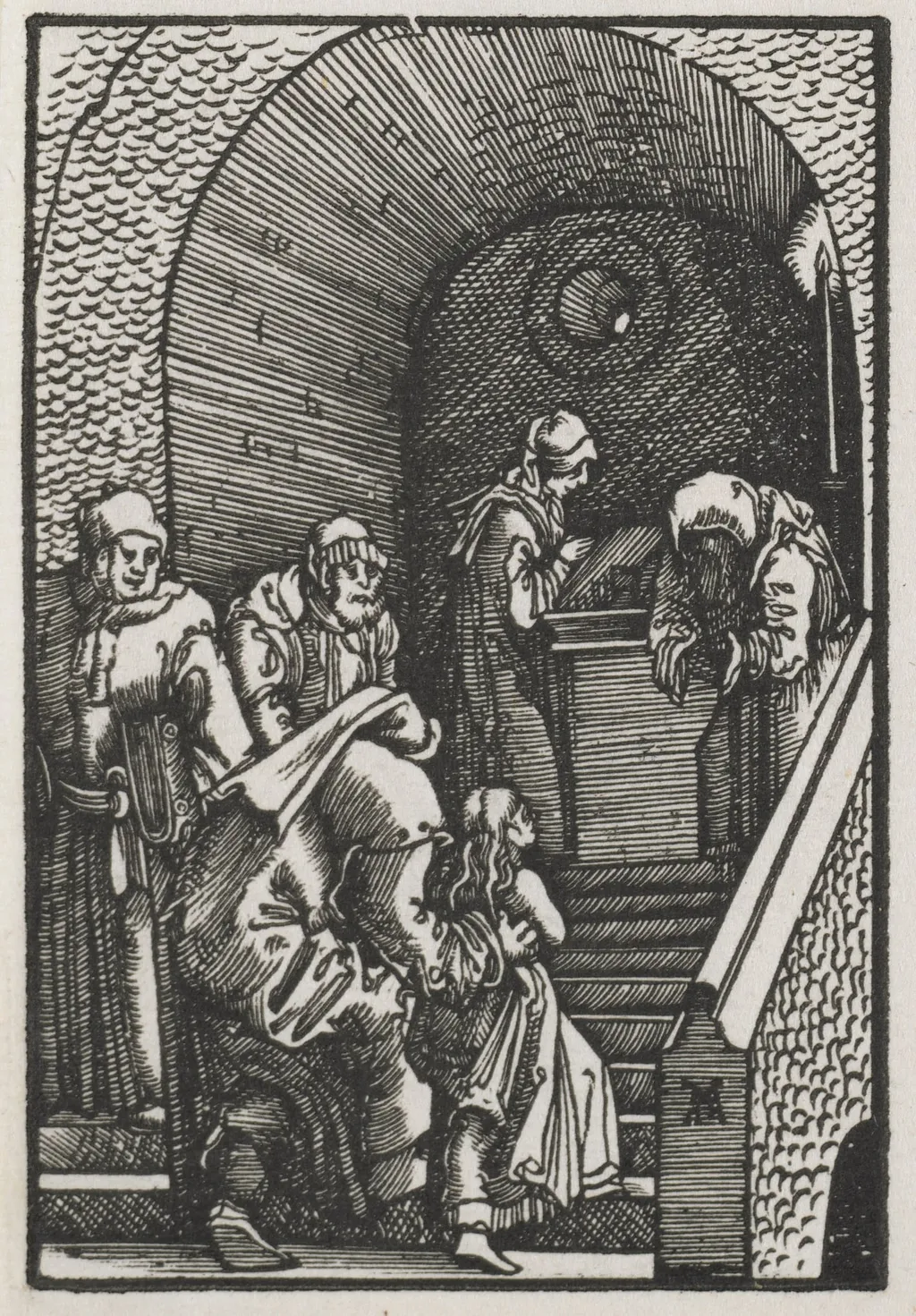
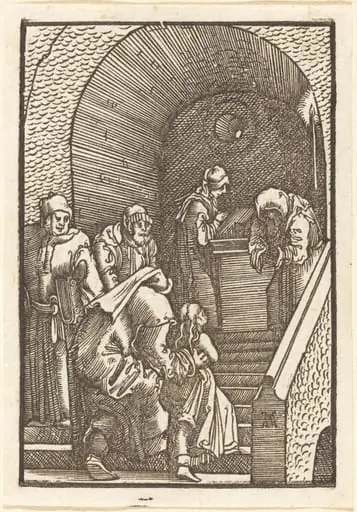
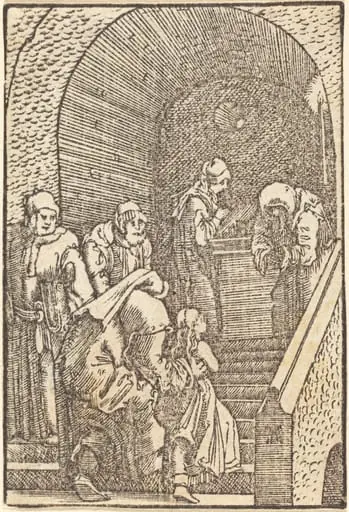
The Fall and Redemption of Man: The Presentation of the Virgin in the Temple is a print by the Renaissance artist Albrecht Altdorfer. It dates from 1515 and is held in the collection of the Cleveland Museum of Art.
About this work
Overview
Created by Albrecht Altdorfer around 1513, the prints were originally produced on five large sheets, each holding eight images.
This set of eight woodcuts is part of a larger series of forty scenes depicting the Christian narrative of sin and salvation, from the Fall of Man to the Last Judgment. Created by Albrecht Altdorfer around 1513, the prints were originally produced on five large sheets, each holding eight images. To facilitate distribution, sheets were typically divided into individual prints, though the museum’s version retains half-sheets, preserving four scenes per fragment.
Subject & Meaning
The scenes illustrate key moments in theological history, including the Presentation of the Virgin in the Temple, which symbolizes her consecration and foreshadows Christ’s future role. Though arranged out of chronological sequence, the selection emphasizes thematic resonance over linear storytelling, suggesting a meditative approach to redemption rather than a didactic one. Each image functions as a devotional vignette within a broader spiritual arc.
Technique & Style
Achieving fine detail in woodcut was uncommon at the time, as the medium typically favored bold lines. Altdorfer’s precision here rivals that of his earlier engravings, pushing the technical limits of woodblock carving. The intricate architecture, delicate figures, and subtle shading reflect a mastery rarely seen in woodcut before. The scale, nearly double that of Dürer’s Small Passion, further underscores the ambition of the project.
History & Provenance
The series was likely produced for private devotion or scholarly collectors, given its complexity and small format. By 1513, Altdorfer had established a reputation for intricate graphic work. The prints circulated in Germany and possibly beyond, though few complete sets survive. The museum’s holdings, with sheets only halved, represent an unusual preservation state, offering insight into how the prints were handled before individual sale.
Context
Altdorfer’s series emerged during a period of intense interest in visual theology, alongside Dürer’s Passion prints and Holbein’s later Dance of Death. While Dürer’s work influenced Altdorfer’s composition, the latter’s use of landscape and spatial depth reflects the emerging Northern Renaissance sensibility. The choice to depict sacred history in miniature form aligned with a growing market for portable, contemplative imagery among educated laypeople.
Legacy
The series stands as a rare example of early 16th-century woodcut achieving engraving-like refinement. It expanded the potential of the medium for narrative complexity and intimate scale. Though less widely known than Dürer’s prints, Altdorfer’s work influenced later German graphic artists who sought to merge detailed naturalism with spiritual themes, cementing woodcut’s place in devotional art beyond broadsheets and popular prints.
Artist & collection
Artist
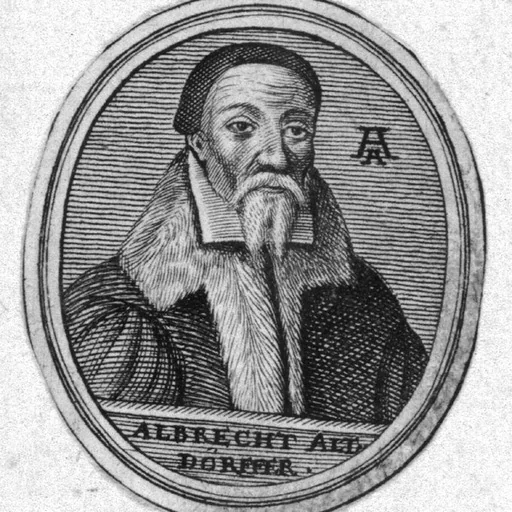
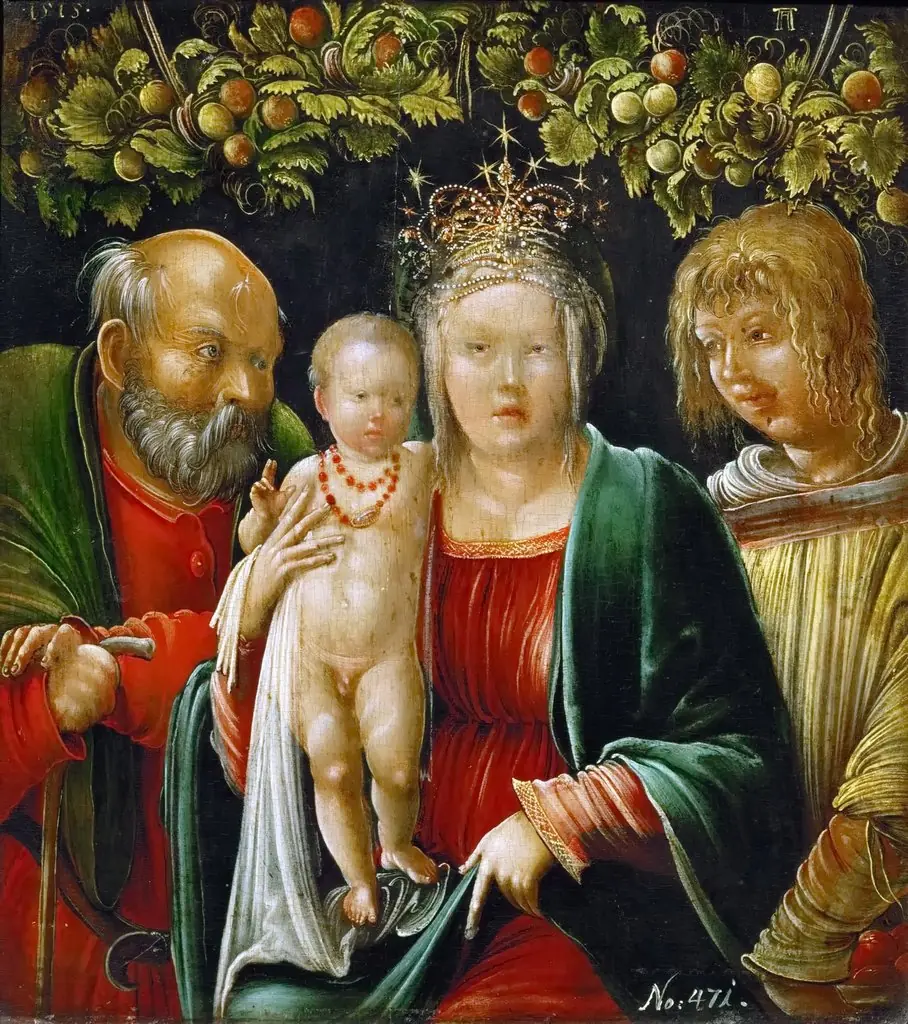
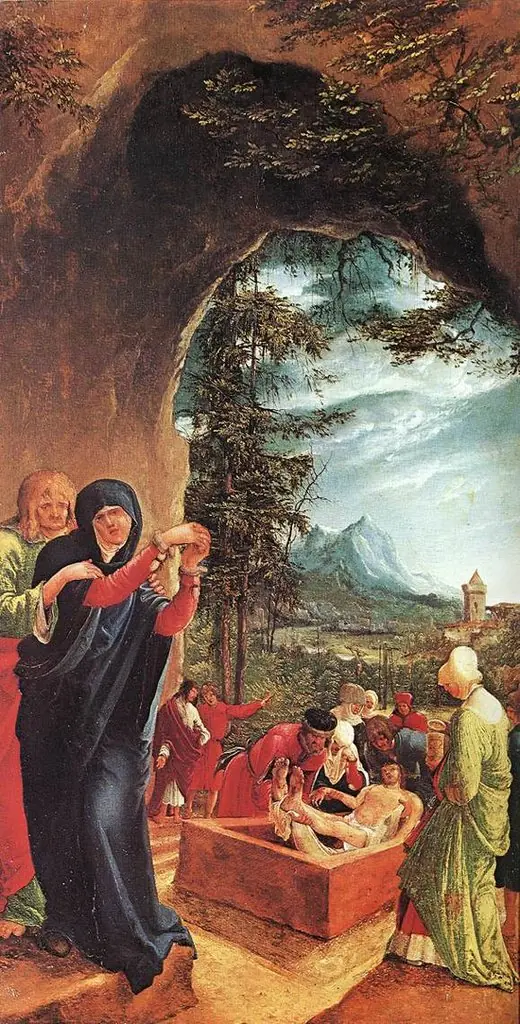
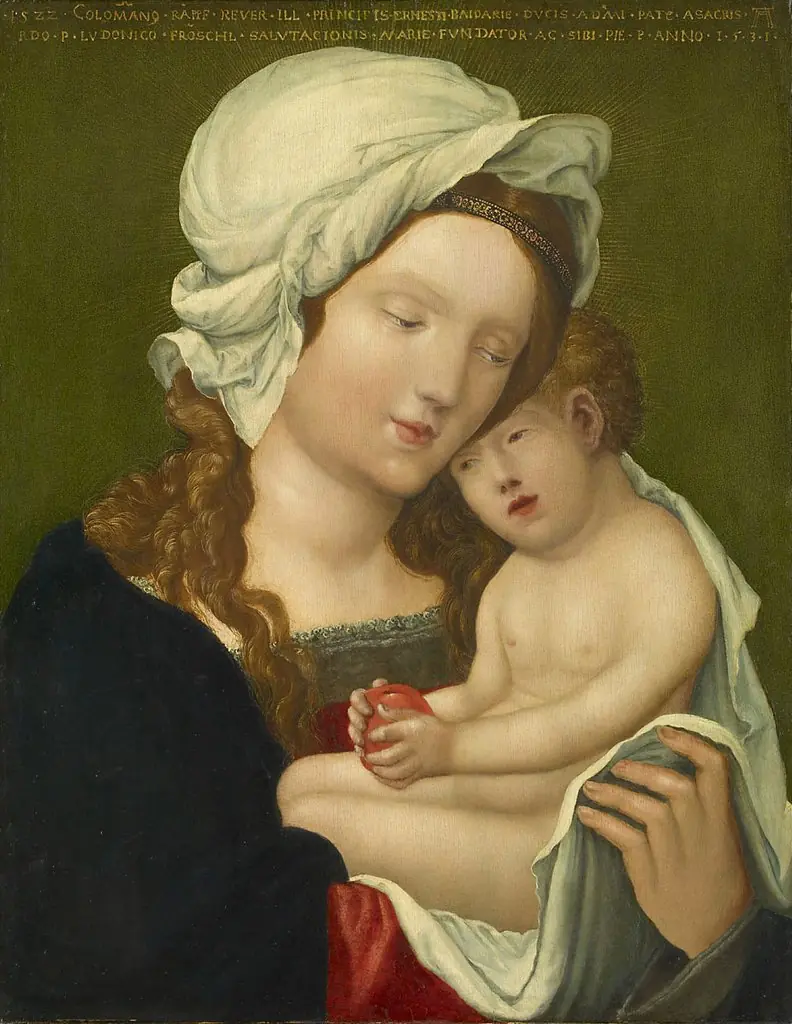
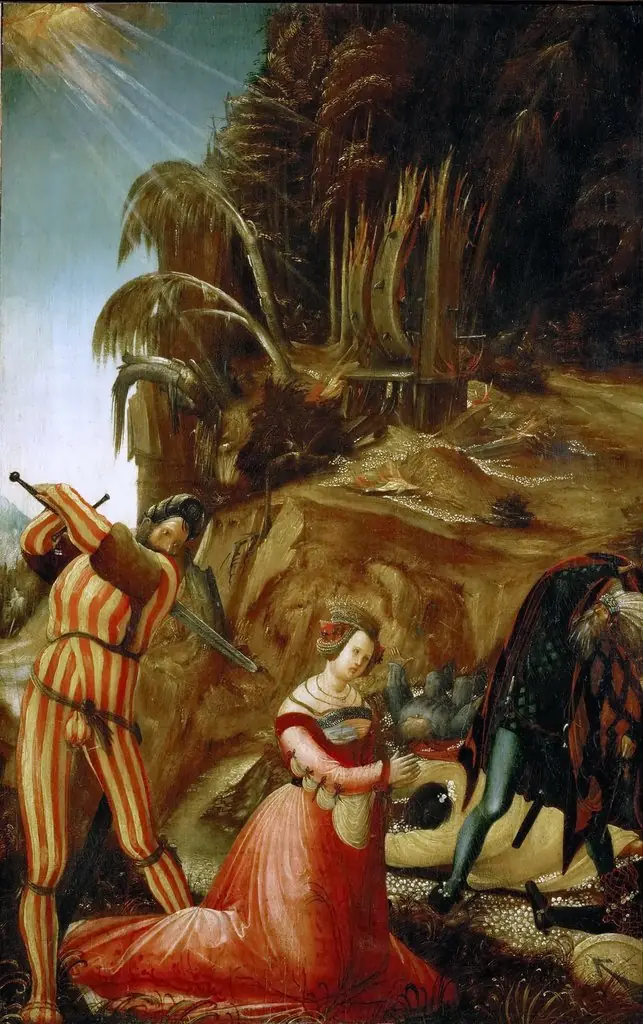
Albrecht Altdorfer (c. 1480 – 12 February 1538) was a German painter, engraver and architect of the Renaissance working in Regensburg. Along with Lucas Cranach the Elder and Wolf Huber he is regarded to be the main…

 Presentation of the Virgin
 Presentation of the Virgin
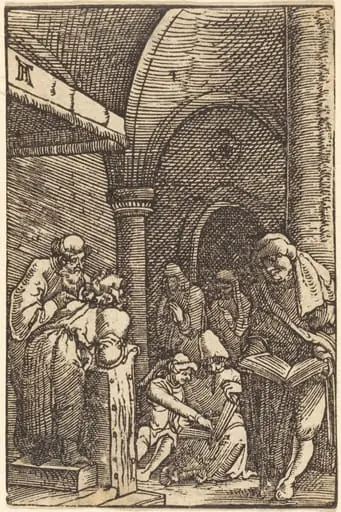 Christ Disputing with the Doctors
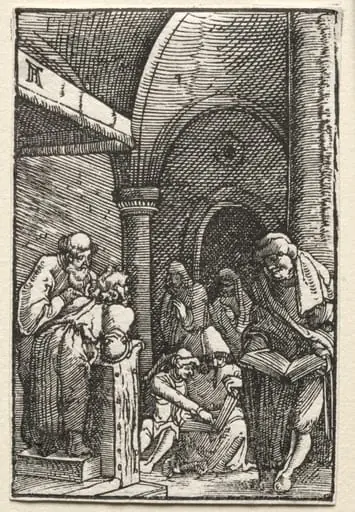 The Fall and Redemption of Man: Christ Disputing with the Doctors
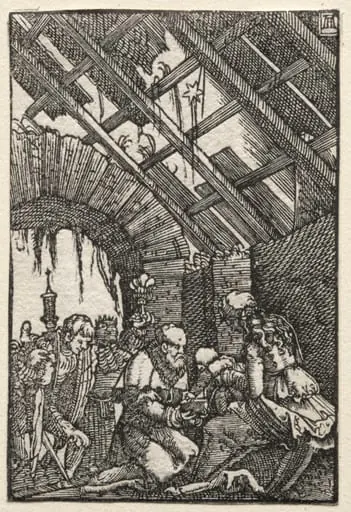 The Fall and Redemption of Man: The Adoration of the Magi
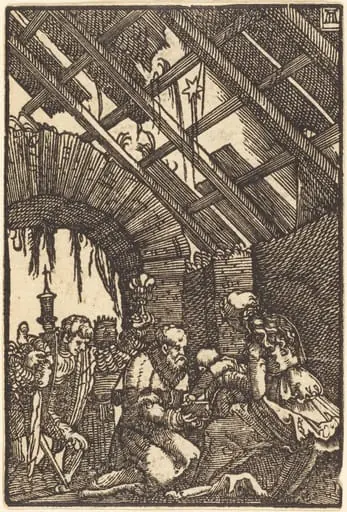 The Adoration of the Magi
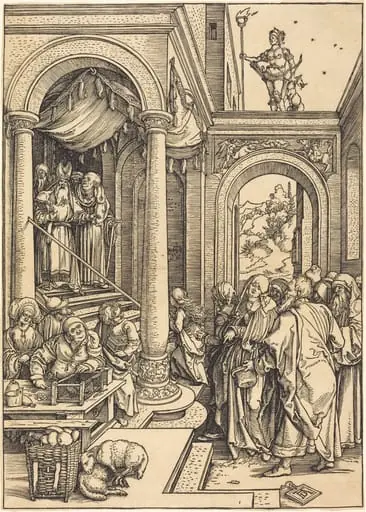 The Presentation of the Virgin in the Temple
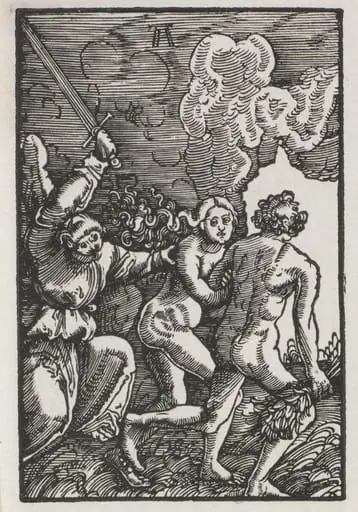 The Fall and Redemption of Man: The Expulsion from Eden