Artwork
Rest on the Flight to Egypt
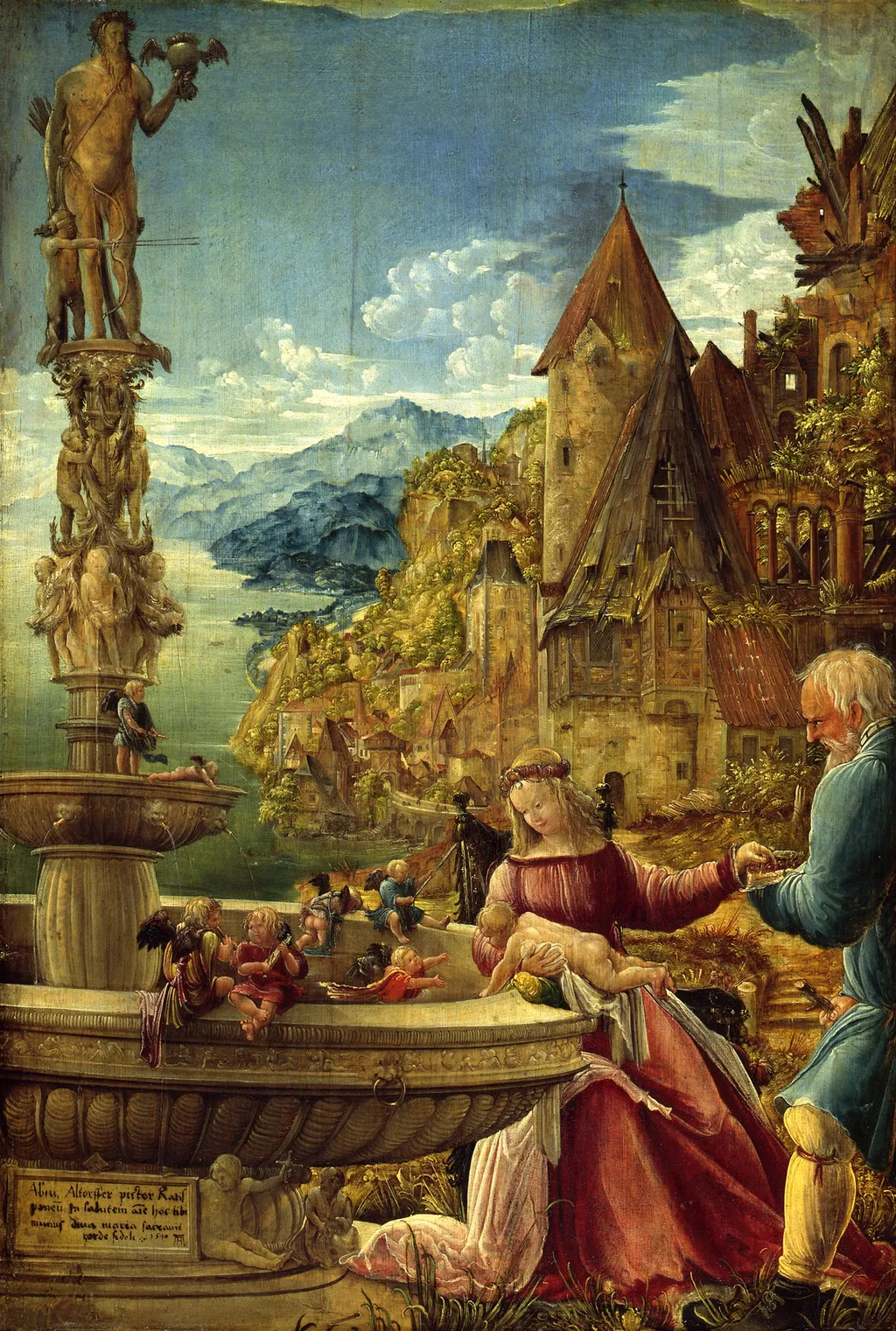
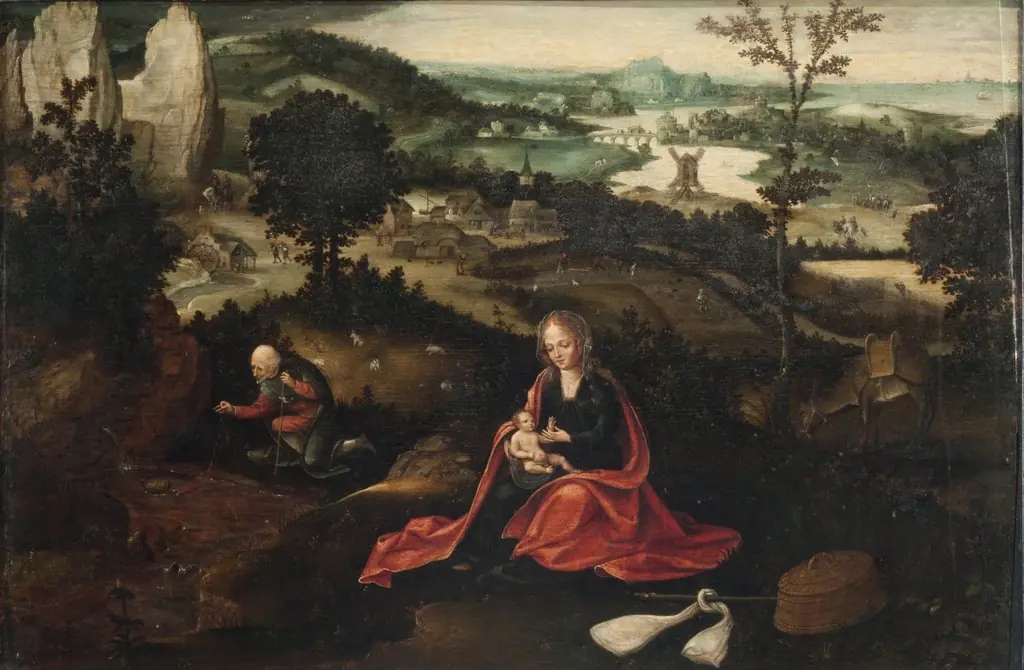
Rest on the Flight to Egypt is an oil painting by the Northern Renaissance artist Albrecht Altdorfer. It dates from 1510 and is held in the collection of the Gemäldegalerie Berlin.
About this work
Overview
Painted around 1510 by Albrecht Altdorfer, this work is a key example of the Danube School, a regional style known for its immersive naturalism.
Painted around 1510 by Albrecht Altdorfer, this work is a key example of the Danube School, a regional style known for its immersive naturalism. The scene captures a moment of pause during the Holy Family’s journey into Egypt, rendered not as a devotional icon but as a quiet interlude within a richly detailed landscape. Altdorfer’s fusion of sacred narrative with atmospheric terrain marks a distinctive shift in Northern Renaissance painting.
Subject & Meaning
The painting illustrates the biblical episode of the Flight into Egypt, where Mary, Joseph, and the infant Jesus seek refuge. Rather than emphasizing theological drama, Altdorfer focuses on stillness and solitude. Mary, seated beside a fountain with the child, is surrounded by symbolic elements—cherubs, a classical statue, and a distant castle—that suggest a liminal space between the earthly and the divine, inviting contemplation over narrative clarity.
Technique & Style
Altdorfer employed fine brushwork and layered glazes to achieve luminous color and atmospheric depth. The landscape dominates the composition, with meticulous rendering of foliage, water, and distant topography. The figures are small within the expansive scene, emphasizing nature’s scale and mystery. The blending of real and imagined architecture, along with the statue’s classical form, reflects a fascination with antiquity and the uncanny within familiar settings.
History & Provenance
Created during Altdorfer’s time in Regensburg, the painting entered the collection of the Gemäldegalerie Berlin in the 19th century. It has remained there since, with no documented changes in ownership after its acquisition. Its survival through centuries of political and cultural upheaval underscores its status as a preserved artifact of early 16th-century German artistic practice.
Context
In early 16th-century southern Germany, religious subjects were increasingly framed within naturalistic environments, reflecting broader humanist interests in observation and place. Altdorfer’s work diverged from traditional altarpiece conventions by prioritizing landscape as both setting and emotional tone. The inclusion of pagan imagery, like the statue, reveals a cultural moment where classical antiquity and Christian narrative coexisted in visual thought.
Legacy
Altdorfer’s integration of landscape as a carrier of mood and meaning influenced later generations of German painters. While not widely copied, his approach to embedding sacred stories within complex, dreamlike environments helped expand the possibilities of narrative painting. The work remains a touchstone for understanding how Northern Renaissance artists reimagined spiritual themes through the lens of the natural world.
Own this work as a print
Artist & collection
Artist
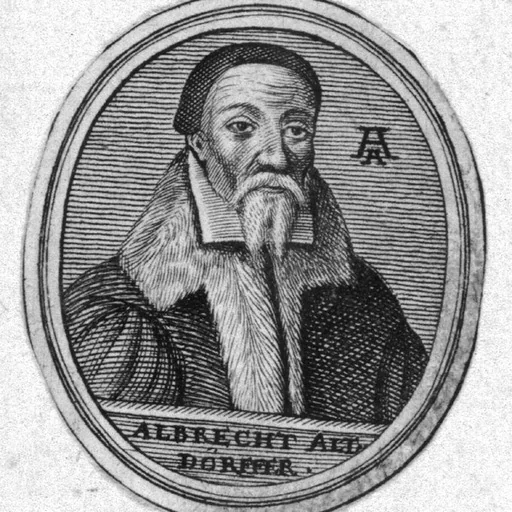
Albrecht Altdorfer (c. 1480 – 12 February 1538) was a German painter, engraver and architect of the Renaissance working in Regensburg. Along with Lucas Cranach the Elder and Wolf Huber he is regarded to be the main…

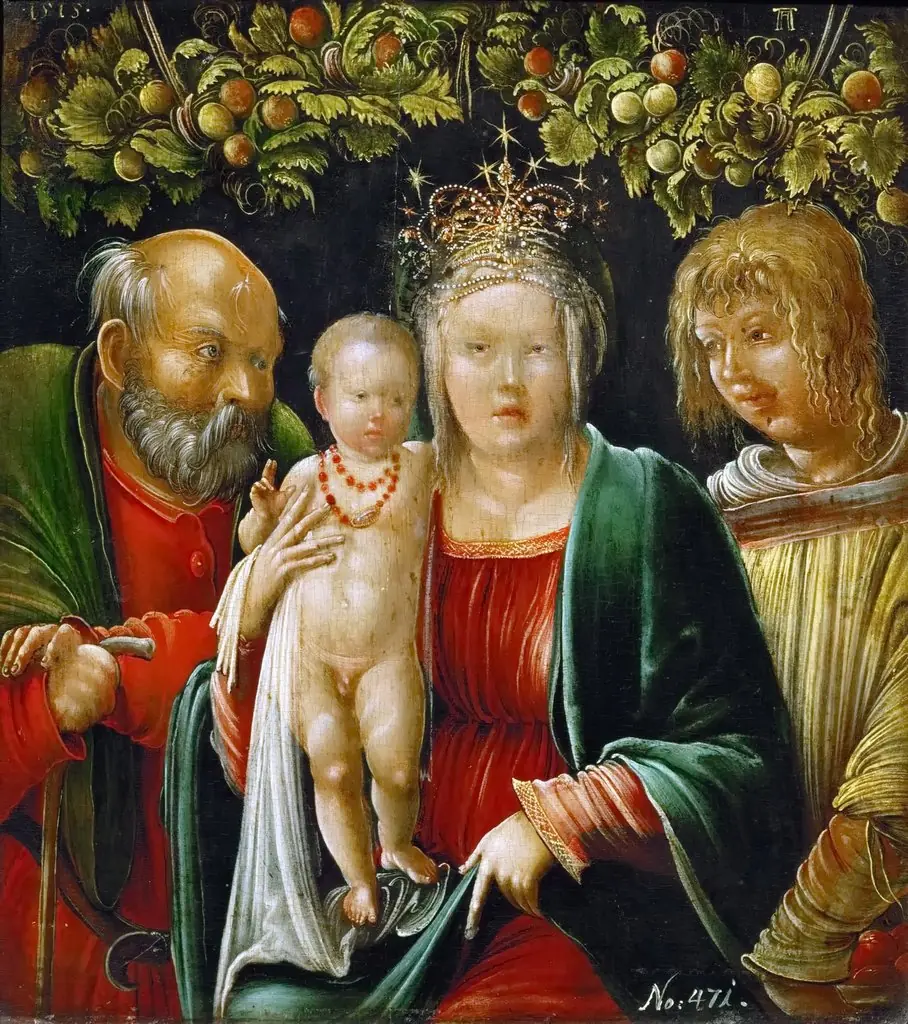
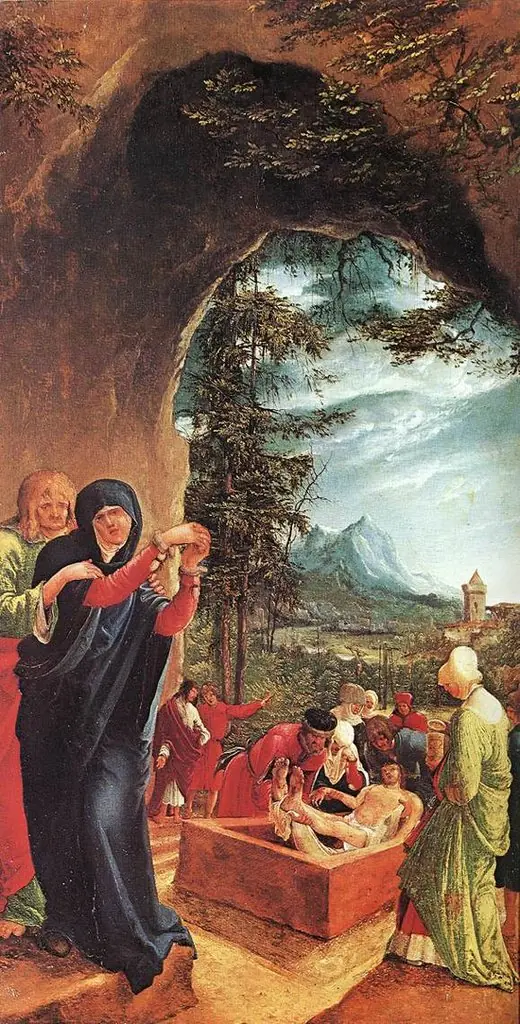
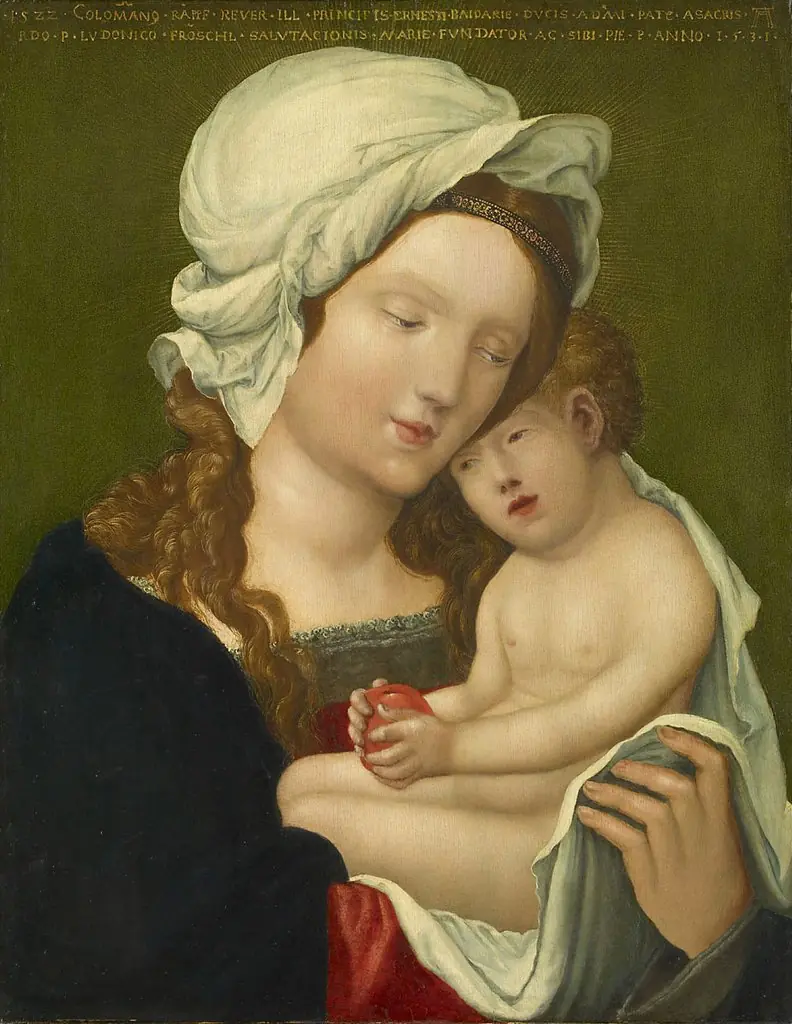
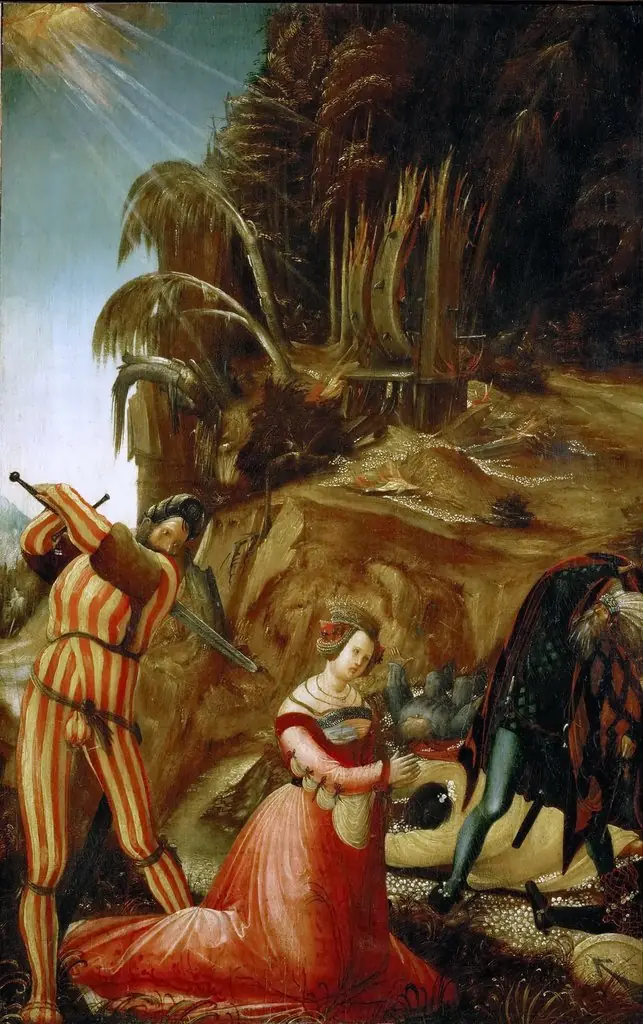
 Rest on the Flight into Egypt
 The Baptism of Christ
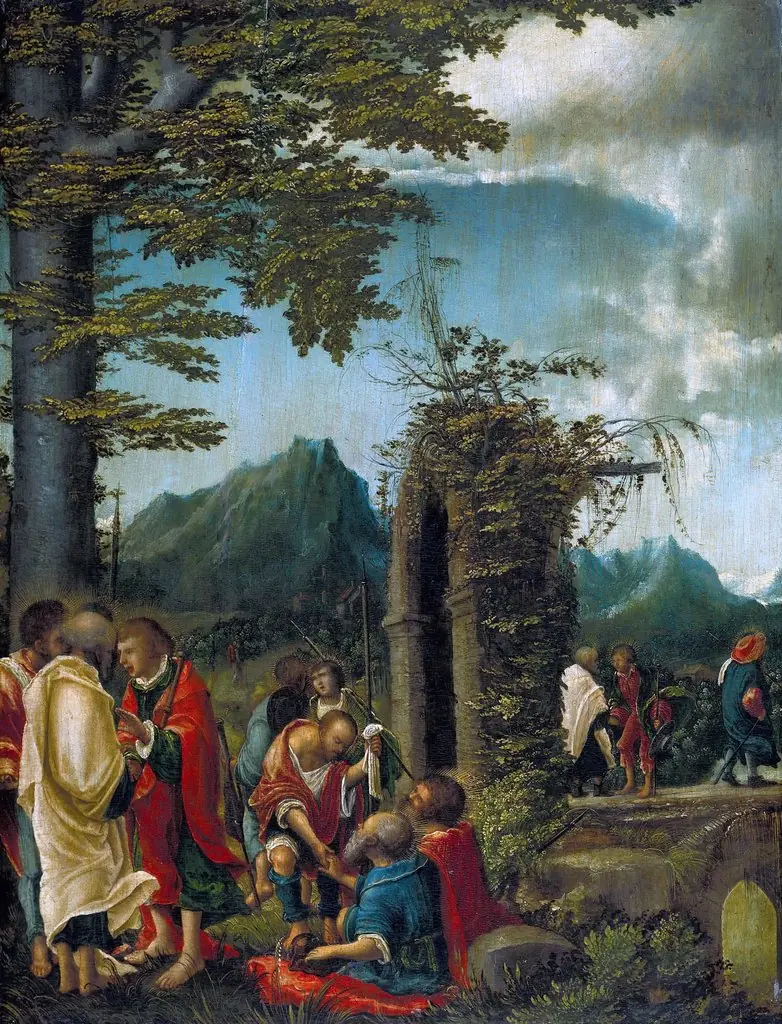 Communion of the Apostles
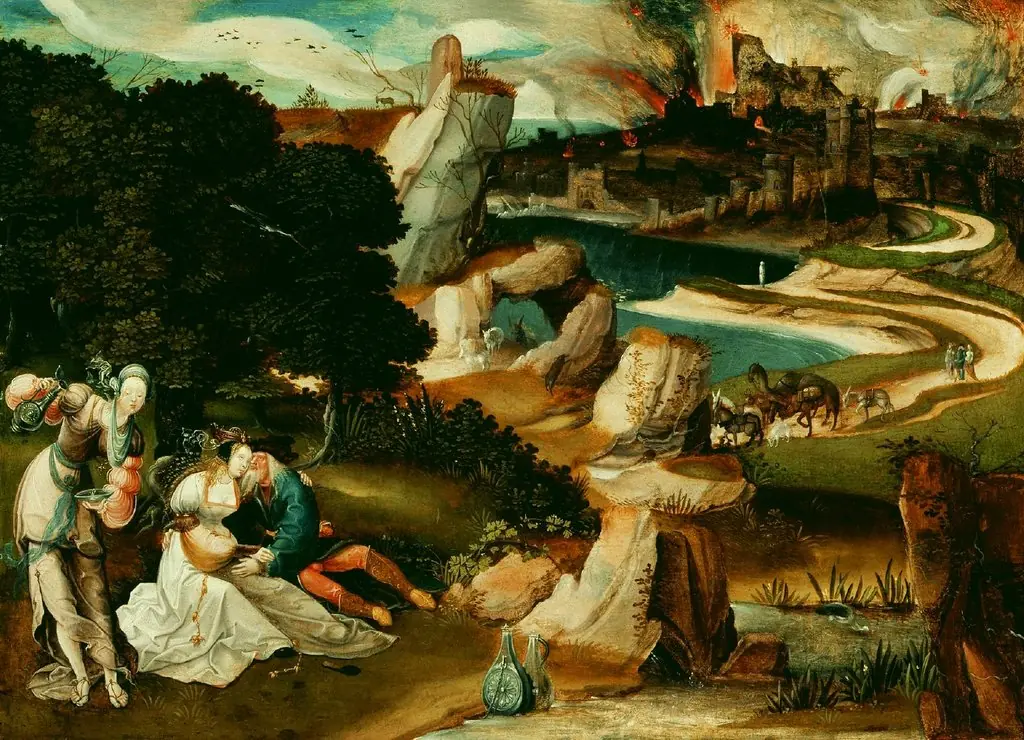 Lot and his daughters
 Lot and his daughters
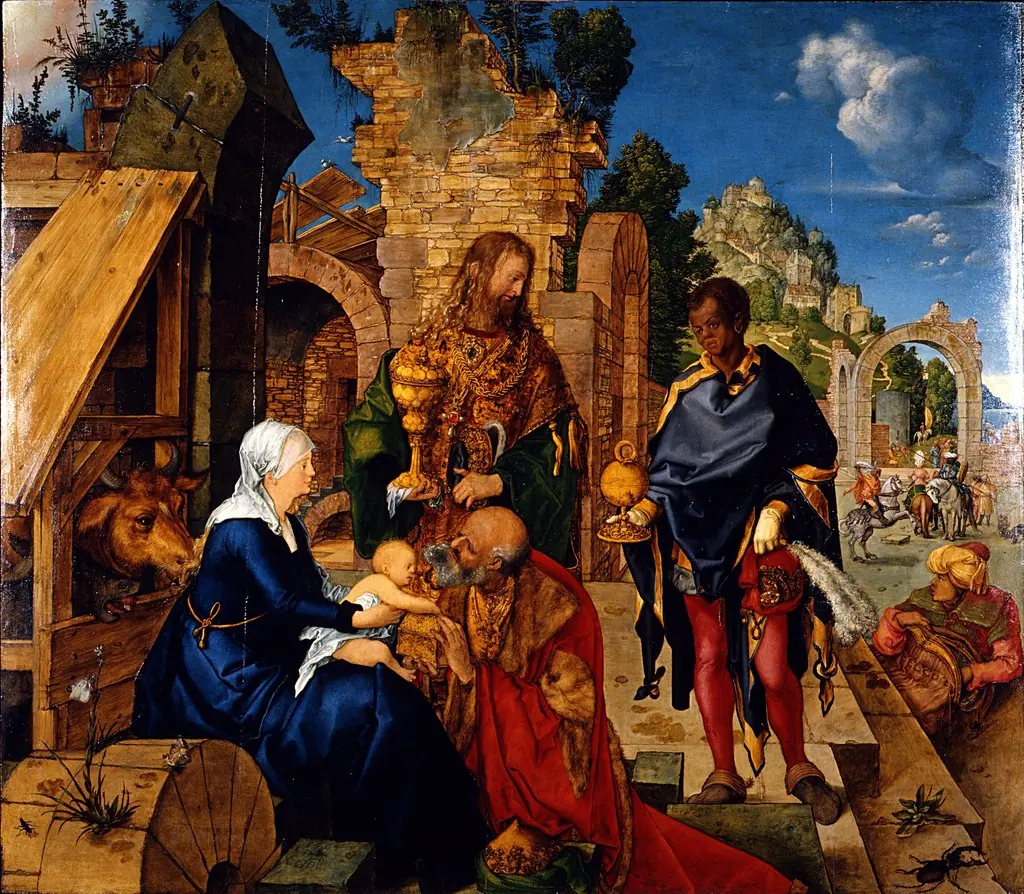 Adoration of the Magi
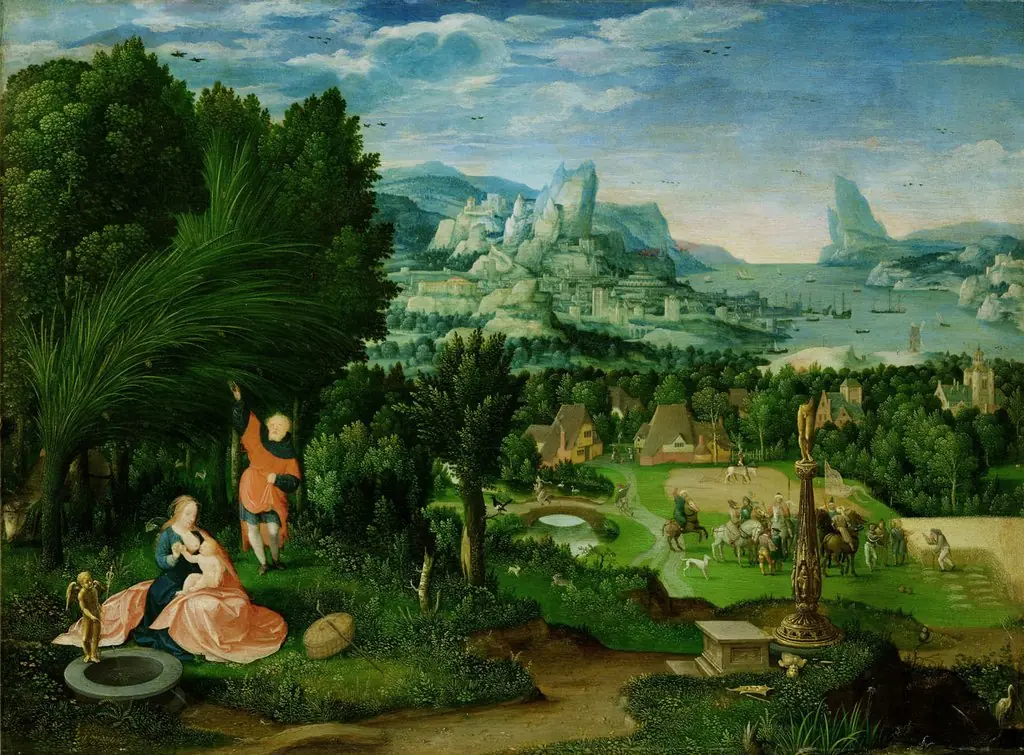 Landscape with the Rest on the Flight into Egypt
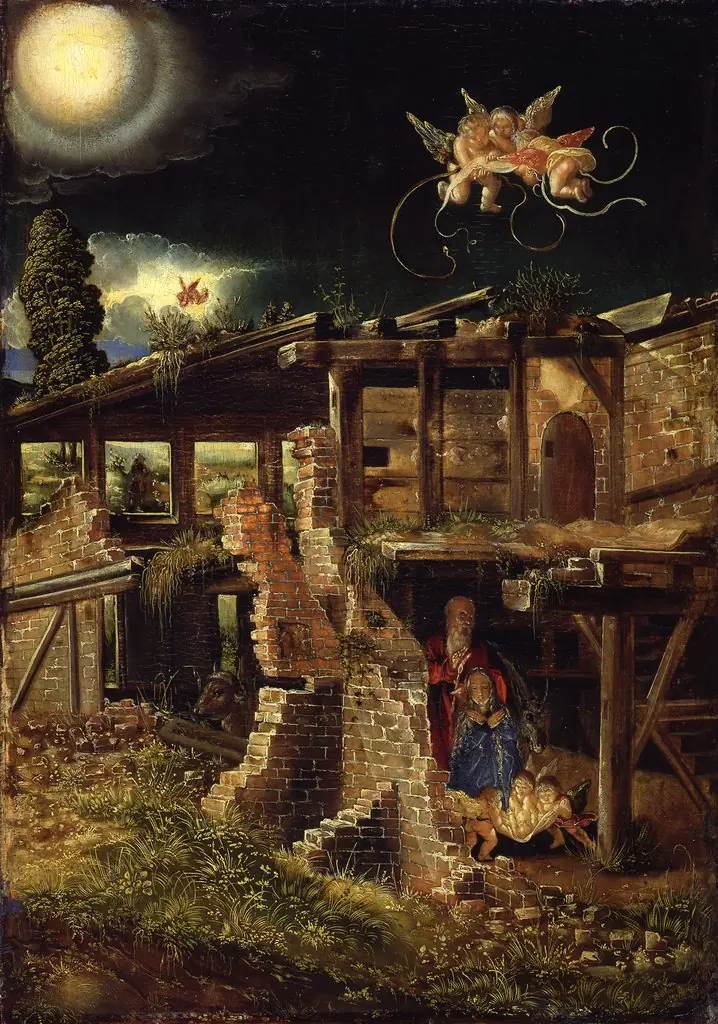 The Birth of Christ
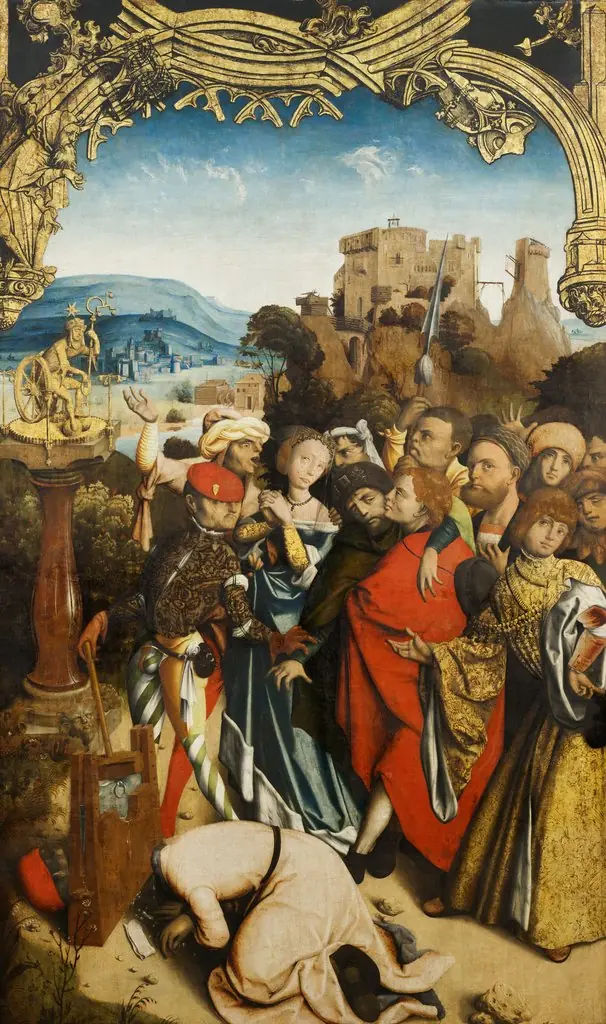 Martyrium der hll. Cantius, Cantianus und Cantianilla (Innenseite); Auferstehung Christi (Außenseite)
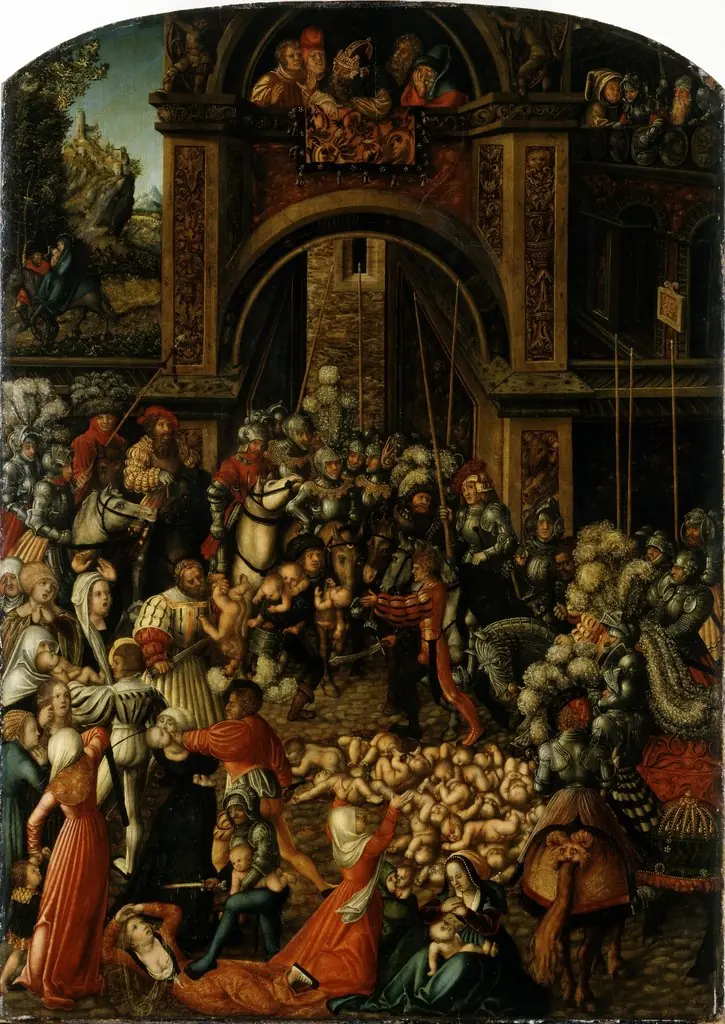 The Massacre of the Innocents