Artwork
Federico, Prince of Urbino, at the Age of Eighteen Months
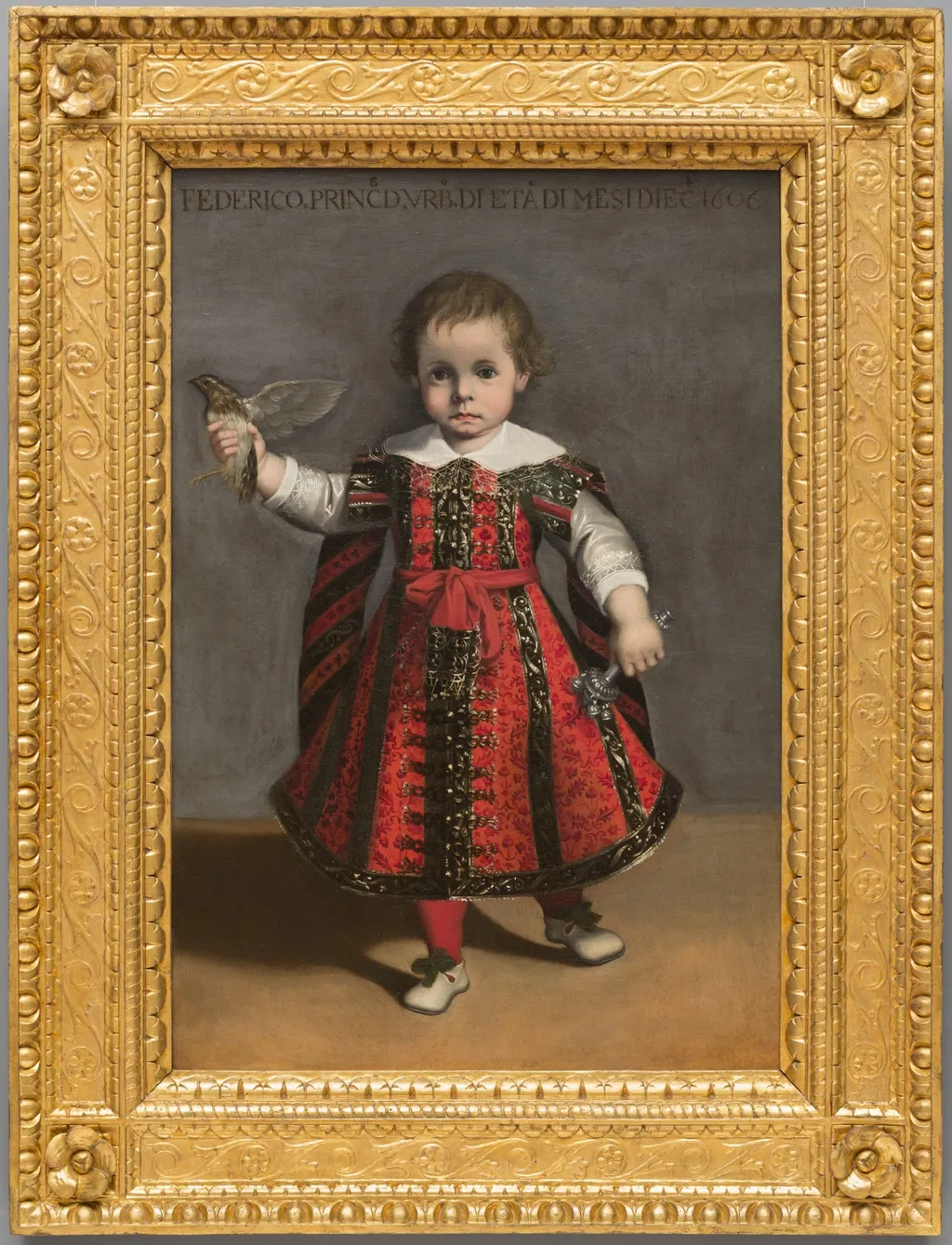
Federico, Prince of Urbino, at the Age of Eighteen Months is an oil painting by the Early Baroque Italian artist Alessandro Vitali. It dates from 1606 and is held in the collection of the Detroit Institute of Arts.
About this work
Overview
It is now part of the Detroit Institute of Arts collection, where it remains one of the few surviving portraits of the young prince.
Painted in 1606 by Alessandro Vitali, this oil-on-canvas portrait captures Federico Ubaldo della Rovere, heir to the Duchy of Urbino, at just eighteen months old. The work reflects the transition from late Renaissance to early Baroque sensibilities in central Italy, emphasizing refined detail and quiet psychological presence. It is now part of the Detroit Institute of Arts collection, where it remains one of the few surviving portraits of the young prince.
Subject & Meaning
The infant Federico Ubaldo is depicted holding a small bird, a symbol often associated with fragility, divine favor, or the soul’s vulnerability. His elaborate attire—red and black striped fabric with gold embroidery—signals his noble status and the dynastic importance of his survival. The stillness of his gaze and the intimate scale of the scene suggest a private moment, reinforcing the role of portraiture in affirming lineage during a time of political uncertainty in the duchy.
Technique & Style
Vitali employs subtle chiaroscuro to model the child’s face and fabric, lending volume and softness to the form. The textures of silk, embroidery, and skin are rendered with precision, while the gray background recedes to focus attention on the figure. The wooden floor adds a grounded, domestic quality, contrasting with the opulence of the clothing. The brushwork is controlled yet expressive, characteristic of Baroque portraiture influenced by Federico Barocci’s tender realism.
History & Provenance
Commissioned during the reign of Federico Ubaldo’s father, Francesco Maria II, the portrait likely served to document the heir’s early life amid fragile health and succession concerns. It remained within the della Rovere family until the duchy’s dissolution in the early 17th century. The painting entered the Detroit Institute of Arts collection in the 20th century, having passed through several European private holdings after the decline of the Urbino court.
Context
In early 17th-century Italy, noble families used portraiture to assert continuity and legitimacy. With the duchy of Urbino recently absorbed into the Papal States, images of the young heir carried political weight. Vitali, trained in the tradition of Barocci, adapted his style to suit courtly expectations—balancing naturalism with symbolic formality. The portrait reflects a broader trend of intimate childhood depictions among European aristocracies.
Legacy
Though Vitali is not widely known today, this portrait stands as a significant example of regional Baroque portraiture in the Marche region. Its preservation offers insight into the visual culture of minor Italian courts during their twilight years. The painting’s quiet dignity and technical care distinguish it from more theatrical Baroque works, making it a valuable reference for understanding the evolution of child portraiture in early modern Italy.
Artist & collection
Artist
Alessandro Vitali (1580–1650) was an Italian painter of the late-Renaissance and Baroque periods, born at Urbino. He was a follower of Federico Barocci.

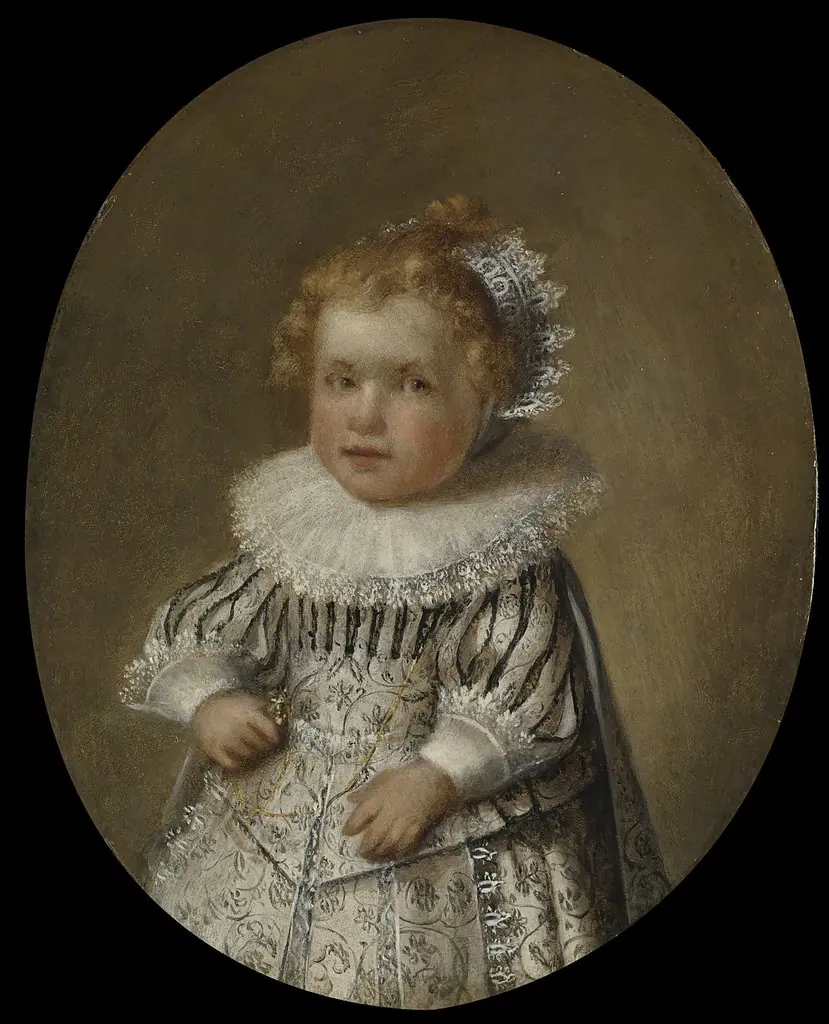 Portrait of Cornelis Cornelisz van Esch
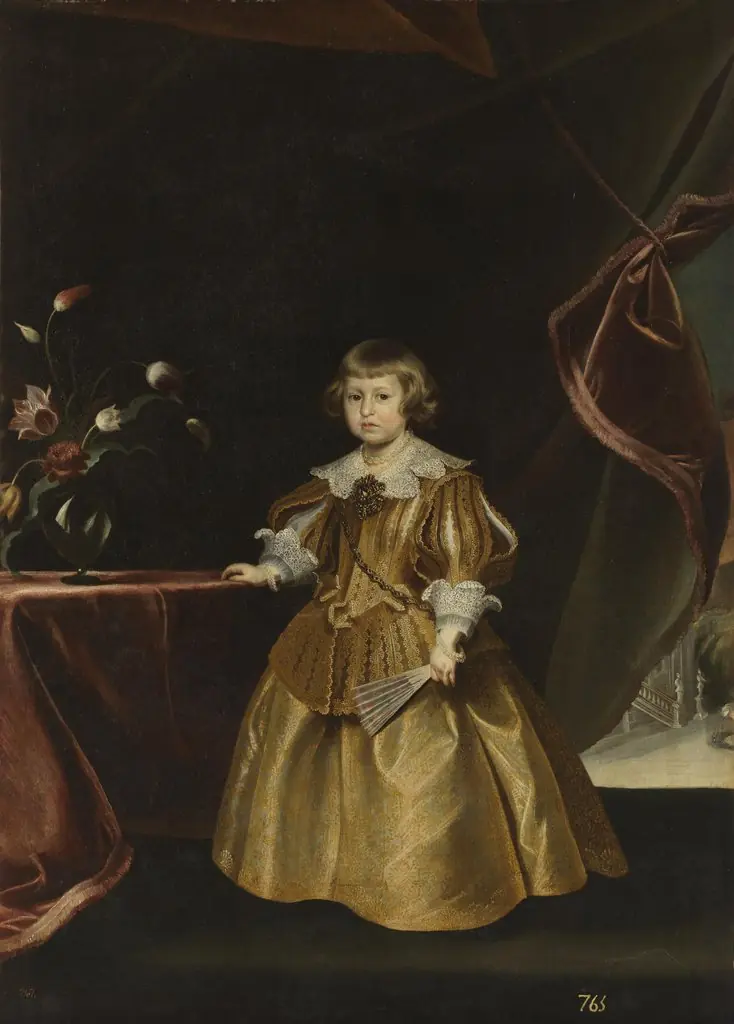 Portrait of an infanta
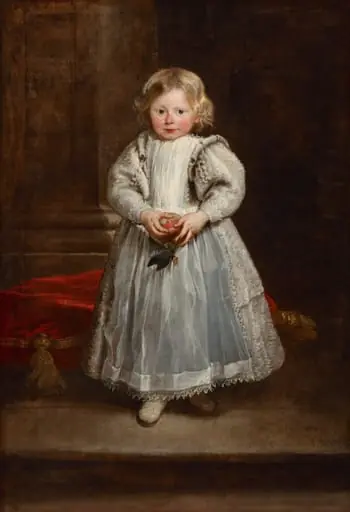 Maddalena Cattaneo
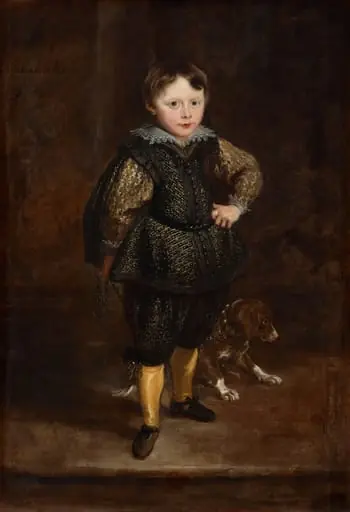 Filippo Cattaneo
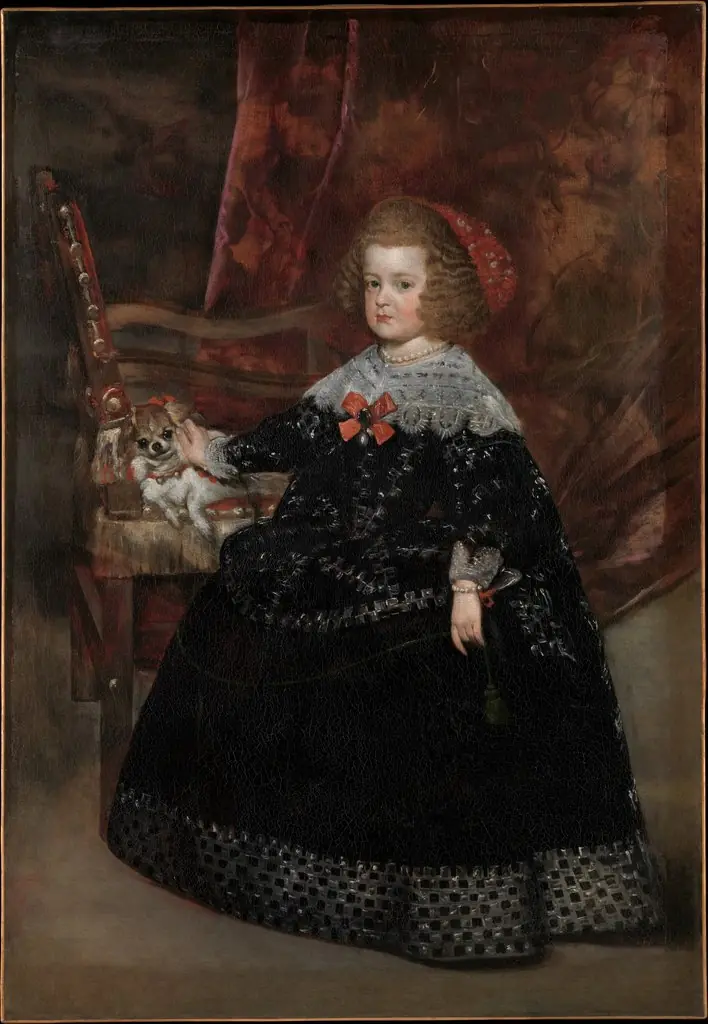 María Teresa (1638–1683), Infanta of Spain
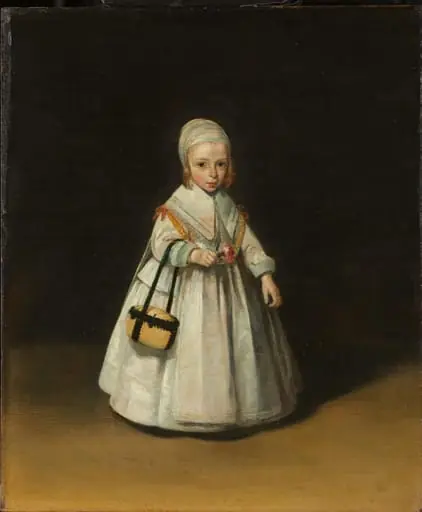 Helena van der Schalcke
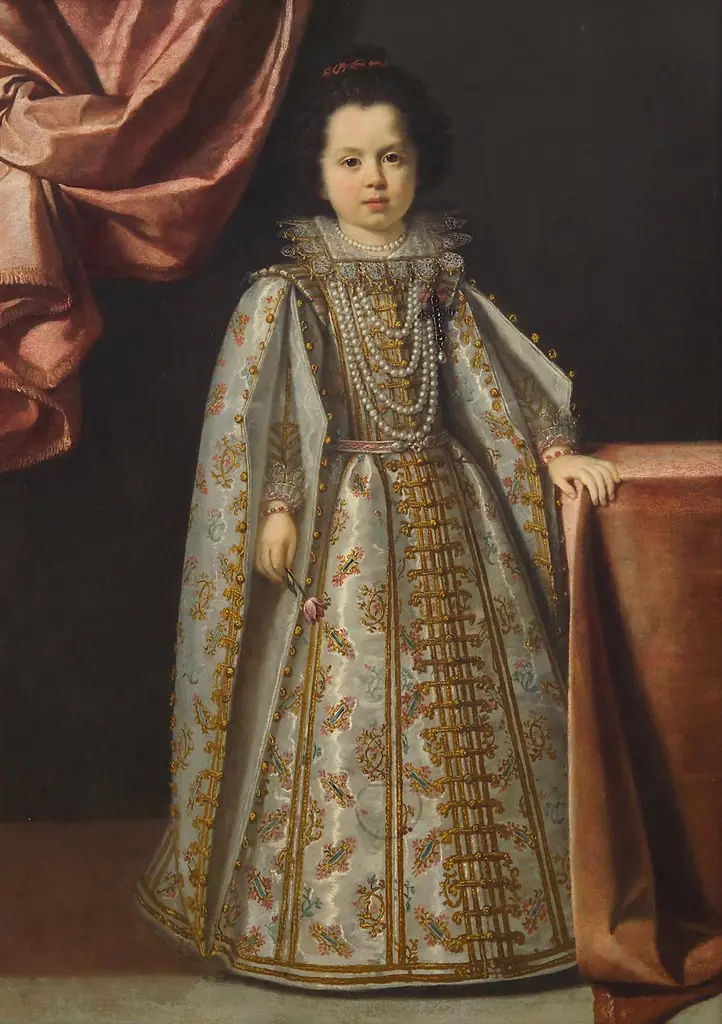 Portrait of Vittoria della Rovere (1622-1694) aged 4 or 5
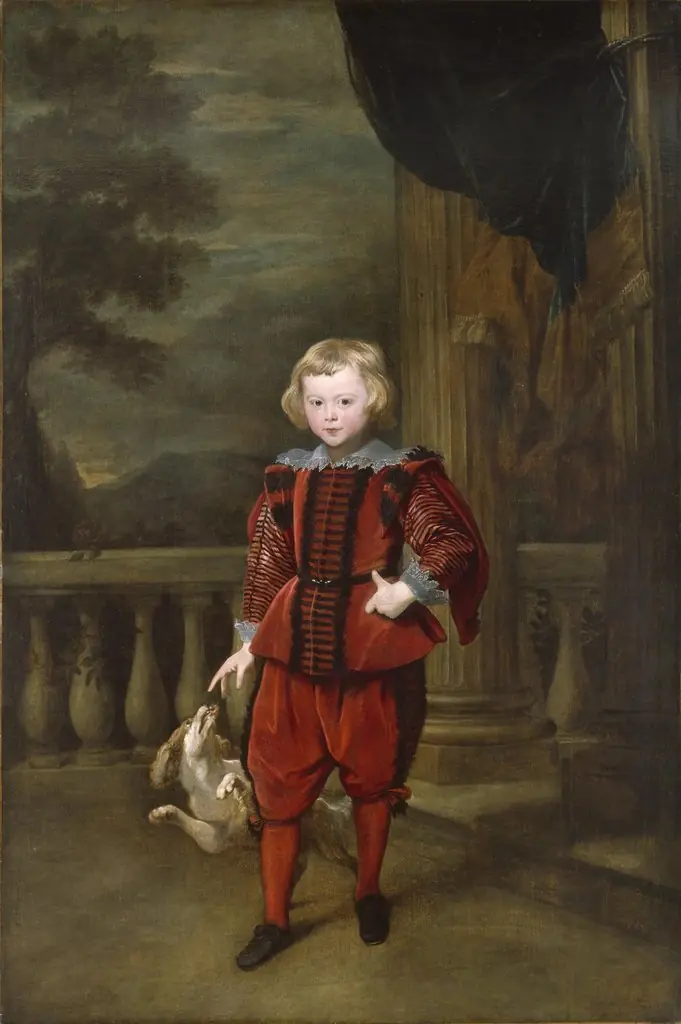 A Boy Standing on a Terrace
 Boy Carrying a Sword
 Portrait of Infante Balthasar Carlos