Artwork
Portrait of Elisabeth of the Palatinate
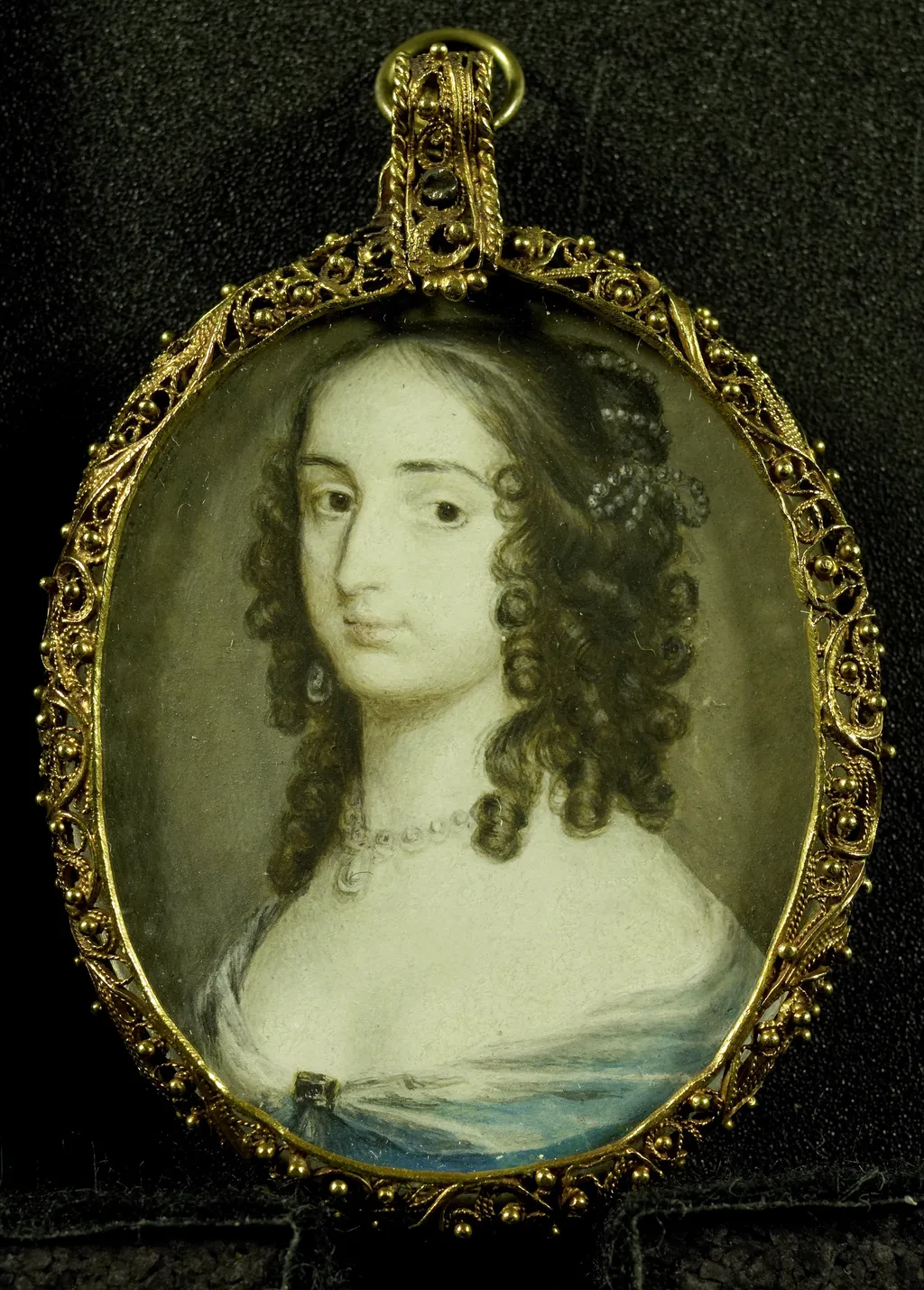
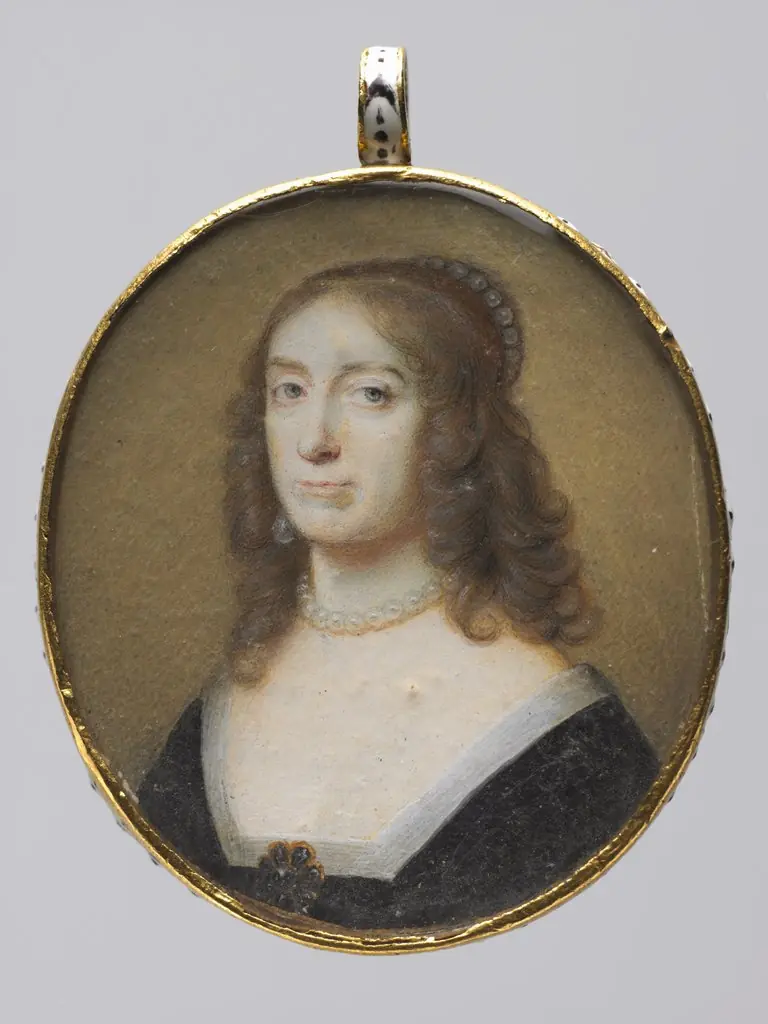
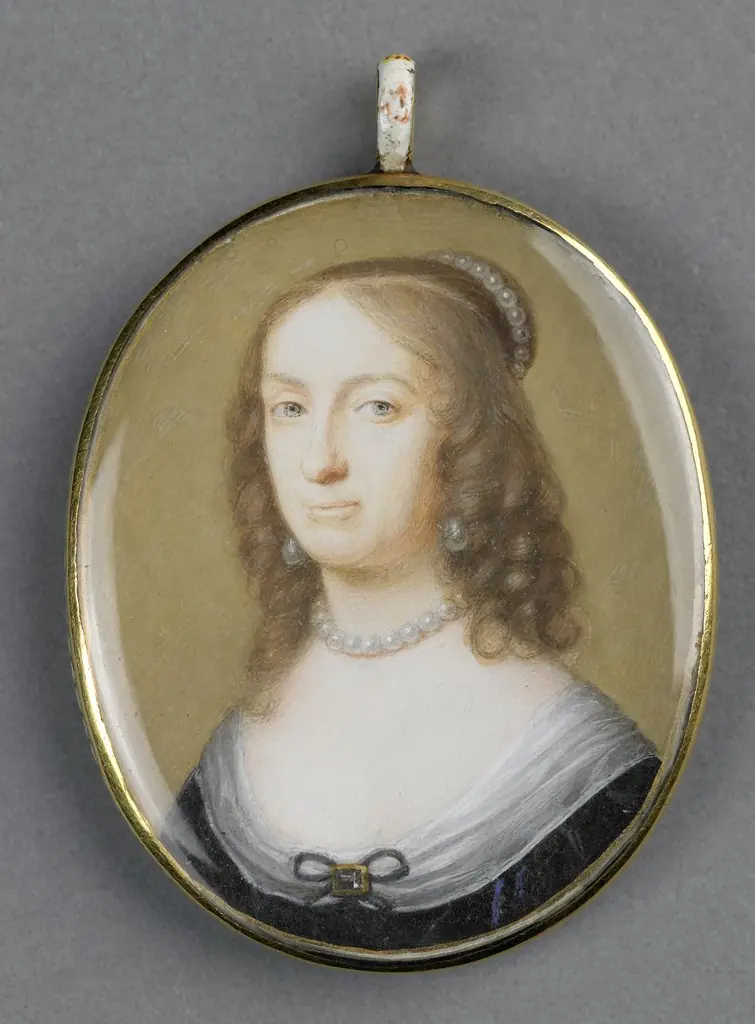
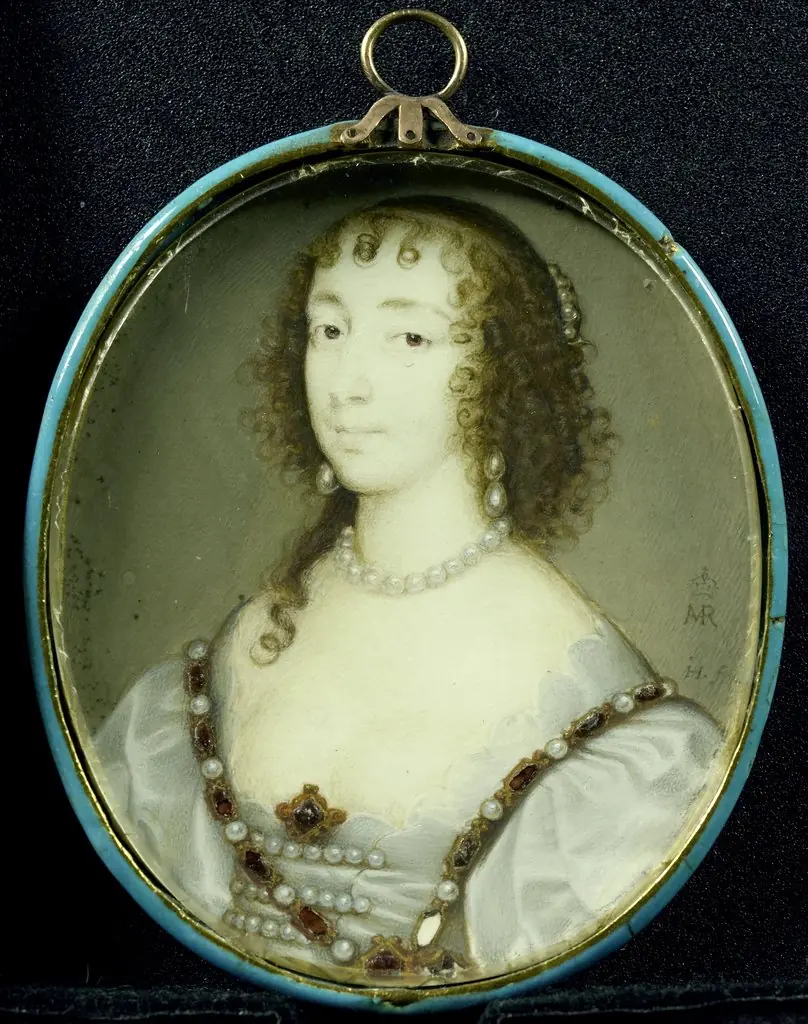
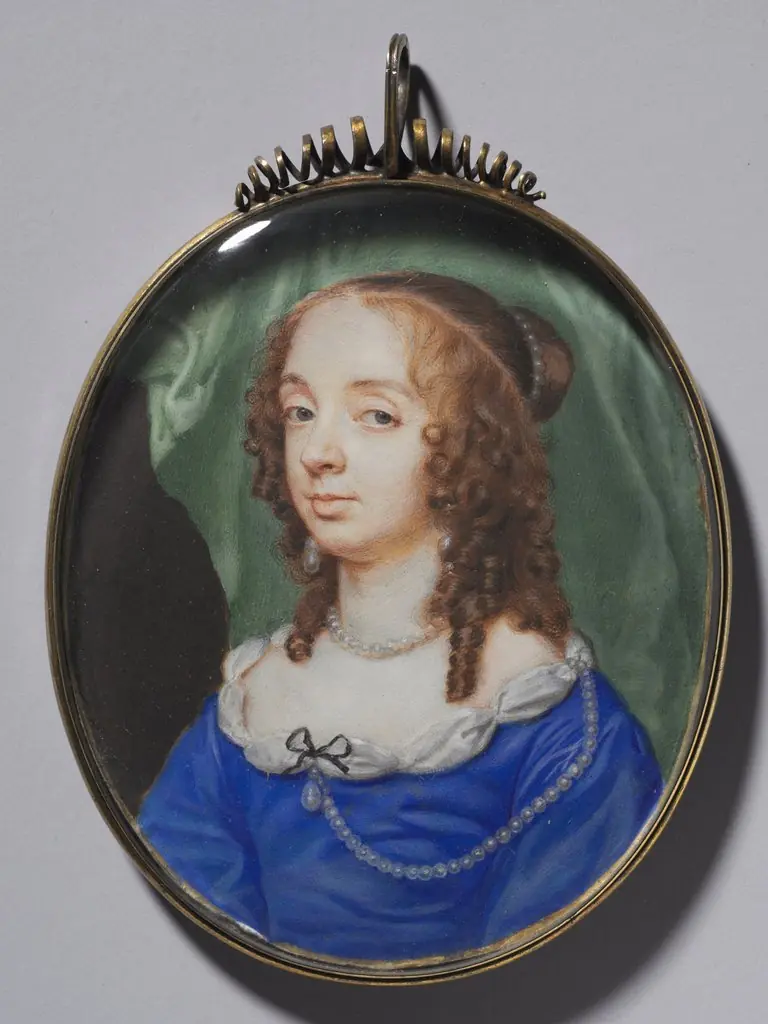
Portrait of Elisabeth of the Palatinate is an unspecified painting by the Flemish Baroque painting artist Alexander Cooper. It dates from 1650 and is held in the collection of the Rijksmuseum.
About this work
Overview
Created around 1650 by the Flemish painter Alexander Cooper, this small oval portrait presents Elisabeth of the Palatinate. Rendered on cardboard rather than canvas, the work measures modest dimensions and is part of the Rijksmuseum collection. The composition centers the sitter’s face within a gilded, jewel‑set frame against a muted blue‑gray backdrop, emphasizing her presence.
Subject & Meaning
Elisabeth of the Palatinate, a 17th‑century noblewoman, is shown with light skin and dark hair arranged in loose curls. She wears a dark collar and a pale, high‑necked dress, attire that conveys both modesty and status. Her direct, steady gaze engages the viewer, a conventional device intended to convey the sitter’s confidence and personal authority.
Technique & Style
Cooper employed a delicate palette of muted blues and grays for the background, allowing the gold ornamental border with tiny jewels to frame the figure. The use of cardboard as support required careful handling of pigments, resulting in a smooth, refined surface. The oval format and the subtle modeling of facial features reflect mid‑Baroque portrait conventions.
History & Provenance
The portrait has been in the Rijksmuseum’s holdings, where it is displayed as part of the museum’s Dutch and Flemish collection. Its attribution to Alexander Cooper and dating to circa 1650 are based on stylistic analysis and archival records linking the artist to the Palatinate court during that period.
Artist & collection
Artist
Alexander Cooper (1609–1660) was an English miniature artist, born in London.