Artwork
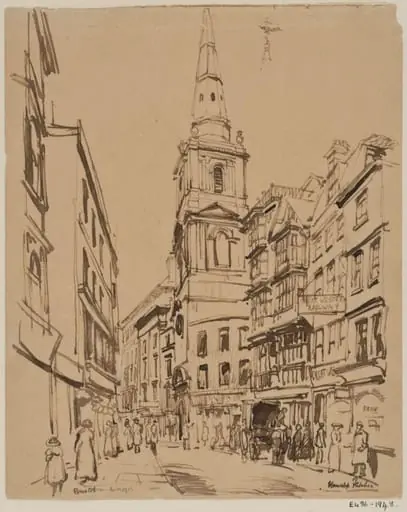
Drury Lane Looking towards St. Mary-le-Strand
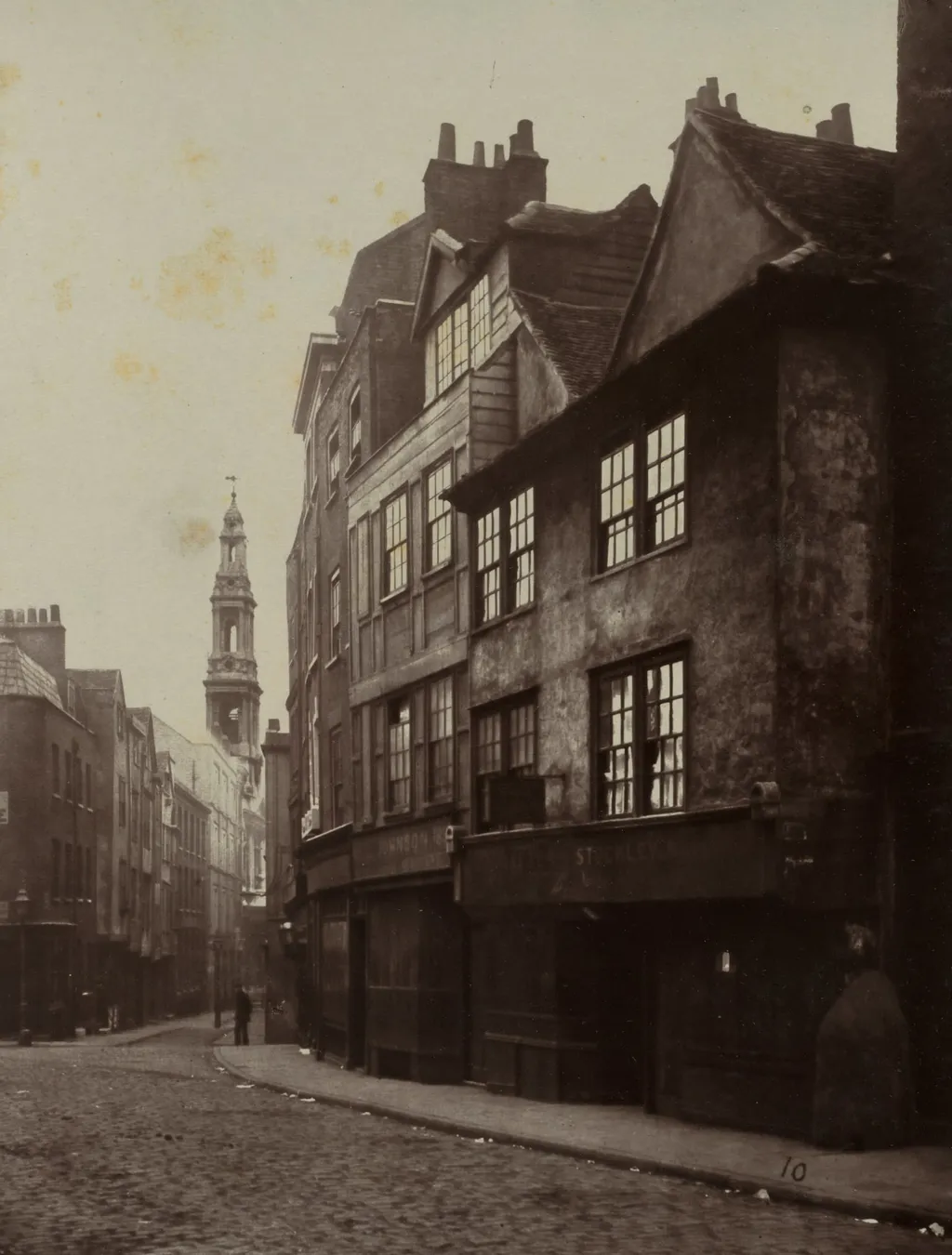
Drury Lane Looking towards St. Mary-le-Strand is a photography by the Impressionist artist Alfred H. Bool. It dates from 1876 and is held in the collection of the Cleveland Museum of Art. Taken in 1876, this photograph by Alfred H.
About this work
Overview
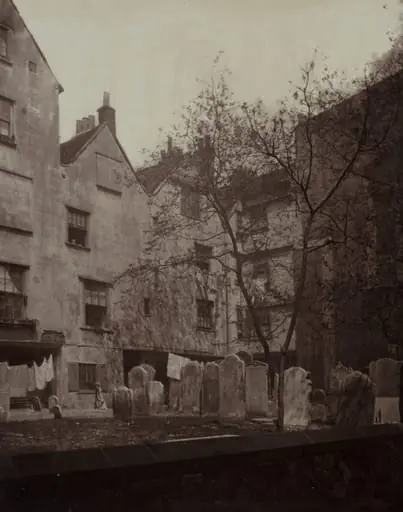
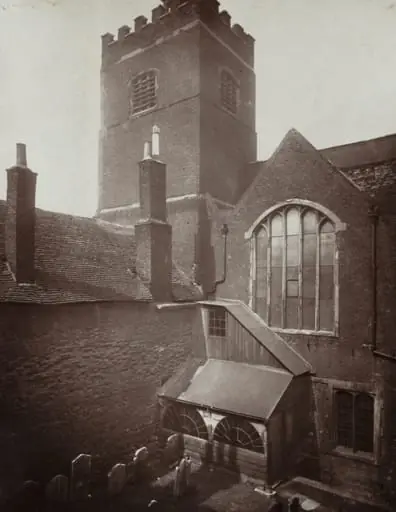
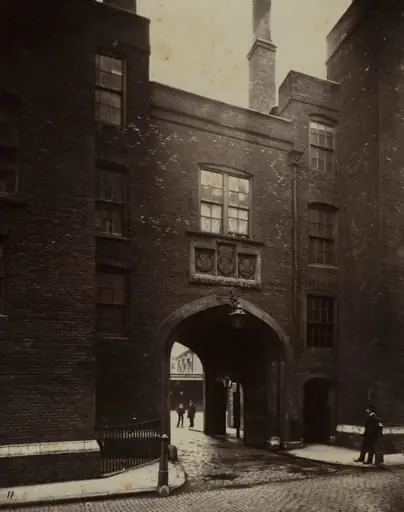
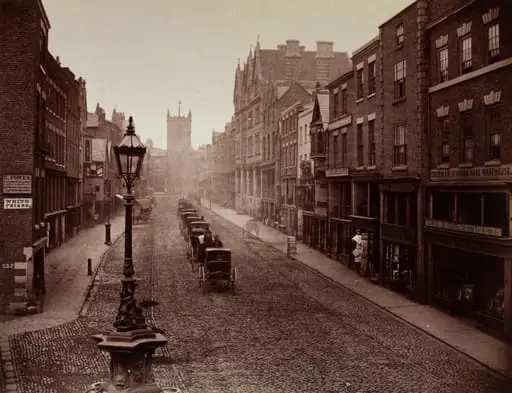
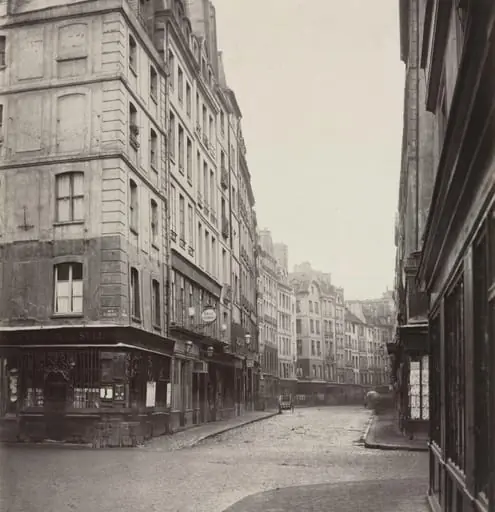
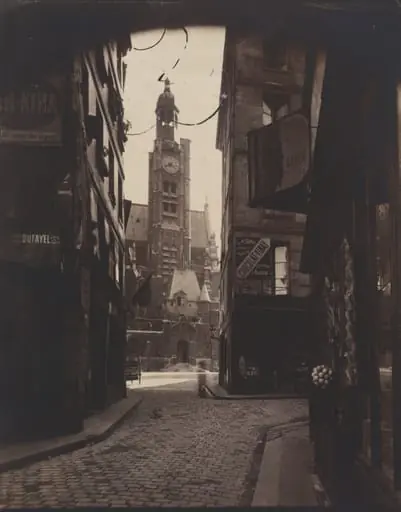
Taken in 1876, this photograph by Alfred H. Bool captures a quiet stretch of Drury Lane in London, looking toward the tower of St. Mary-le-Strand. The image is a straightforward urban record, devoid of dramatic composition or human activity. Its quiet atmosphere and muted tones reflect the limitations and aesthetic choices of early street photography, prioritizing observation over artifice.
Subject & Meaning
The photograph presents a mundane urban corridor, emphasizing architectural continuity rather than narrative. The distant church spire anchors the view, while the sparse signage and empty street suggest a moment of pause in daily life. No event is depicted; the meaning lies in the quiet documentation of a London neighborhood at a time of rapid change, preserving its ordinary character.
Technique & Style
Shadows are long and subtle, enhancing texture without contrast, reflecting the limitations and deliberate restraint of 19th-century photographic practice.
Bool used a wet-plate collodion process, typical of the era, resulting in fine detail and a tonal range softened by overcast light. The composition is centered and balanced, with vertical lines of buildings and the church tower reinforcing stability. Shadows are long and subtle, enhancing texture without contrast, reflecting the limitations and deliberate restraint of 19th-century photographic practice.
History & Provenance
The photograph entered the collection of The Cleveland Museum of Art as part of a broader acquisition of 19th-century British photography. Its origin traces to Bool’s personal documentation of London’s streets, likely made for archival or commercial purposes. No significant exhibition or publication history is recorded, suggesting it was preserved more for its documentary value than artistic acclaim.
Context
In 1876, London was undergoing industrial expansion, yet many older neighborhoods retained their pre-modern character. Bool’s image stands in contrast to the bustling scenes favored by contemporaries; instead, it captures a transitional moment where traditional brick architecture persisted amid urban modernization, offering a quiet counterpoint to the era’s rapid transformation.
Legacy
Though not widely known, Bool’s work contributes to the historical record of Victorian London’s streets. This photograph, like others in his oeuvre, serves as a neutral witness to urban life before widespread photographic documentation became commonplace. Its value lies in its unembellished fidelity, offering later viewers a tangible glimpse into the everyday fabric of 19th-century London.
Artist & collection