Artwork
The Road to Saint Germain, near Marly
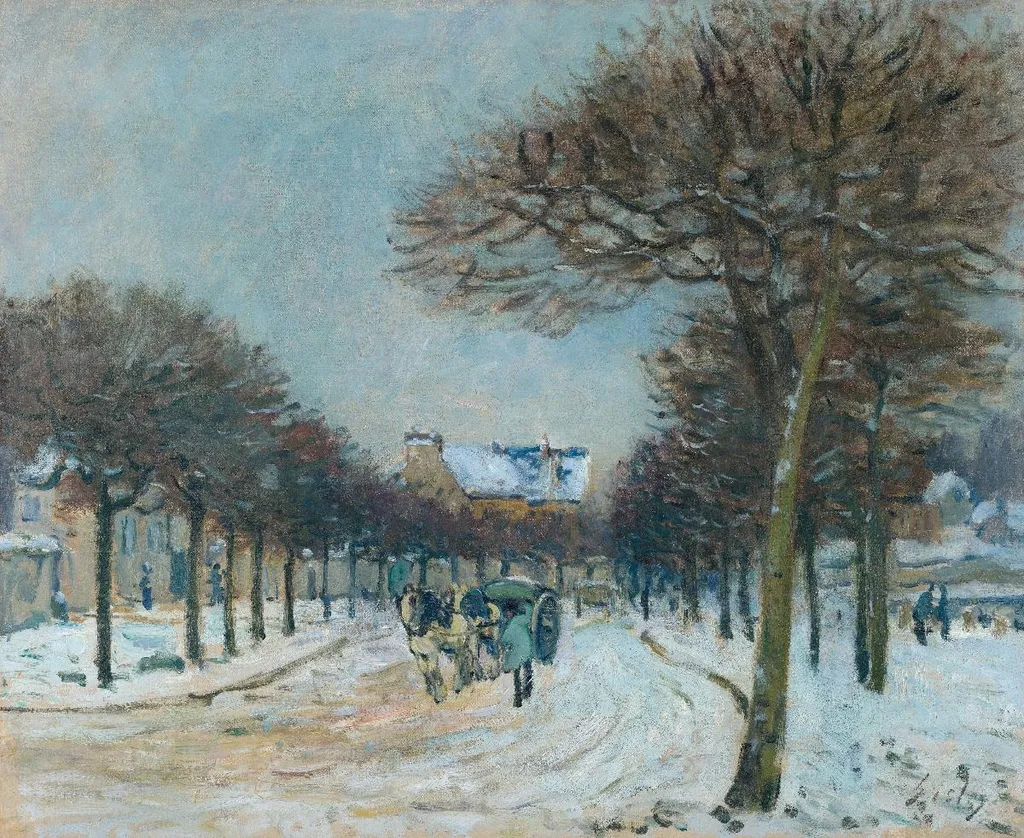
The Road to Saint Germain, near Marly is an oil painting by the Impressionist artist Alfred Sisley. It dates from 1875 and is held in the collection of the Foundation E.G. Bührle Collection.
About this work
Overview
Painted in 1875, *The Road to Saint Germain, near Marly* is an oil landscape by Alfred Sisley, a British-born artist who lived and worked primarily in France. It belongs to his sustained exploration of rural French scenery, executed outdoors in all seasons. The work reflects his commitment to capturing transient natural conditions, particularly the subtle shifts of light and weather in winter.
Subject & Meaning
The painting depicts a quiet winter road leading toward a distant hamlet, flanked by leafless trees. A horse-drawn carriage moves slowly along the path, while pedestrians tread beside it, their forms small and unremarkable. No dramatic event occurs; the scene conveys the uneventful rhythm of daily life in the countryside, emphasizing stillness and the quiet endurance of routine under a muted sky.
Technique & Style
Sisley applied thin layers of oil paint with soft, deliberate brushwork to suggest the chill and stillness of snow-covered ground and overcast skies.
Sisley applied thin layers of oil paint with soft, deliberate brushwork to suggest the chill and stillness of snow-covered ground and overcast skies. Colors are restrained—grays, browns, and pale blues—avoiding bold contrasts. The brushstrokes blend subtly, dissolving edges to mimic the hazy atmosphere of a cold day, characteristic of Impressionist efforts to record optical impressions rather than idealized forms.
History & Provenance
Created during Sisley’s most productive period in the 1870s, the painting remained in private hands until entering the collection of Kunsthaus Zürich. It was not widely exhibited during his lifetime, reflecting his relative obscurity compared to contemporaries like Monet or Renoir. The museum acquired it in the 20th century, where it now serves as a representative example of his consistent thematic focus.
Context
Sisley painted this work amid the broader Impressionist movement, which sought to depict modern life through direct observation of nature. Unlike many of his peers, he rarely included figures as subjects, preferring landscapes as the sole focus. This painting aligns with other winter scenes by Sisley, which respond to the changing seasons with quiet precision, contrasting with the urban themes favored by other Impressionists.
Legacy
Though Sisley received little recognition in his lifetime, his winter landscapes, including this one, are now acknowledged for their sensitivity to atmospheric nuance. The painting exemplifies his unwavering dedication to plein air practice and his ability to convey emotional resonance through restraint. It continues to inform understandings of Impressionism’s quieter, more contemplative dimensions.
Artist & collection
Artist
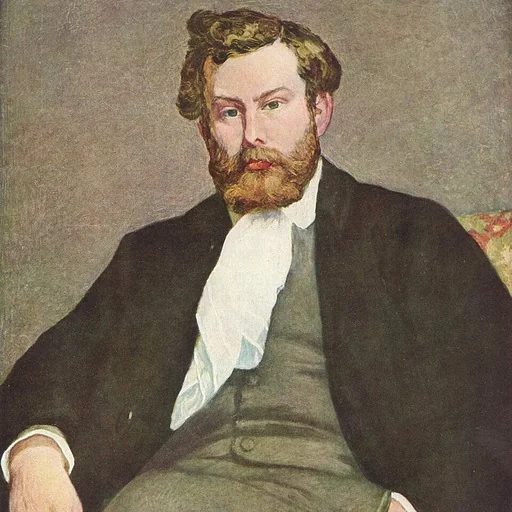
Alfred Sisley (; French: ; 30 October 1839–29 January 1899) was a French-Born British Impressionist landscape painter who was born to British parents, but spent most of his life in France.

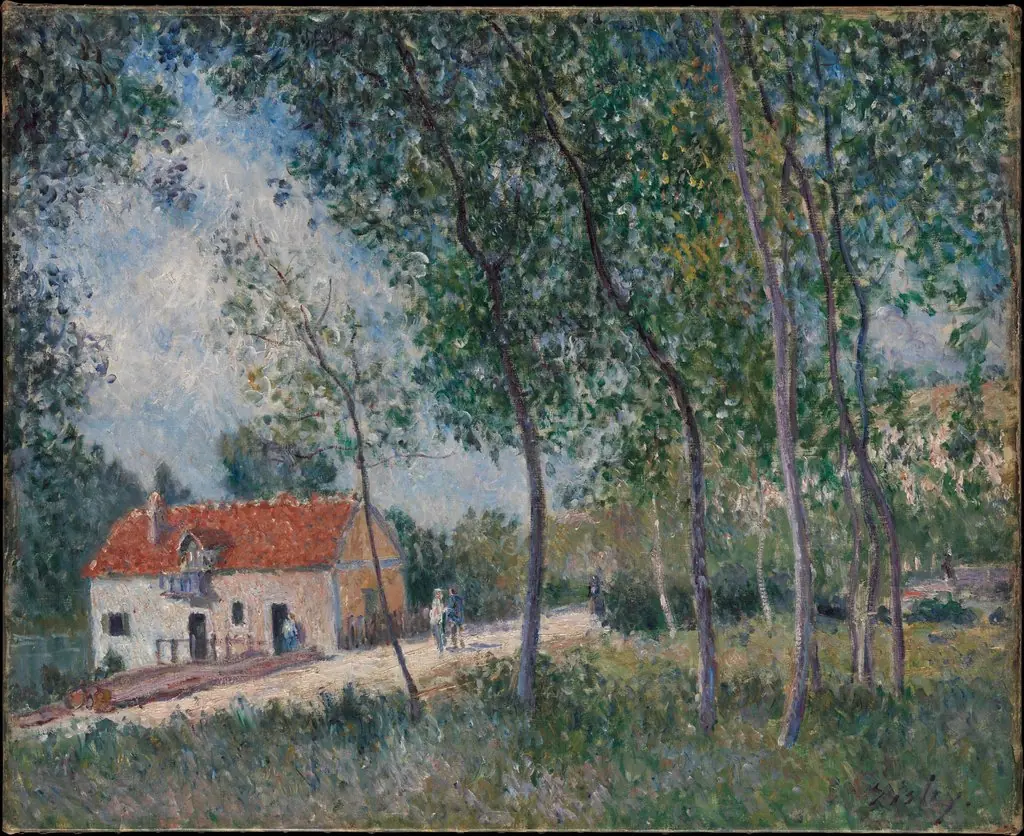
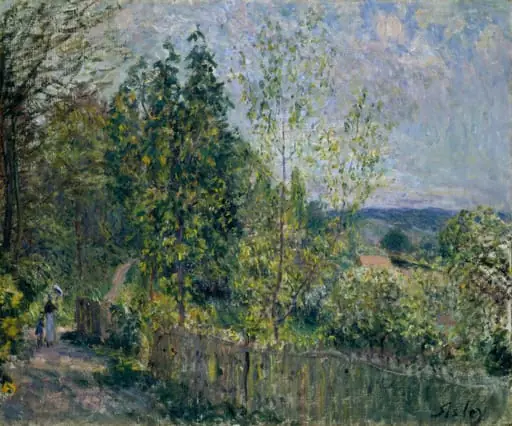
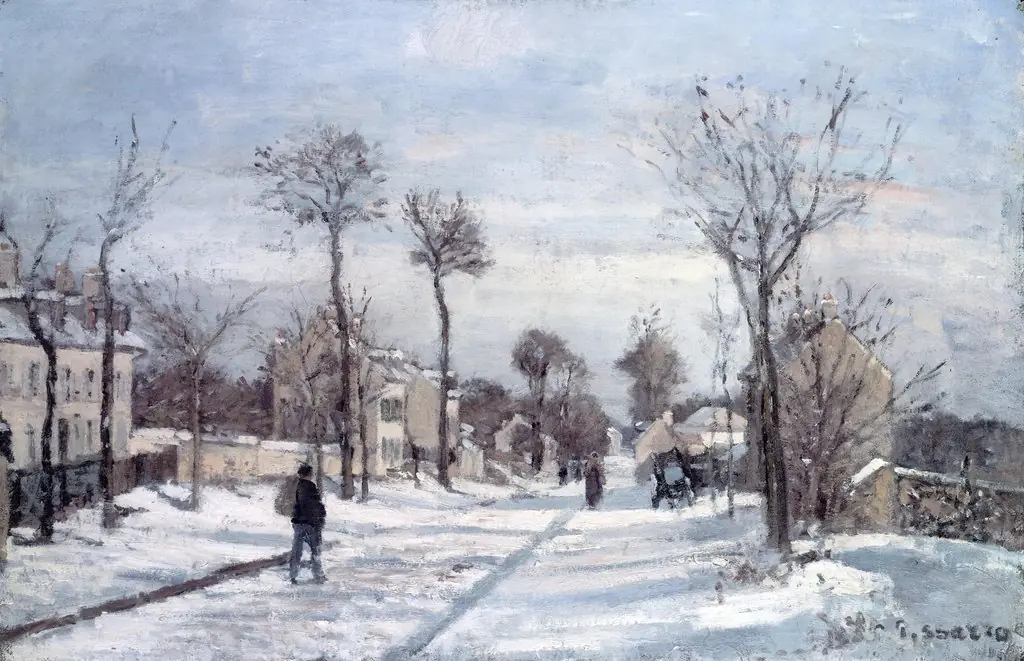 The Road to Versailles, Louveciennes, Snow
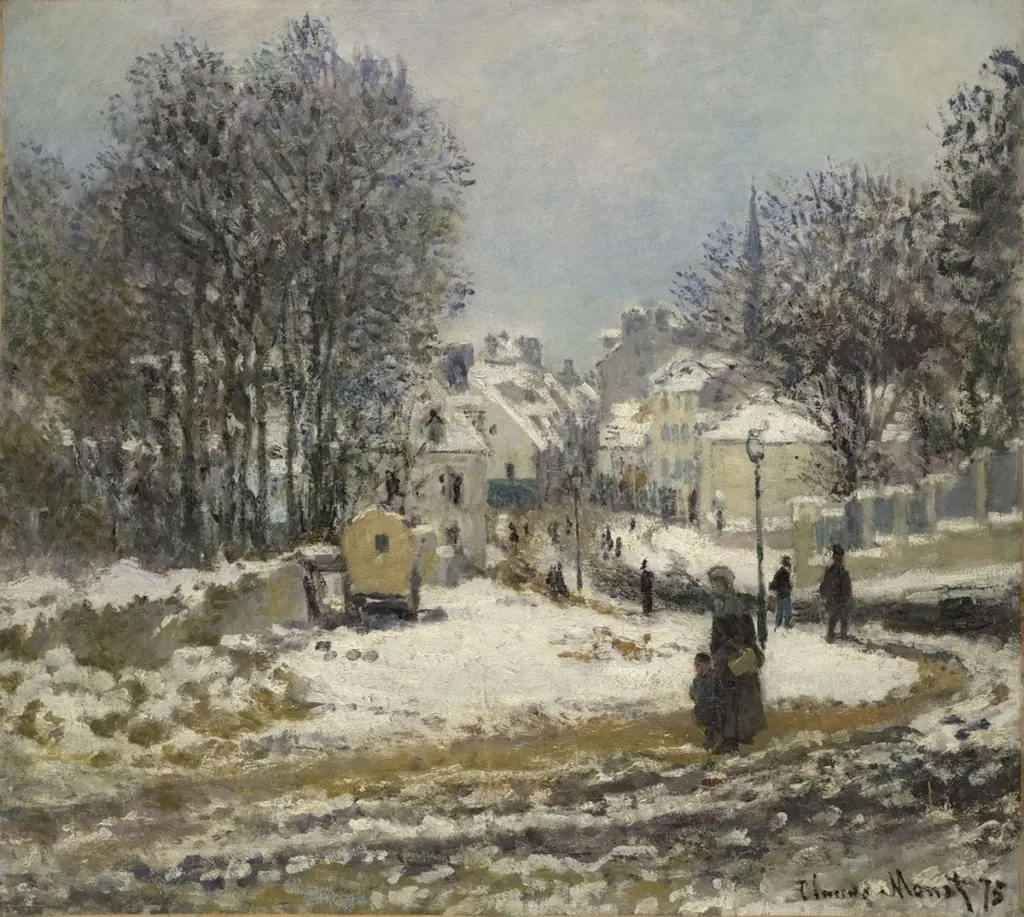 L'Entrée de la Grande Rue à Argenteuil, l'hiver
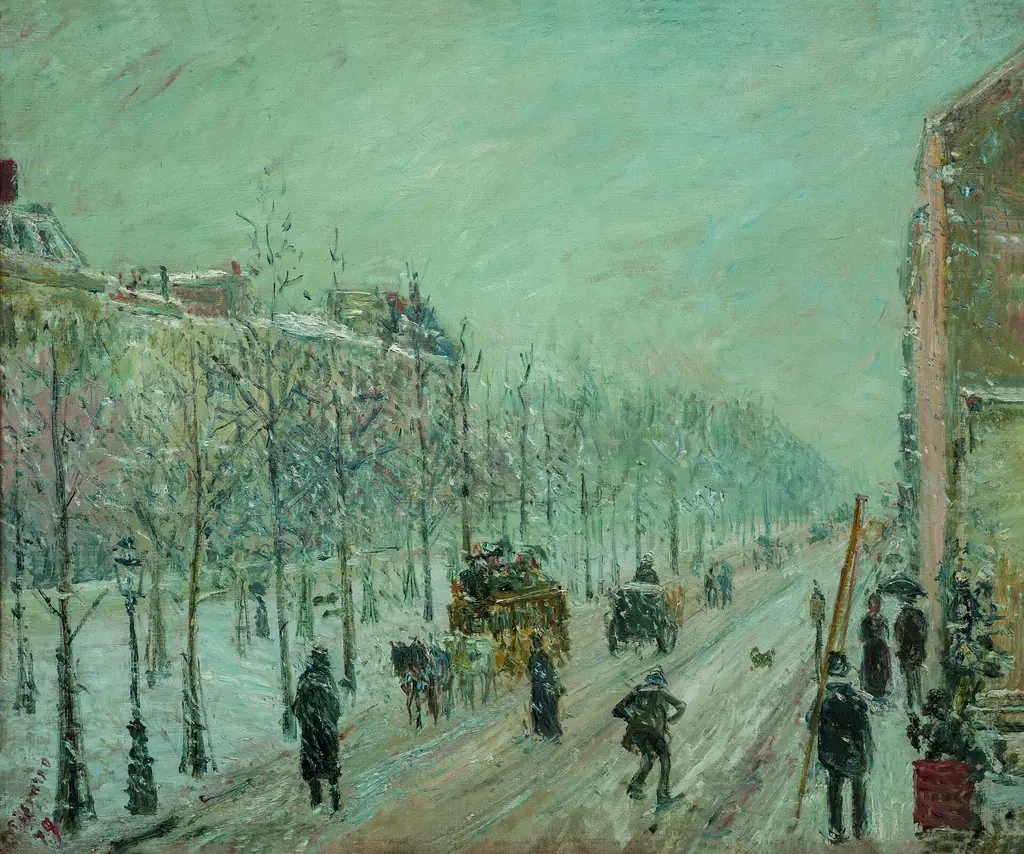 Les boulevards extérieurs. Effet de neige
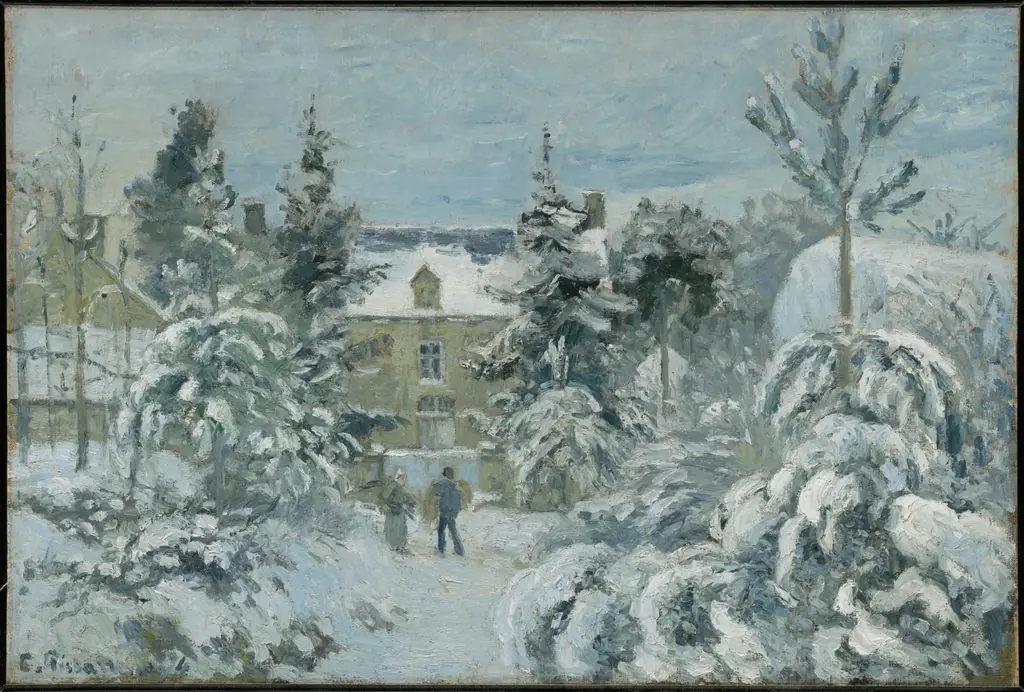 Piette's House at Montfoucault
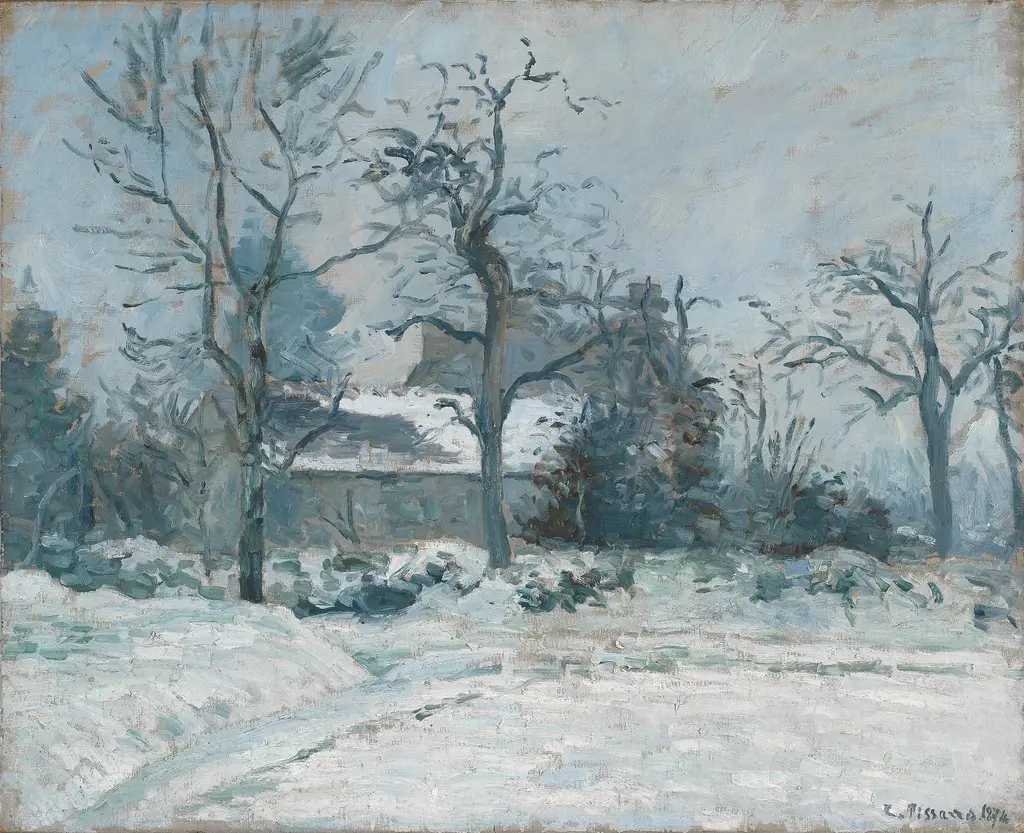 La Maison de la Piette, Montfoucault, effet de neige
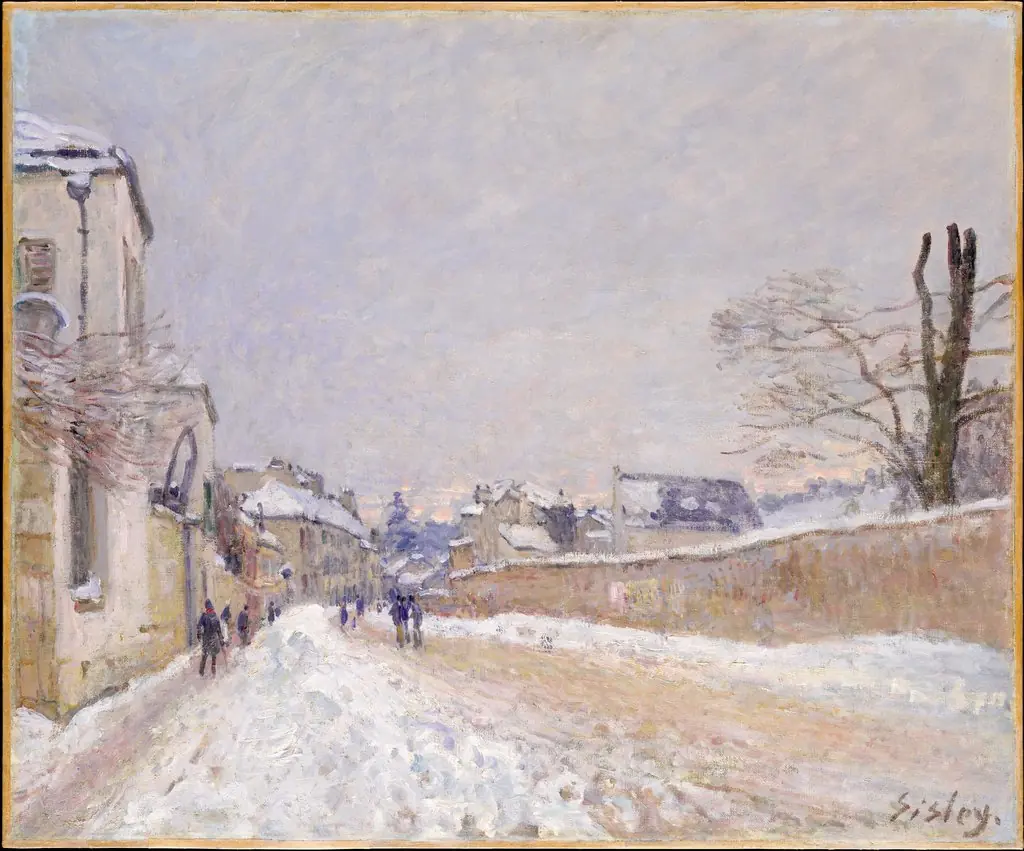 Rue Eugène Moussoir at Moret: Winter
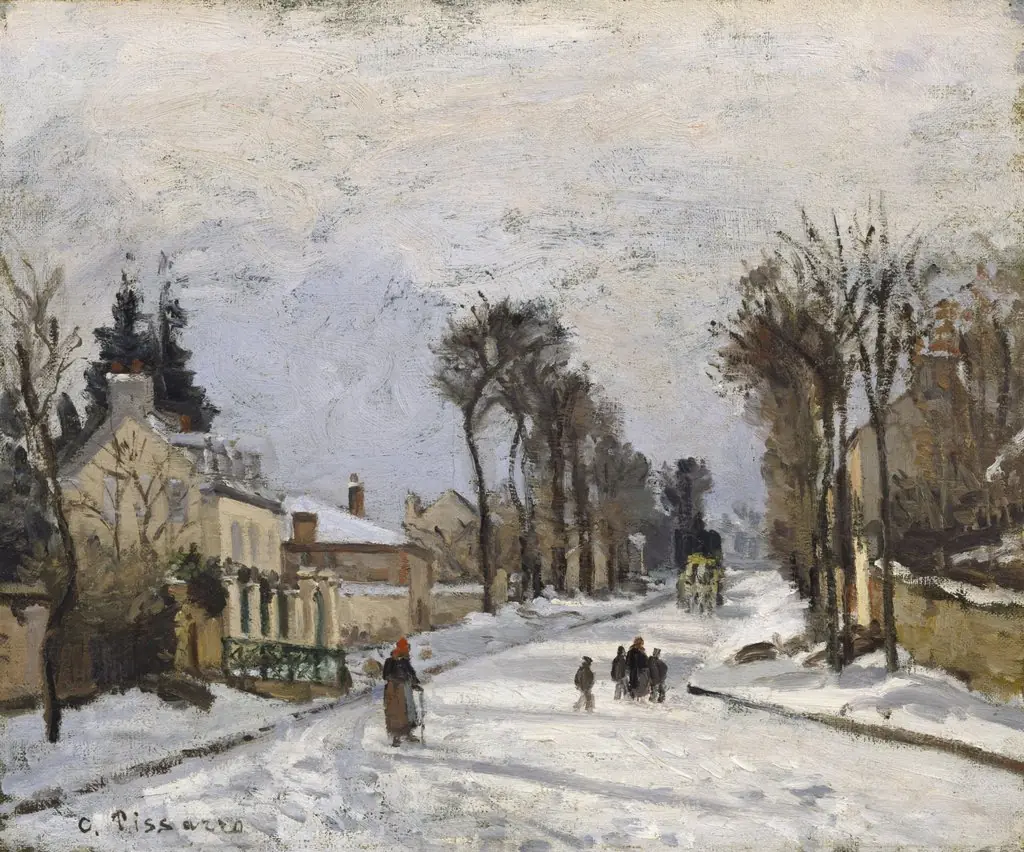 Route to Versailles, Louveciennes
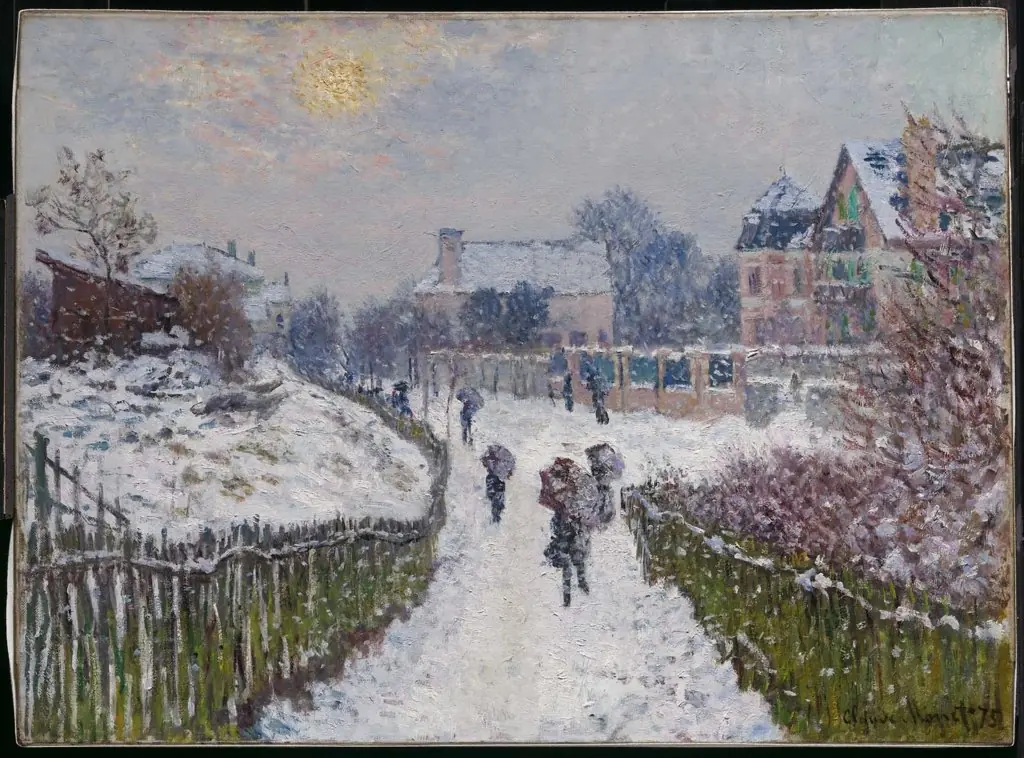 Boulevard Saint-Denis, Argenteuil, in Winter
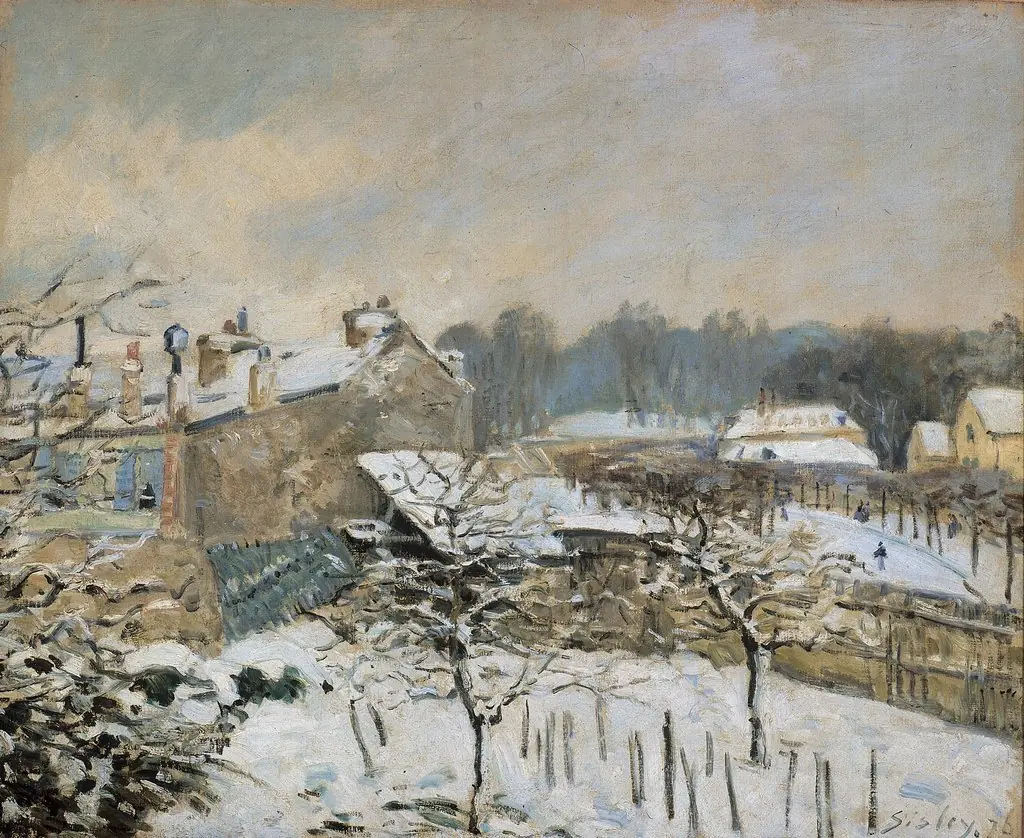 Snow Effect in Louveciennes
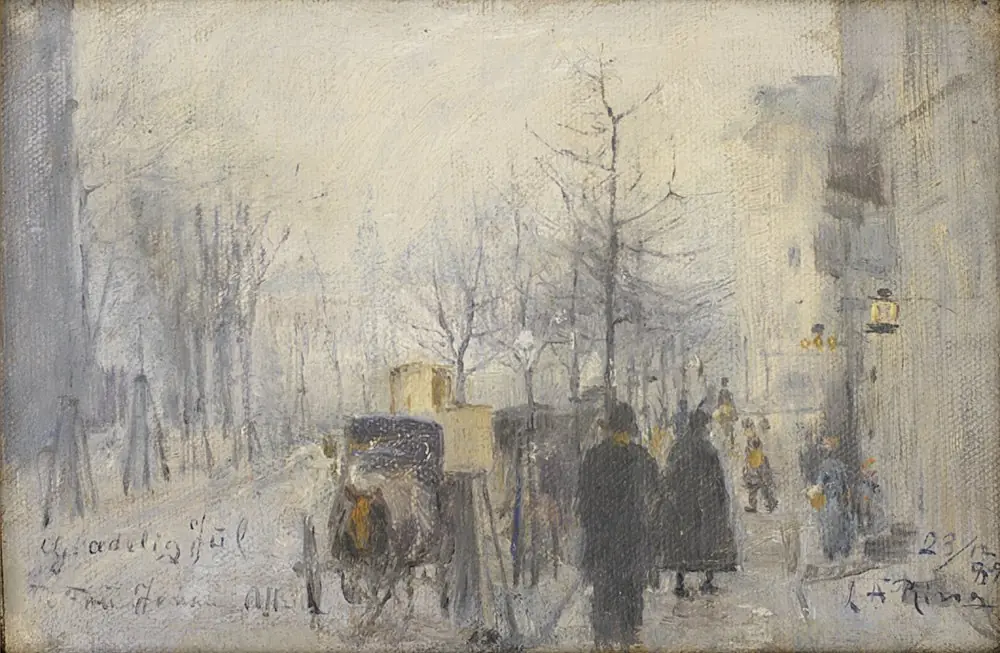 Udsigt fra vinduet i Café Osborne op ad Frederiksberg Allé
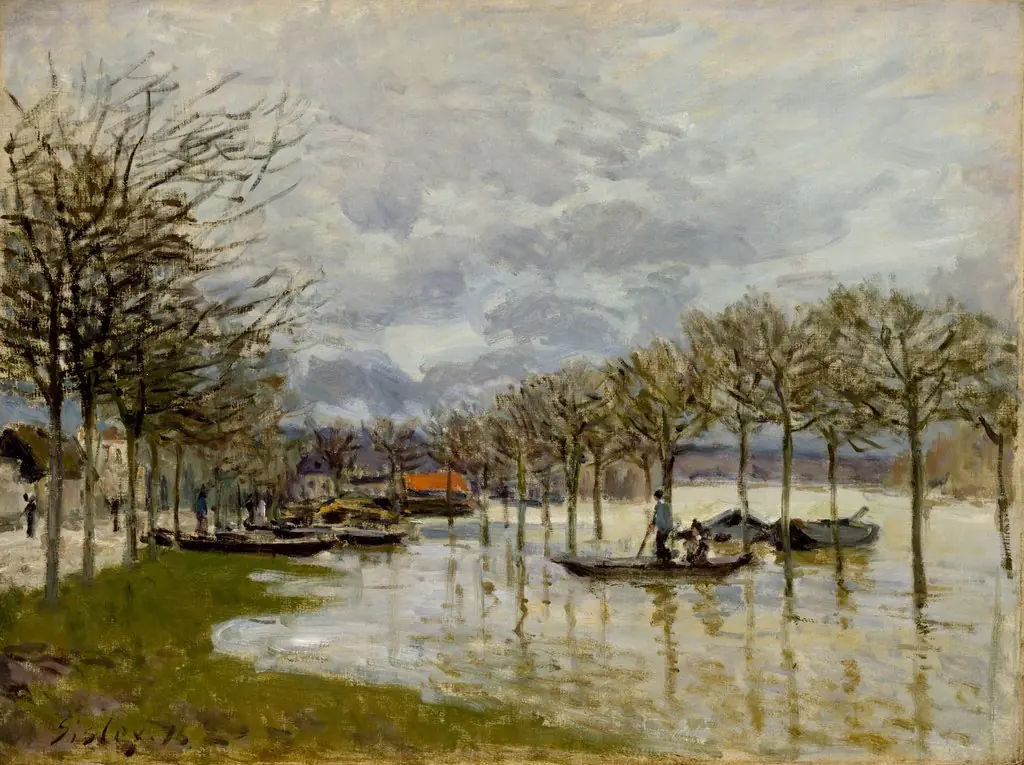 The Flood on the Road to Saint-Germain