Artwork
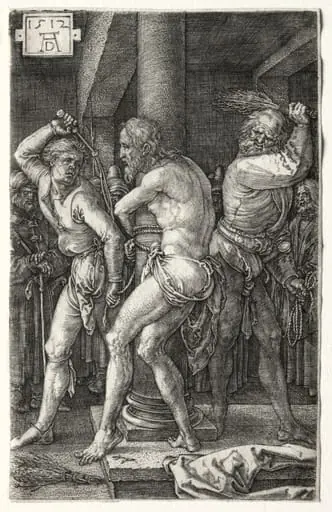
The Flagellation of Christ
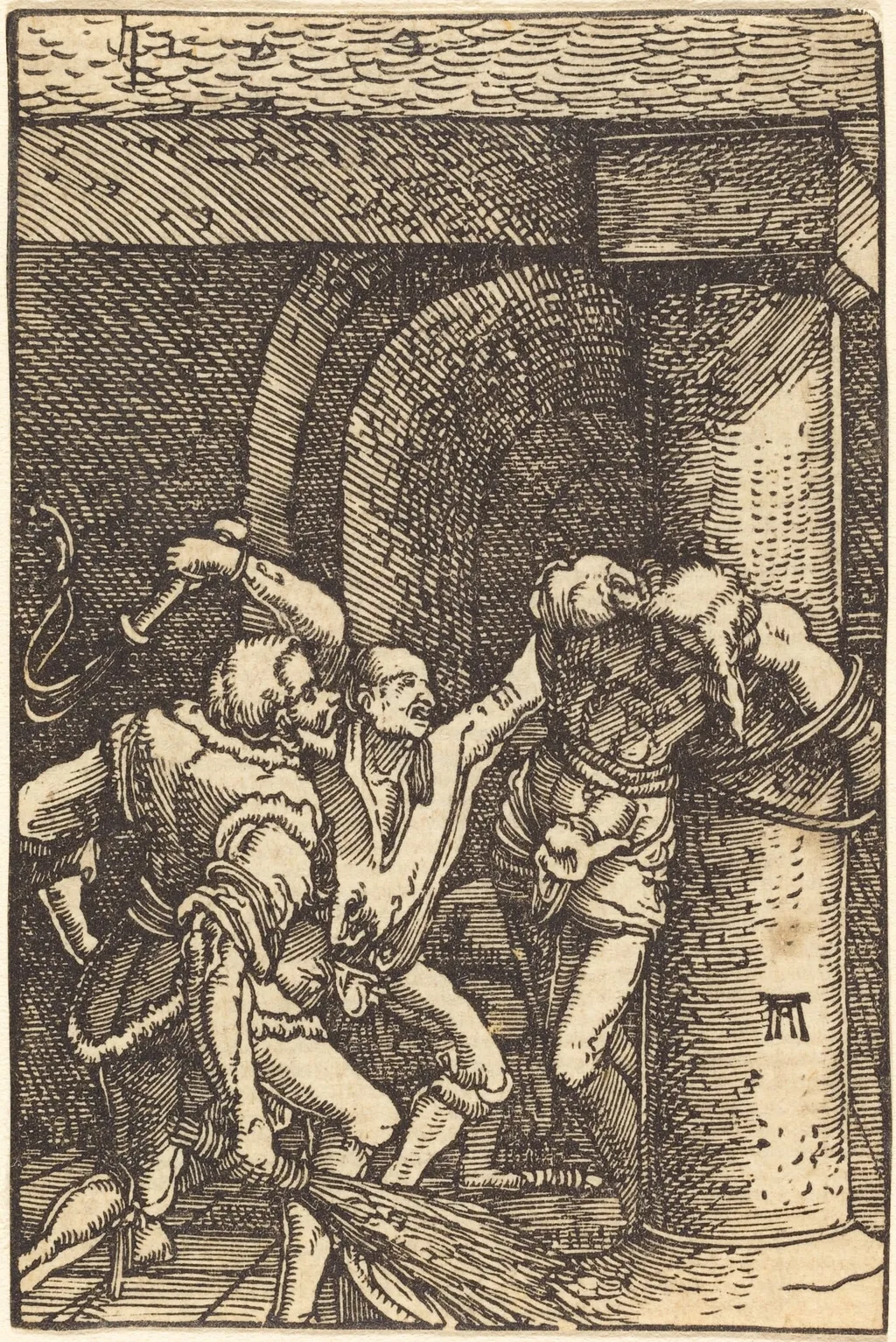
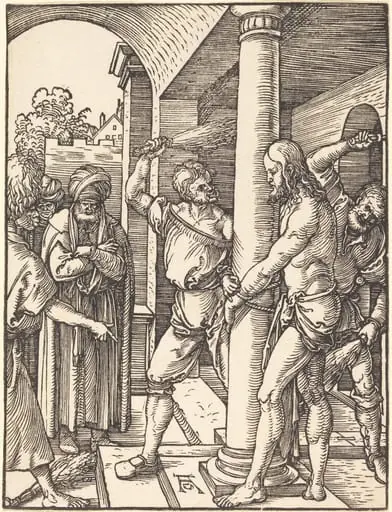
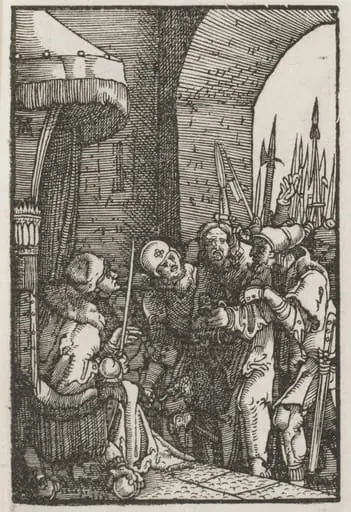
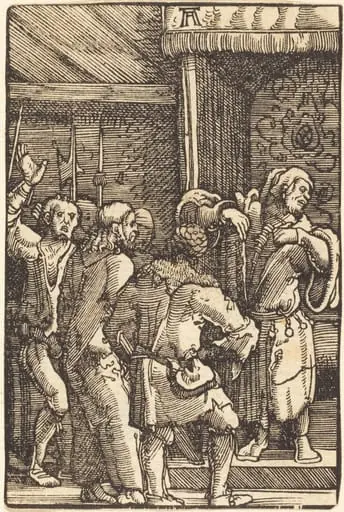
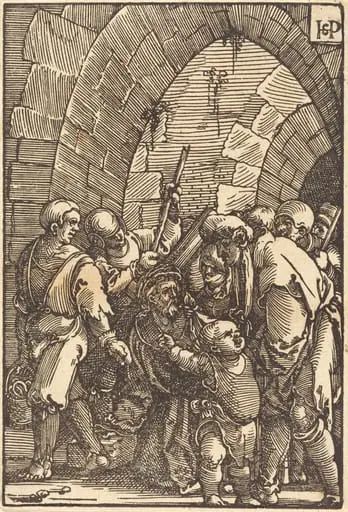
The Flagellation of Christ is an ink print by the Renaissance artist Albrecht Altdorfer. It dates from 1513 and is held in the collection of the National Gallery of Art.
About this work
Overview
Albrecht Altdorfer’s woodcut, titled *The Flagellation of Christ*, was produced circa 1513. Executed on laid paper, the print measures only a few inches in height, yet it conveys a vivid narrative scene. The composition centers on Christ bound to a column, being scourged by two figures, while a crowd of onlookers surrounds the episode, their faces rendered in a stylized, mask‑like manner.
Subject & Meaning
The image captures the moment of Christ’s physical torment, emphasizing the stark contrast between the sacred figure’s suffering and the indifferent presence of the surrounding figures. By placing the violent act within a populated setting, Altdorfer invites contemplation of human cruelty and the theological significance of Christ’s sacrifice, underscoring the tension between divine endurance and earthly brutality.
Technique & Style
Deep, intersecting strokes generate pronounced shadows that heighten the scene’s urgency.
Altdorfer employed fine, incisive lines typical of early 16th‑century woodcutting, allowing precise delineation of musculature, drapery, and architectural elements. Deep, intersecting strokes generate pronounced shadows that heighten the scene’s urgency. The work reflects the Danube School’s affinity for integrating narrative with landscape, while the meticulous detail aligns it with the output of the Nuremberg Little Masters, known for their compact yet intricate prints.
History & Provenance
Created in Regensburg, where Altdorfer was active as a painter, engraver, and architect, the print was likely circulated among devotional collectors of the period. Though specific ownership records are scarce, the work survives in several museum collections, attesting to its preservation and continued scholarly interest as an example of Altdorfer’s printmaking.
Context
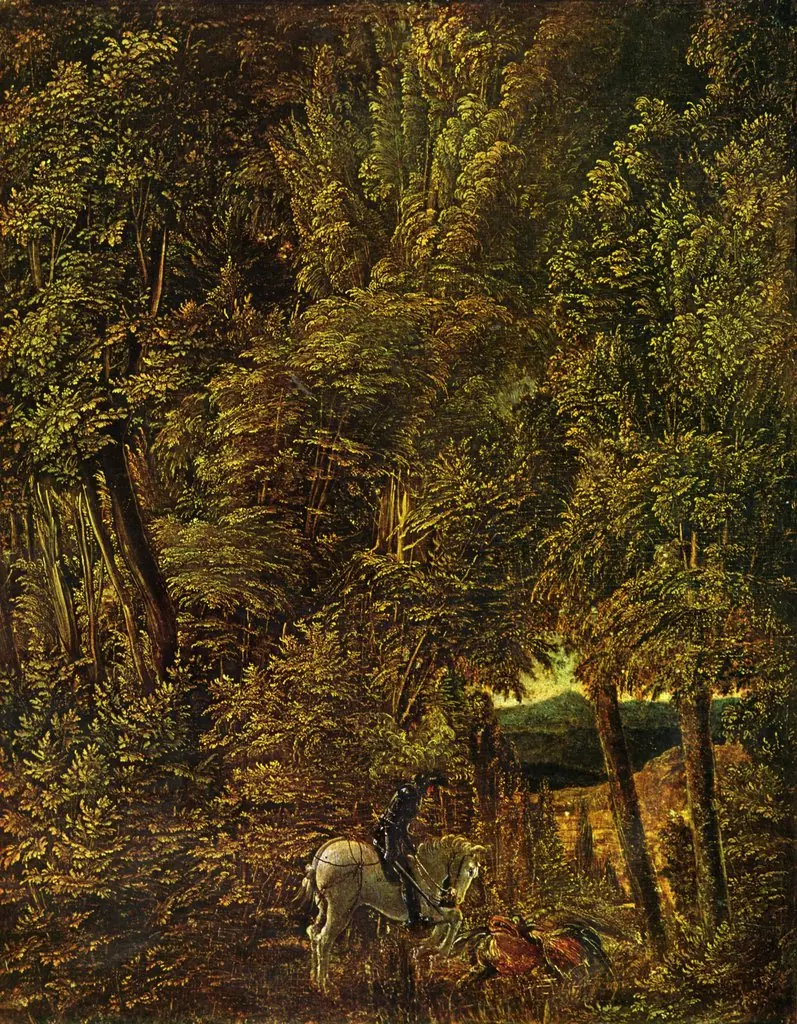
Altdorfer’s career is associated with the Danube School, a group that frequently situated biblical narratives within expressive natural settings. This approach distinguishes his religious prints from those of contemporaries such as Lucas Cranach the Elder, whose compositions often foreground figures over landscape. The flagellation scene thus exemplifies Altdorfer’s synthesis of narrative drama and environmental detail.
Artist & collection
Artist
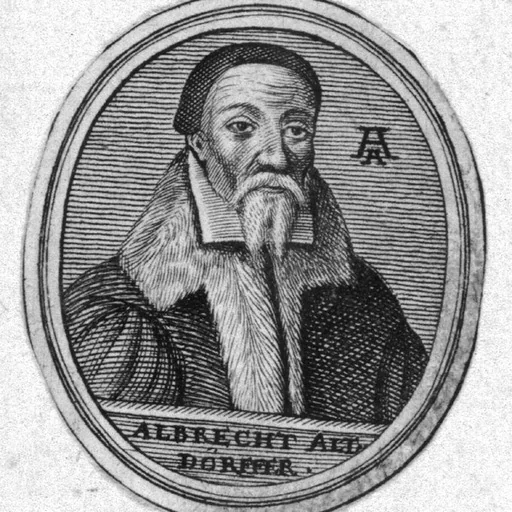
Albrecht Altdorfer (c. 1480 – 12 February 1538) was a German painter, engraver and architect of the Renaissance working in Regensburg. Along with Lucas Cranach the Elder and Wolf Huber he is regarded to be the main…