Artwork
Chakoska
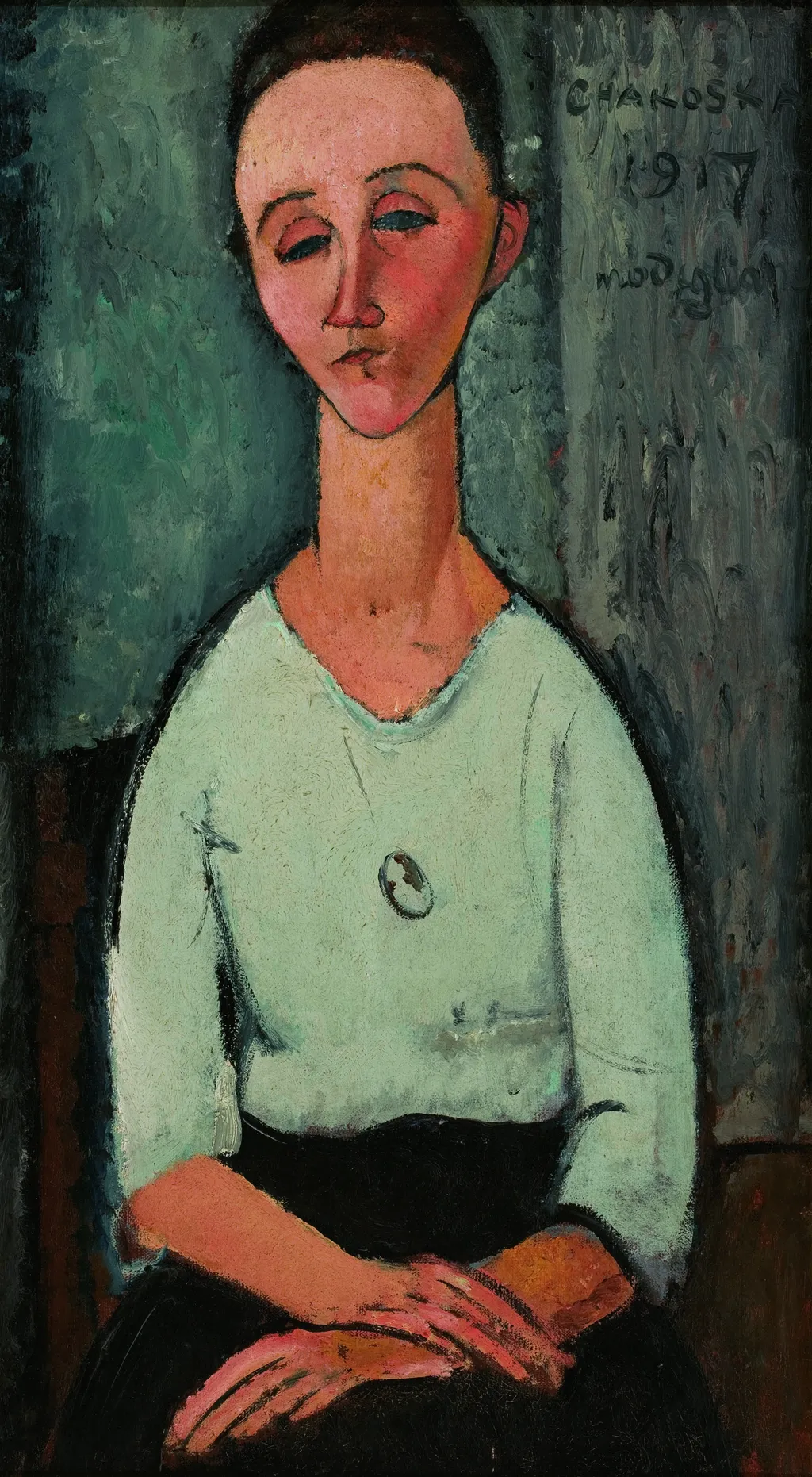
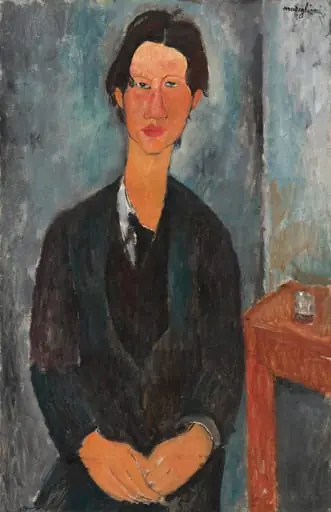
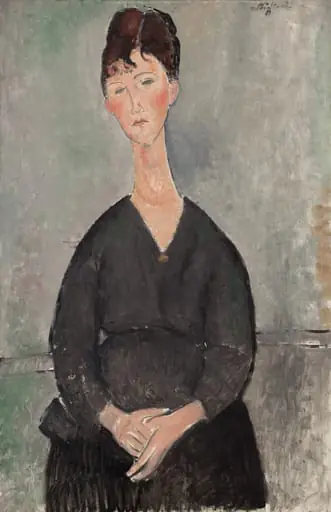
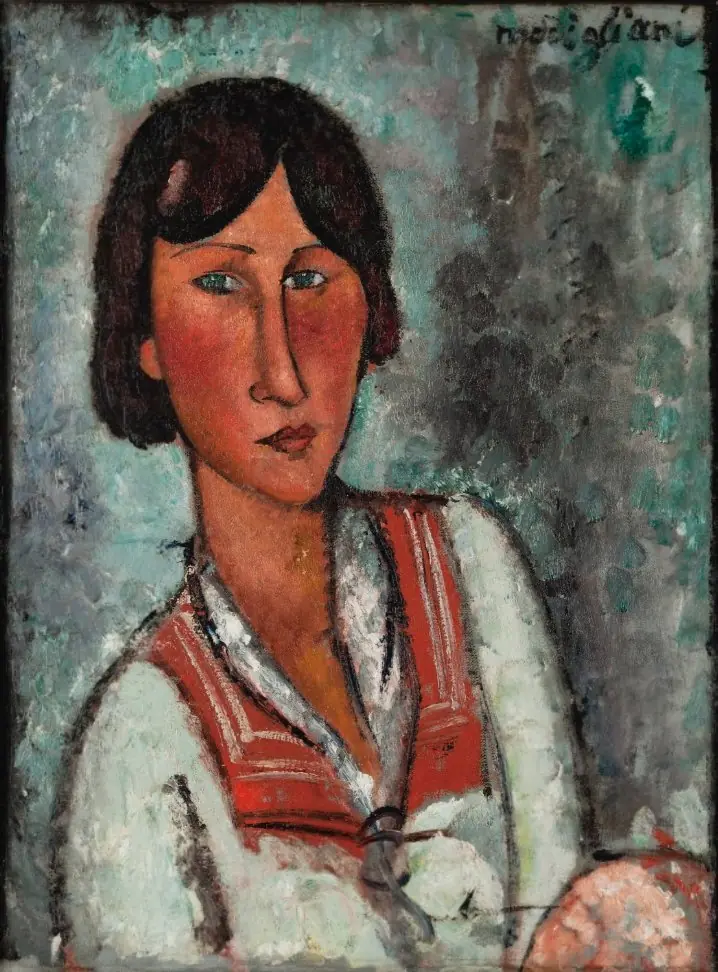
Chakoska is an oil painting by Amedeo Modigliani. It dates from 1917 and is held in the collection of the São Paulo Museum of Art.
About this work
Overview
Modigliani, an Italian expatriate based in Paris, developed a distinctive visual language during his time in the city’s avant-garde circles.
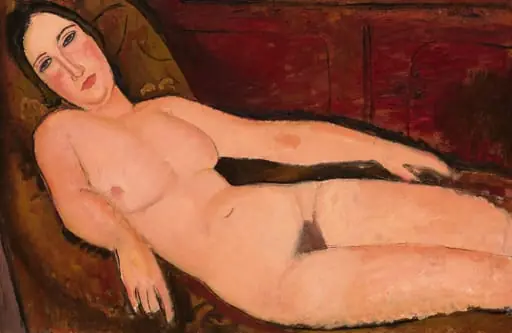
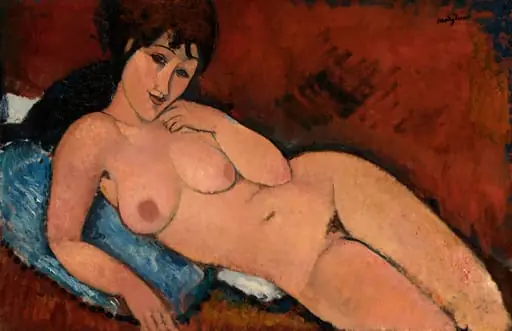
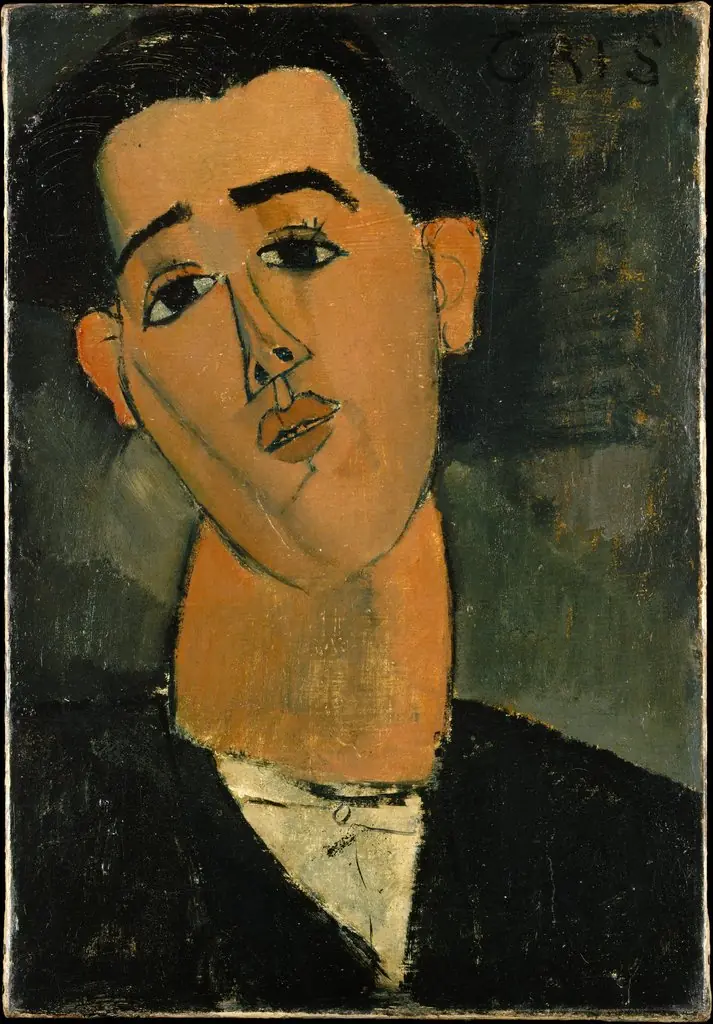
Chakoska is an oil painting completed by Amedeo Modigliani in 1917. It portrays a seated woman in a restrained, introspective pose, rendered with the artist’s signature elongation of form. Modigliani, an Italian expatriate based in Paris, developed a distinctive visual language during his time in the city’s avant-garde circles. The work is part of the São Paulo Museum of Art’s collection, reflecting his broader influence beyond European centers.
Subject & Meaning
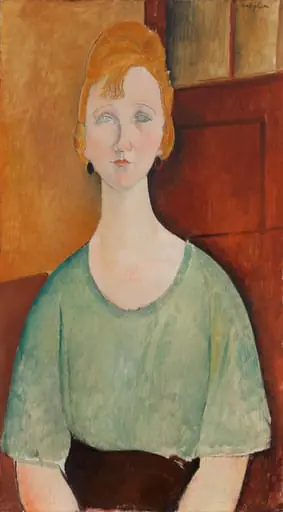
The subject is a woman dressed in a white shirt and black skirt, her hands folded calmly in her lap. Her face, elongated and serene, features downcast eyes and tightly closed lips, suggesting inward reflection rather than direct engagement. The absence of narrative detail or symbolic elements emphasizes emotional stillness. Modigliani’s focus on quiet presence over psychological drama invites contemplation of inner life through posture and expression.
Technique & Style
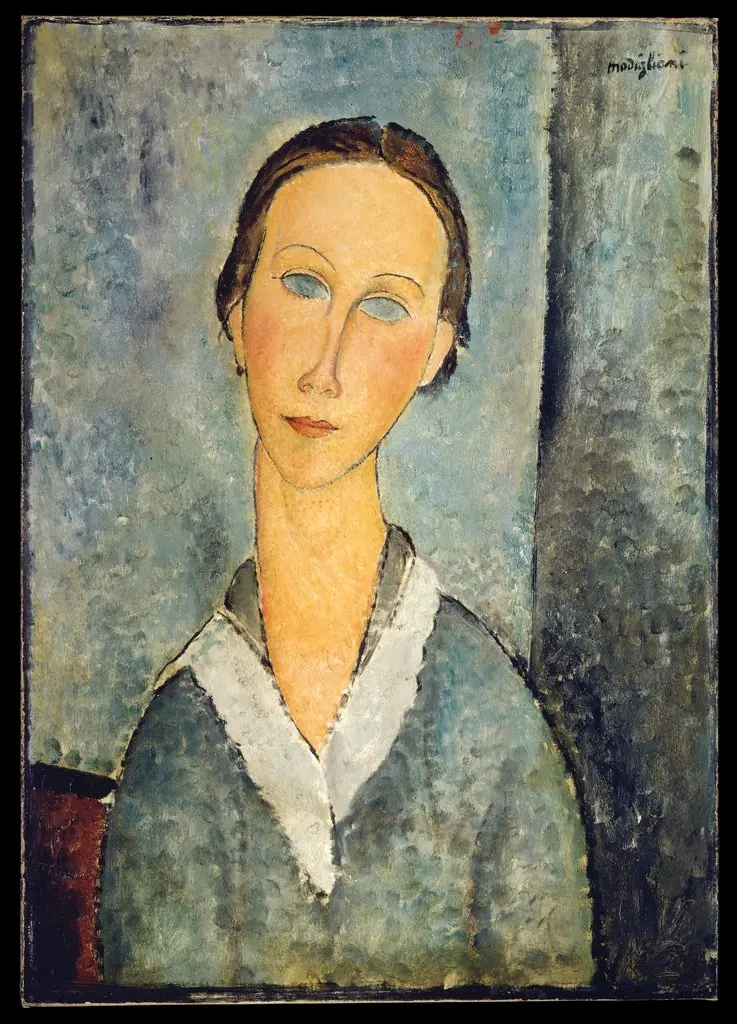
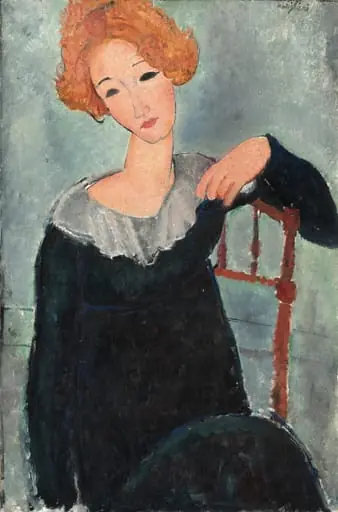
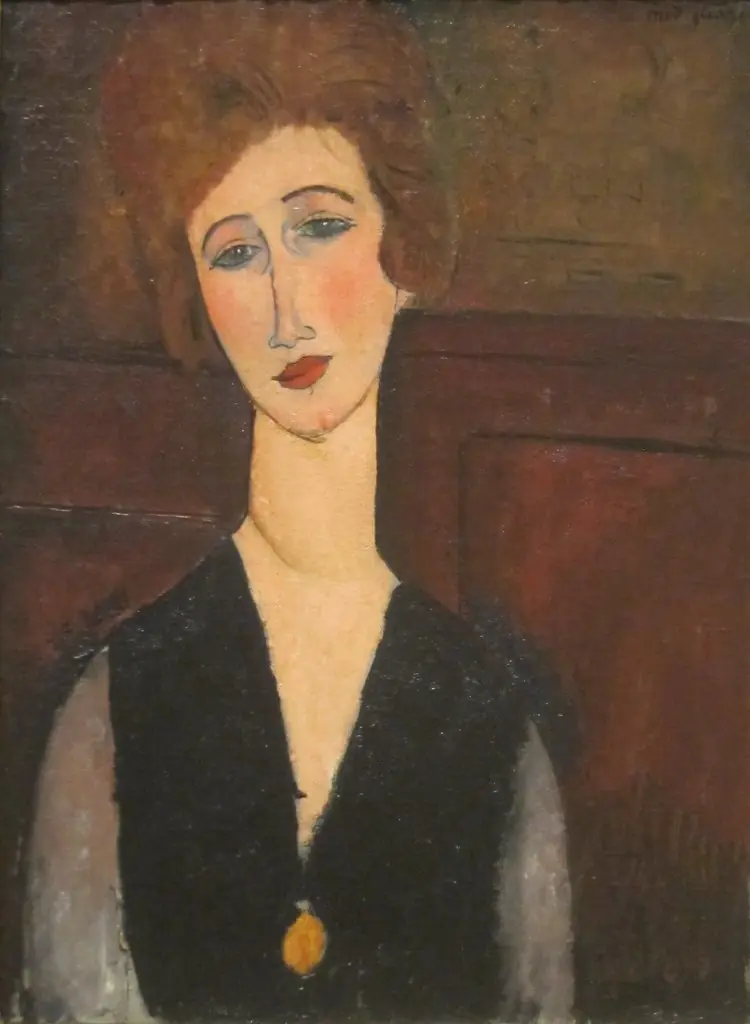
Modigliani applied oil paint in smooth, even layers, minimizing texture to enhance the sculptural quality of the figure. His elongated neck, simplified facial features, and flattened perspective draw from African masks and ancient statuary, filtered through modernist abstraction. The muted green background lacks depth, pressing the figure forward and isolating her in a quiet, intimate space. Brushwork is controlled, avoiding dramatic contrasts to sustain a sense of calm.
History & Provenance
Painted during Modigliani’s most productive Paris period, Chakoska emerged amid his growing recognition among collectors and peers. Though little is documented about the sitter, the work entered the São Paulo Museum of Art’s collection in the mid-20th century, likely through acquisitions of European modernism by Brazilian patrons. Its presence in Brazil underscores the global reach of early 20th-century Parisian art networks.
Context
In 1917, Modigliani was immersed in the experimental milieu of Montparnasse, engaging with artists like Picasso and Brâncuși. While his peers explored Cubism or abstraction, he pursued a personal synthesis of archaic forms and modern sensibility. Chakoska reflects this path—neither fully traditional nor radically avant-garde—offering a quiet alternative to the era’s louder stylistic revolutions.
Legacy
Chakoska exemplifies Modigliani’s enduring contribution to portraiture: the transformation of the human figure into an emblem of stillness and dignity. His elongated forms, stripped of ornament, influenced later generations seeking emotional resonance through formal simplicity. Though not widely exhibited, the painting remains a quiet reference point in studies of modernist portraiture and the aesthetics of introspection.
Own this work as a print
Artist & collection
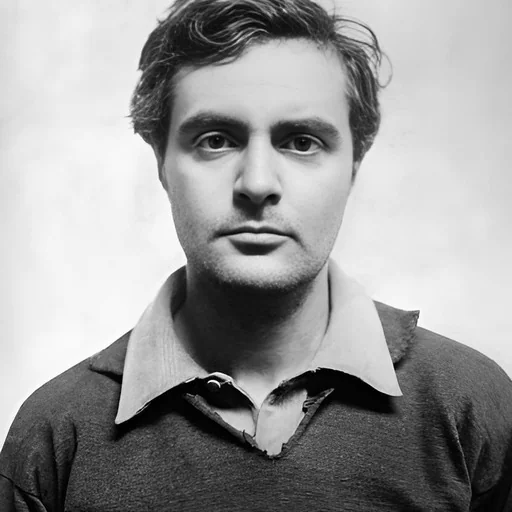
Artist
Amedeo Clemente Modigliani (US: ; Italian: ; 12 July 1884 – 24 January 1920) was an Italian painter and sculptor of the École de Paris who worked mainly in France.