Artwork
The Waitress
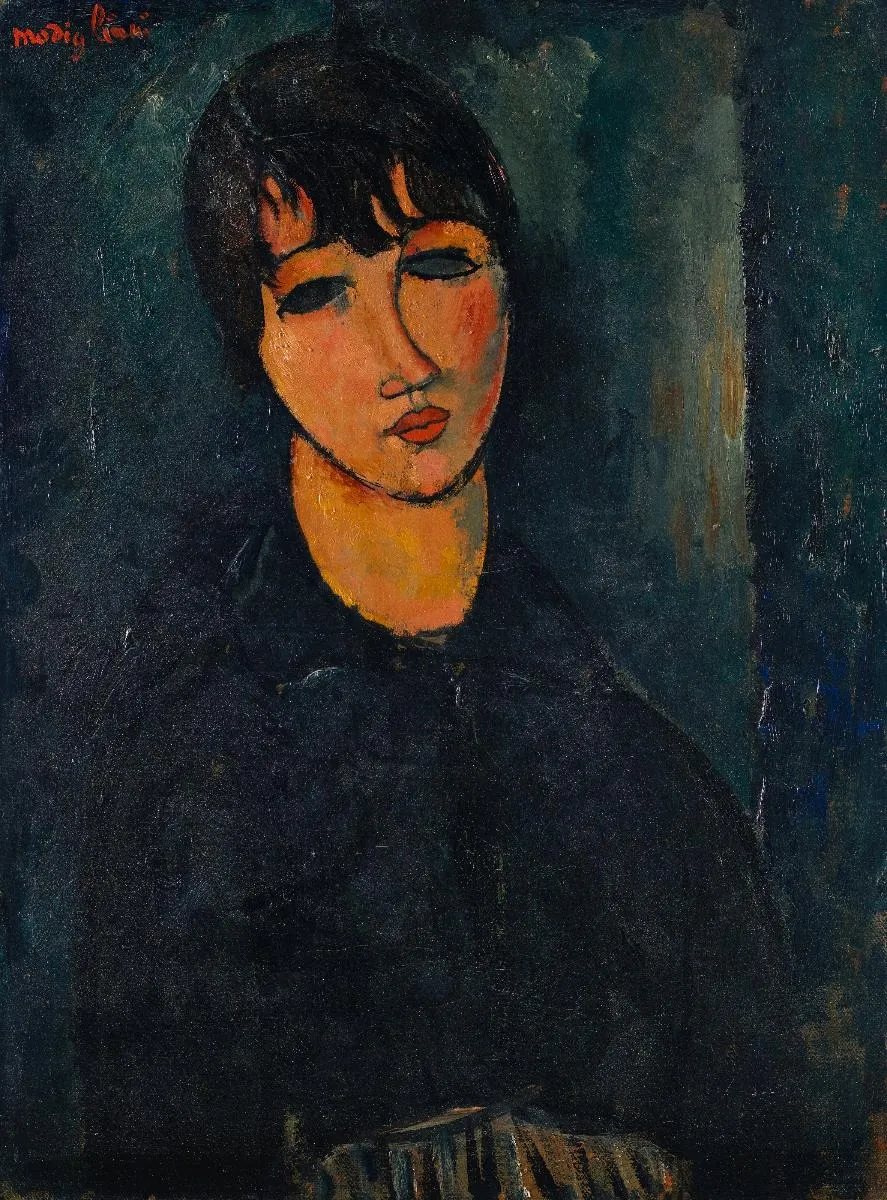
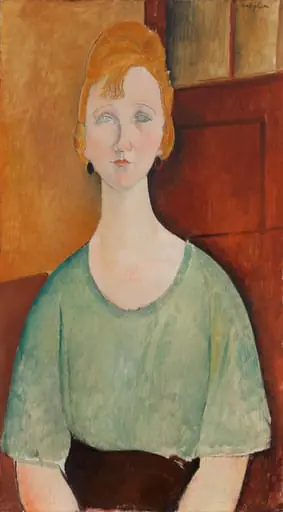
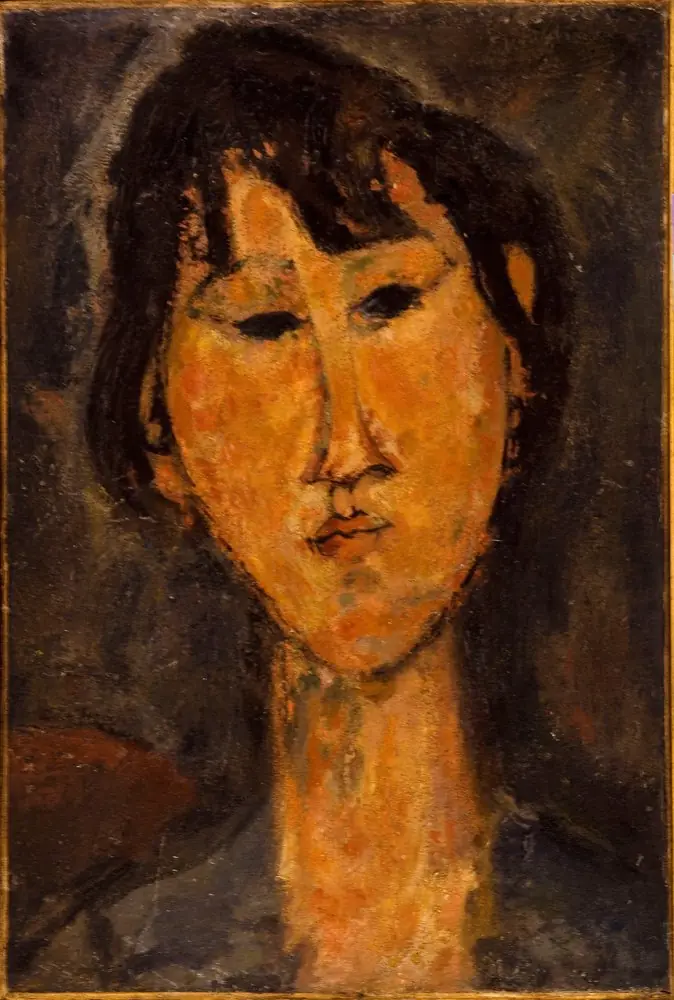
The Waitress is an oil painting by Amedeo Modigliani. It dates from 1916 and is held in the collection of the Kunsthaus Zürich.
About this work
Overview
The Waitress is a 1916 oil painting by Amedeo Modigliani, created during his association with the École de Paris movement. Characterized by simplified forms and a muted palette, the work exemplifies Modigliani's distinctive modernist style.
Subject & Meaning
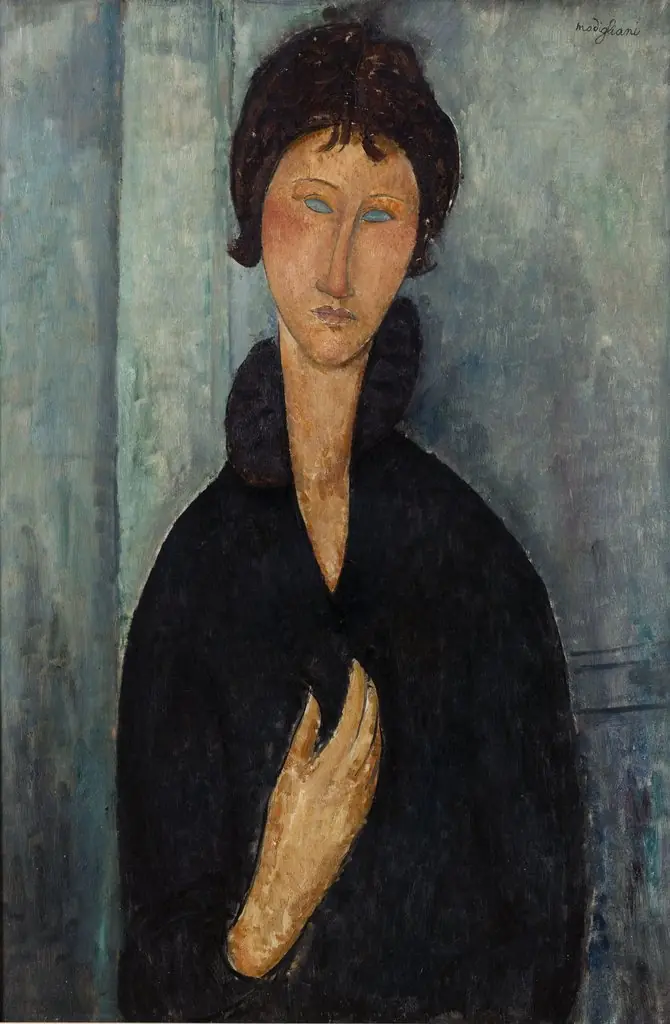
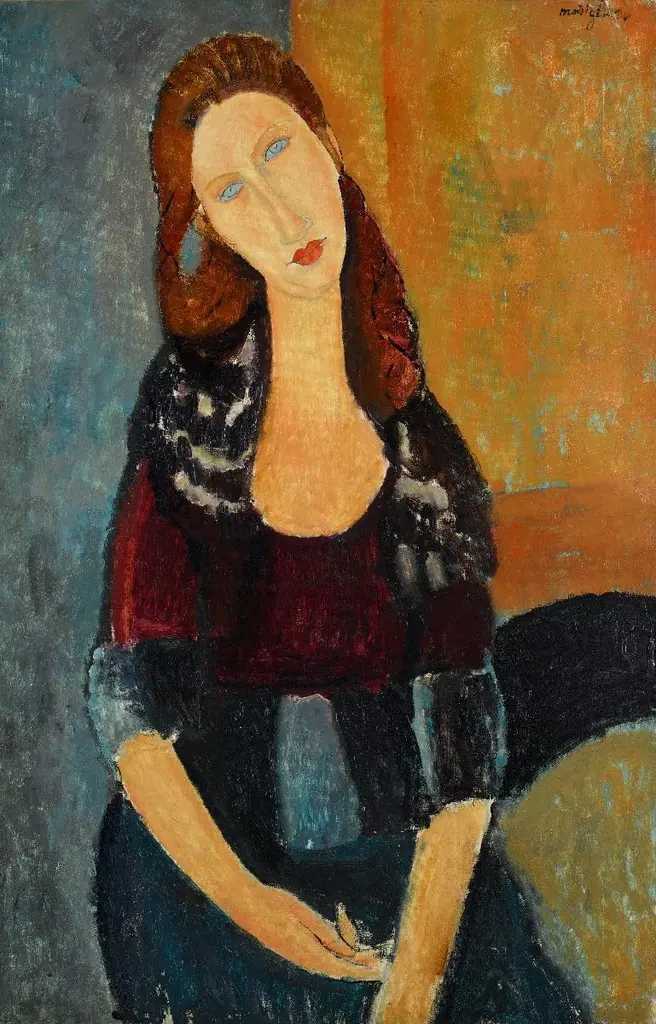
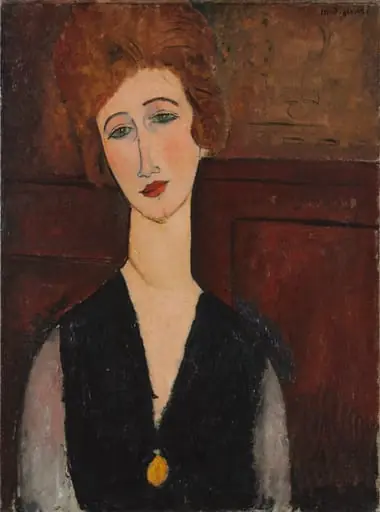
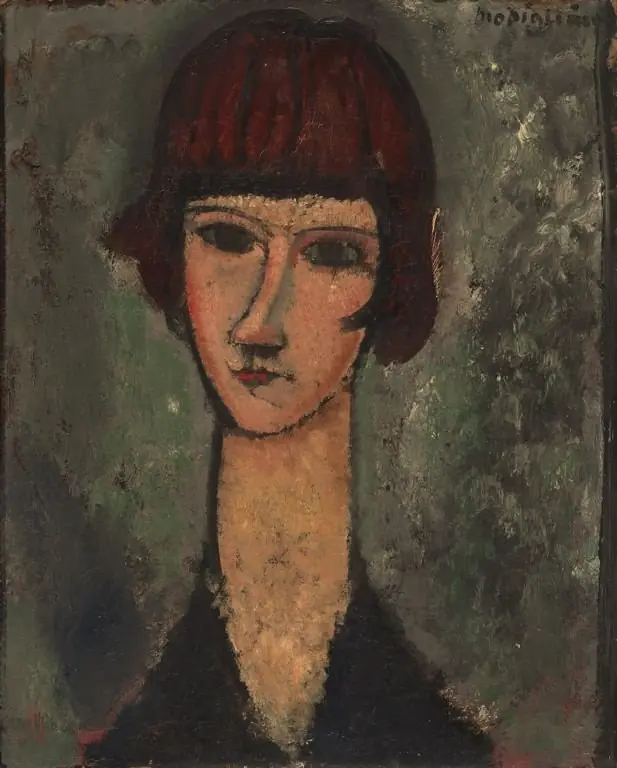
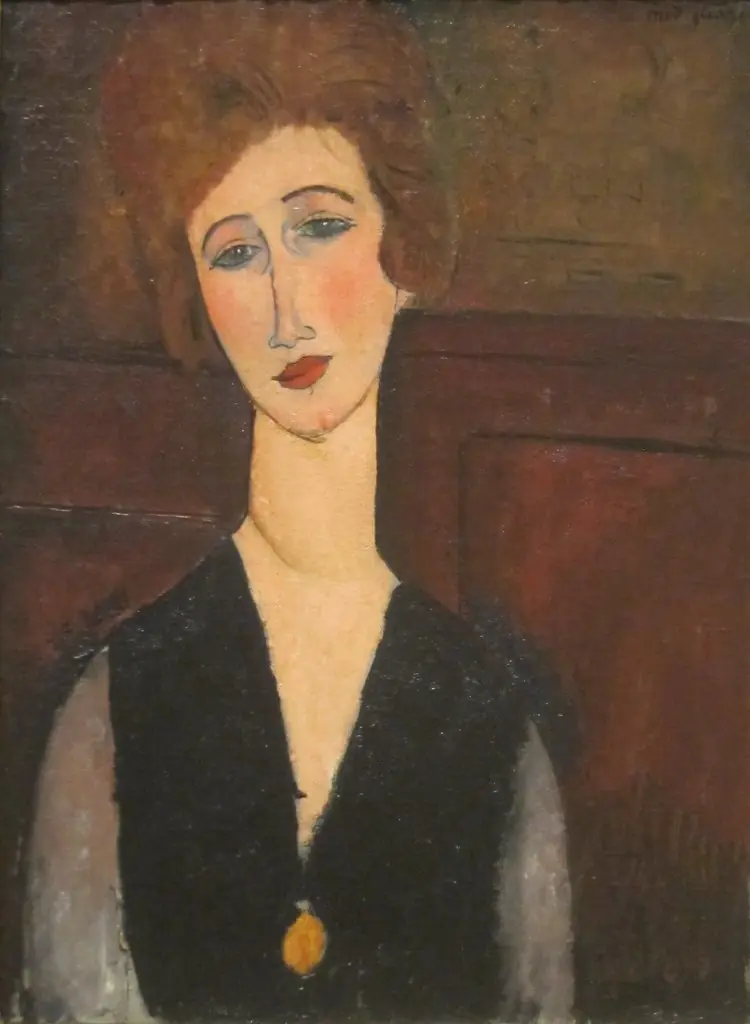
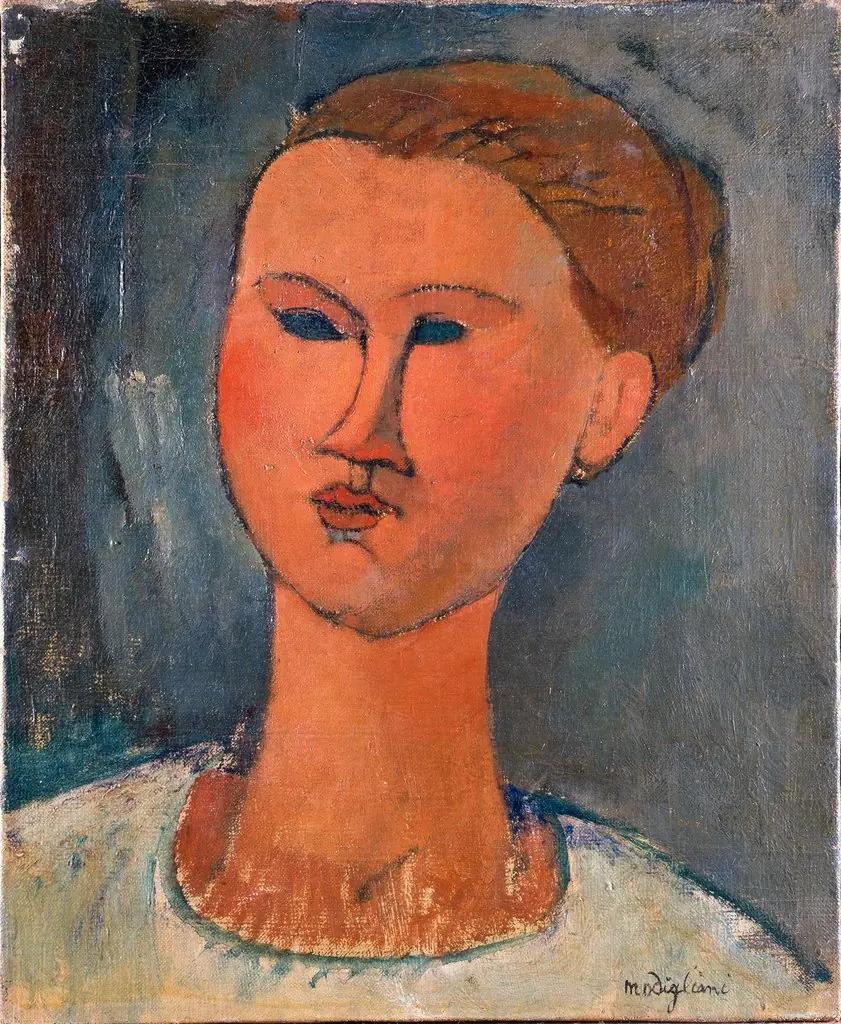
The painting portrays a waitress with short, dark hair and a pale face, her eyes cast downward in a subtle, enigmatic expression. Unlike the described recurring feature of direct viewer gaze in Modigliani's portraits, this subject avoids eye contact, inviting quiet contemplation.
Technique & Style
Modigliani employs bold lines, a dark muted background, and simplified facial features, accentuating the subject's long neck—a hallmark of his elongation technique. The contrast between the subject's pale skin and the dark dress and background enhances the overall sense of serenity.
History & Provenance
Painted in 1916 in Paris, The Waitress reflects Modigliani's stylistic evolution after a decade in France, influenced by earlier studies of Italian antiquity and the Renaissance. The work is part of the Kunsthaus Zürich's collection.
Context
As part of the École de Paris, Modigliani's work, including The Waitress, contributed to the early 20th-century modernist movement in Europe, distinguished by its departure from traditional representation and emphasis on expressive simplification.
Legacy
The Waitress, with its characteristic Modigliani features, represents the artist's enduring influence on modern portraiture, emphasizing emotional depth through minimalist and elongated forms.
Artist & collection

Artist
Amedeo Clemente Modigliani (US: ; Italian: ; 12 July 1884 – 24 January 1920) was an Italian painter and sculptor of the École de Paris who worked mainly in France.