Artwork
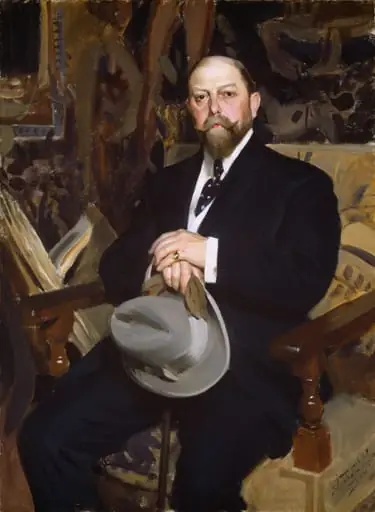
Portrait of Richard Teller Crane
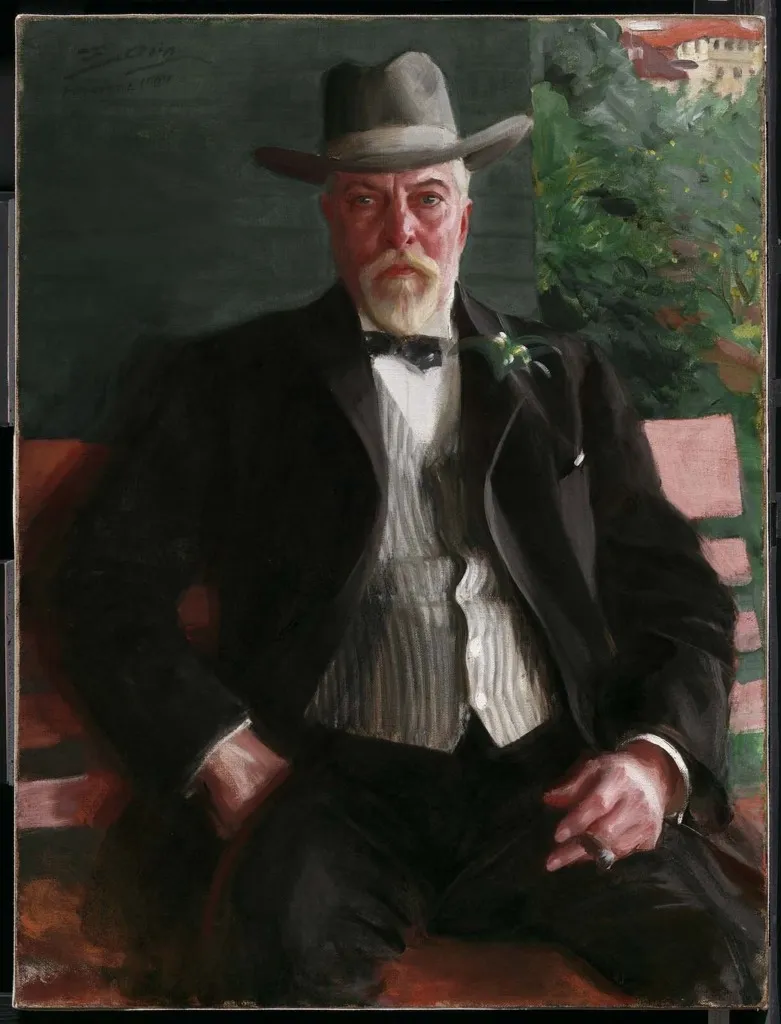
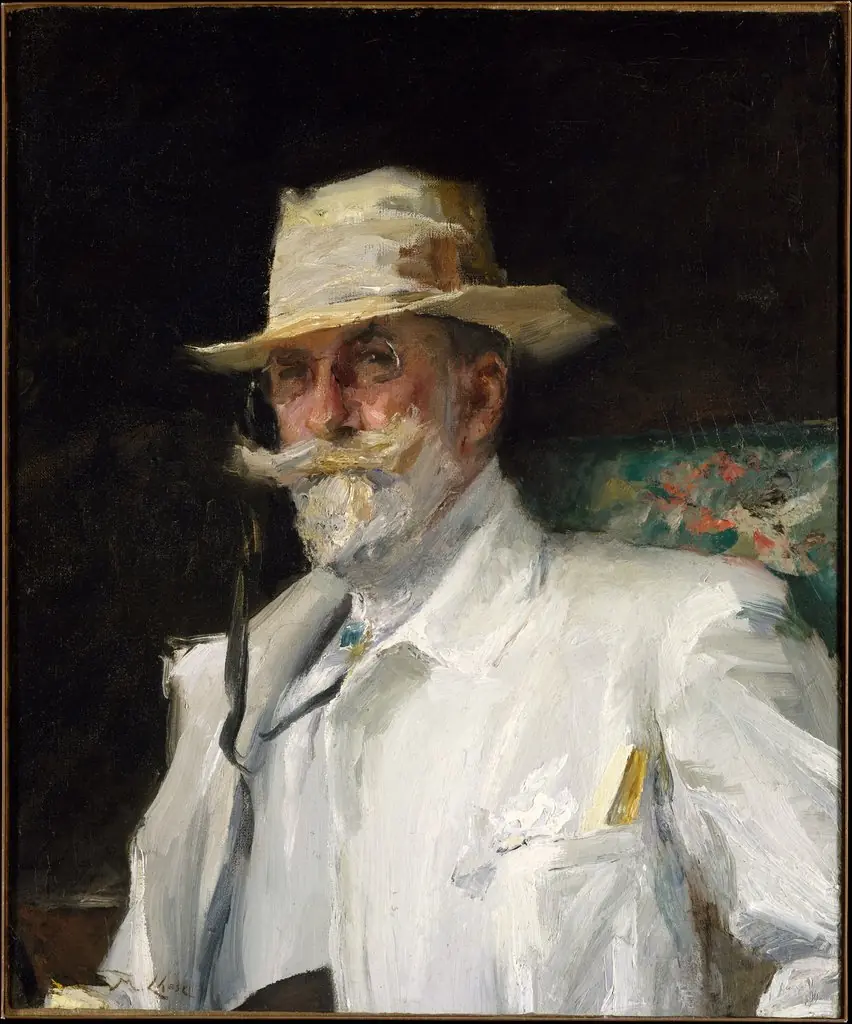
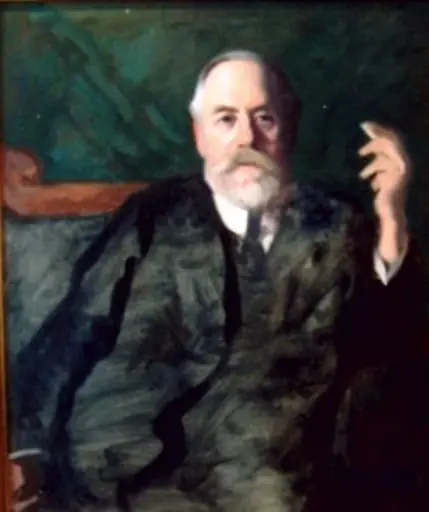
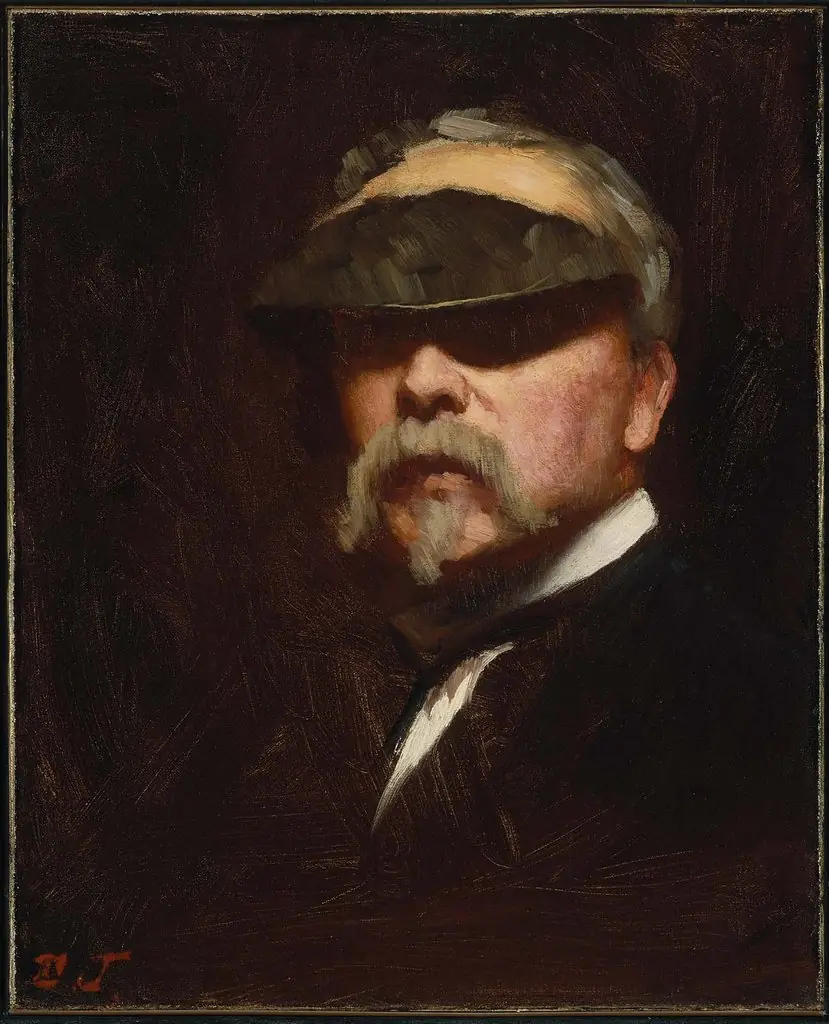
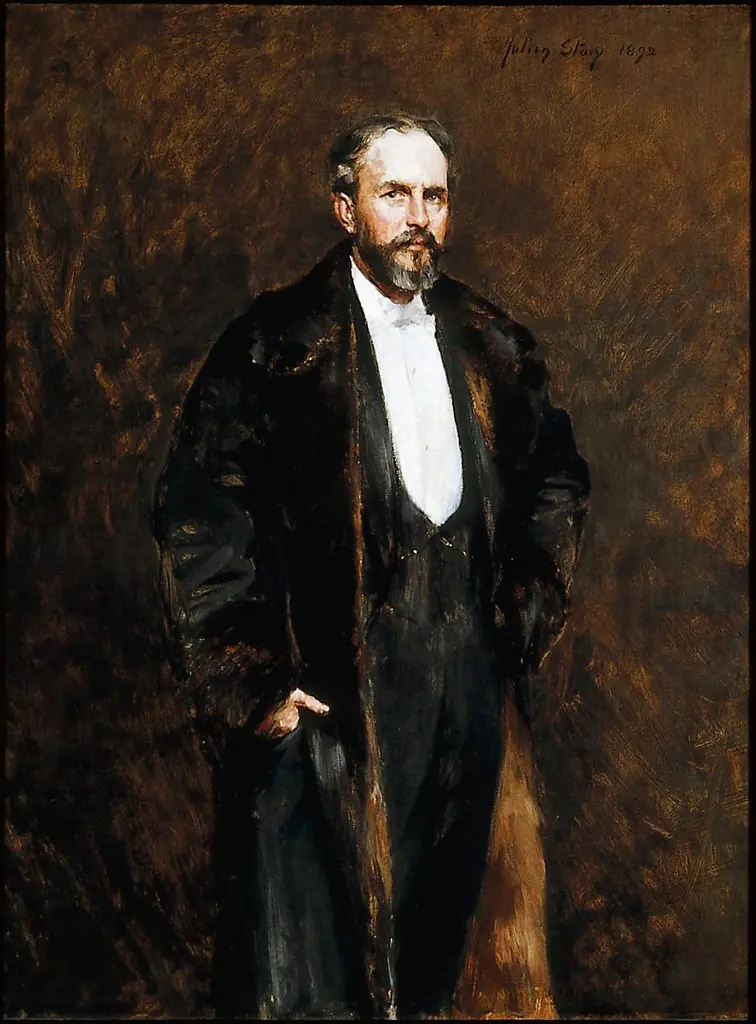
Portrait of Richard Teller Crane is an oil painting by Anders Zorn. It dates from 1900 and is held in the collection of the Museum of Fine Arts Boston.
About this work
Overview
Painted around 1900 by Swedish artist Anders Zorn, this oil portrait captures Richard Teller Crane, an American industrialist and philanthropist.
Painted around 1900 by Swedish artist Anders Zorn, this oil portrait captures Richard Teller Crane, an American industrialist and philanthropist. The work is part of the Museum of Fine Arts, Boston’s collection. Zorn rendered Crane in a seated pose, surrounded by subtle environmental cues that suggest a private, cultivated setting. The composition balances formality with a relaxed intimacy, characteristic of Zorn’s approach to portraiture.
Subject & Meaning
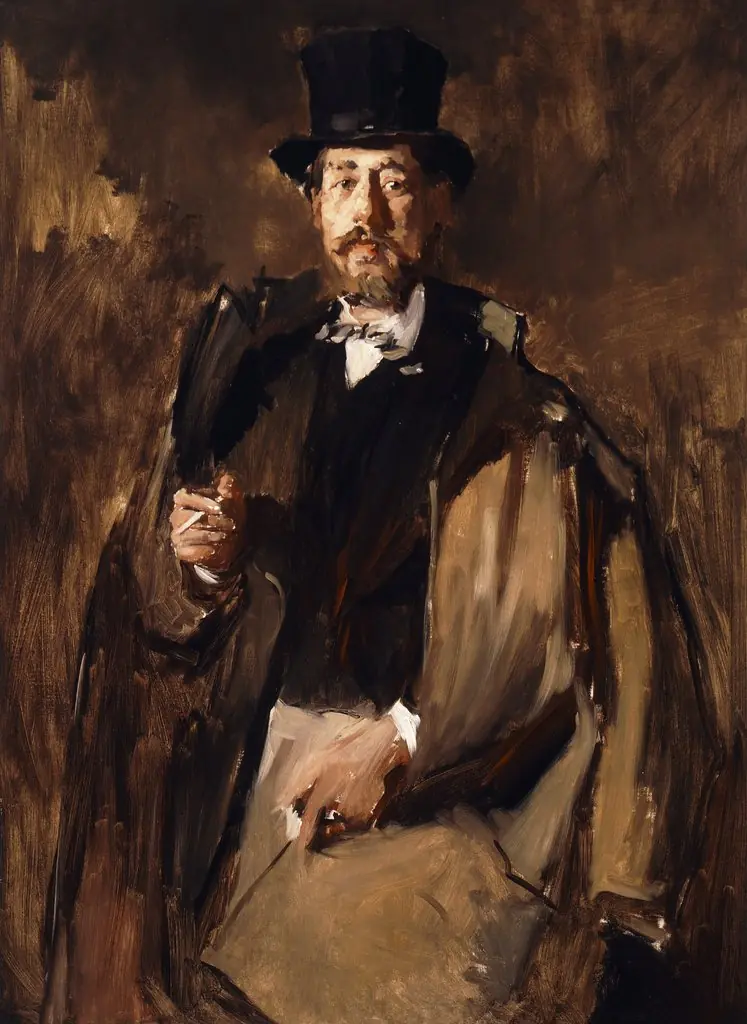
Richard Teller Crane is depicted as a man of established social standing, dressed in a tailored black suit with a white shirt and bow tie. His gray beard and mustache, along with the cigar in his right hand, convey a sense of personal distinction and quiet confidence. The gray hat resting nearby implies a momentary pause, perhaps between engagements. The portrait avoids overt symbolism, instead emphasizing presence and composure as markers of status.
Technique & Style
Zorn employed a restrained palette dominated by dark tones, with careful modulation of light to model Crane’s features. The brushwork is fluid yet precise, particularly in the rendering of fabric and facial texture. Chiaroscuro is used subtly to define volume without dramatic contrast, lending the figure a tangible presence against the muted background. The suggestion of foliage and architecture on the right adds spatial depth without distracting from the subject.
History & Provenance
The portrait was commissioned during Zorn’s time in the United States, where he painted several prominent figures between 1895 and 1900. Crane, a Chicago-based businessman with interests in railroads and civic development, likely sat for the work during one of Zorn’s American visits. The painting entered the Museum of Fine Arts, Boston’s collection in 1910, acquired through a gift from Crane’s family.
Context
Zorn’s American portraits reflect a period of transatlantic cultural exchange, as European artists were sought after by the U.S. elite for their technical skill and modern sensibility. Unlike formal academic portraits, Zorn’s approach emphasized naturalism and psychological presence. This work aligns with his broader practice of capturing individuals with immediacy, avoiding the stiffness common in Gilded Age portraiture.
Legacy
The portrait remains a representative example of Zorn’s mature style and his ability to convey character through economy of means. It contributes to the understanding of how European artistic traditions influenced American portraiture at the turn of the century. While not widely exhibited, it continues to serve as a reference for studies in early 20th-century realism and the role of portraiture in documenting social identity.
Artist & collection

Artist
Anders Leonard Zorn was born in February 1860 in Mora, Dalarna, the illegitimate son of a Bavarian brewer and a Swedish farmer's daughter; his mother died shortly after his birth, and his grandparents raised him.