Artwork
Presentation at the Temple
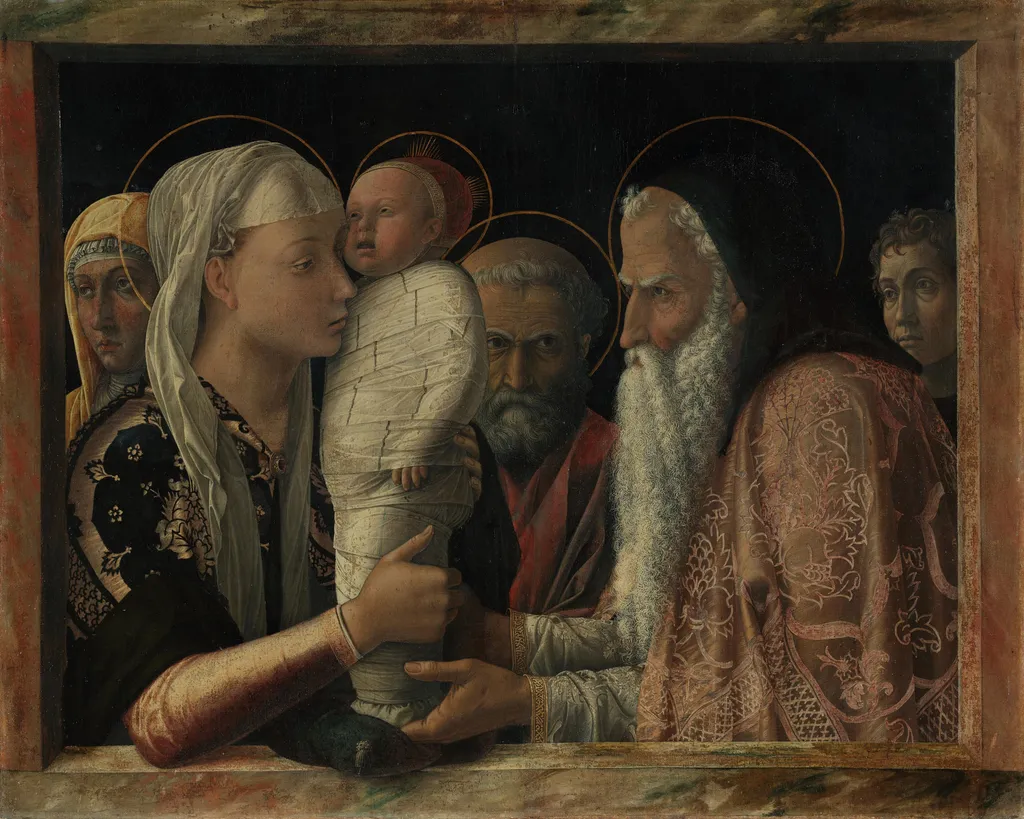
Presentation at the Temple is a tempera painting by the Early Renaissance artist Andrea Mantegna. It dates from 1400 and is held in the collection of the Gemäldegalerie Berlin.
About this work
It was made around 1455, which was a time of fresh ideas and new ways of showing space.
Andrea Mantegna painted *Presentation at the Temple* in tempera. This work shows a quiet scene inside a temple. The artist worked in northern Italy during the early Renaissance.
The painting marks a big moment in art. It was made around 1455, which was a time of fresh ideas and new ways of showing space. You can see careful details in the faces and clothes.
Next, look up the artist Andrea Mantegna.
Overview
Andrea Mantegna’s *Presentation at the Temple* is a tempera panel executed around 1455. The work measures roughly a modest size and is now part of the Gemäldegalerie collection in Berlin. It depicts a serene interior scene of the biblical episode in which the infant Christ is brought to the temple, rendered with the compositional clarity characteristic of early Renaissance painting.
Subject & Meaning
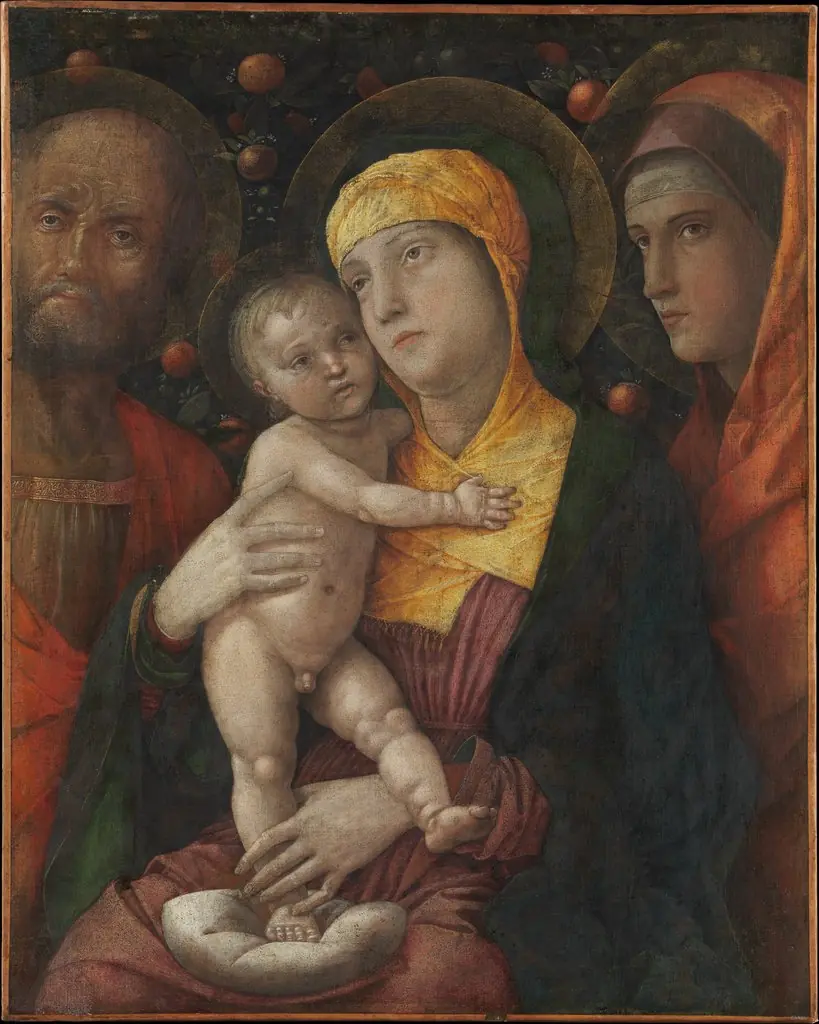
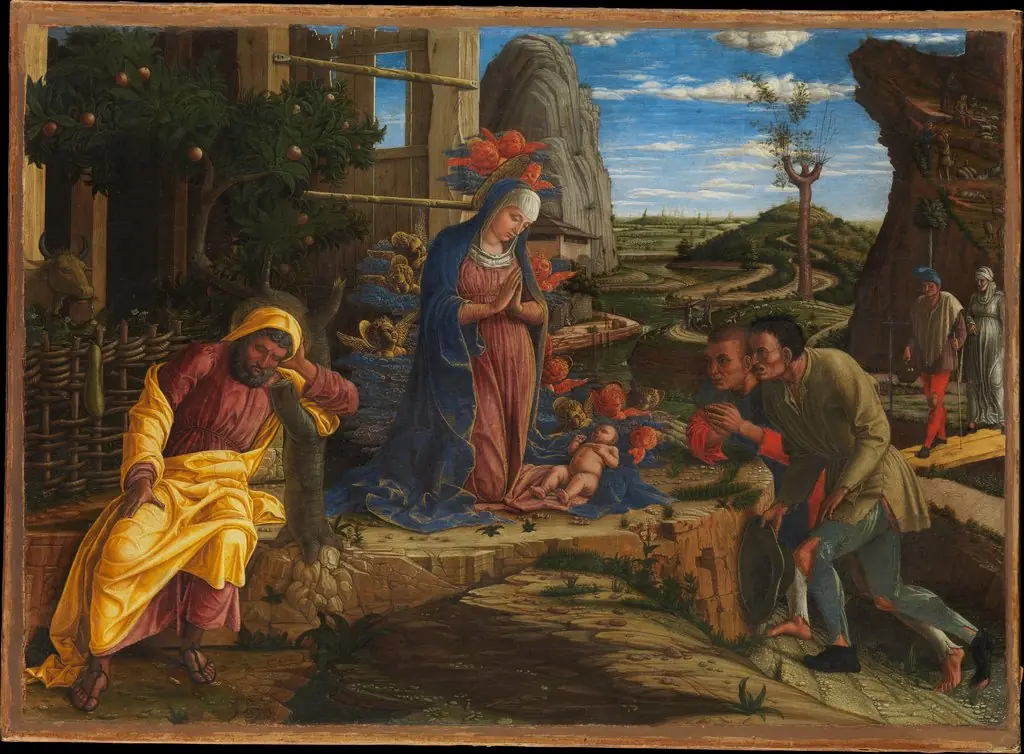
The composition centers on the young Mary, Joseph, and the priestly figures surrounding the infant Jesus as he is presented before the altar. The quiet atmosphere emphasizes the ritual’s solemnity, while the careful rendering of gestures and facial expressions underscores themes of devotion and divine fulfillment within the liturgical setting.
Technique & Style
Mantegna employed tempera on a wooden panel, a medium that allows for fine linear detail and luminous color. The artist’s handling of perspective creates a convincing interior space, with architectural elements receding into depth. Precise modeling of fabrics and attentive facial features reveal his interest in anatomical accuracy and sculptural form.
History & Provenance
Created in the mid‑15th century, the painting reflects Mantegna’s activity in the courts of northern Italy, likely for a private devotional patron. It entered the Berlin Gemäldegalerie collection in the early 20th century, where it has remained accessible to scholars and the public.
Context
The work emerges at a time when Italian artists were experimenting with linear perspective and spatial organization, moving away from medieval flatness. Mantegna’s approach integrates classical architectural motifs, aligning the biblical narrative with contemporary humanist interests in antiquity and the natural world.
Artist & collection
Artist
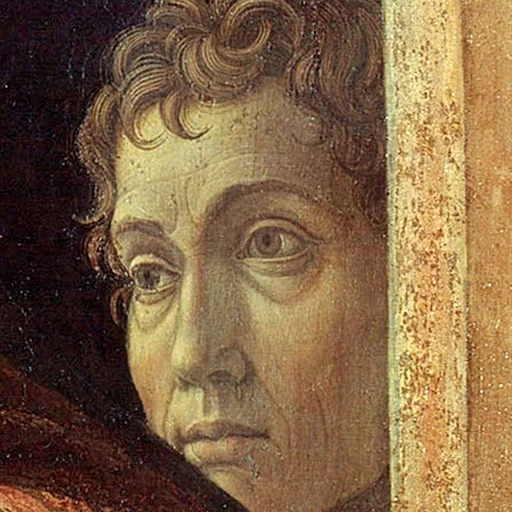
Andrea Mantegna (UK: , US: ; Italian: ; c. 1431 – September 13, 1506) was an Italian Renaissance painter, a student of Roman archaeology, and the son-in-law of Jacopo Bellini. Like other artists of the time, Mantegna…