Artwork
Portrait of a Woman
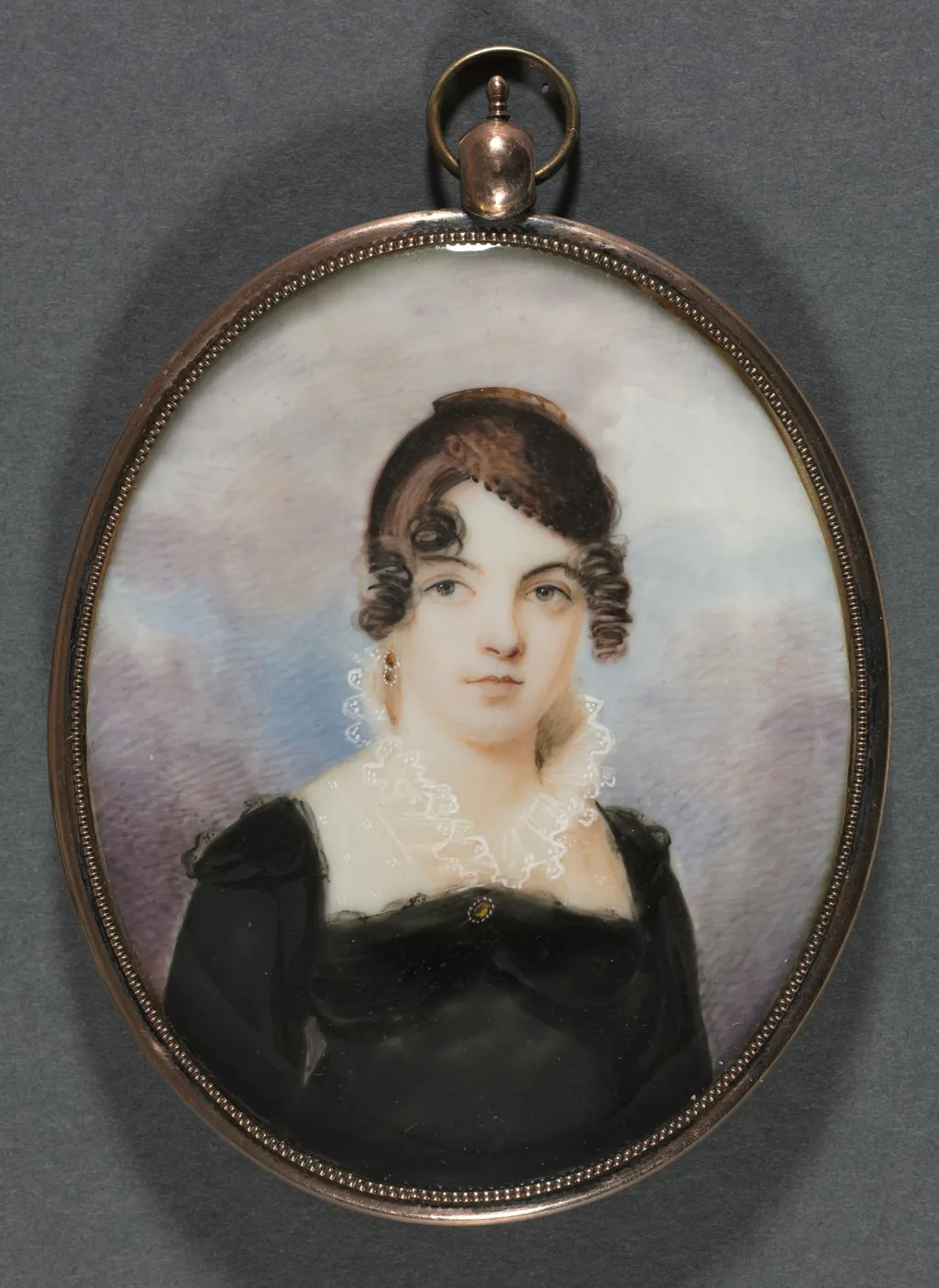
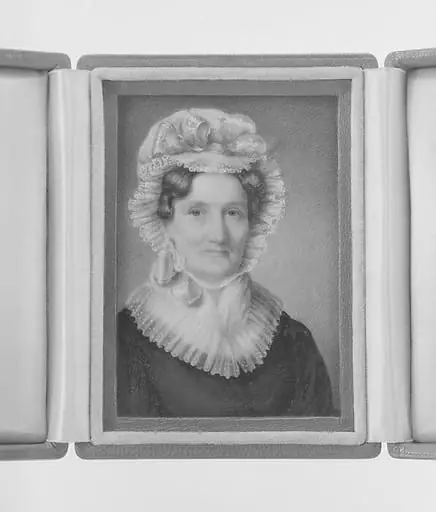
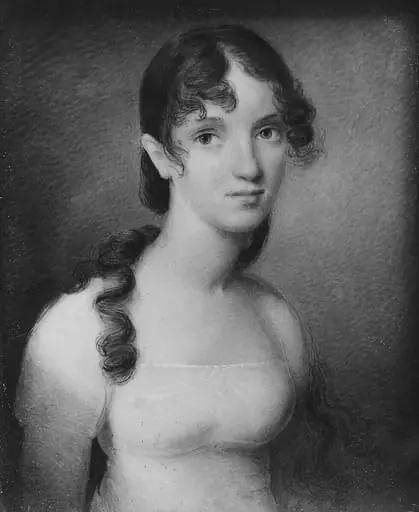
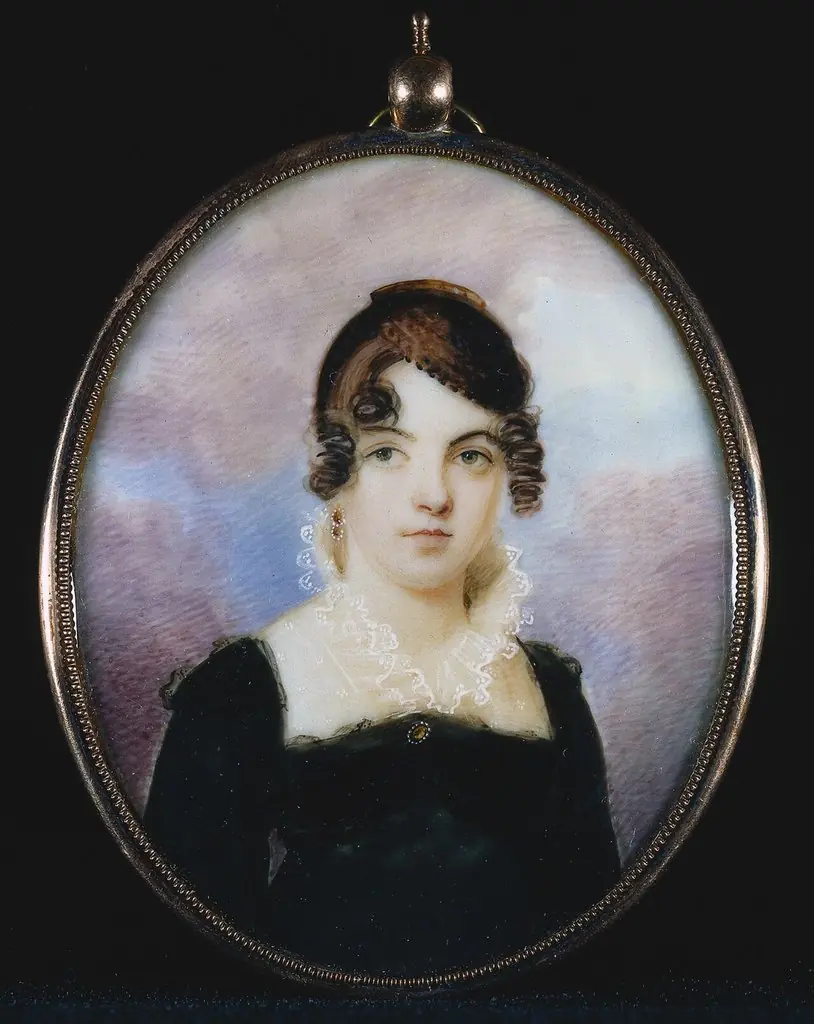
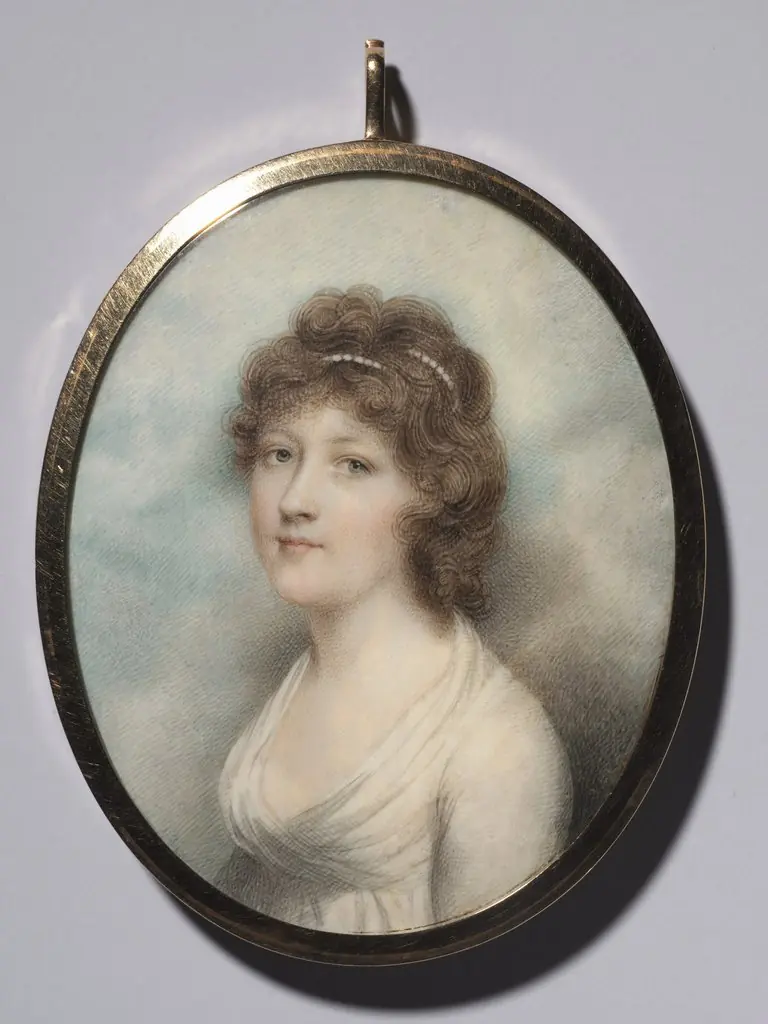
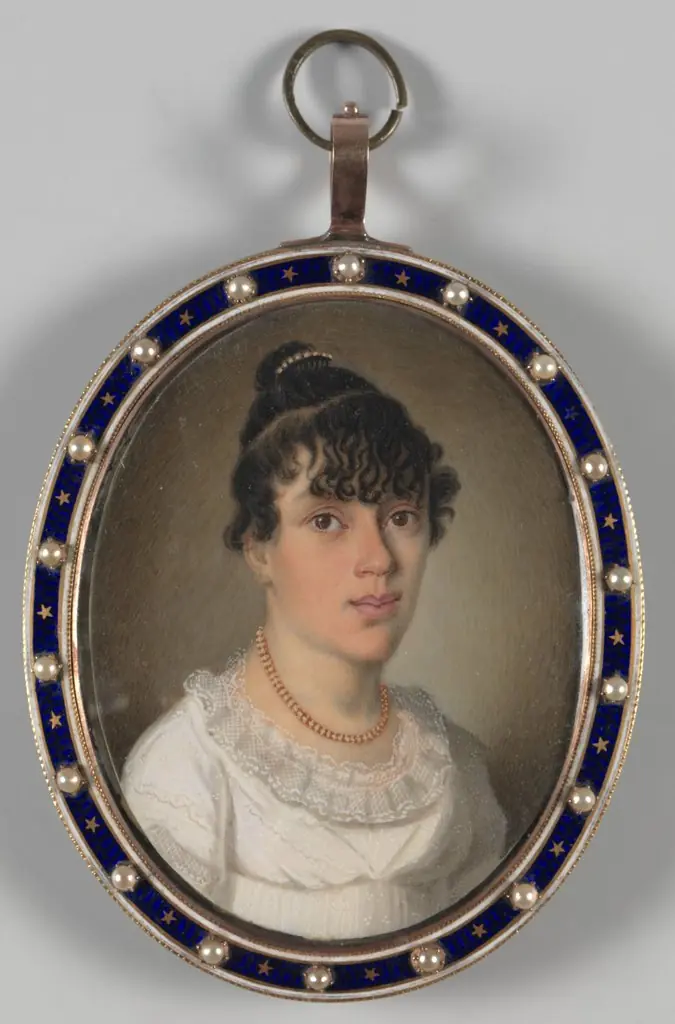
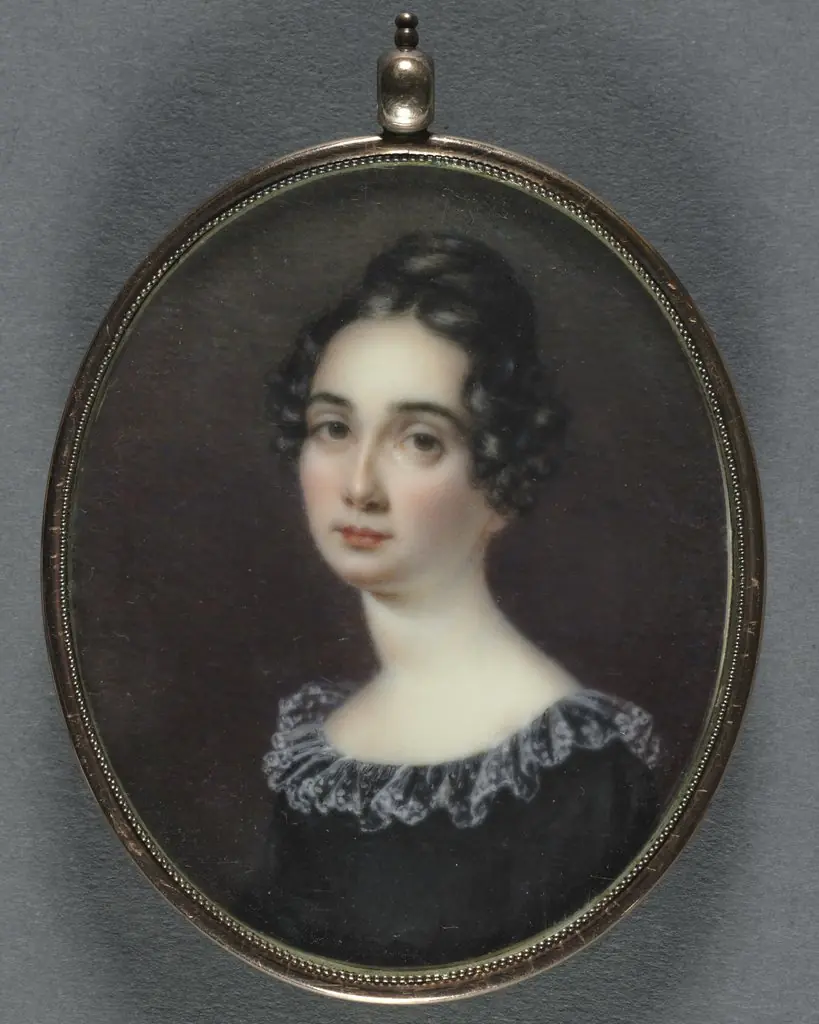
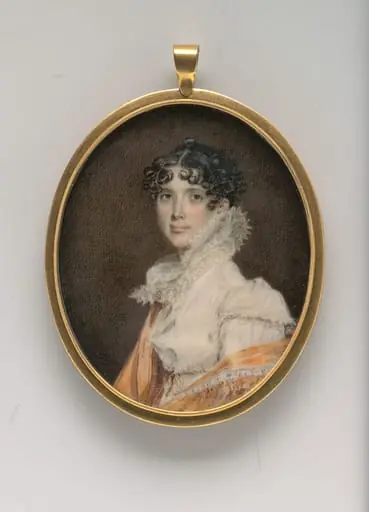
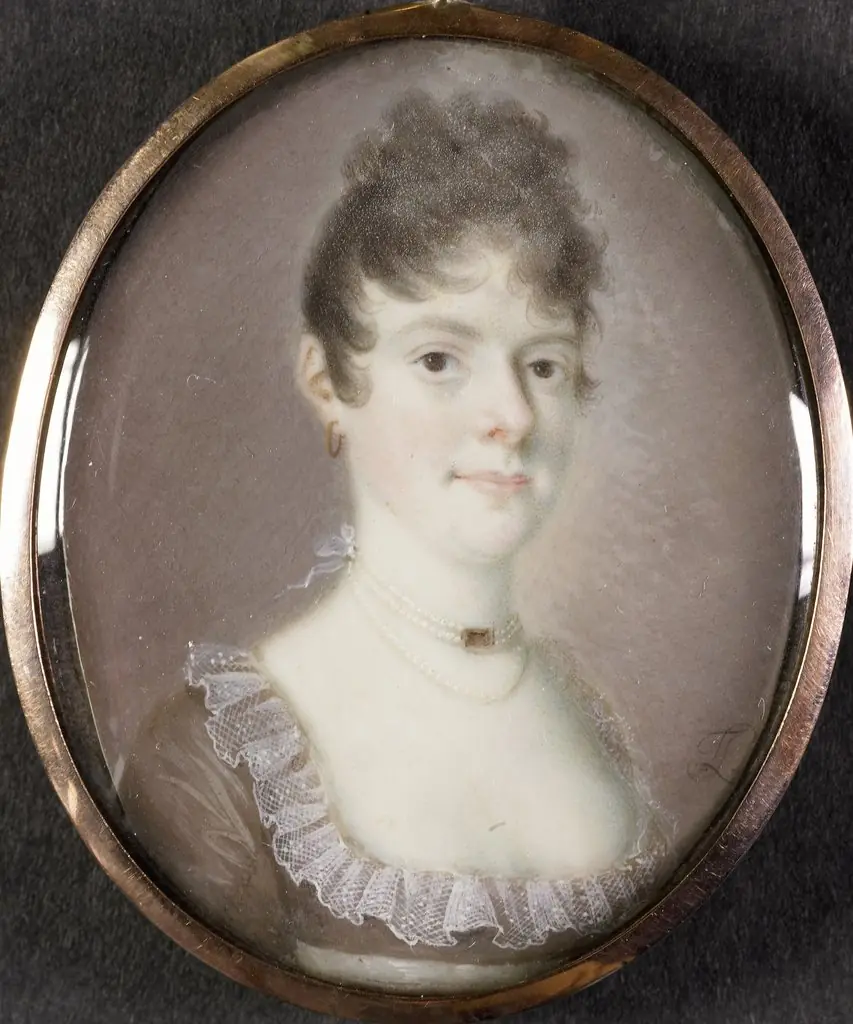
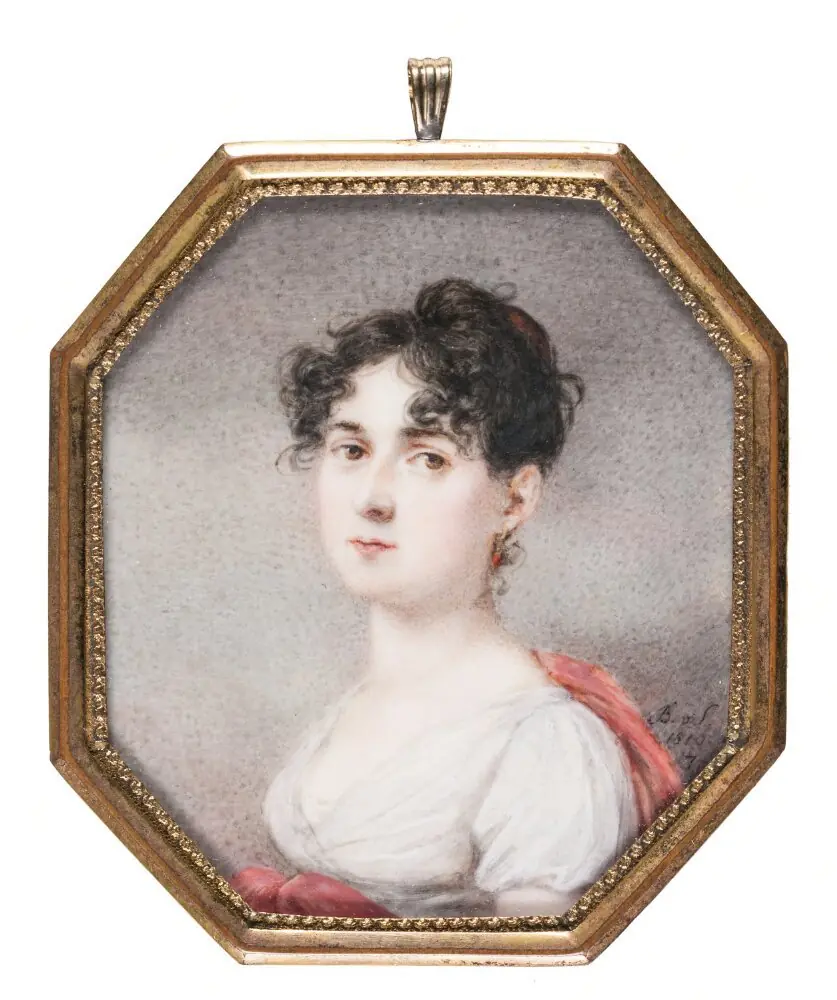
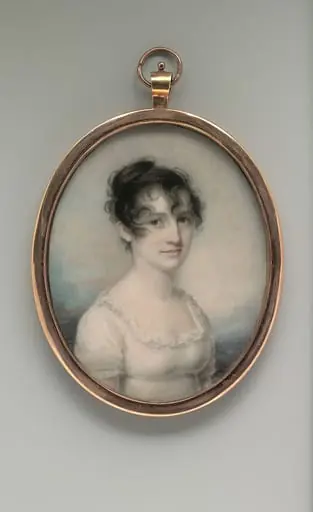
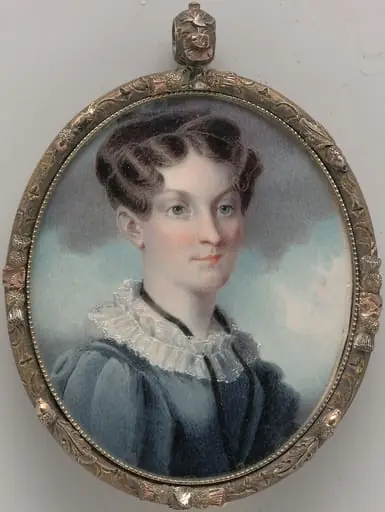
Portrait of a Woman is an unspecified portrait miniature by the American Folk Art artist Anson Dickinson. It dates from 1810 and is held in the collection of the Cleveland Museum of Art.
About this work
Overview
Created circa 1810 by American artist Anson Dickinson, this miniature portrait depicts an unidentified woman in quiet elegance.
Created circa 1810 by American artist Anson Dickinson, this miniature portrait depicts an unidentified woman in quiet elegance. Dickinson, a prolific practitioner of the miniature form, produced hundreds of such works during the early 19th century, catering to a growing middle-class demand for personal portraiture. Executed in watercolor on ivory, the piece reflects the technical precision and intimate scale characteristic of the genre. It resides today in the collection of The Cleveland Museum of Art.
Subject & Meaning
The sitter is portrayed with composed dignity, her gaze direct yet reserved. Her attire—black dress, white lace collar, and black hat—conveys modest refinement, typical of middle- to upper-class women of the period. The dangling earrings and carefully arranged updo suggest attention to personal presentation without overt display. The absence of symbolic objects or elaborate settings emphasizes individual presence over status or narrative, aligning with the era’s preference for restrained personal expression.
Technique & Style
Painted in watercolor on ivory, the miniature demonstrates Dickinson’s mastery of fine brushwork and delicate layering. The subtle gradations in the background—soft blues, purples, and whites—create a luminous, atmospheric field that isolates the figure without distraction. Facial features are rendered with precision, while textures like lace and hair are suggested rather than overdefined. The muted palette and controlled brushwork reflect a preference for clarity and intimacy over dramatic effect.
History & Provenance
Anson Dickinson was among the most active American miniature painters of his time, producing hundreds of portraits between 1800 and 1840. Though widely commissioned during his career, his work fell into relative obscurity after his death in 1852. This portrait entered The Cleveland Museum of Art’s collection through documented acquisition, preserving a representative example of early American domestic portraiture. Its survival reflects its enduring value as a cultural artifact rather than a celebrated artwork of its era.
Context
In early 19th-century America, miniature portraits served as personal mementos, often carried in lockets or displayed in private homes. They emerged as accessible alternatives to large oil paintings, particularly for families without aristocratic connections. Dickinson’s work thrived in this market, responding to a cultural shift toward valuing individual identity. While European Romanticism emphasized emotion and grandeur, American miniaturists like Dickinson favored quiet realism suited to domestic life.
Legacy
Though Dickinson’s name faded from public memory after the mid-19th century, his body of work remains a vital record of American social life. Miniatures like this one offer insight into the aesthetics and values of ordinary citizens during a formative period in the nation’s history. Today, institutions such as The Cleveland Museum of Art preserve these works not for their fame, but for their quiet testimony to personal identity and material culture in early America.
Artist & collection

Artist
Anson Dickinson (19 April 1779 – 9 March 1852) was an American painter of miniature portraits who achieved fame during his lifetime, producing a very large number of works, but who is now largely forgotten.