Artwork
Portrait of a woman
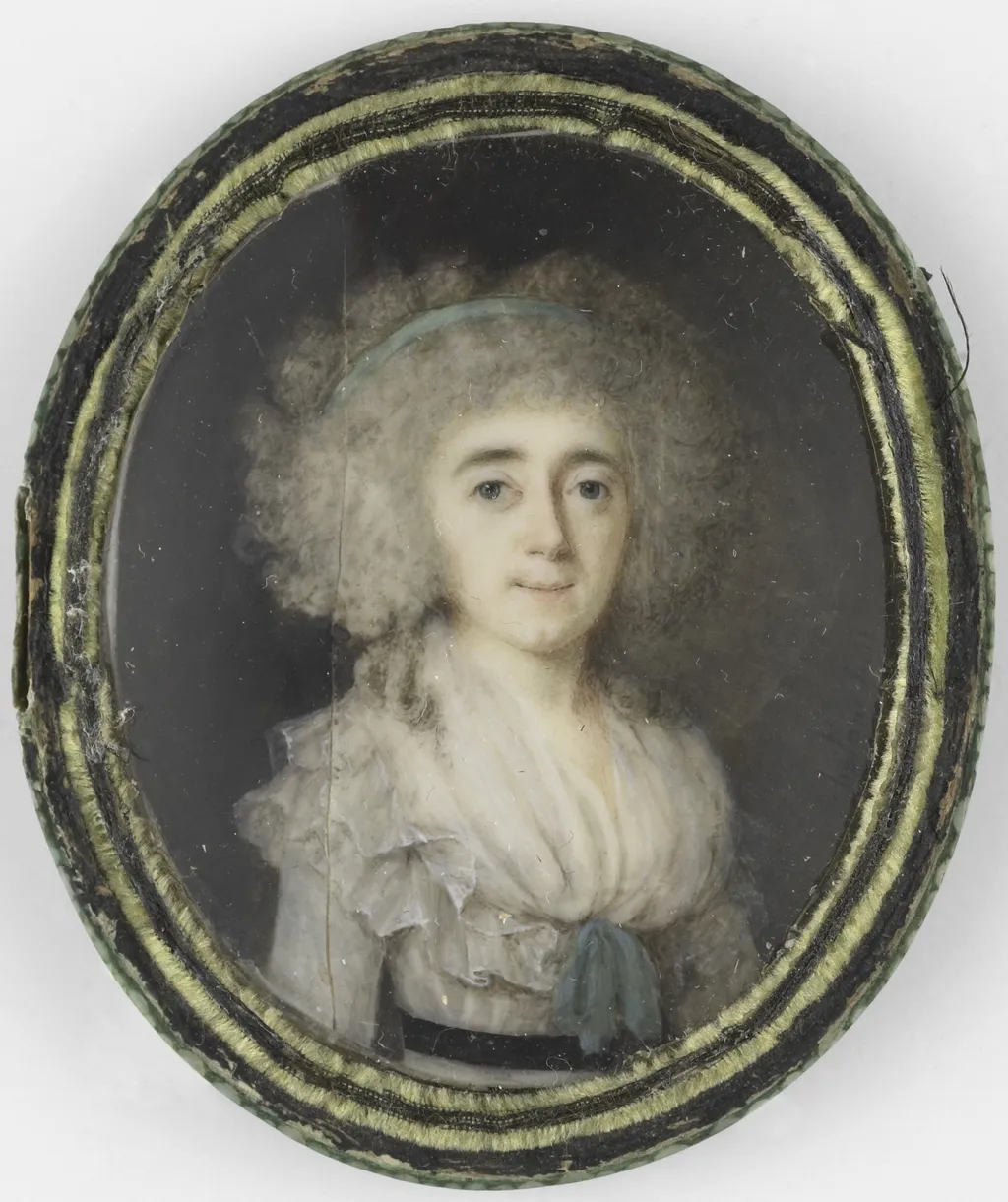
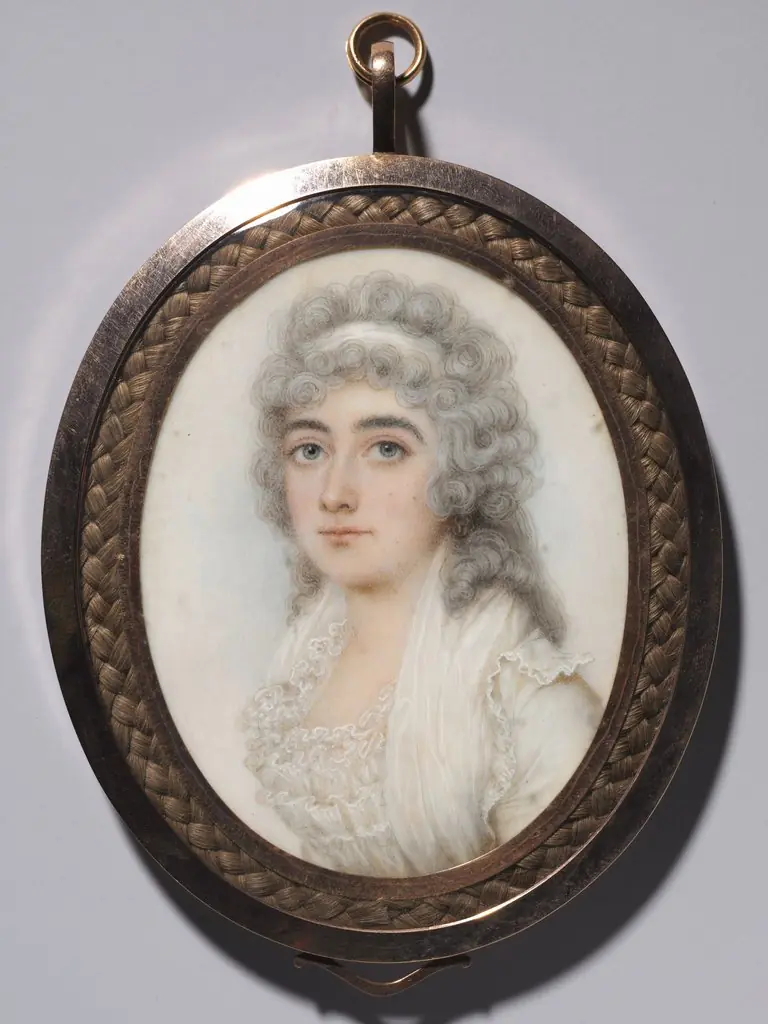
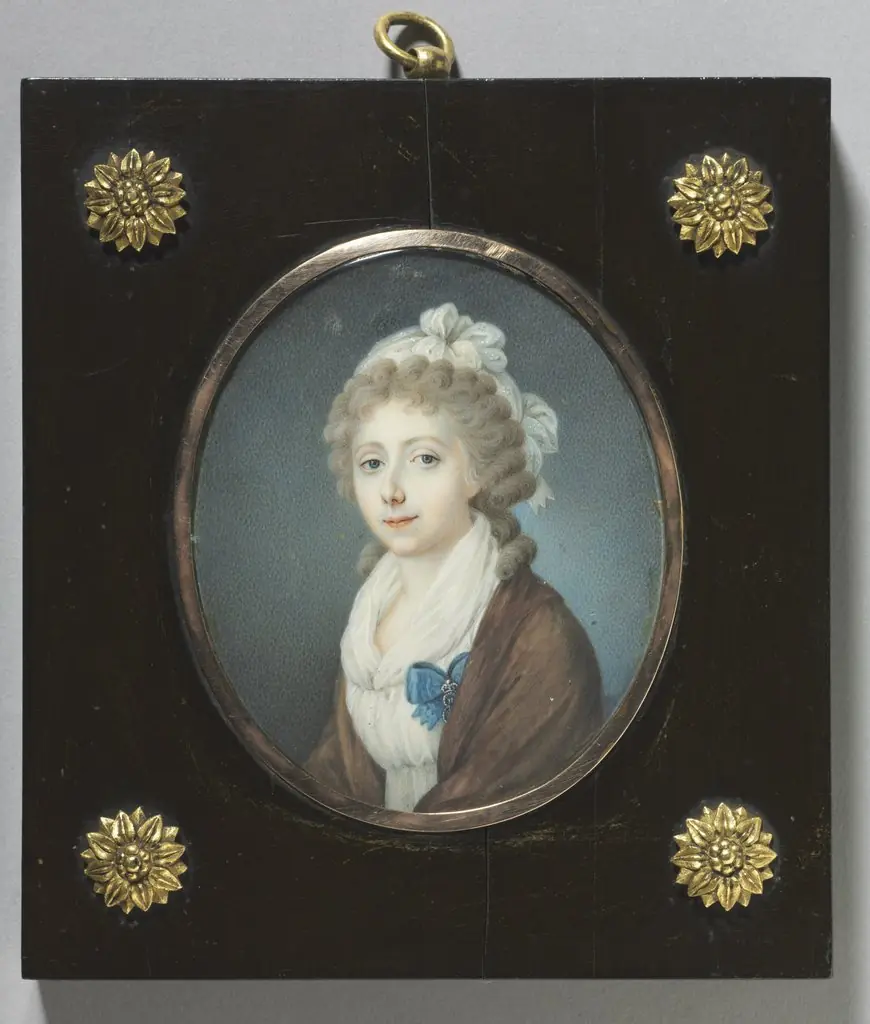
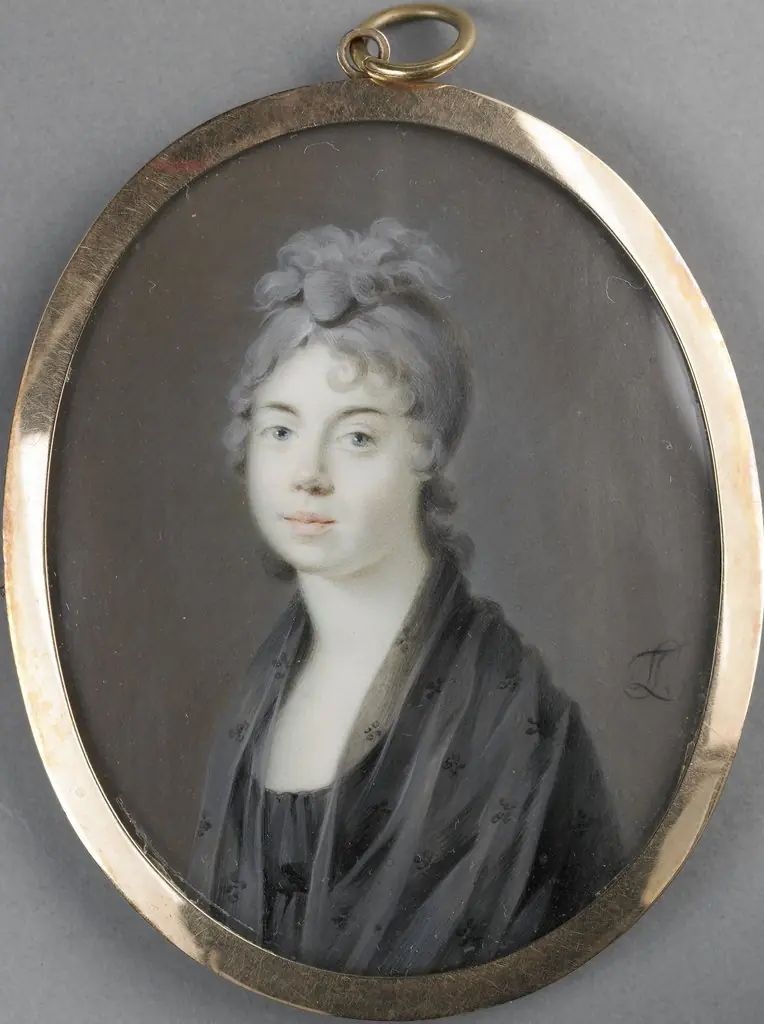
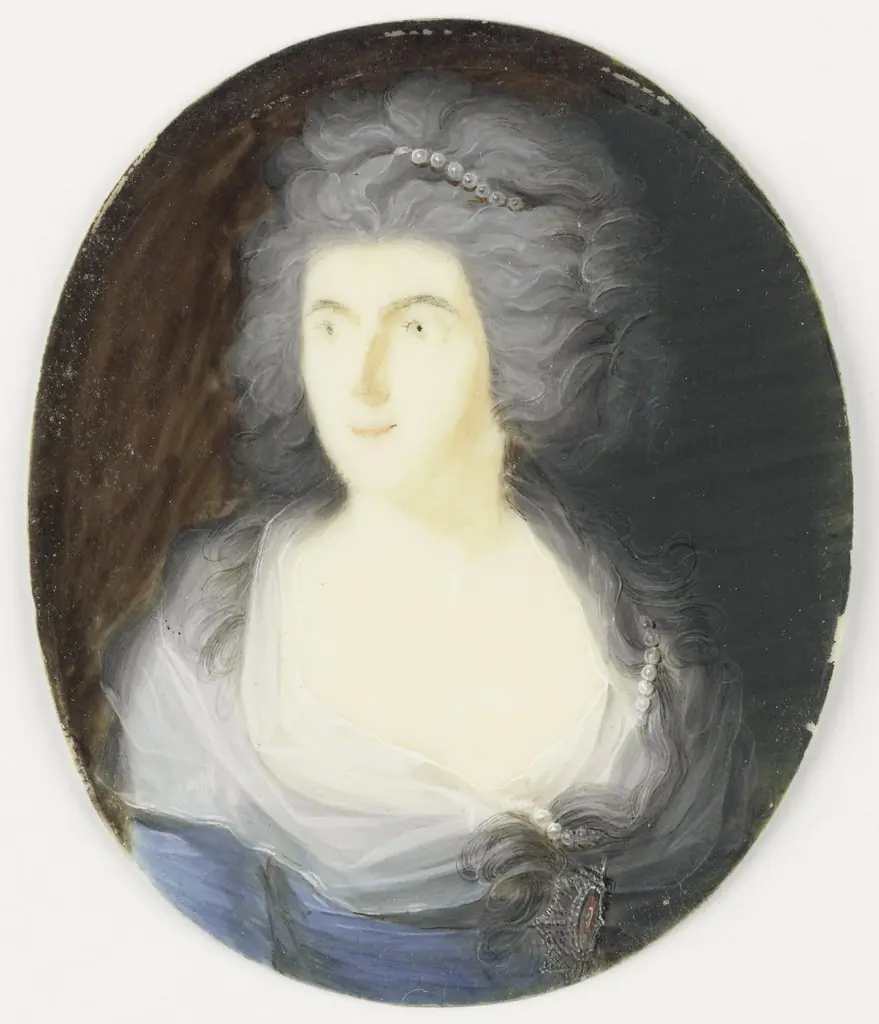
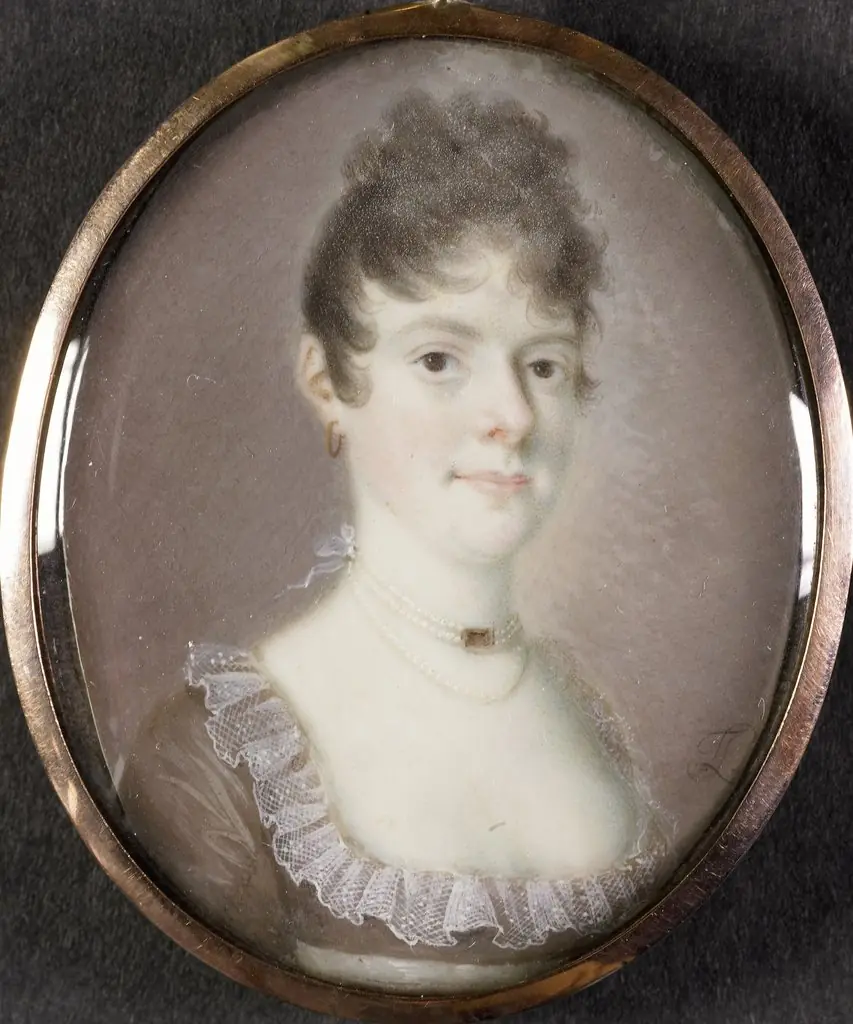
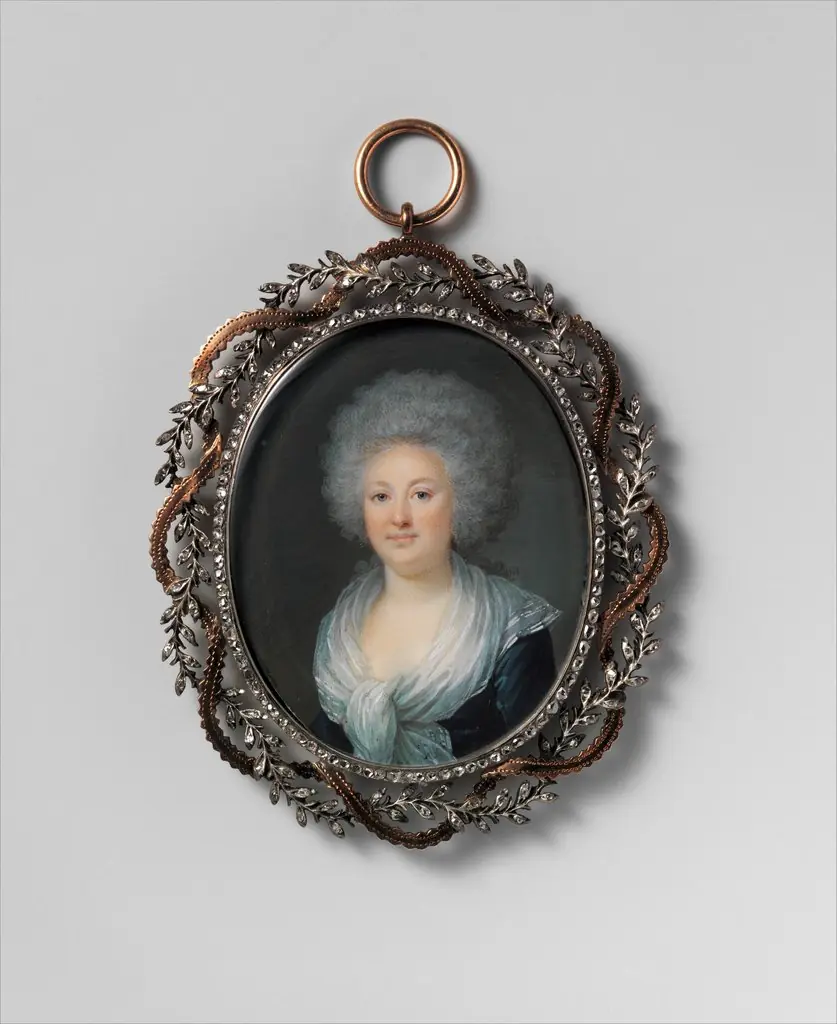
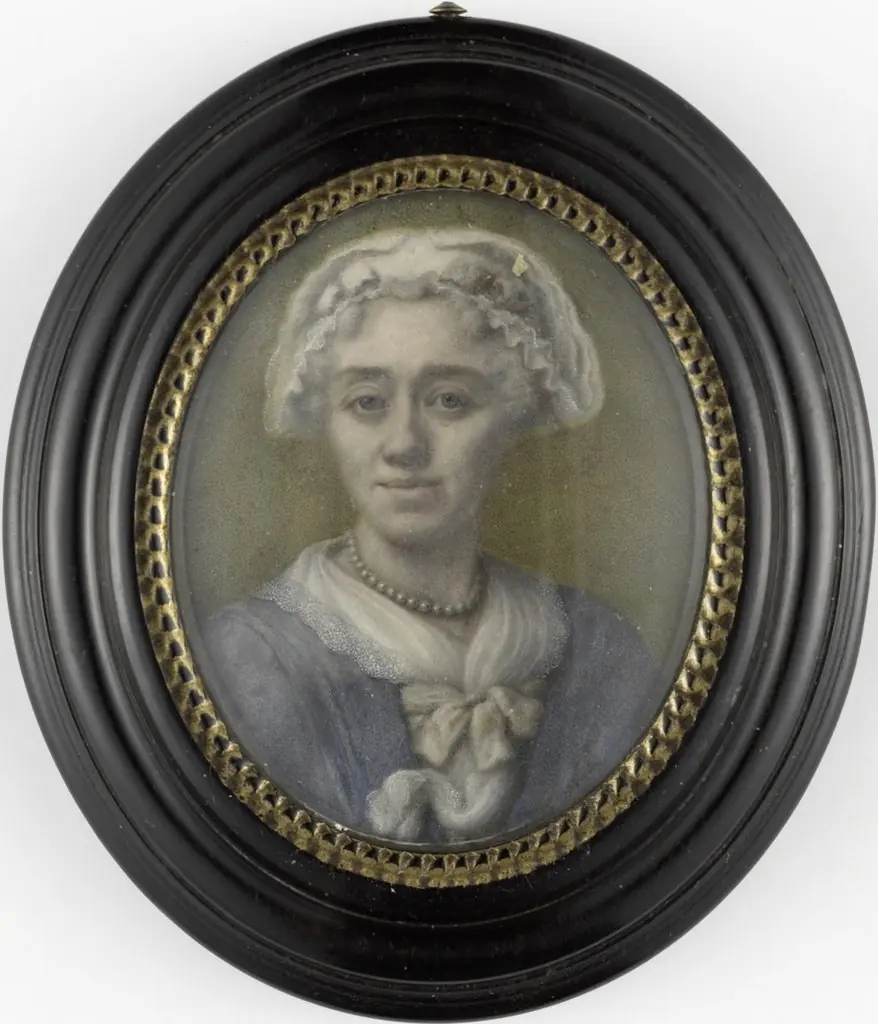
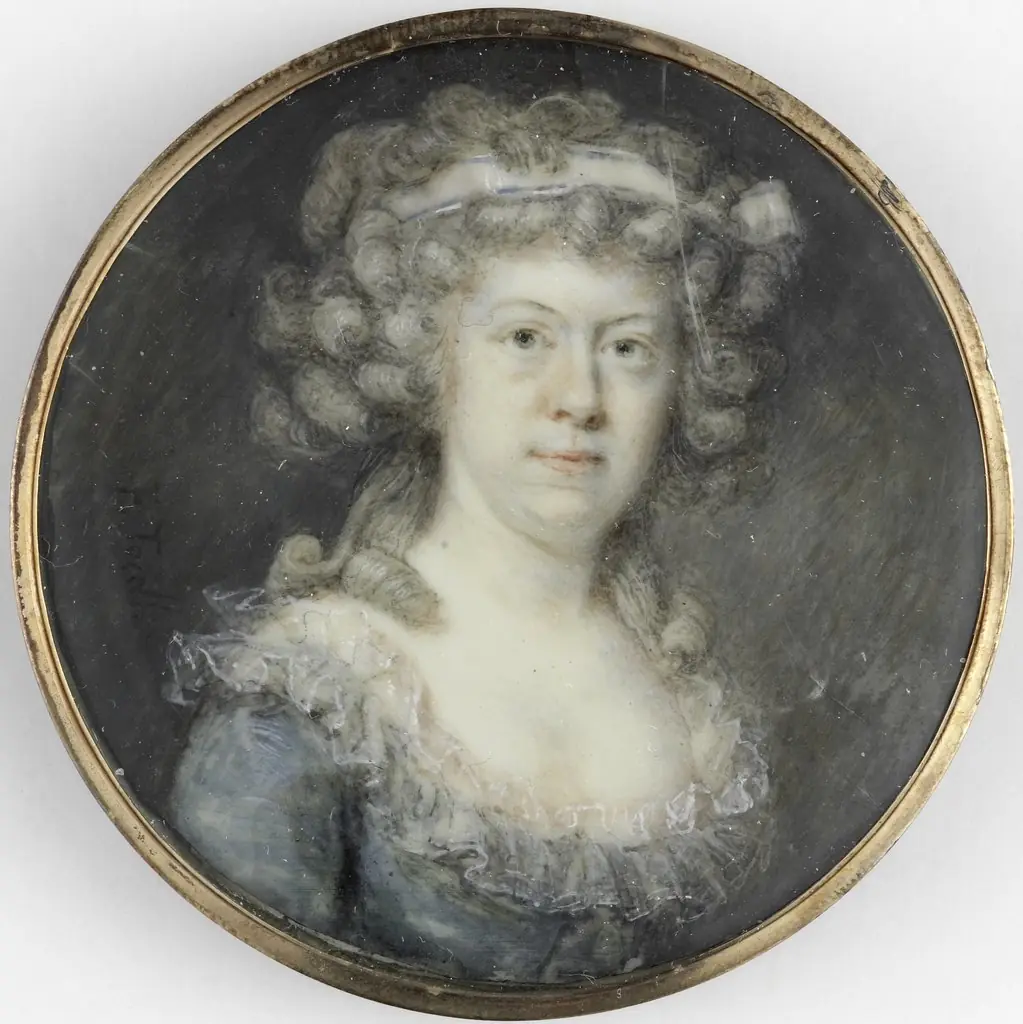
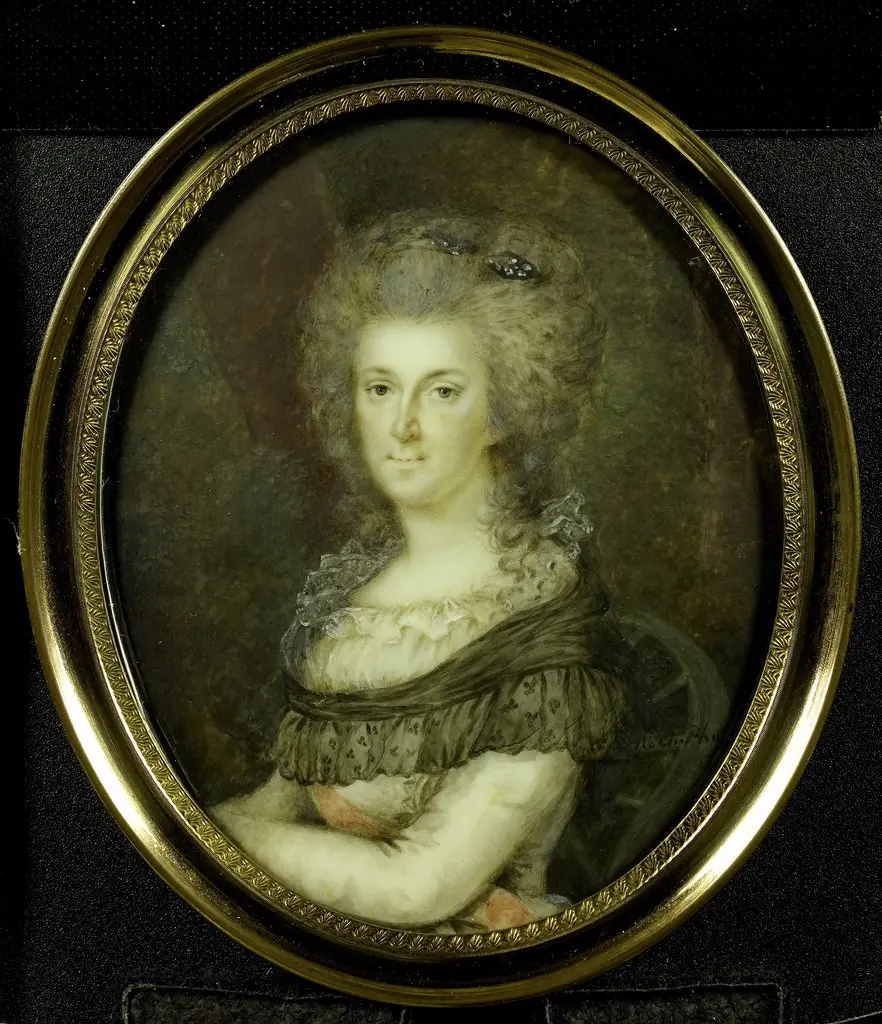
Portrait of a woman is a watercolor painting by the Neoclassicist artist Anthonie Joseph Helant. It dates from 1798 and is held in the collection of the Rijksmuseum.
About this work
Overview
Created in 1798 by Anthonie Joseph Helant, this intimate ivory portrait presents a seated woman rendered in a compact, circular format. The work measures only a few centimeters across, allowing close inspection of the delicate carving. It is part of the Rijksmuseum’s collection, where it is displayed among other examples of miniature portraiture from the late eighteenth century.
Subject & Meaning
The figure is a young woman with softly curled hair and a modest smile, dressed in a light‑toned gown accented by a dark ribbon at the neckline. Her gaze meets the viewer directly, suggesting a personal or commemorative intent, common in private portrait miniatures that served as keepsakes or tokens of affection.
Technique & Style
Helant employed meticulous ivory carving, exploiting the material’s translucency to model light on the skin and fabric. Fine incisions delineate each curl and the texture of the dress, while subtle gradations of depth create a gentle chiaroscuro effect against the stark black background. A faint gold and dark border frames the composition, enhancing its ornamental quality.
History & Provenance
Since its completion, the miniature has remained in Dutch hands, eventually entering the Rijksmuseum’s holdings. Documentation traces its acquisition to the museum’s early twentieth‑century purchases of small-scale portraiture, reflecting a broader institutional interest in preserving examples of personal art objects from the period.
Artist & collection