Artwork
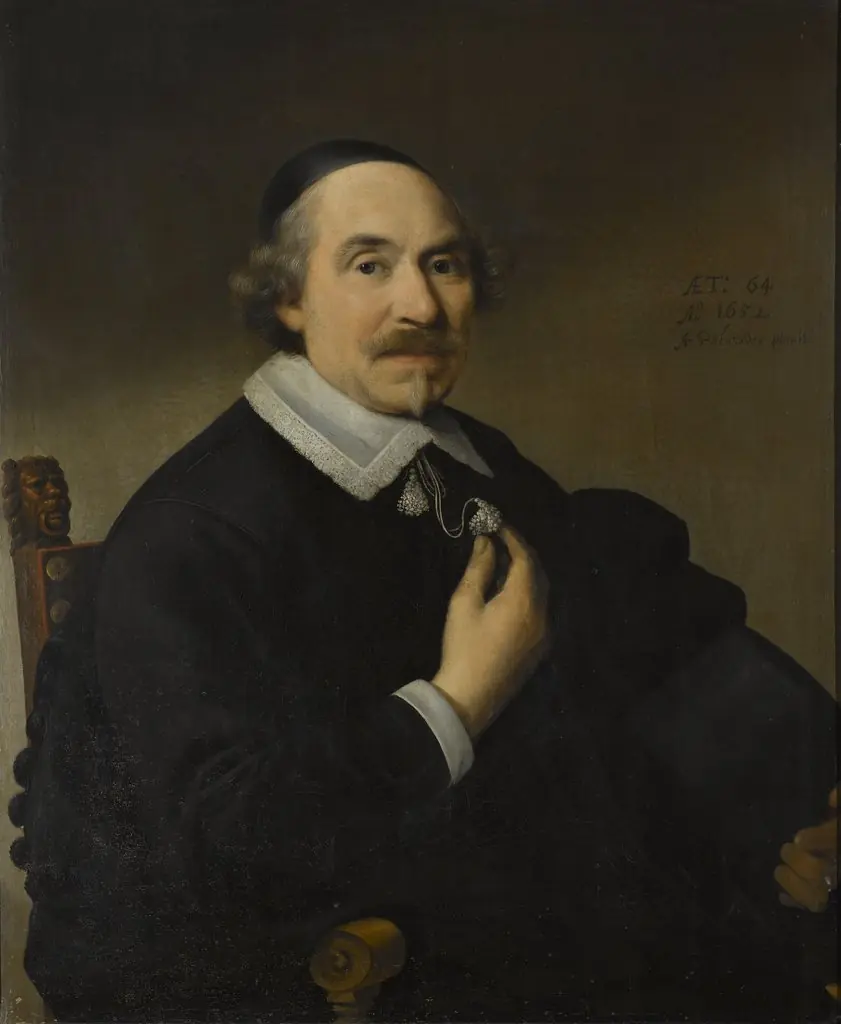
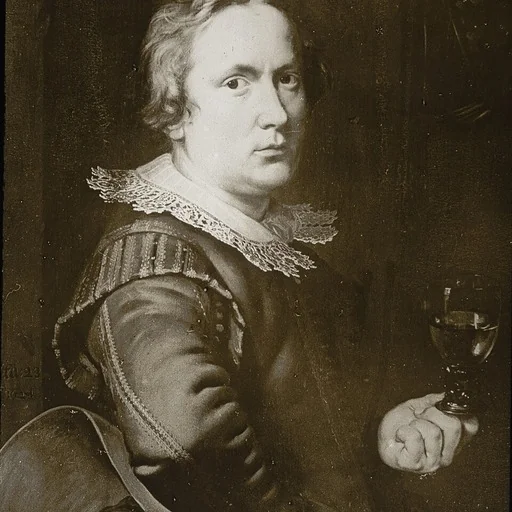
Portrait of a man, probably a clergyman
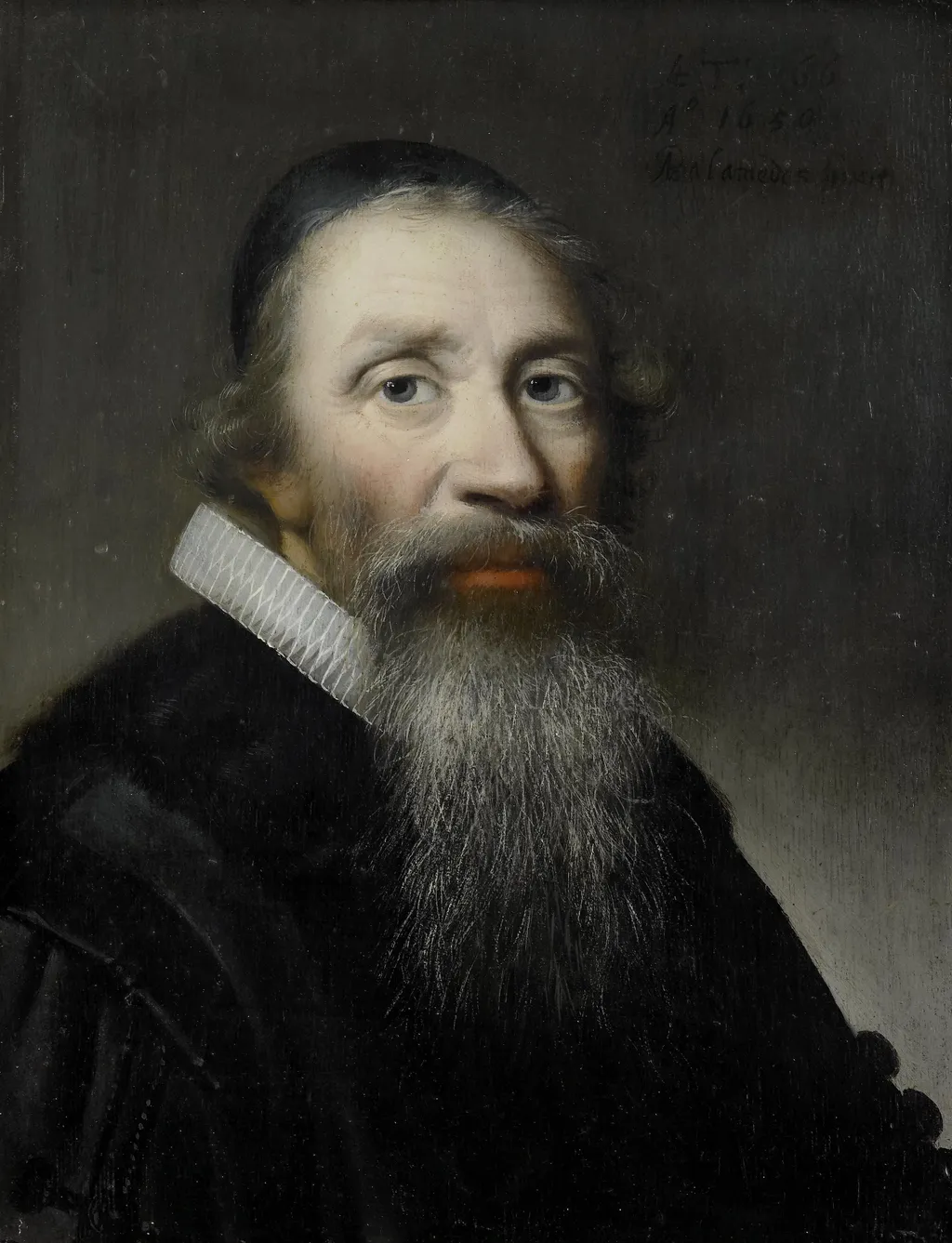
Portrait of a man, probably a clergyman is an oil painting by the Dutch Golden Age artist Anthonie Palamedesz. It dates from 1650 and is held in the collection of the Rijksmuseum.
About this work
Overview
An oil portrait executed around 1650 by the Dutch painter Anthonie Palamedesz presents a solitary male figure. The work is part of the Rijksmuseum’s collection and exemplifies mid‑seventeenth‑century portraiture in the Netherlands. Its modest dimensions and restrained composition focus attention on the sitter’s visage and attire, offering a quiet study of personal presence.
Subject & Meaning
The sitter is a mature man with a long, greying beard and hair, dressed in a dark coat trimmed with a white, ruffled collar. His direct gaze and solemn expression suggest a contemplative character, and the clothing style aligns with clerical dress of the period, leading scholars to identify him as a probable clergyman.
Technique & Style
Palamedesz employs chiaroscuro to model the figure, allowing light to illuminate the face and hands while the surrounding background recedes into shadow. This contrast creates a three‑dimensional effect and emphasizes the texture of the fabric and the fine details of the beard. The muted palette and restrained brushwork reinforce the portrait’s dignified tone.
History & Provenance
Created circa 1650, the painting entered the Rijksmuseum’s holdings as part of its Dutch Golden Age collection. Documentation traces its acquisition to the museum’s early 20th‑century purchases, though earlier ownership records remain scarce. Its presence in the national collection underscores its relevance to Dutch portraiture of the era.
Own this work as a print
Artist & collection
Artist
Anthonie Palamedesz., also Antonie Palamedesz, birth name Antonius Stevens, was a Dutch portrait and genre painter.