Artwork
Anthonis Mor van Dashorst. The canons of Utrecht Cornelis van Hoorn and Antoon Taets van Ameronghen
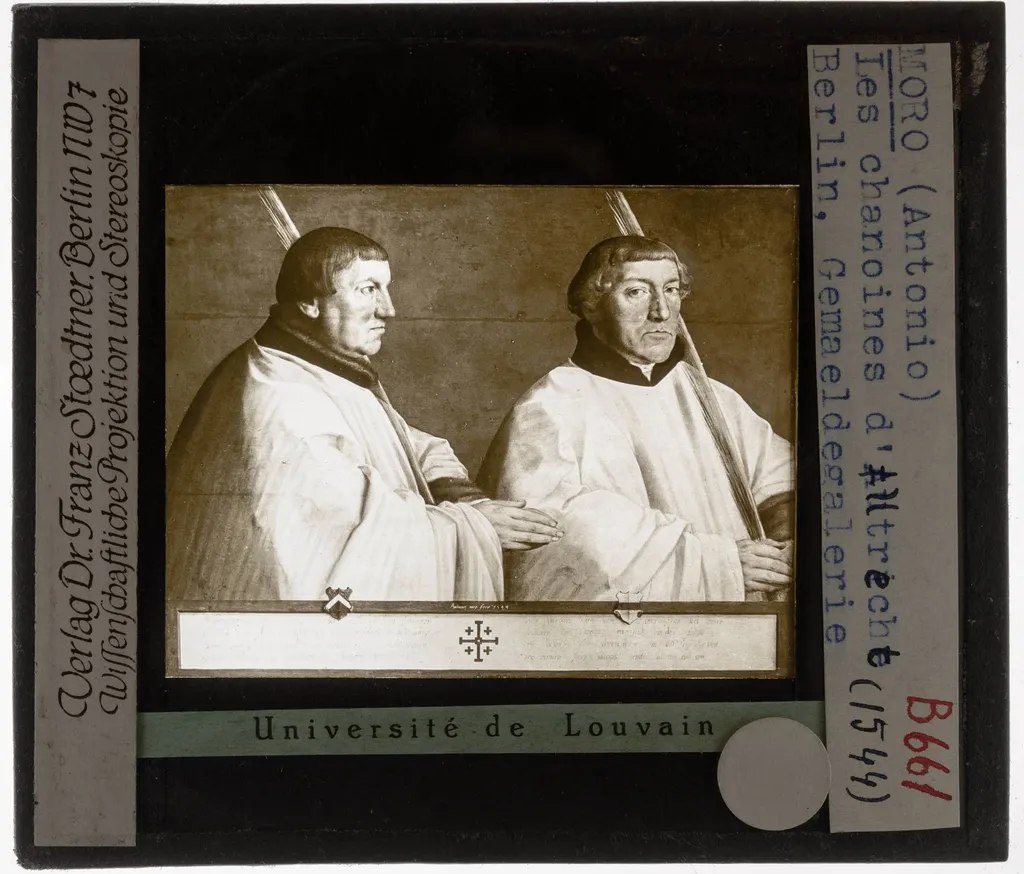
Anthonis Mor van Dashorst. The canons of Utrecht Cornelis van Hoorn and Antoon Taets van Ameronghen is an unspecified painting by the Northern Renaissance artist Antonis Mor. It dates from 1544 and is held in the collection of the Catholic University of Leuven.
About this work
Overview
Painted in 1544 by Anthonis Mor van Dashorst, this double portrait depicts two canons of Utrecht: Cornelis van Hoorn and Antoon Taets van Ameronghen.
Painted in 1544 by Anthonis Mor van Dashorst, this double portrait depicts two canons of Utrecht: Cornelis van Hoorn and Antoon Taets van Ameronghen. Executed in oil on wood panel, the work reflects the Northern Renaissance tradition of precise, restrained portraiture. It was likely commissioned to affirm the subjects’ ecclesiastical authority and social standing. The painting is now held in the collection of the Staatliche Museen zu Berlin.
Subject & Meaning
The two figures, both canons of the Utrecht chapter, are portrayed with solemn dignity, their formal attire signaling their high rank within the Church. Their direct gaze and composed posture convey authority and introspection, typical of clerical portraiture in mid-16th-century Europe. The absence of overt religious symbols shifts focus to their personal presence, emphasizing status through demeanor rather than iconography.
Technique & Style
Mor employed oil on panel with meticulous brushwork, capturing the texture of fabrics, the sheen of silk, and the subtlety of facial features. His approach is characterized by cool tonality and fine detail, aligning with the Netherlandish tradition of psychological realism. While not overtly dramatic, the lighting enhances volume and depth, reflecting a controlled use of chiaroscuro to model form without theatricality.
History & Provenance
The painting was likely created in the Netherlands during Mor’s active period as a court portraitist. It entered the Berlin collection through documented acquisitions in the 19th or early 20th century, possibly from a private Dutch or German collection. Earlier provenance is unclear, but its survival through centuries suggests it remained in ecclesiastical or aristocratic hands after its commission.
Context
In the 1540s, the Low Countries were a hub of artistic production under Habsburg rule, with portraiture serving as a tool for asserting identity in both secular and religious spheres. Canons like van Hoorn and Taets held significant influence, and their likenesses were preserved to reinforce institutional continuity. Mor’s work reflects this cultural moment, where individual dignity and institutional power were visually intertwined.
Legacy
This portrait exemplifies Anthonis Mor’s role in shaping Northern European portraiture, influencing later artists through his restrained elegance and psychological depth. Though less celebrated than his royal commissions, works like this underscore the importance of clerical portraiture in Renaissance visual culture. Its preservation in Berlin ensures continued study of how ecclesiastical authority was visually constructed in the 16th century.
Artist & collection
Artist
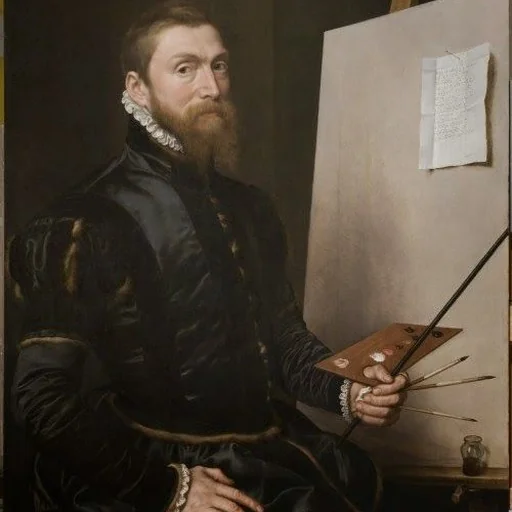
Anthonis Mor, also known as Anthonis Mor van Dashorst and Antonio Moro (c. 1517 – 1577), was a Netherlandish portrait painter, much in demand by the courts of Europe. He has also been referred to as Antoon, Anthonius,…
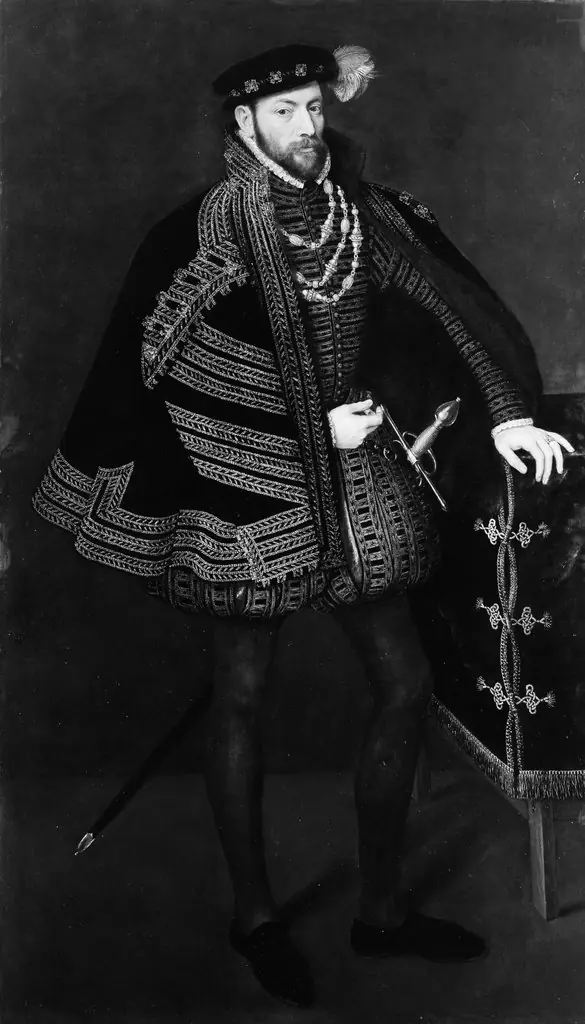 Portrait of a Man, Possibly Ottavio Farnese (1524–1586), Duke of Parma and Piacenza
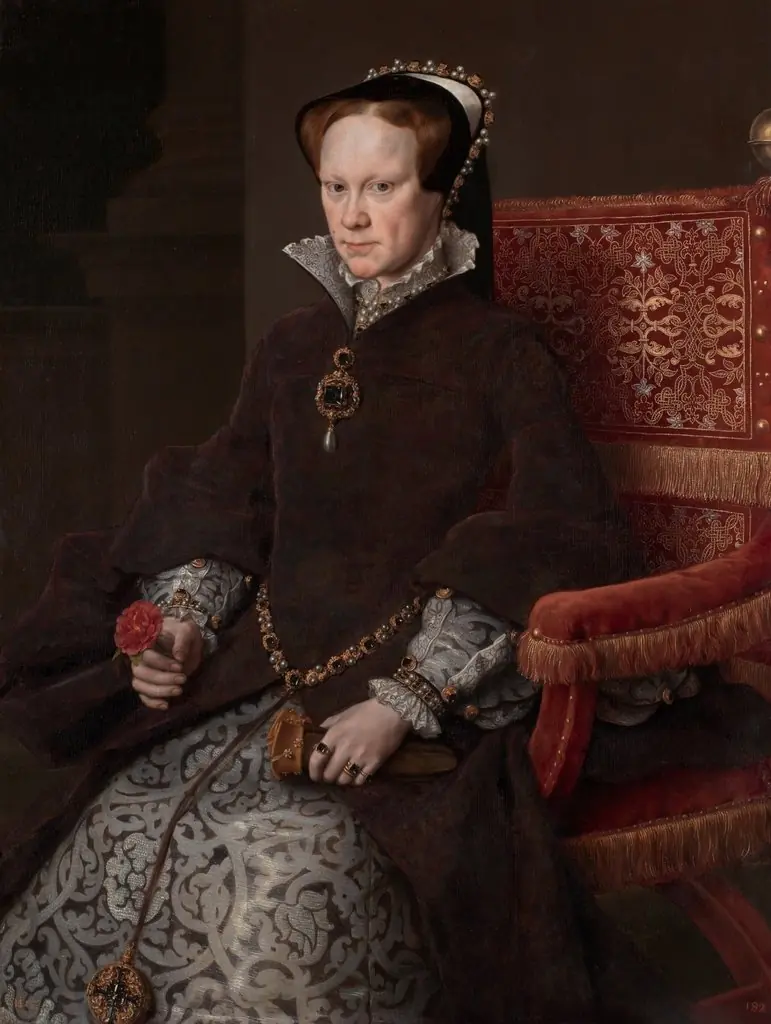 Portrait of Mary Tudor
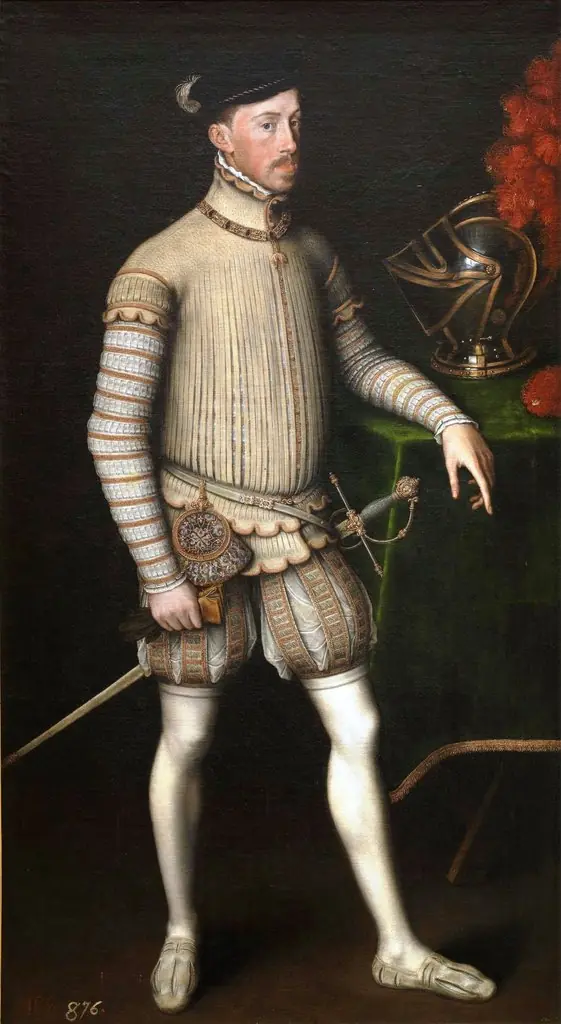 Emperor Maximilian II
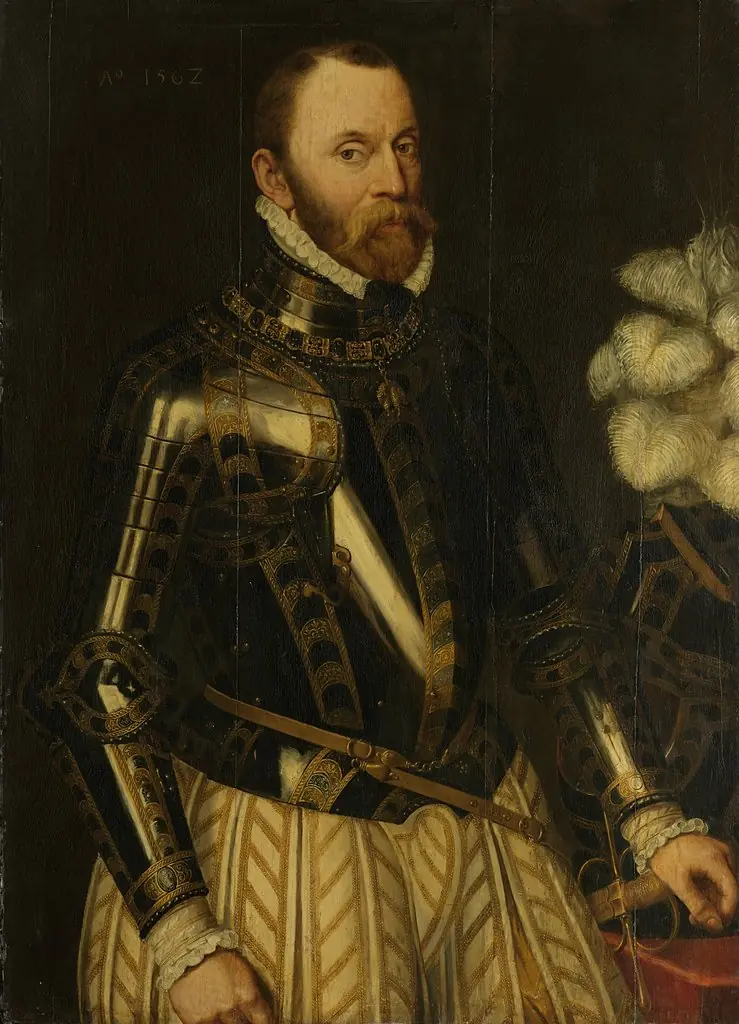 Philippe de Montmorency
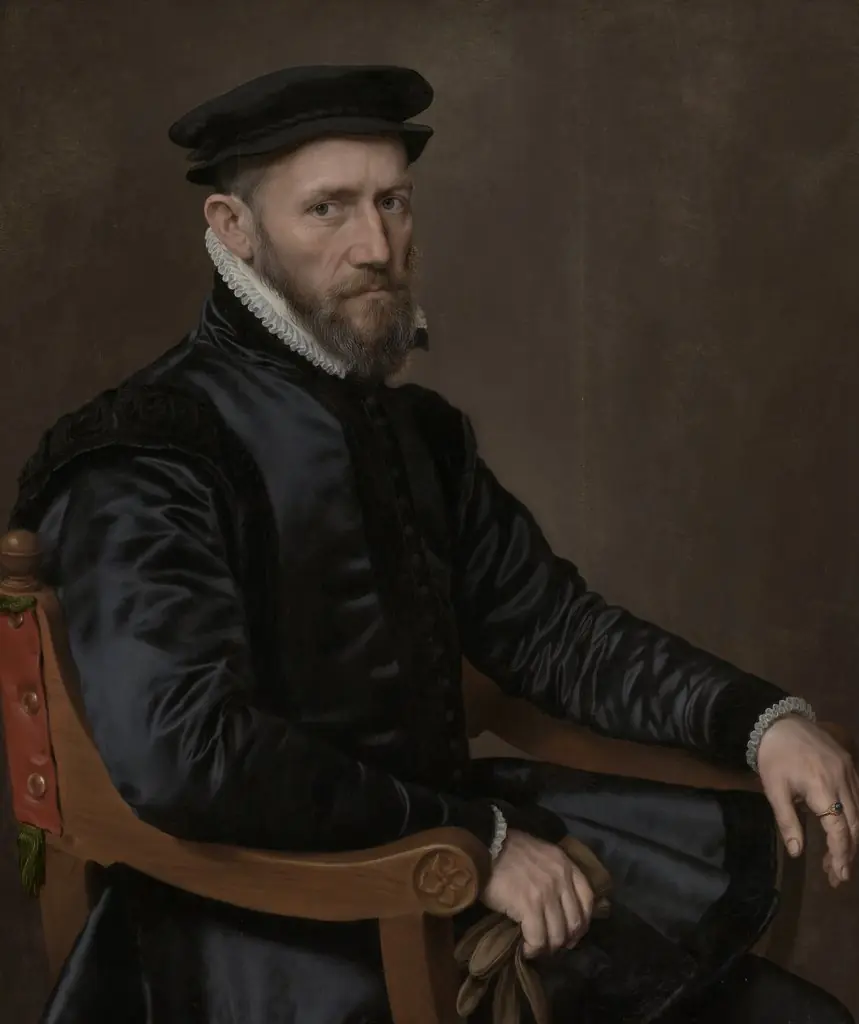 Portrait of Sir Thomas Gresham, pendant to portrait of Anne Fernely
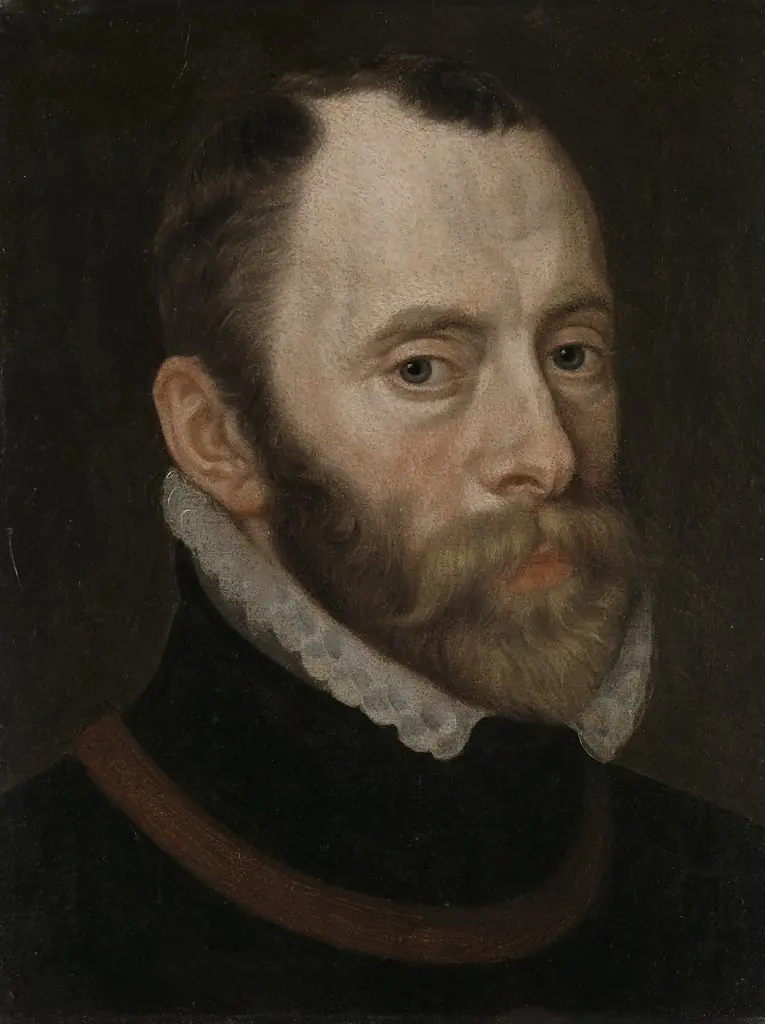 Portrait of Philippe de Montmorency, Count of Hoorne, Admiral of the Netherlands, Member of the Council of State
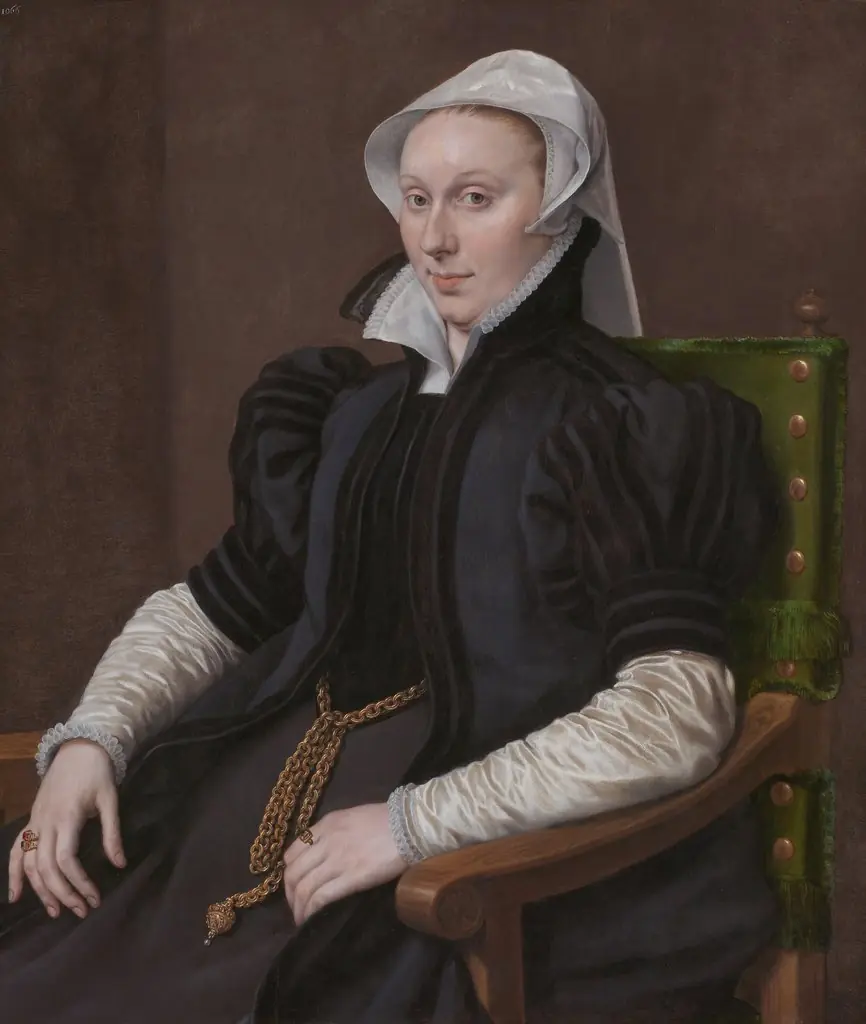 Portrait of Anne Fernely, pendant to Sir Thomas Gresham
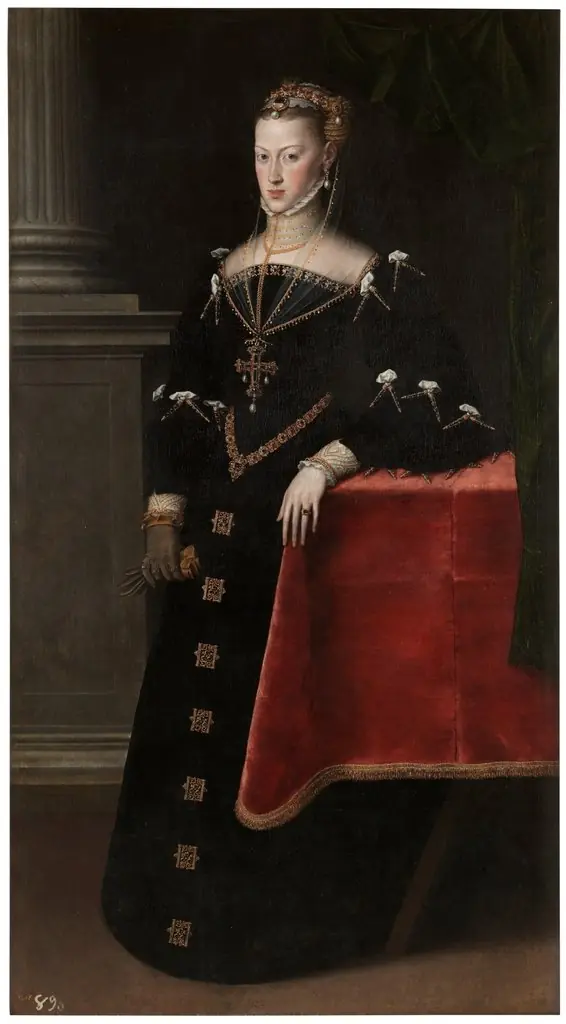 Empress Maria of Austria, Wife of Maximilian II
 Maarten de Vos. Altaarstuk van de gilde van de oude voetboog
 Hugo van der Goes. Kerstverhaal. Aanbidding der Herders Detail, centraal
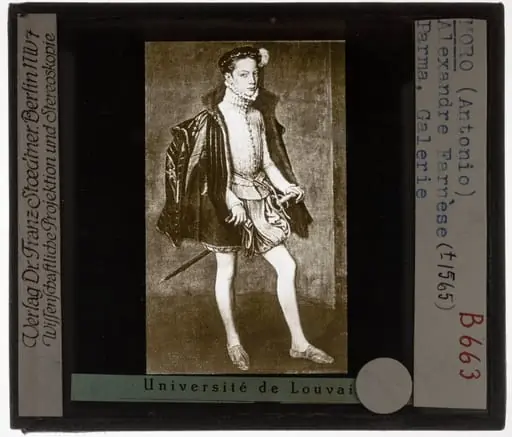 Anthonis Mor van Dashorst. Alessandro Farnese
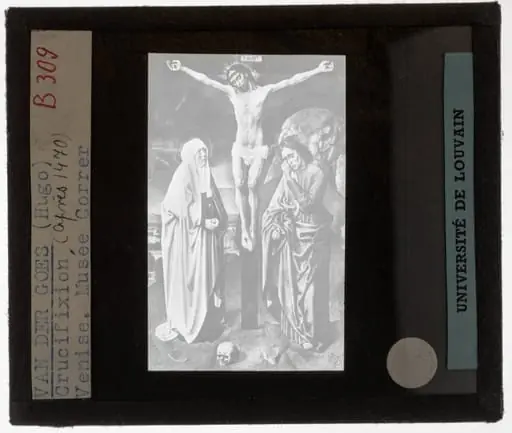 Hugo van der Goes. Kruisiging
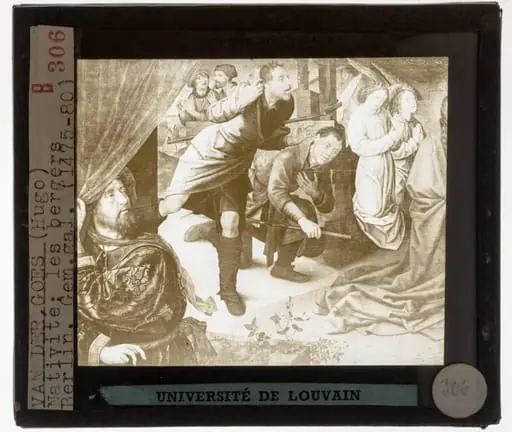 Hugo van der Goes. Kerstverhaal. Aanbidding der Herders Detail: Herders
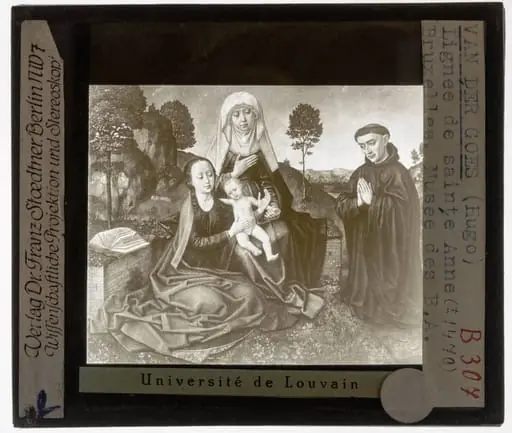 Hugo van der Goes. St Anne's with a Franciscan donor
 Pieter Aertsen. Boerengezelschap bij de haard