Artwork
King Charles I of England (1600-1649), three-quarter portrait
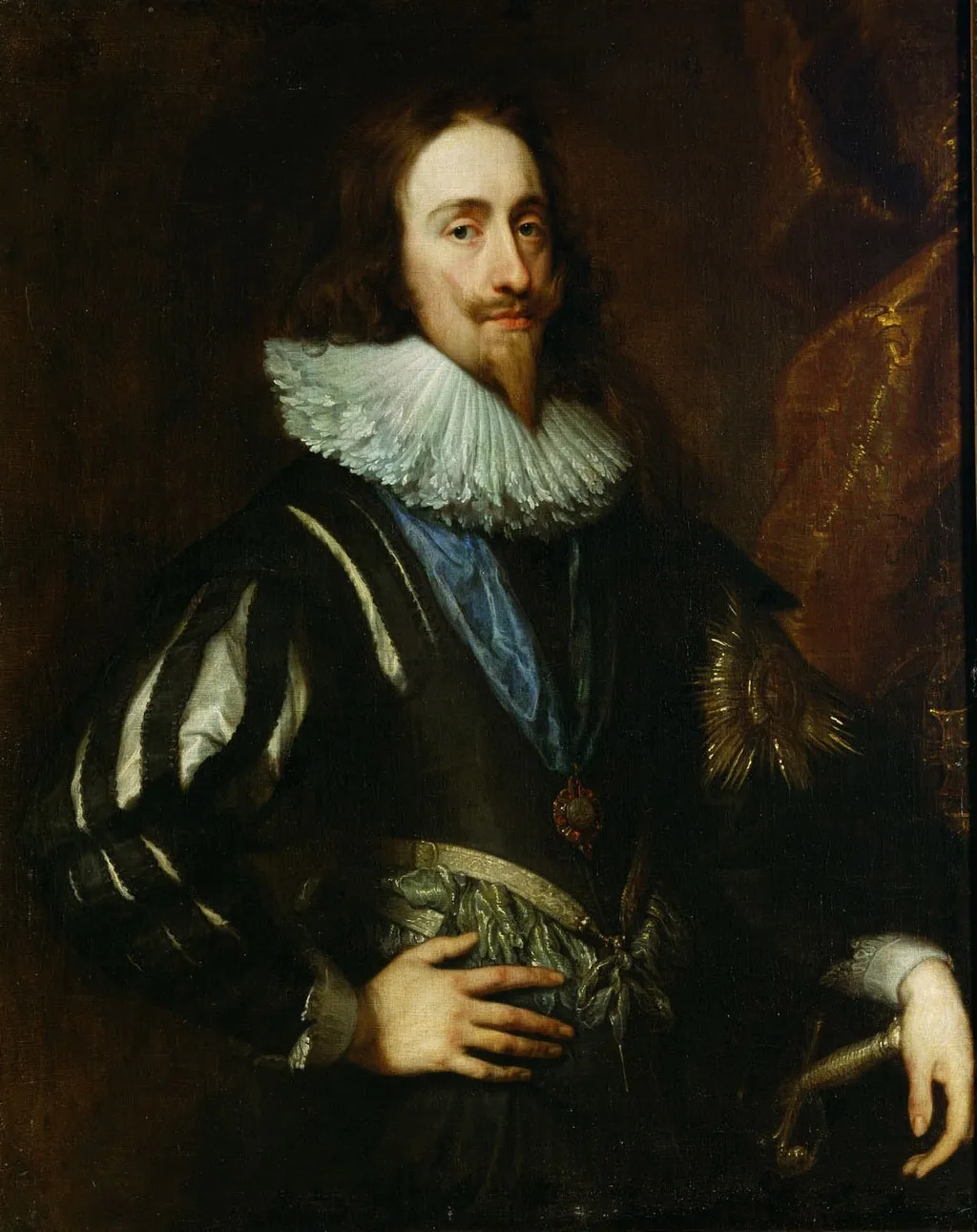
King Charles I of England (1600-1649), three-quarter portrait is an oil painting by the Baroque artist Anthony van Dyck. It dates from 1632 and is held in the collection of the Kunsthistorisches Museum.
About this work
Overview
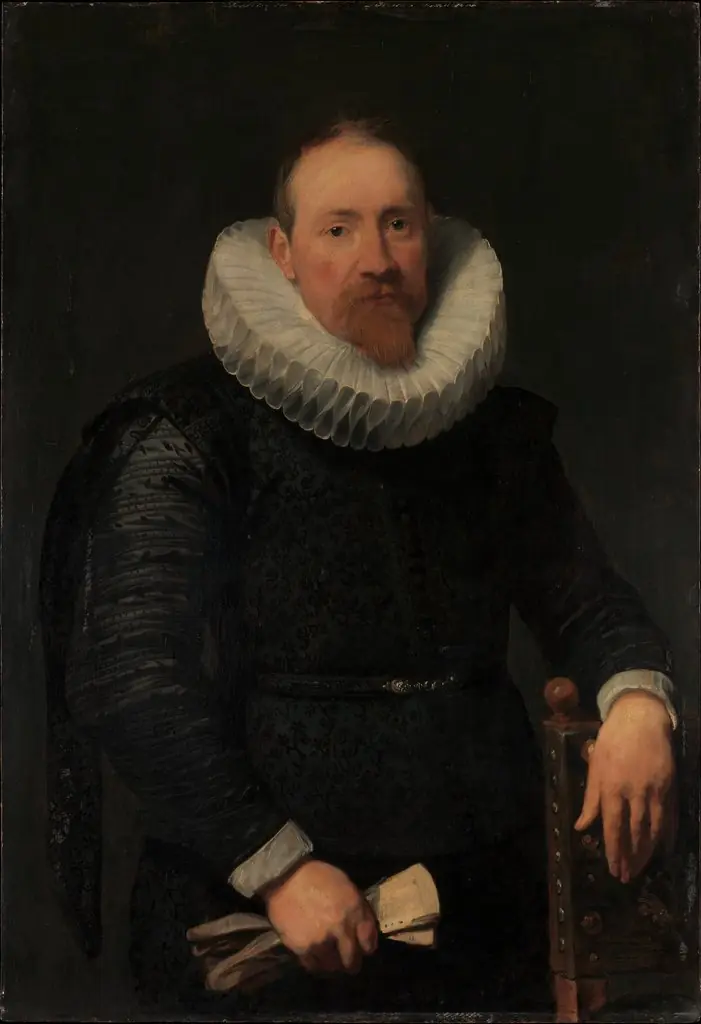
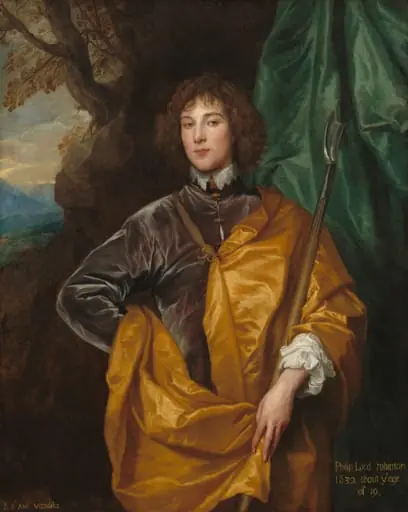
Anthony van Dyck’s oil portrait of Charles I, executed in 1632, presents the monarch in a three‑quarter view. The king is dressed in a dark coat with a white ruffled collar, his left hand grasping a folded drapery and his right hand resting on a small, gold‑trimmed hat. An insignia of the Order of the Garter adorns his chest, while a faint white glove appears at the lower right.
Subject & Meaning
The painting emphasizes Charles I’s royal authority and chivalric status through the visible Garter star and the regal attire. The inclusion of the curtain and sword, traditional symbols of power, reinforces his role as sovereign and military leader, while the subdued background directs focus to his dignified expression and the ceremonial regalia.
Technique & Style
Van Dyck employs a chiaroscuro effect, using soft, directional lighting to isolate the king’s face against a deep, almost black backdrop. The delicate rendering of the white collar and the subtle sheen of the gold‑trimmed hat demonstrate the painter’s mastery of texture, while the restrained palette reflects the Baroque sensibility of drama through contrast rather than colour.
History & Provenance
Created shortly after van Dyck’s appointment as principal court painter in England, the portrait entered the collection of the Kunsthistorisches Museum in Vienna, where it remains on display. Its provenance traces a path from the English royal collection to the Habsburg holdings, reflecting the artwork’s high regard among European aristocratic patrons.
Context
The portrait belongs to a series of royal images van Dyck produced for Charles I, intended to project a cultivated, dignified image of the monarchy during a period of political tension. Influenced by his apprenticeship with Peter Paul Rubens, van Dyck adapts Flemish Baroque conventions to English court portraiture, merging grandeur with a restrained, intimate presentation.
Artist & collection
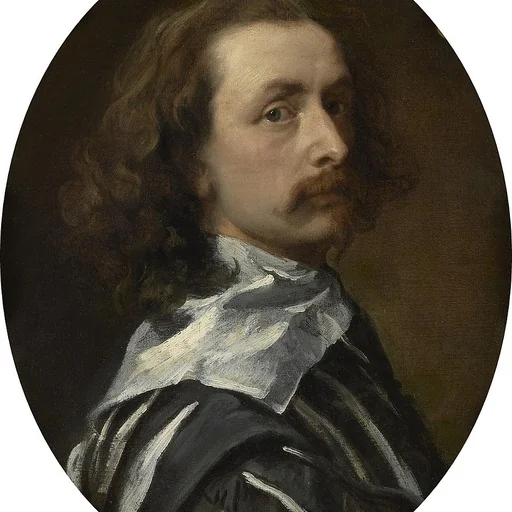
Artist
Sir Anthony van Dyck (; Dutch: Antoon van Dijck ; 22 March 1599 – 9 December 1641) was a Flemish Baroque artist, who became the leading court painter in England after success in the Spanish Netherlands and Italy.