Artwork
Portrait of Wolfgang Wilhelm van Wittelsbach
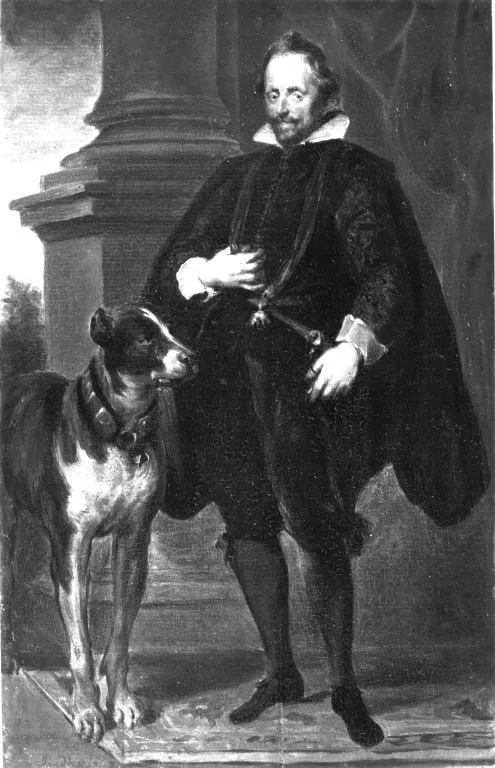
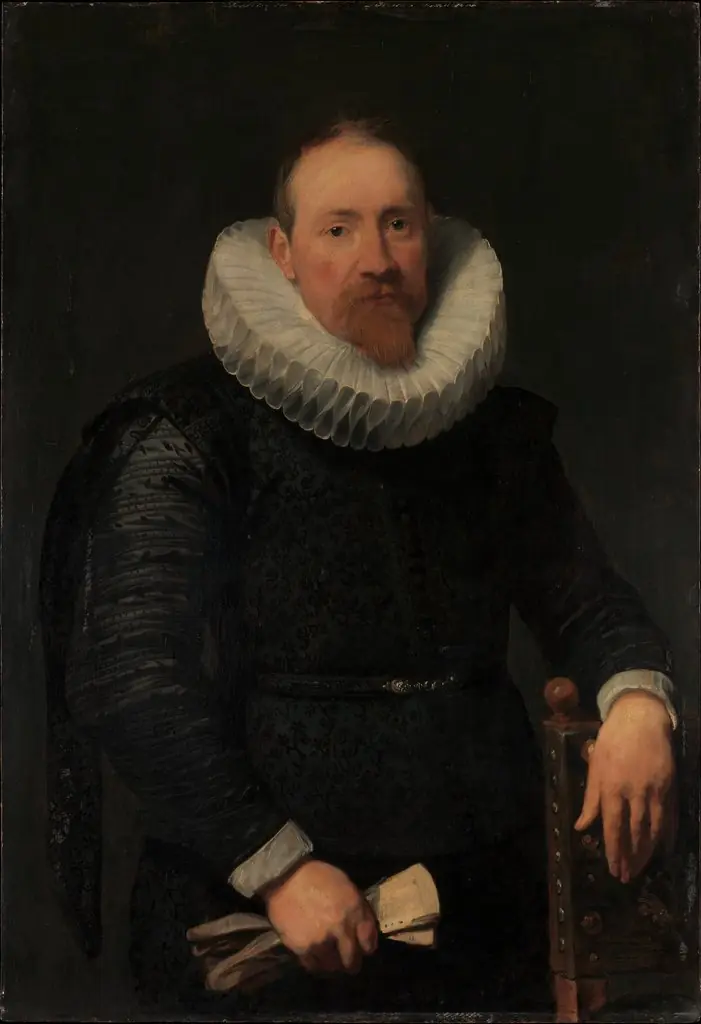
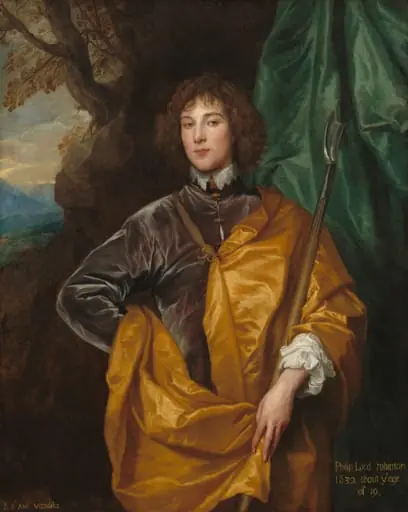
Portrait of Wolfgang Wilhelm van Wittelsbach is an unspecified painting by the Flemish Baroque painting artist Anthony van Dyck. It dates from 1630 and is held in the collection of the Bavarian State Painting Collections.
About this work
Overview
Anthony van Dyck’s 1630 oil portrait presents Wolfgang Wilhelm, Count Palatine of Neuburg, in formal attire accompanied by a slender hound. Executed during the artist’s early years as a court painter, the work exemplifies the Baroque focus on individual status and refined representation. The painting is part of the collection of the Alte Pinakothek in Munich.
Subject & Meaning
The sitter, Wolfgang Wilhelm, was a German prince who ruled the Palatinate of Neuburg. His inclusion of a dog, a common symbol of loyalty and noble leisure, reinforces his aristocratic identity. The composed, serious expression and the poised stance convey authority while the attentive animal adds a personal, domestic dimension to the portrait.
Technique & Style
Van Dyck employs a restrained palette of deep shadows against a luminous flesh tone, creating a chiaroscuro effect that isolates the figure from the dark background. The crisp rendering of the silk collar, ruffled cuffs, and the dog’s fur demonstrates his mastery of texture, while the subtle modeling of the face reflects the influence of Rubens blended with van Dyck’s emerging personal style.
History & Provenance
Completed in 1630, the portrait entered the Bavarian royal collection in the 18th century and has remained in the Alte Pinakothek since the museum’s foundation. Documentation traces its ownership through the Wittelsbach family, confirming its continuous association with the lineage it depicts.
Artist & collection
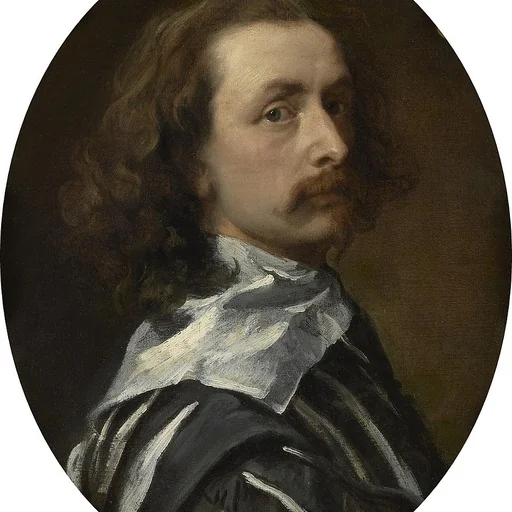
Artist
Sir Anthony van Dyck (; Dutch: Antoon van Dijck ; 22 March 1599 – 9 December 1641) was a Flemish Baroque artist, who became the leading court painter in England after success in the Spanish Netherlands and Italy.