Artwork
The Holy Family, 'Trinitas terrestris'
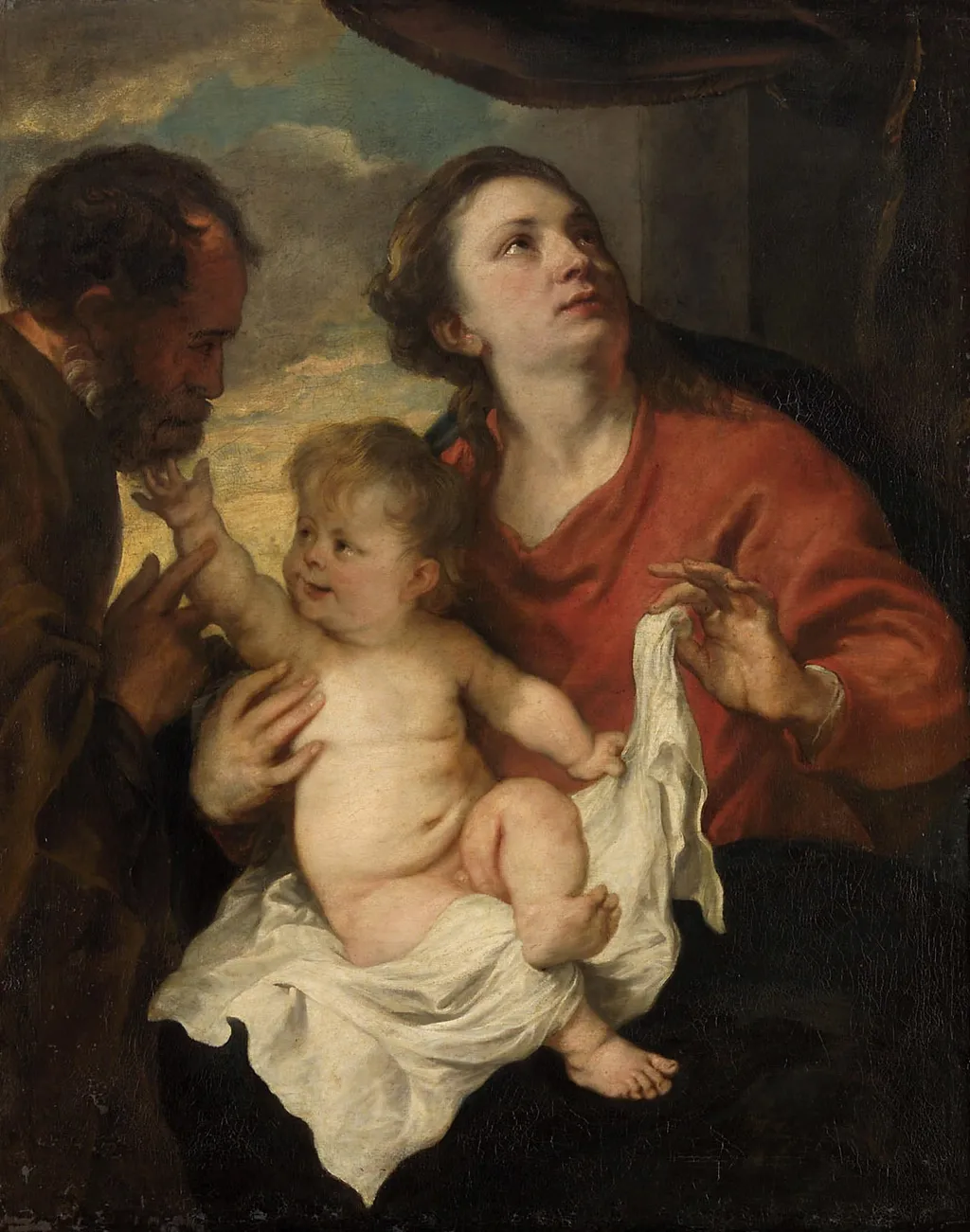
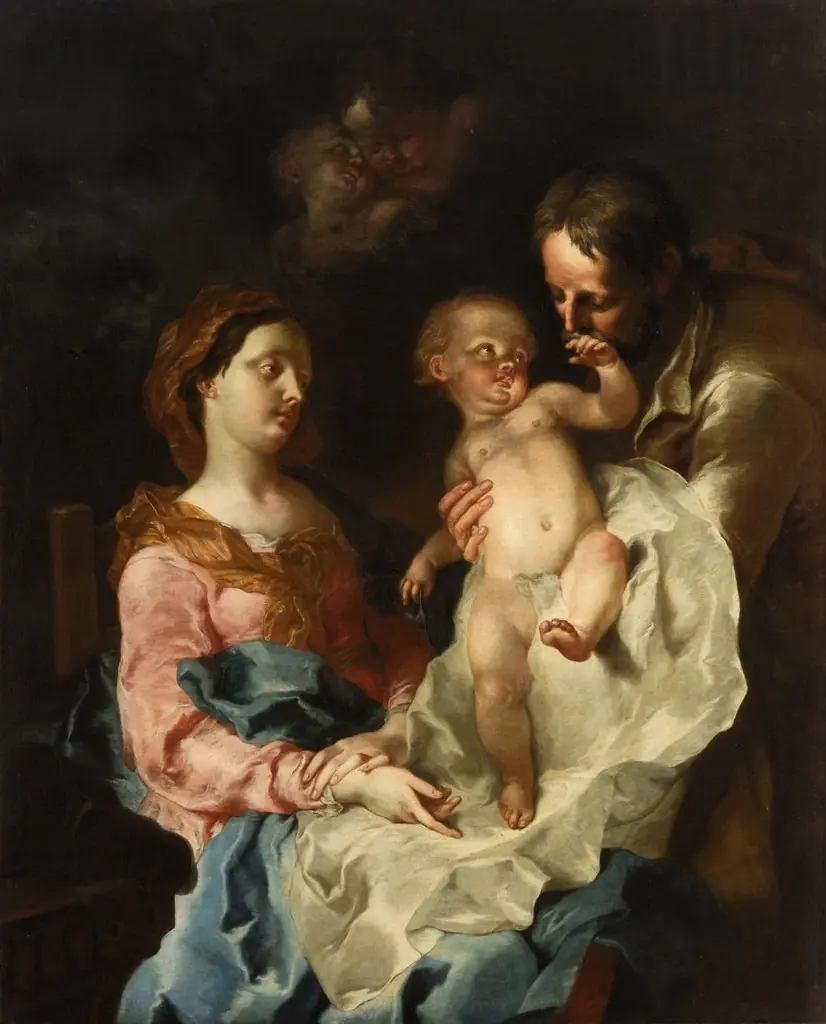
The Holy Family, 'Trinitas terrestris' is a color painting by the Flemish Baroque painting artist Anthony van Dyck. It dates from 1626 and is held in the collection of the Kunsthistorisches Museum.
About this work
Overview
Anthony van Dyck painted *The Holy Family, ‘Trinitas terrestris’* in 1626. Executed in colour, the work belongs to the Flemish Baroque tradition and is part of the Kunsthistorisches Museum’s collection in Vienna. It presents a domestic portrayal of the Virgin Mary, Saint Joseph and the infant Jesus.
Subject & Meaning
The composition centers on the newborn Christ, swaddled in a white cloth, while Mary and Joseph look on with gentle affection. The intimate interaction emphasizes the humanity of the Holy Family, a theme frequently explored in 17th‑century devotional art to invite personal contemplation.
Technique & Style
Van Dyck employs chiaroscuro, using strong contrasts of light and shadow to model the figures and give them a three‑dimensional presence. The luminous skin of the child and the rich red of Mary’s robe are set against a darker background, creating depth and focusing attention on the central trio.
History & Provenance
Born in Antwerp in 1599, van Dyck trained under Peter Paul Rubens before establishing his own reputation. *Trinitas terrestris* was completed early in his independent career, shortly after he achieved master status. The painting entered the Kunsthistorisches Museum’s holdings in the 19th century, where it remains on display.
Context
Religious genre scenes were a staple of Flemish Baroque painting, reflecting Counter‑Reformation demands for emotionally resonant imagery. Van Dyck’s treatment aligns with this agenda, yet his delicate handling of colour and light hints at the emerging classicism that would later characterize his portraiture.
Artist & collection
Artist
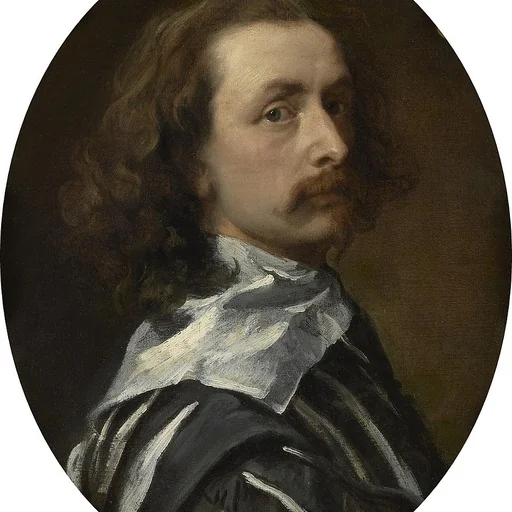
Sir Anthony van Dyck (; Dutch: Antoon van Dijck ; 22 March 1599 – 9 December 1641) was a Flemish Baroque artist, who became the leading court painter in England after success in the Spanish Netherlands and Italy.