Artwork
The painter Jan de Wael and his wife Gertrud de Jode
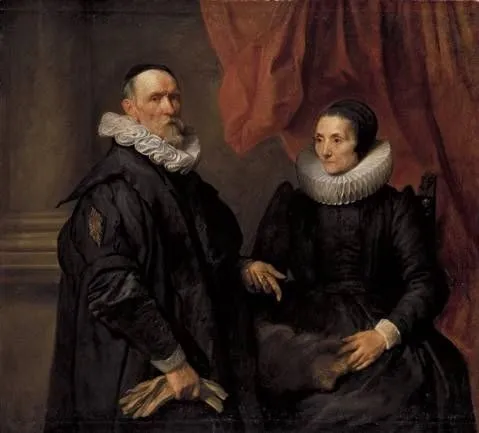
The painter Jan de Wael and his wife Gertrud de Jode is an oil painting by the Flemish Baroque painting artist Anthony van Dyck. It dates from 1629 and is held in the collection of the Bavarian State Painting Collections.
About this work
Overview
The painter Jan de Wael and his wife Gertrud de Jode is an oil-on-canvas portrait created by Anthony van Dyck in 1629. The work captures the likenesses of the married couple, Jan de Wael I and Gertrud de Jode, in a characteristic Flemish Baroque style.
Subject & Meaning
The portrait depicts Jan de Wael I, a painter, and his wife Gertrud de Jode, standing closely together. Jan holds a folded paper, possibly indicating his profession, while Gertrud's hand rests on her chest. A subtle emblem on Jan's sleeve may hold personal or symbolic significance.
Technique & Style
Van Dyck employs chiaroscuro, a strong contrast between light and dark, to accentuate the subjects' faces and attire against a dark background. A loosely hanging red curtain behind them adds depth. The artist's use of light creates a sense of volume and draws attention to the sitters.
History & Provenance
Painted in 1629, the portrait is now part of the collection at the Alte Pinakothek. Van Dyck, born in Antwerp in 1599, trained under Peter Paul Rubens before gaining prominence as a leading Flemish Baroque painter.
Context
Created during van Dyck's successful practice, this portrait reflects the Flemish Baroque tradition of capturing the essence of its sitters through meticulous detail and expressive lighting, characteristic of the era's portraiture.
Legacy
As a work by van Dyck, *The painter Jan de Wael and his wife Gertrud de Jode* contributes to the artist's reputation for sensitive and nuanced portraiture, influencing subsequent generations of European portrait painters.
Artist & collection
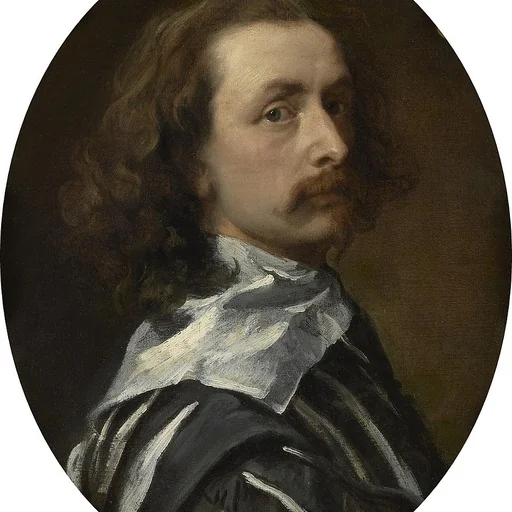
Artist
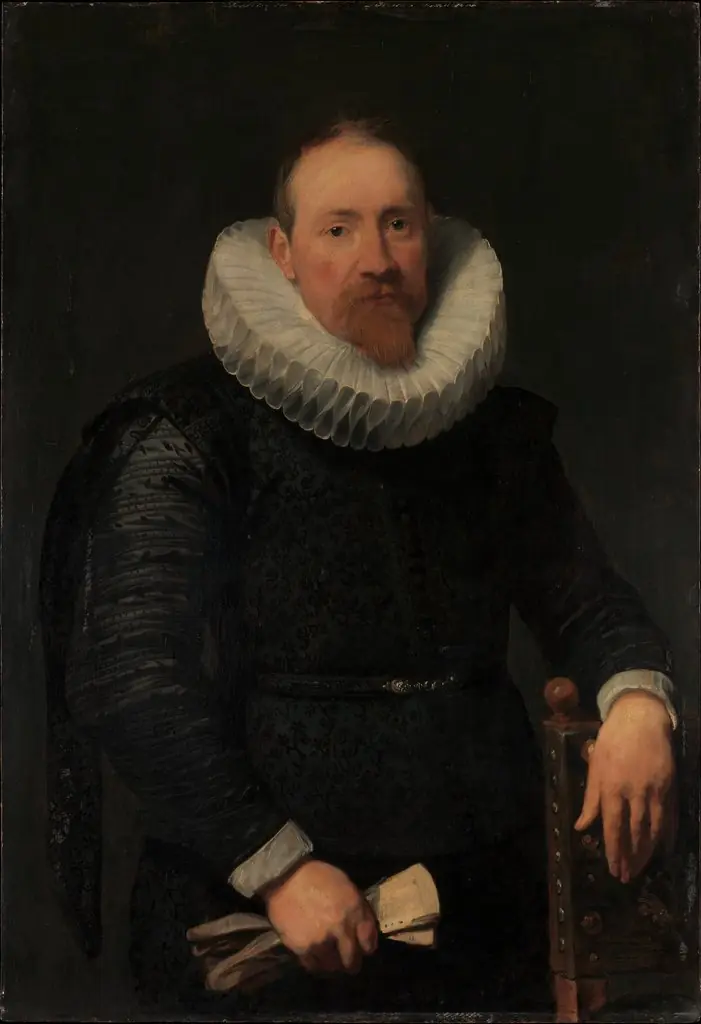
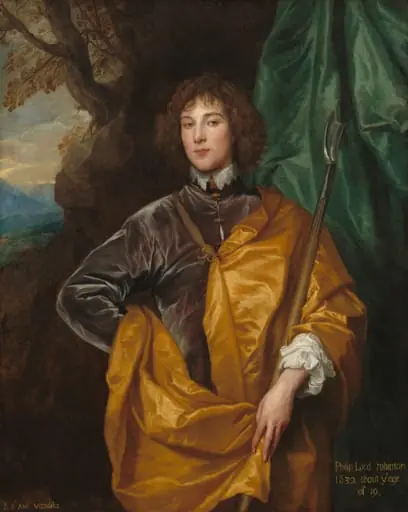
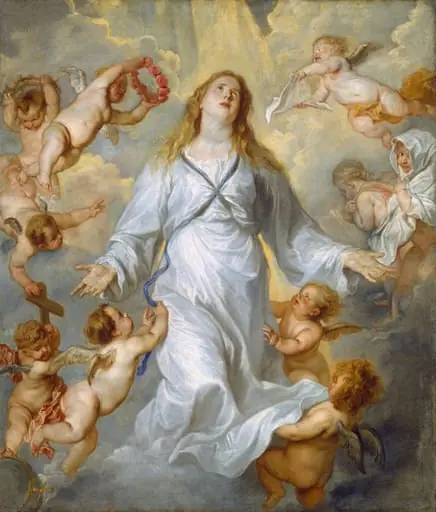
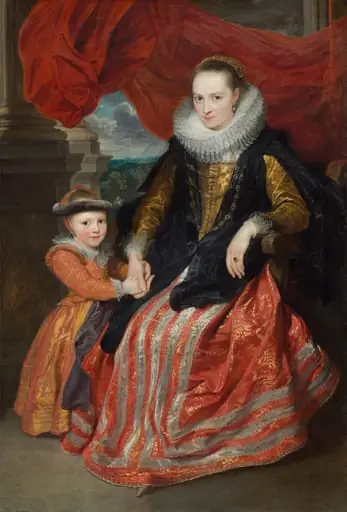
Sir Anthony van Dyck (; Dutch: Antoon van Dijck ; 22 March 1599 – 9 December 1641) was a Flemish Baroque artist, who became the leading court painter in England after success in the Spanish Netherlands and Italy.