Artwork
Portrait of David George van Lennep, Chief Merchant of the Dutch Factory at Smyrna (Izmir) and his Wife and Children
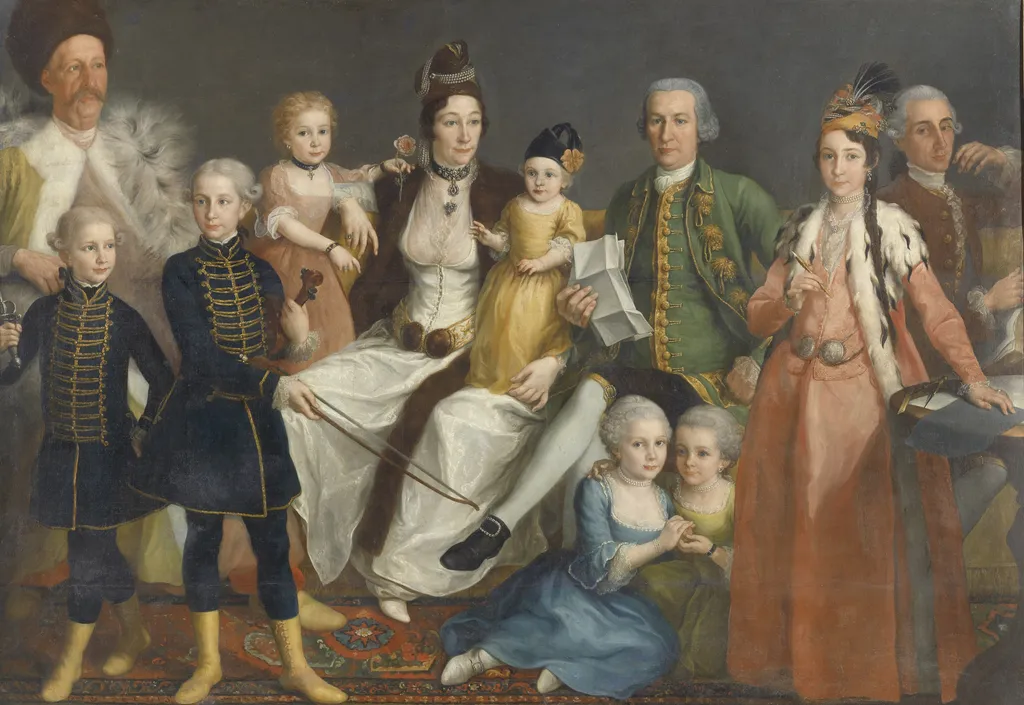
Portrait of David George van Lennep, Chief Merchant of the Dutch Factory at Smyrna (Izmir) and his Wife and Children is an oil painting by the Rococo painting artist Antoine de Favray. It dates from 1770 and is held in the collection of the Rijksmuseum.
About this work
Overview
Antoine de Favray’s 1770 oil on canvas presents David George van Lennep, a Dutch chief merchant of the Smyrna factory, together with his wife and children. Executed in a Rococo idiom, the composition centers the family against a neutral backdrop, emphasizing their attire and status through subtle modelling of light and colour.
Subject & Meaning
The portrait records the domestic sphere of a prominent expatriate merchant family in the Ottoman port of Smyrna (today Izmir). Van Lennep stands centrally in a green coat, holding a document that may allude to his commercial duties, while his wife and offspring are arranged around him, symbolising familial unity and the transmission of wealth across generations.
Technique & Style
Favray employs a delicate chiaroscuro to render the textures of silk, satin and embroidered fabrics, giving the garments a tactile presence. The restrained background isolates the figures, allowing the luminous colours—particularly the blue uniforms with gold trim and the white dress—to dominate the visual field, a hallmark of Rococo portraiture.
History & Provenance
Created during Favray’s period of activity in the Mediterranean, the work entered the Rijksmuseum’s collection in the 20th century, where it remains part of the Dutch holdings. The painting reflects Favray’s broader practice of documenting individuals linked to Mediterranean trade and diplomatic networks.
Context
The portrait situates a Dutch mercantile household within the cosmopolitan environment of an Ottoman port city, illustrating the cross‑cultural interactions that characterised 18th‑century Mediterranean commerce. It also exemplifies the demand among expatriate elites for European portraiture that affirmed their social standing abroad.
Own this work as a print
Artist & collection
Artist
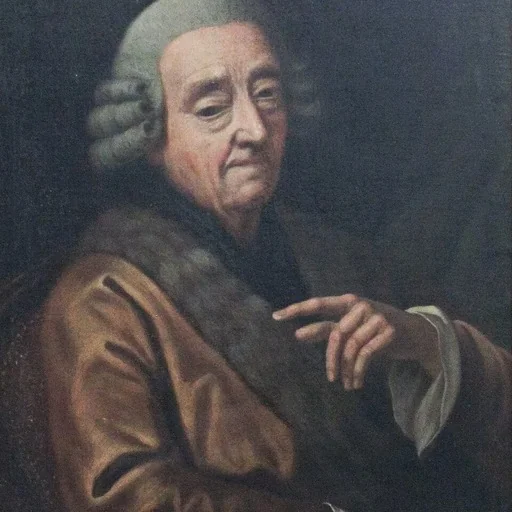
Chevalier Antoine de Favray (French pronunciation: ; 8 September 1706, Bagnolet – 9 February 1798, Malta) was a French painter noted for his portraits of personalities of the Ottoman Empire, as well as paintings of…
