Artwork
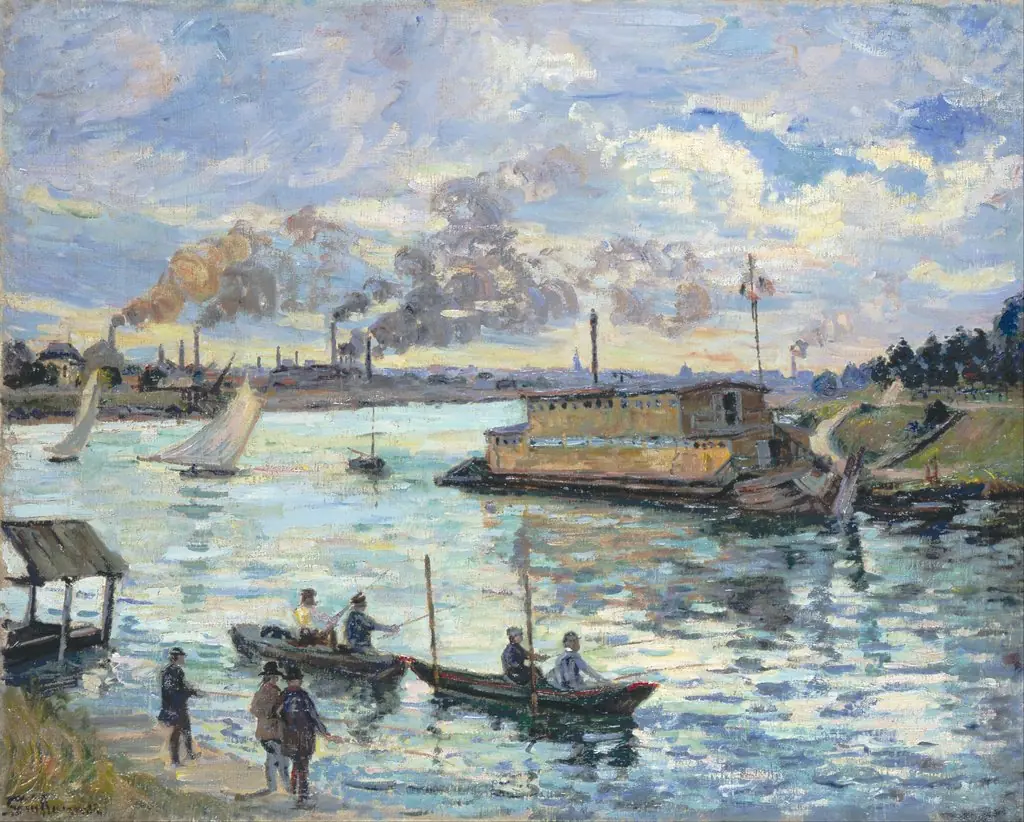
The Seine at Charenton
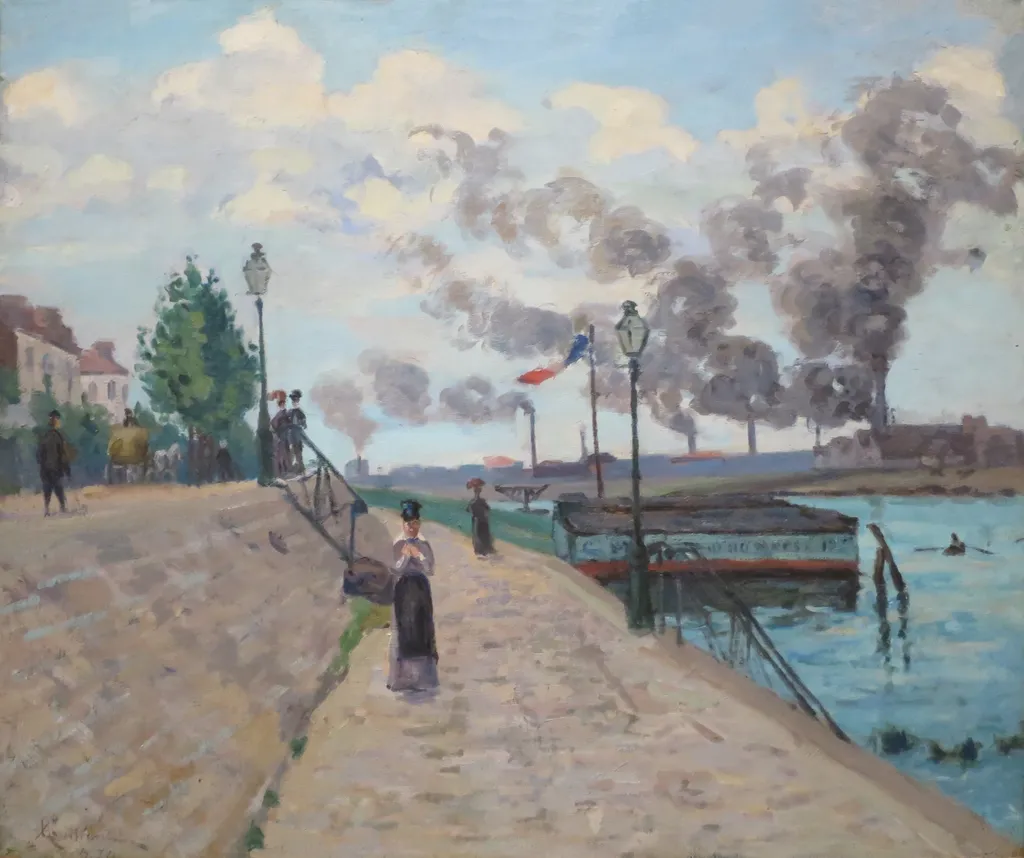
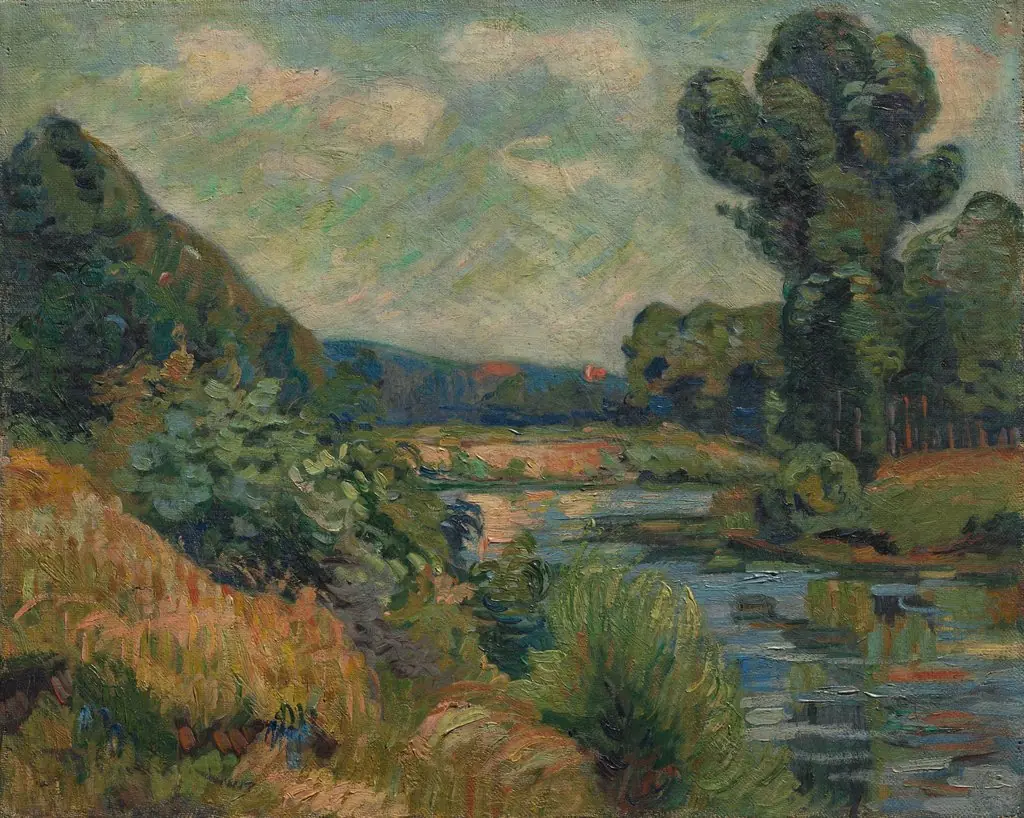
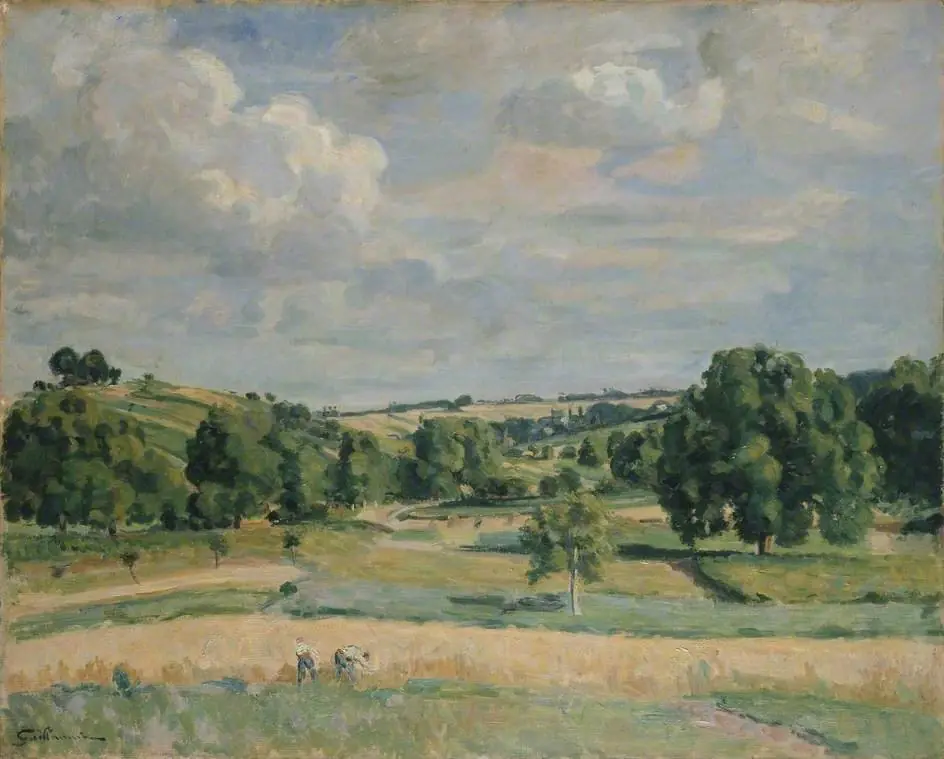
The Seine at Charenton is an oil painting by the Impressionist artist Armand Guillaumin. It dates from 1874 and is held in the collection of the Norton Simon Museum.
About this work
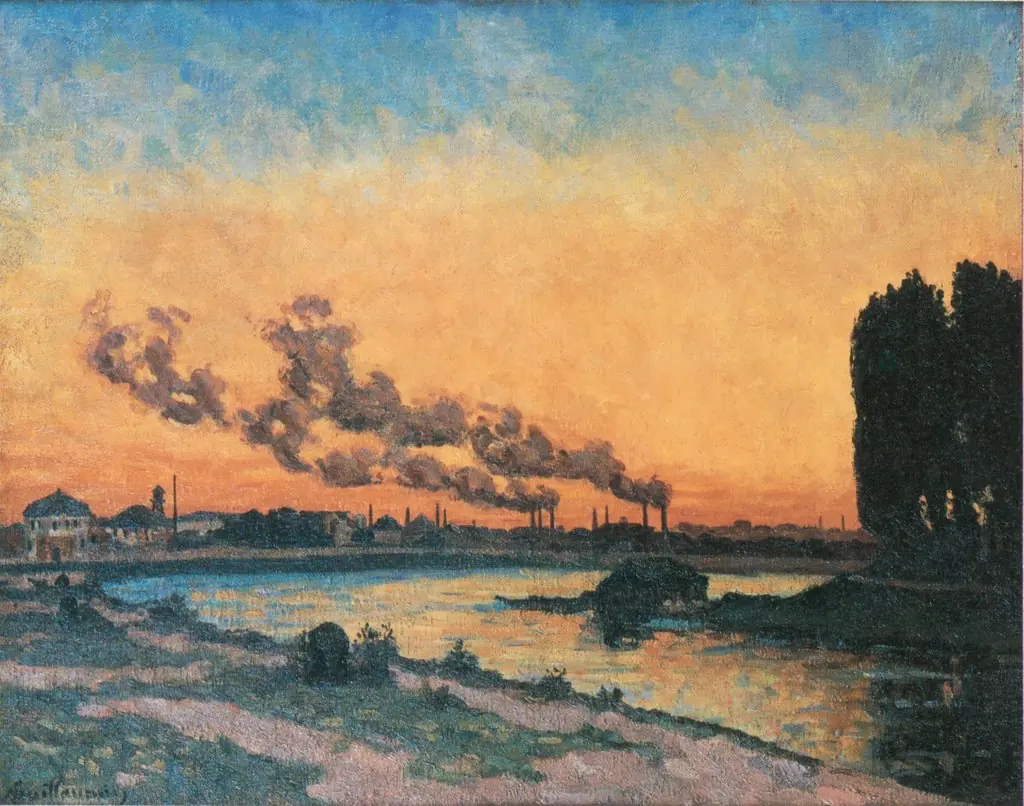
The painting features a riverbank with a few trees and buildings in the background, set against a soft, blue sky with white clouds.
The Seine at Charenton, painted by Armand Guillaumin in 1874, is an oil painting that depicts a serene river scene. The painting features a riverbank with a few trees and buildings in the background, set against a soft, blue sky with white clouds. A few people are visible in the distance, adding a sense of tranquility to the scene.
The painting's use of color and light creates a sense of depth and atmosphere, drawing the viewer's eye into the scene. The brushstrokes are loose and expressive, giving the painting a sense of movement and energy.
If you're interested in learning more about the artist behind this beautiful painting, you might want to look up Armand Guillaumin.
Overview
Painted in 1874, The Seine at Charenton is an oil work by French artist Armand Guillaumin, capturing a quiet stretch of the Seine near the suburb of Charenton. The painting belongs to the Norton Simon Museum’s collection and reflects Guillaumin’s engagement with landscape painting during the early years of Impressionism. It presents a calm riverside view, neither grand nor dramatic, but attentive to the subtle shifts of light and atmosphere.
Subject & Meaning
The scene depicts a modest riverside with sparse trees, distant buildings, and a few figures along the bank, suggesting everyday life rather than a celebrated landmark. The absence of narrative focus invites contemplation of place and time. The quiet human presence reinforces a sense of peaceful routine, aligning with the Impressionist interest in ordinary moments and the rhythms of suburban leisure.
Technique & Style
Guillaumin employs loose, visible brushwork to convey the texture of water, foliage, and sky. His palette favors muted blues, greens, and soft whites, with deliberate contrasts in tone to suggest depth. The strokes are energetic yet controlled, avoiding detail in favor of atmospheric effect. Light is rendered not through precise modeling but through color relationships, characteristic of emerging Impressionist methods.
History & Provenance
Created in 1874, the painting emerged during a period when Guillaumin was closely associated with the Impressionist circle, exhibiting with them in their first group show in 1874. It remained in private hands for decades before entering the Norton Simon Museum’s collection, where it has been held since the mid-20th century. Its provenance reflects the gradual recognition of Guillaumin’s contributions beyond his more famous contemporaries.
Context
In the early 1870s, Parisian artists increasingly turned to suburban rivers and parks as subjects, escaping the city’s congestion. Guillaumin, like Pissarro and Sisley, found inspiration in the Seine’s outskirts, where industrialization had not yet fully transformed the landscape. This painting reflects a broader shift in French art toward depicting the periphery with sincerity and sensitivity.
Legacy
Though less celebrated than some of his peers, Guillaumin’s work, including this painting, contributed to the evolution of landscape painting through its emphasis on light and spontaneous brushwork. The Seine at Charenton stands as a quiet testament to his consistent exploration of natural environments and his role in expanding the boundaries of Impressionist subject matter beyond urban centers.
Own this work as a print
Artist & collection