Artwork
Portrait of Matthijs Gansneb, called Tengnagel, Poet in Amsterdam
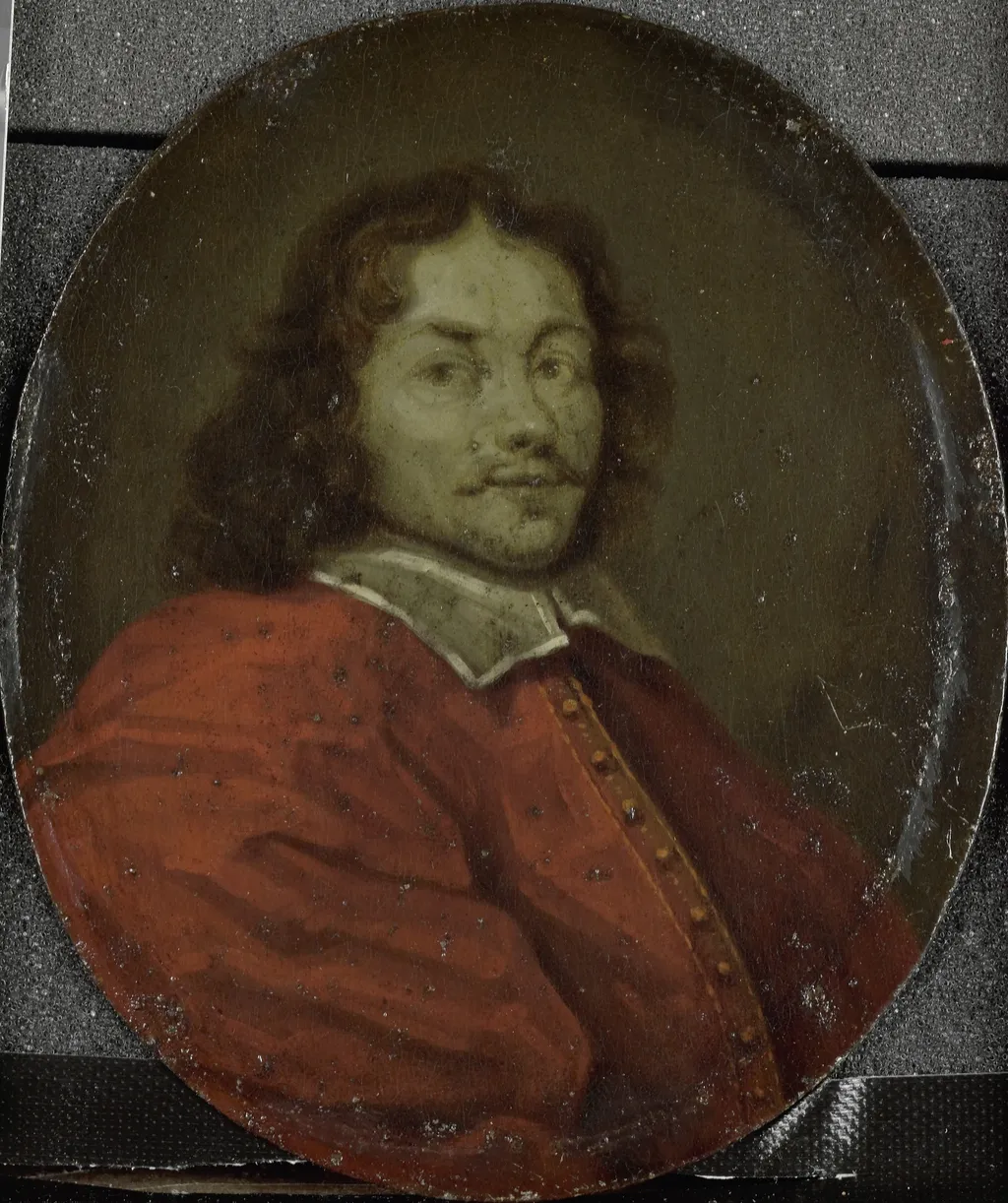
Portrait of Matthijs Gansneb, called Tengnagel, Poet in Amsterdam is an oil painting by the Rococo painting artist Arnoud van Halen. It dates from 1716 and is held in the collection of the Rijksmuseum.
About this work
This oval-shaped portrait features a man with dark, curly hair and a red coat adorned with gold buttons.
This oval-shaped portrait features a man with dark, curly hair and a red coat adorned with gold buttons. The coat's collar is white, and the background is a muted brown color. The man's gaze is directed to the right side of the image.
The subject's attire suggests a formal or professional setting, possibly from the 18th century. The use of tin as the medium adds an interesting layer to the artwork.
For more information on the artist behind this piece, look up Arnoud van Halen.
Overview
Arnoud van Halen’s 1716 portrait presents Matthijs Gansneb, known as Tengnagel, a poet active in Amsterdam. Executed on a tin support, the work measures in an oval format and resides in the collection of the Rijksmuseum. The composition captures the sitter in a formal pose, his gaze turned toward the right, set against a subdued brown backdrop.
Subject & Meaning
Matthijs Gansneb Tenggel, identified as a poet, is rendered in attire befitting an 18th‑century gentleman: a dark, curly‑haired figure in a red coat trimmed with gold buttons and a crisp white collar. The dignified dress and steady expression suggest a self‑presentation intended to convey literary stature and social respectability within the Amsterdam cultural sphere.
Technique & Style
The portrait is painted on tin, a metal surface that offers a smooth, reflective ground uncommon for Dutch portraiture of the period. Van Halen employs a restrained palette, allowing the rich red of the coat and the metallic sheen of the buttons to stand out against the muted brown background, while the oval shape frames the sitter with a subtle sense of intimacy.
History & Provenance
Created in 1716, the painting entered the Rijksmuseum’s holdings as part of its extensive Dutch portrait collection, though the exact acquisition path is not recorded in the available sources. Its survival on tin—a material prone to corrosion—indicates careful conservation, allowing contemporary viewers to study van Halen’s work within its original medium.
Context
The early 18th century in Amsterdam saw a flourishing of literary activity, with poets like Tenggel participating in a vibrant intellectual network. Portraits of such figures served both as personal commemoration and as visual affirmation of their cultural contributions, aligning the sitter’s image with the city’s broader artistic and literary currents.
Artist & collection
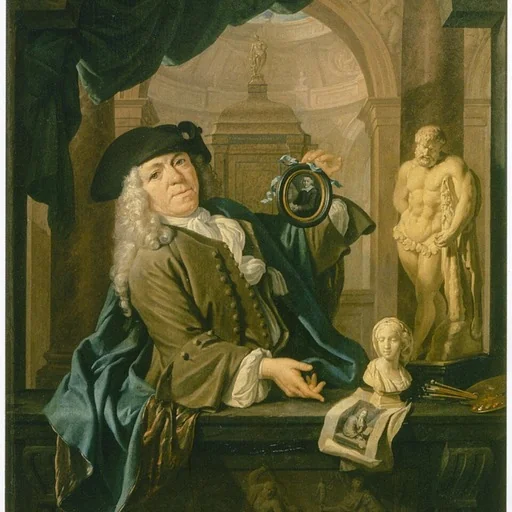

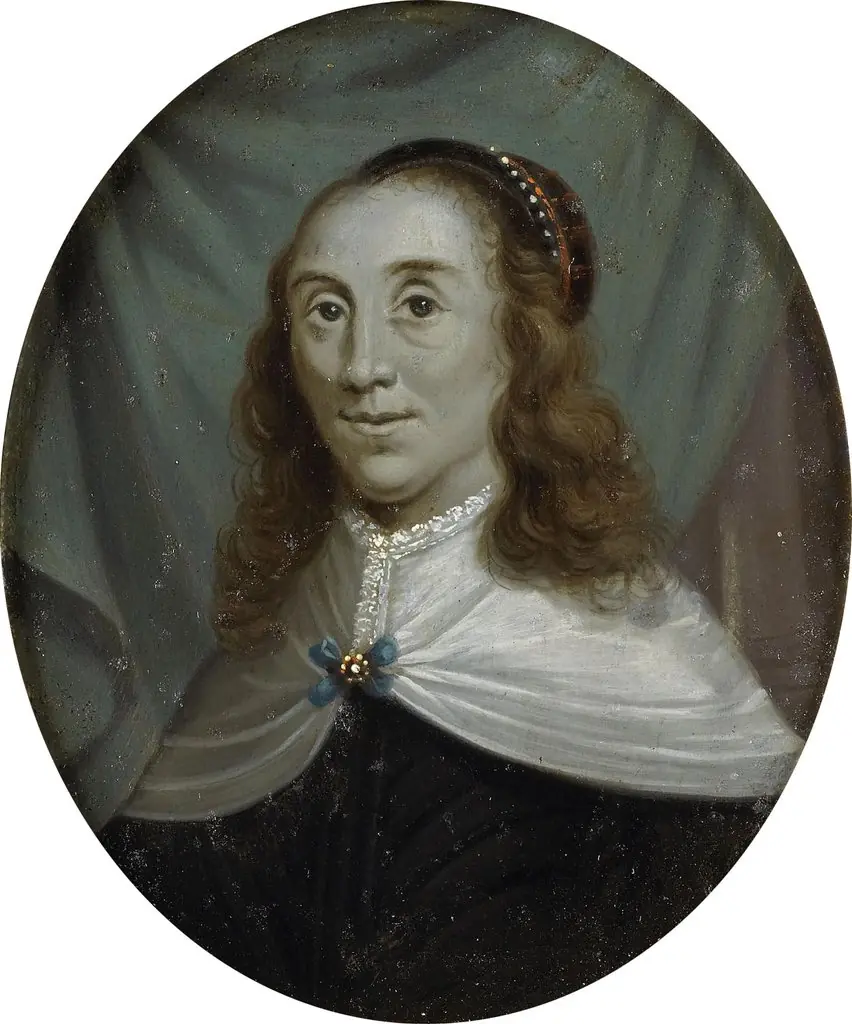 Portrait of Sibylle van Griethuysen (ca.1620-na 1662)
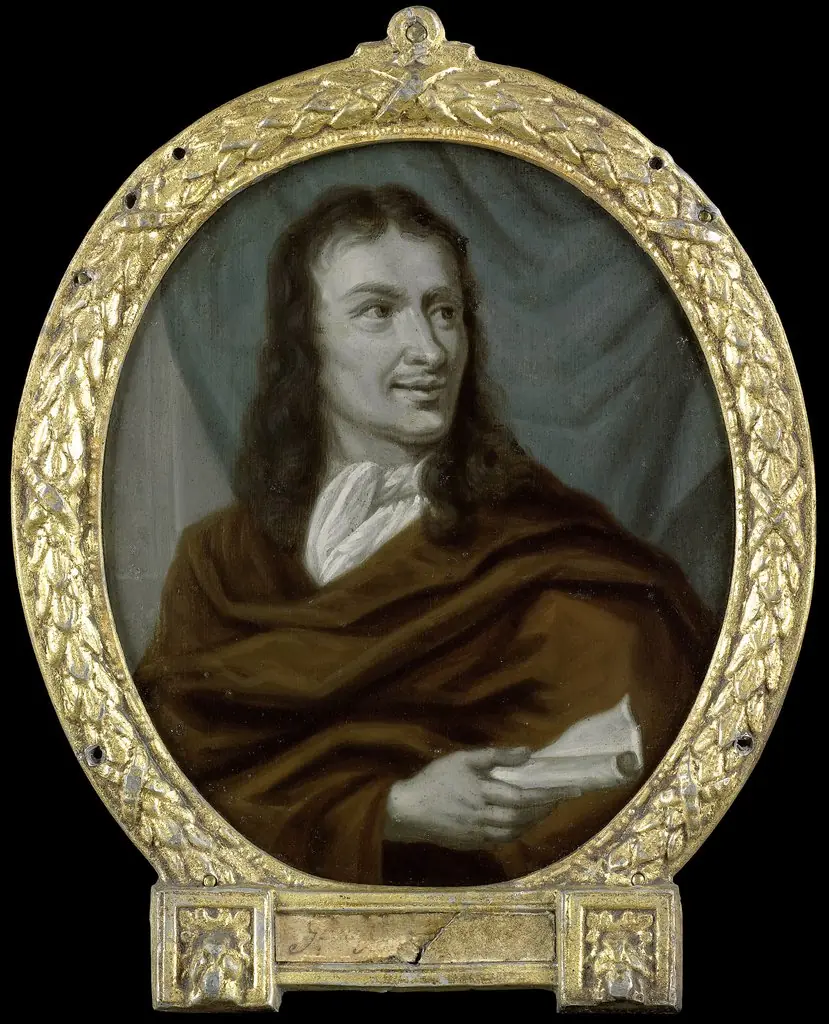 Portrait of Pieter Verhoek (1633-1702)
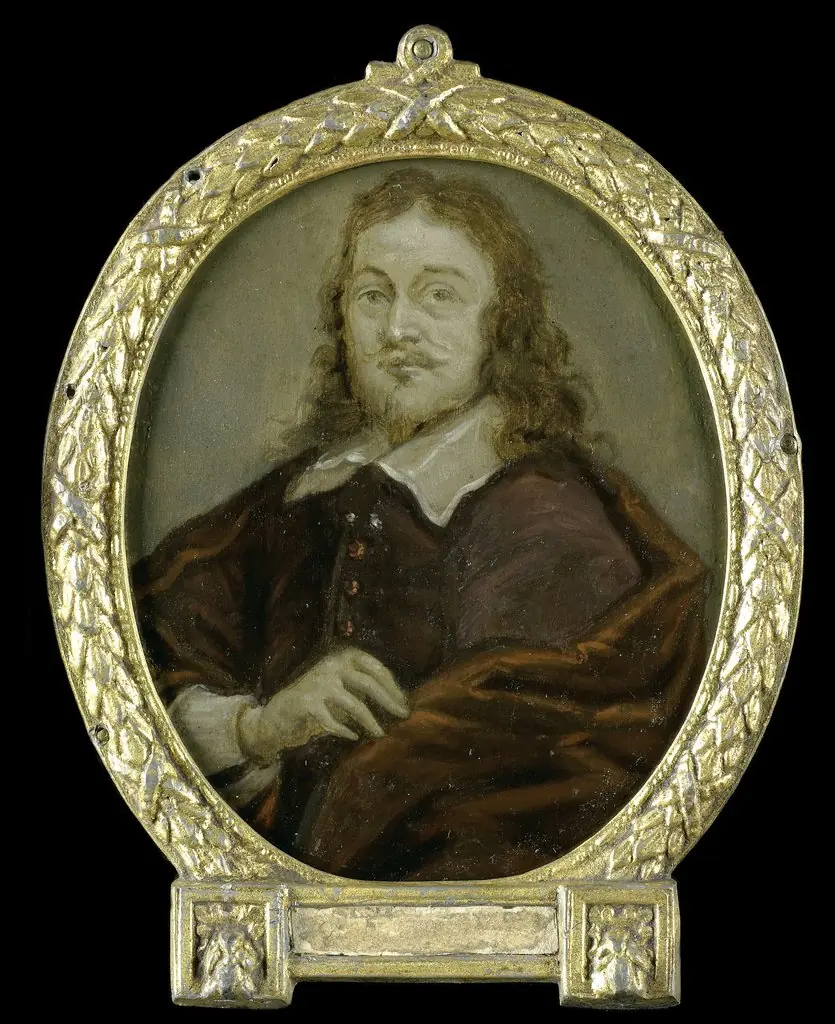 Portrait of the painter Bonaventura Peeters I (1614-52)
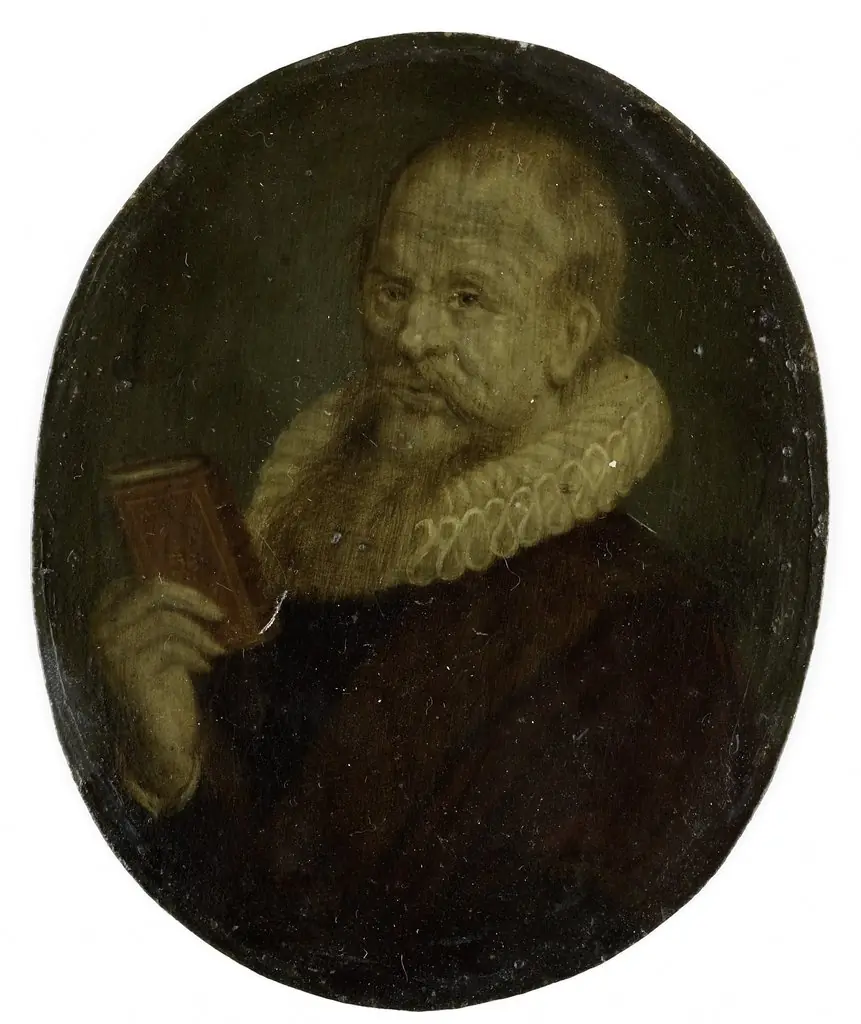 Portrait of Theodorus Schrevelius (1572-1653)
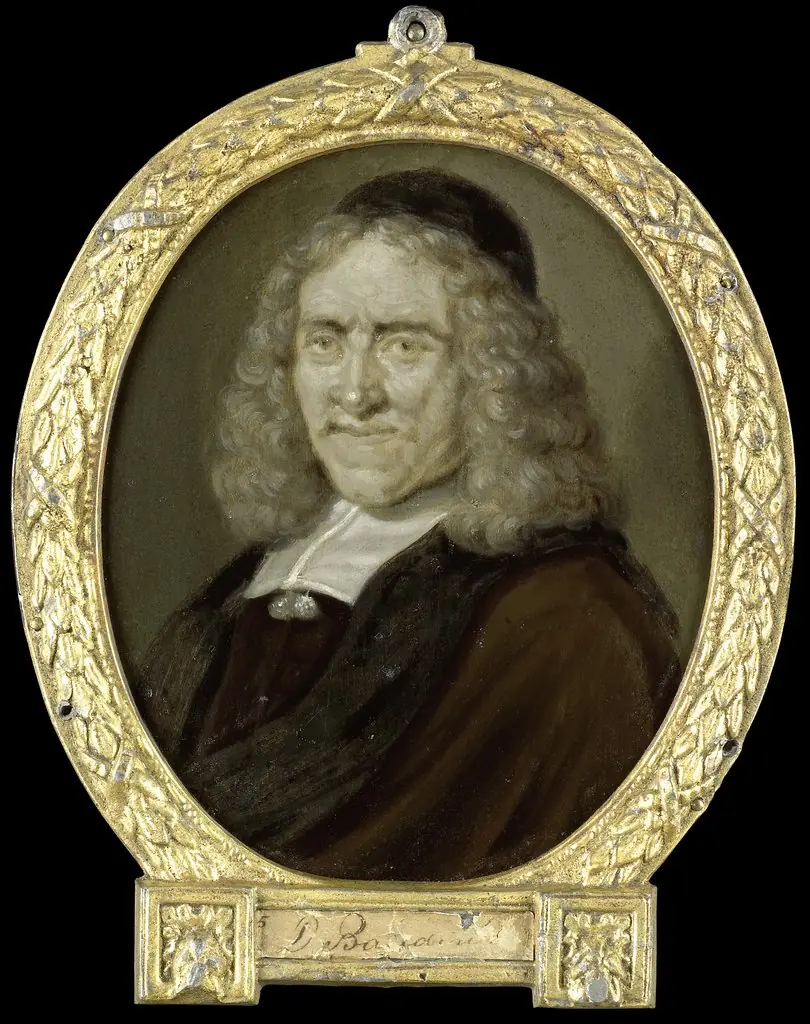 Portrait of Willem Jacobsz van Heemskerck, Poet and Engraver on Glass
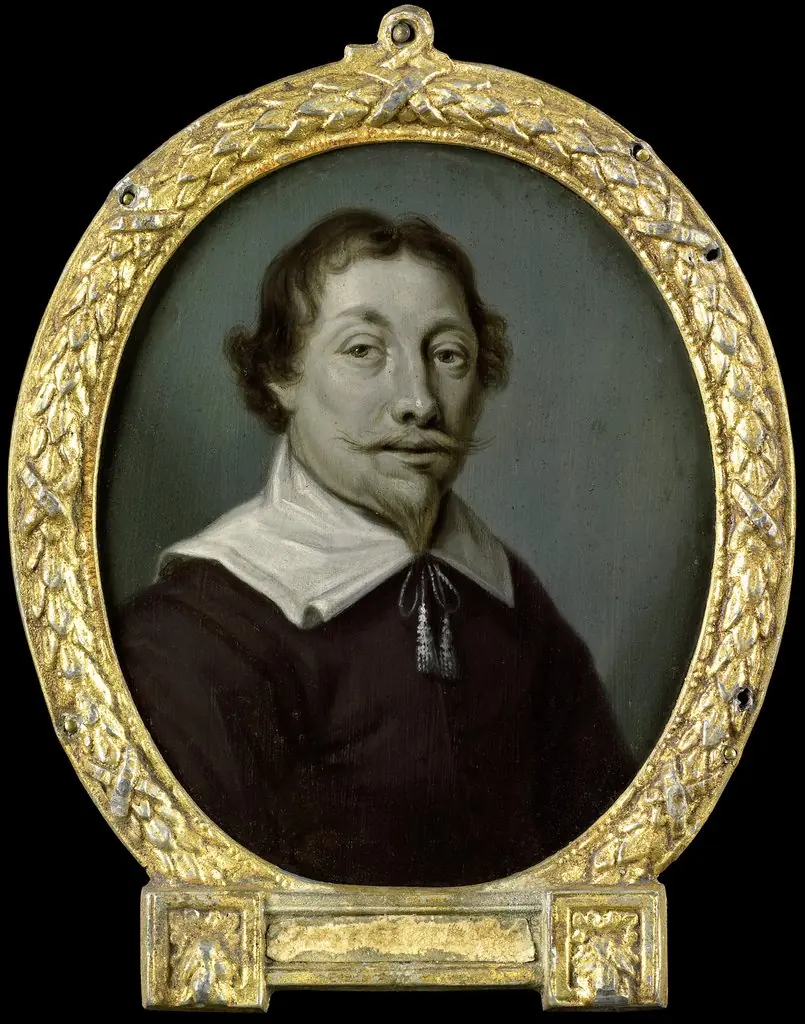 Portrait of Jan van der Veen, Pharmacist and Poet in Deventer
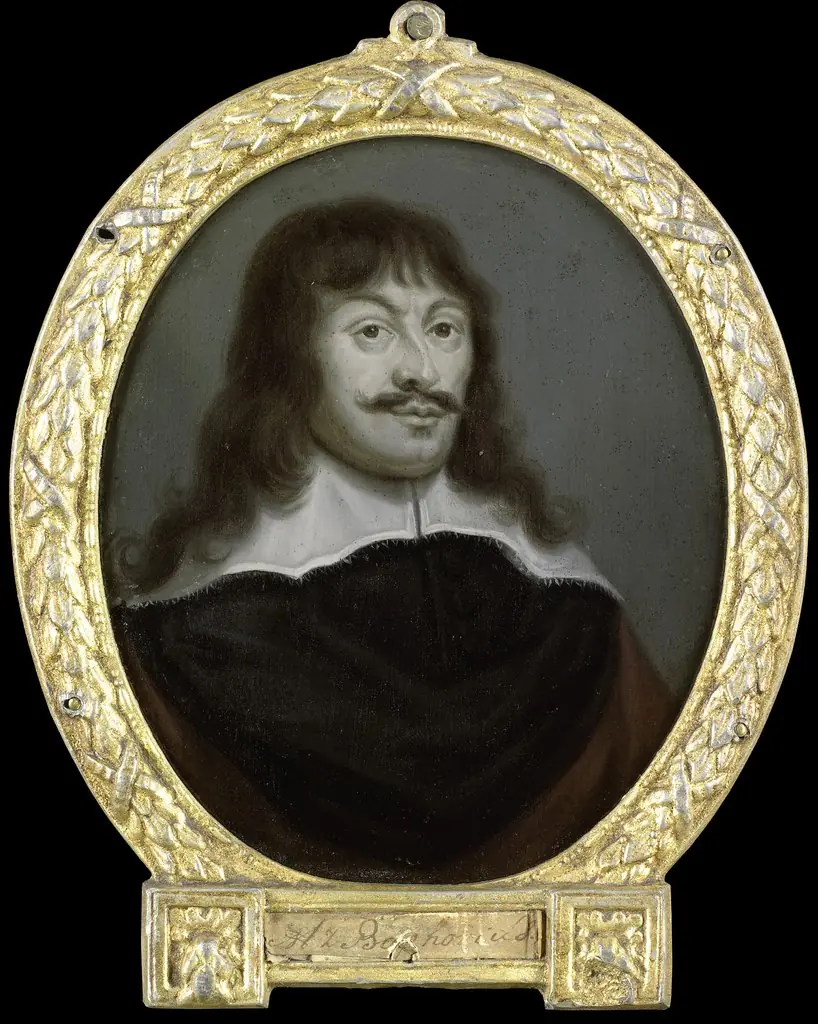 Portrait of Marcus Zuërius van Boxhorn, Historian and Professor at Leiden
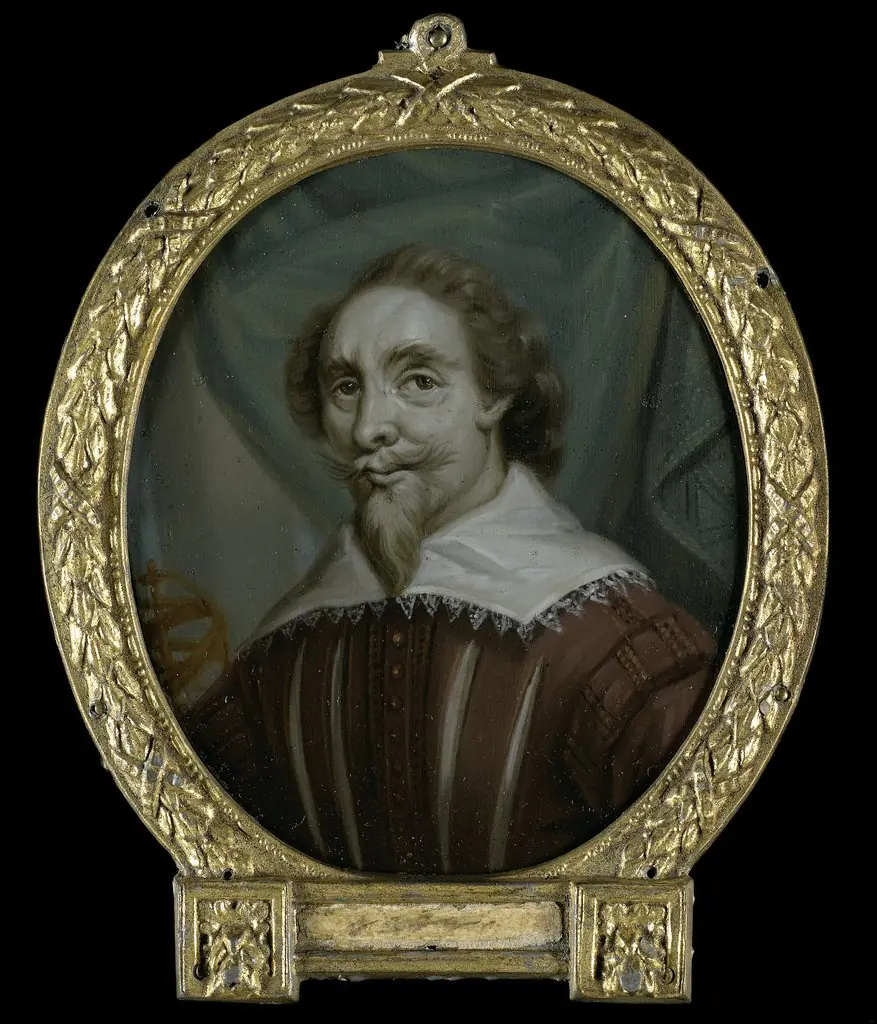 Portrait of Petrus Baard, Physician and Poet from Leeuwarden