Artwork
H Beard Print Collection
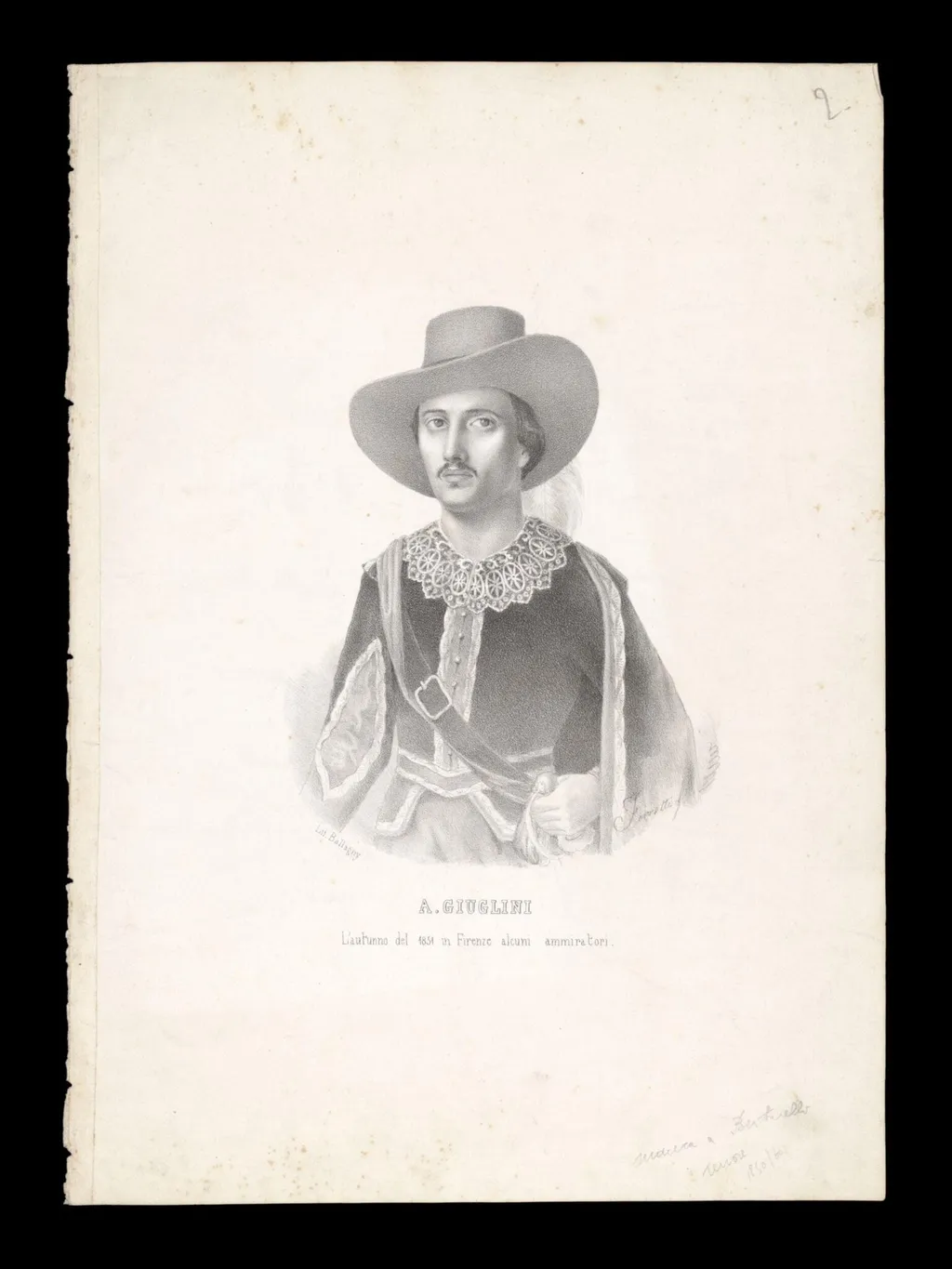
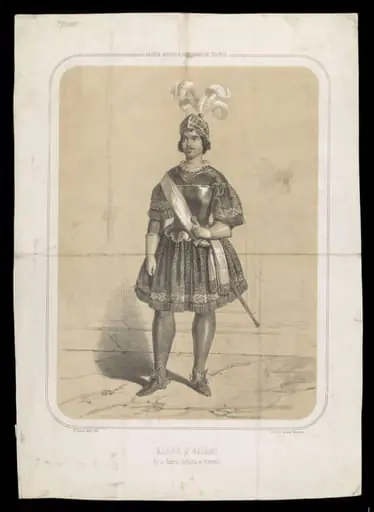
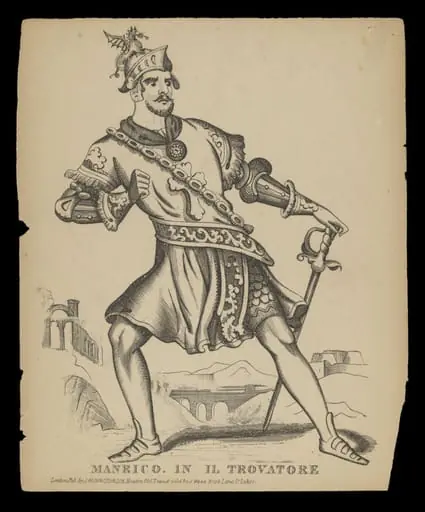
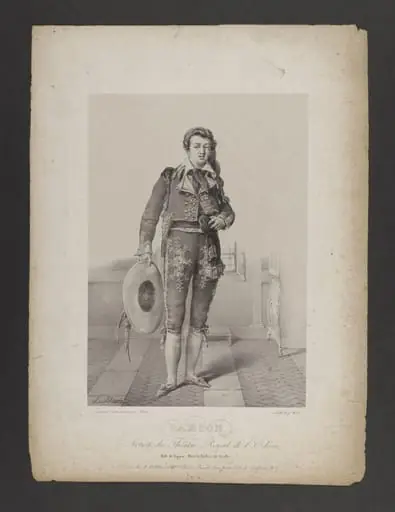
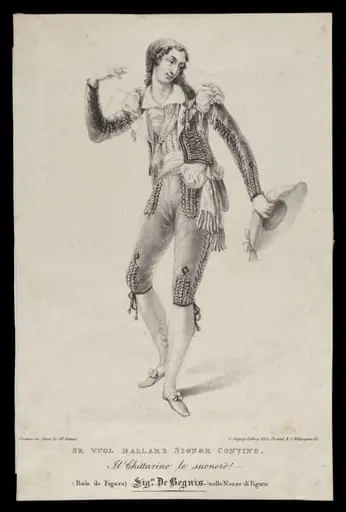
H Beard Print Collection is a print by the Impressionist artist Ballagny. It dates from 1851 and is held in the collection of the Victoria and Albert Museum.
About this work
This print from 1851 shows a portrait by Ballagny.
It mixes Impressionism and Realism, two key art movements of the time.
The work captures singer A. Giuglini in a style focused on light and everyday life.
Prints like this were affordable and spread new ideas fast.
They helped everyday people see fresh ways of making art.
Check out prints by Ballagny next.
Overview
Unlike fine art paintings, such prints reached broader audiences, making portraiture accessible beyond elite circles.
This 1851 print depicts the Italian tenor Angelo Giuglini, created by the artist Ballagny. Produced as a commercial engraving, it was part of a growing market for affordable visual media. Unlike fine art paintings, such prints reached broader audiences, making portraiture accessible beyond elite circles. The work reflects the era’s interest in capturing public figures with both dignity and immediacy.
Subject & Meaning
Angelo Giuglini, a celebrated opera singer of the mid-19th century, is portrayed with quiet intensity. His presence conveys the cultural prestige of performers in an age when opera was central to public life. The image does not idealize him but presents a grounded, recognizable figure, aligning with a shift toward portraying real individuals rather than symbolic types.
Technique & Style
Ballagny’s technique blends precise linework with subtle tonal gradations, suggesting light and texture without overt detail. The approach leans toward realism in form but incorporates softer, atmospheric effects reminiscent of emerging impressionist concerns. This hybrid style reflects a transitional moment in printmaking, where technical precision met a growing interest in sensory experience.
History & Provenance
The print originates from the H. Beard Print Collection, a 19th-century compilation of theatrical and musical portraits. Such collections were assembled by enthusiasts and circulated among middle-class households. This particular print likely served as both a memento and a cultural artifact, documenting the rising fame of Giuglini during his peak years in London and Paris.
Context
In the 1850s, advances in lithography and engraving enabled mass reproduction of images, transforming how the public engaged with art and celebrity. Portraits of performers like Giuglini became common in newspapers and albums, bridging high culture and popular taste. This print exemplifies how visual media helped democratize access to cultural icons.
Legacy
Ballagny’s work contributed to a broader trend of documenting performers through print, influencing later journalistic and biographical imagery. While not widely studied today, such prints played a vital role in shaping public perception of artists and preserving their likenesses before photography became dominant. They remain key records of 19th-century cultural life.
Artist & collection
Artist
A French printmaker active in the mid-1800s, Ballagny made fine etchings of everyday scenes.