Artwork
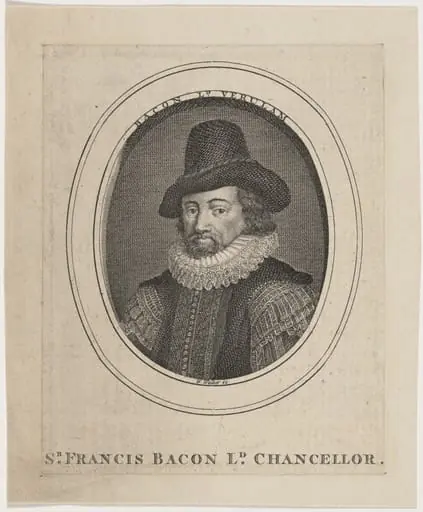
Sir Francis Bacon, Lord Chancellor
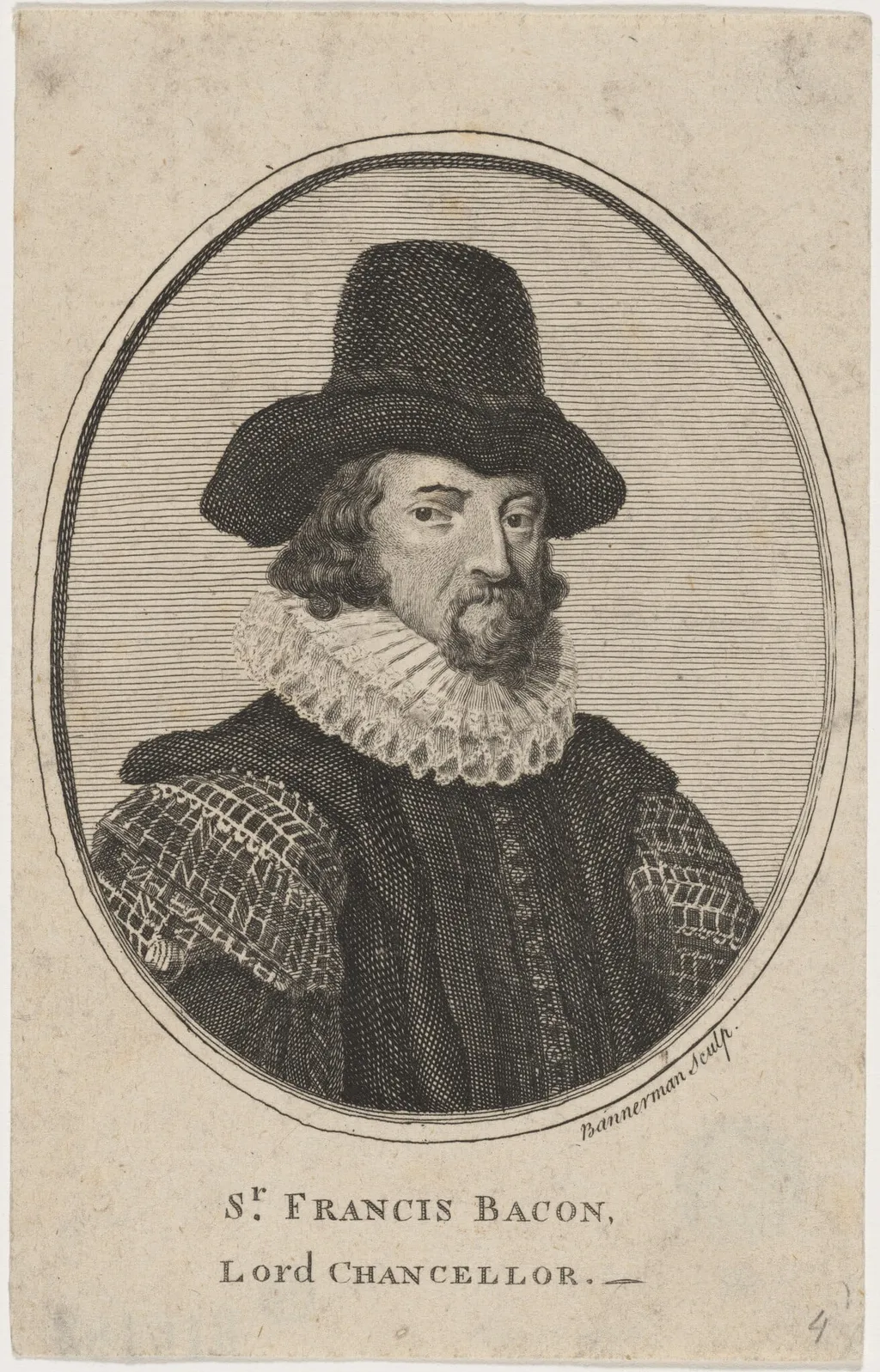
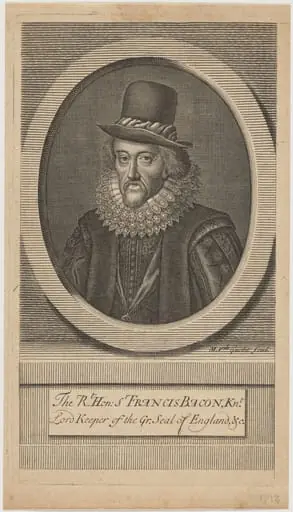
Sir Francis Bacon, Lord Chancellor is an ink print by the Baroque artist Alexander Bannerman. It dates from 1755 and is held in the collection of the National Gallery of Art.
About this work
Overview
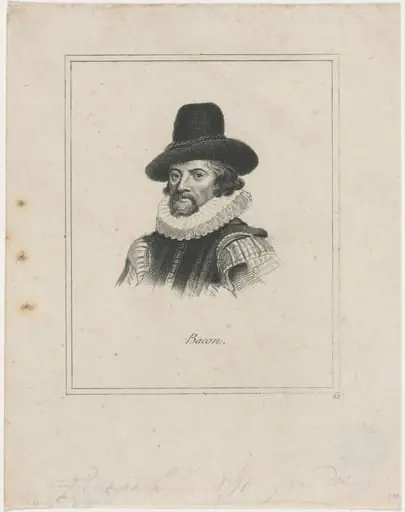
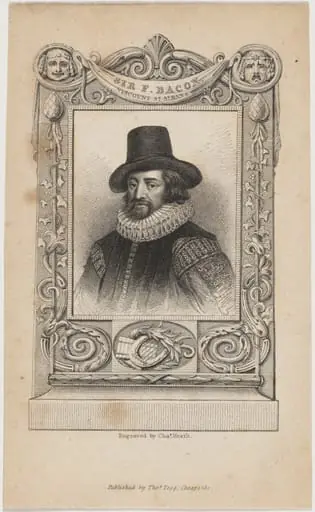
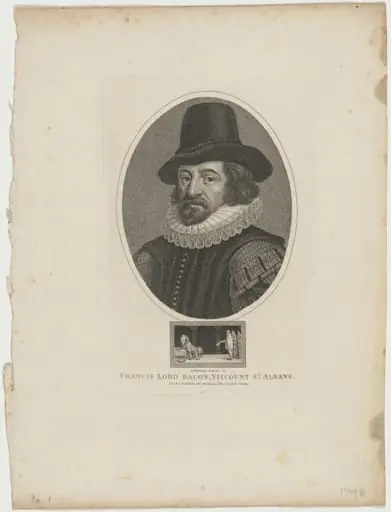
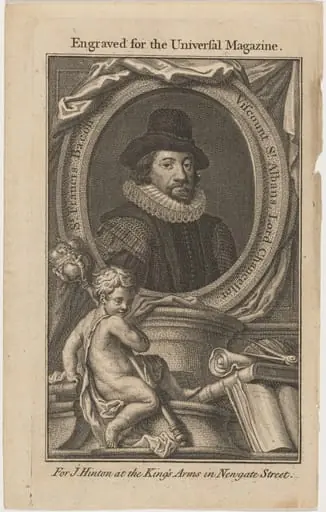
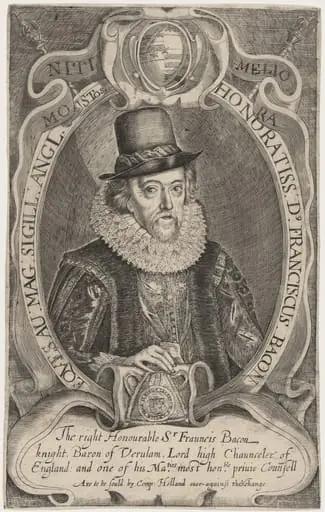
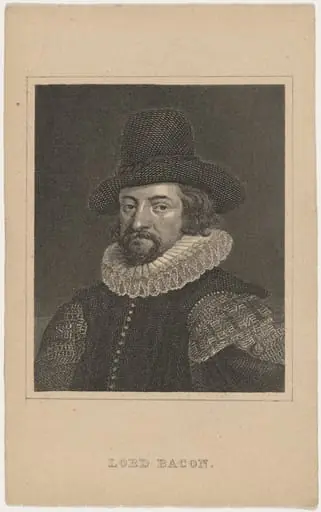
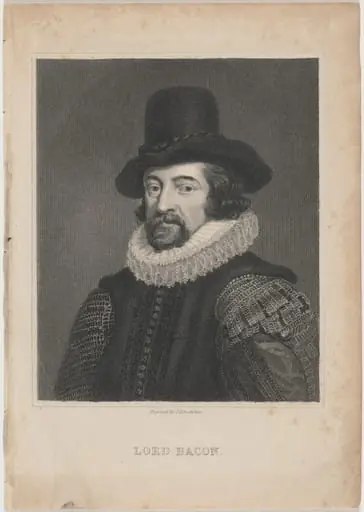
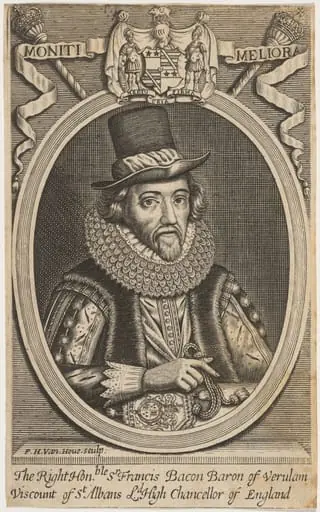
An 1755 engraving by Alexander Bannerman depicts Sir Francis Bacon in his role as Lord Chancellor. Rendered in monochrome, the portrait captures Bacon with precise linear detail, characteristic of mid-18th-century printmaking. The image conforms to the conventions of formal portraiture of the era, emphasizing dignity and authority through controlled shading and intricate texture.
Subject & Meaning
The portrait presents Bacon as a statesman and jurist, dressed in the formal attire of a high-ranking official of the early 17th century. His heavy beard, furrowed brow, and elevated collar convey gravitas and intellectual rigor. The composition avoids ornamentation, focusing instead on the weight of his position and the solemnity of his public role.
Technique & Style
Bannerman employed fine, controlled lines typical of copperplate engraving to model form and fabric. The texture of Bacon’s clothing, particularly the patterned sleeves and high collar, is rendered through cross-hatching and stippling. Facial wrinkles and beard are built up with delicate tonal gradations, reflecting Baroque-era conventions of realism and psychological depth.
History & Provenance
Created in 1755, the engraving was likely produced as part of a series documenting notable British figures. Bannerman, known for his reproductive prints, based the image on an earlier portrait, possibly by an unknown artist. The print circulated among scholars and legal circles, serving as a visual reference for Bacon’s legacy.
Context
In the mid-18th century, engraved portraits of historical statesmen were widely distributed to reinforce national identity and institutional memory. Bacon, as a foundational figure in empirical philosophy and the legal system, remained a symbol of rational governance. This print reflects contemporary reverence for early modern thinkers within Enlightenment-era Britain.
Legacy
Though not widely exhibited today, Bannerman’s engraving endures in institutional archives and historical collections as a documented representation of Bacon’s public image. It contributes to the visual record of how early modern figures were memorialized through print, preserving their likeness for later generations.
Artist & collection

![James I, King of England [top half], by Simon van de Passe](https://artifactworldgallery.com/img/simon-van-de-passe--james-i-king-of-england-top-half--2627f50172001474-w320.webp)