Artwork
Sfântul Francisc și Sfântul Benedict ascultând un înger muzicant
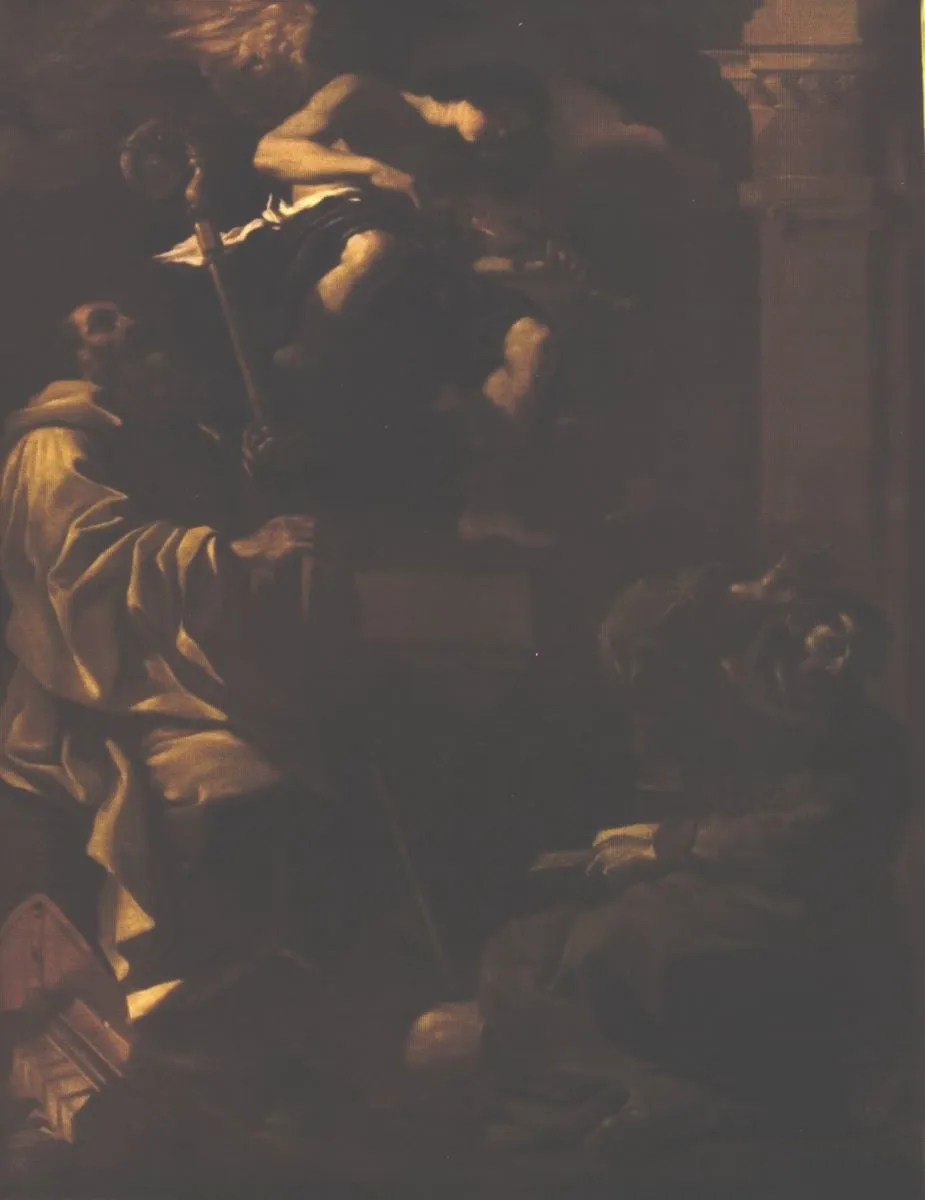
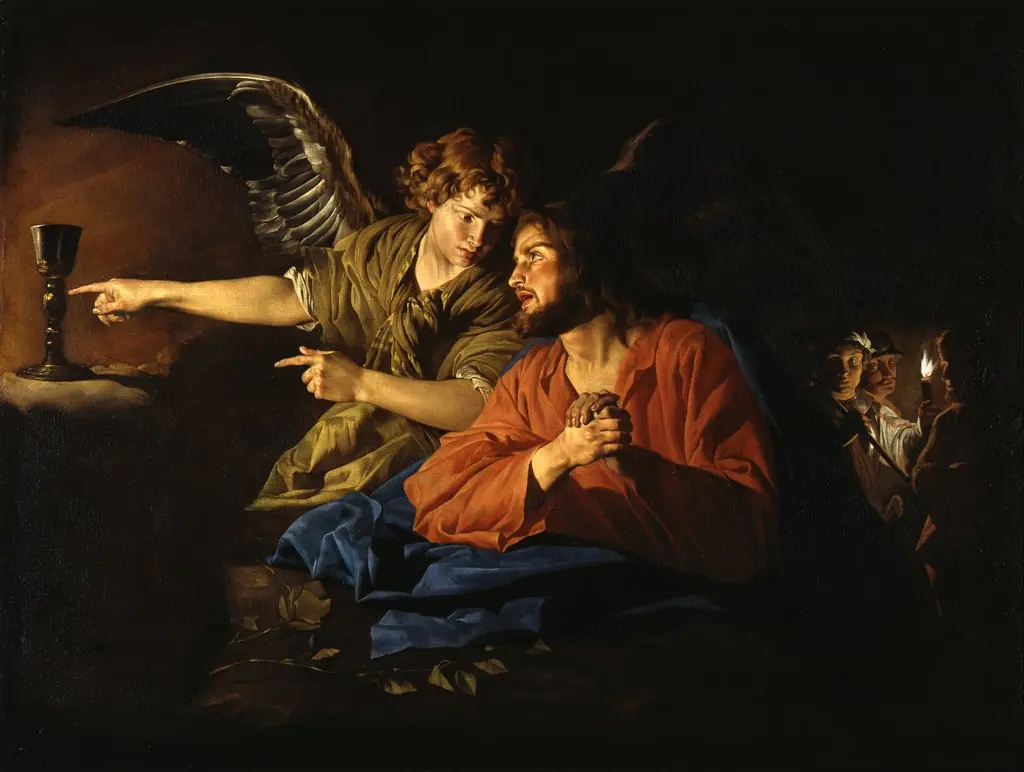
Sfântul Francisc și Sfântul Benedict ascultând un înger muzicant is an unspecified painting by the Early Baroque Italian artist Giovani Francesco Barbieri. It dates from 1650 and is held in the collection of the National Museum of Art of Romania.
About this work
Overview
Created around 1650, the work titled *Sfântul Francisc și Sfântul Benedict ascultând un înger muzicant* is attributed to the Italian painter Giovani Francesco Barbieri. It presents a nocturnal interior scene in which two cloistered figures are engaged in silent contemplation while a celestial musician performs above them.
Subject & Meaning
The two central figures are identified as Saint Francis of Assisi and Saint Benedict, each dressed in traditional monastic habit. Saint Francis holds a book, suggesting his scholarly devotion, while both saints appear absorbed in the ethereal music produced by an angelic violinist, symbolizing divine inspiration and the harmony of the spiritual life.
Technique & Style
Barbieri employs a pronounced chiaroscuro, contrasting the deep shadows of the stone-walled setting with the illuminated forms of the saints and the winged angel. This manipulation of light and darkness heightens the drama of the scene and draws the viewer’s focus to the interaction between the earthly and the heavenly.
History & Provenance
The painting dates to the mid‑seventeenth century, a period when Barbieri was active in the Venetian artistic milieu. While specific ownership records are scarce, the work has been catalogued among his religious compositions and is noted for its characteristic use of tenebrism.
Context
In the Baroque era, depictions of saints receiving divine music were common, reflecting contemporary theological interests in mysticism and the sensory experience of faith. Barbieri’s rendering aligns with this trend, situating the saints within a modest, stone‑lined space that evokes a chapel or cloister.
Legacy
Although not among Barbieri’s most widely reproduced pieces, this painting exemplifies his skill in rendering spiritual narratives through dramatic lighting. It continues to be referenced in studies of Baroque chiaroscuro and the visual representation of saintly contemplation.
Artist & collection
Artist
This guy was a one-eyed barber’s son who painted angels like they were neighbors peeking over the garden fence.

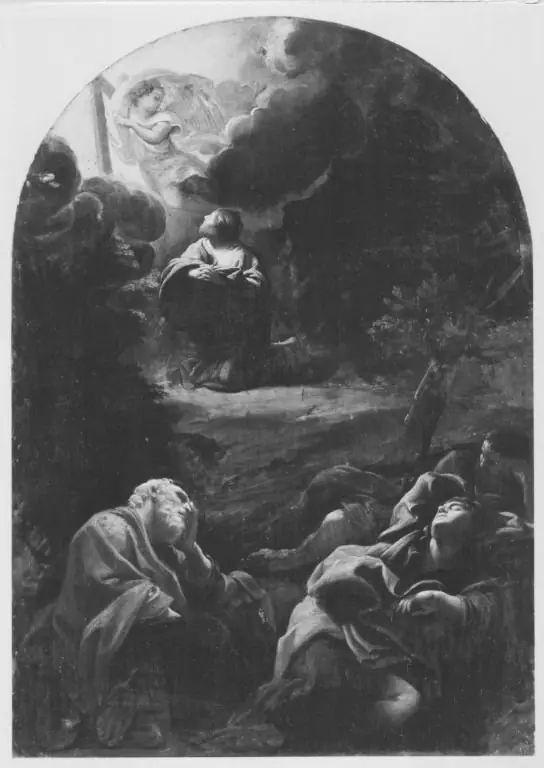 Christus am Ölberg
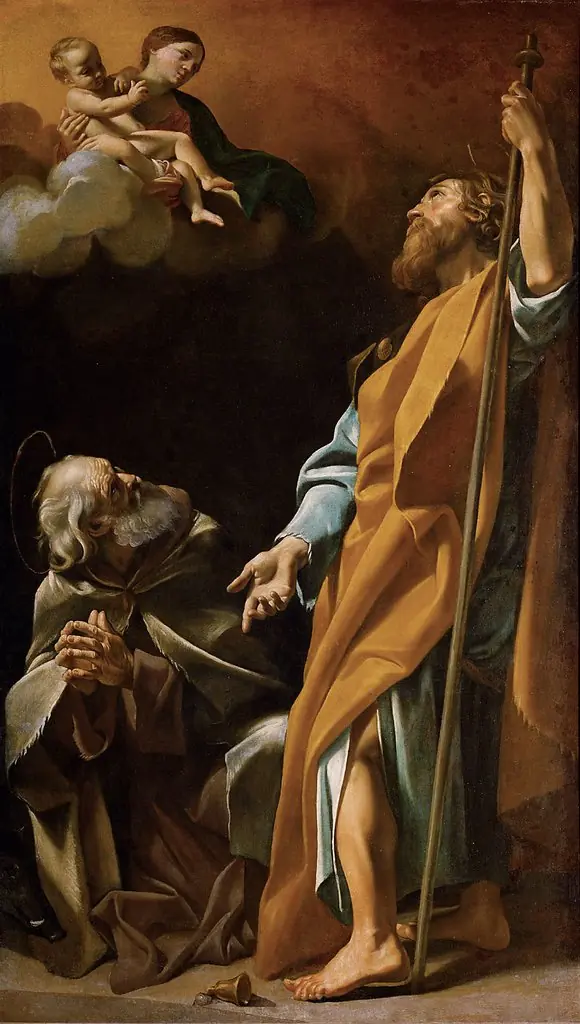 Madonna and Child with Sts Anthony Abbot and James the Greater
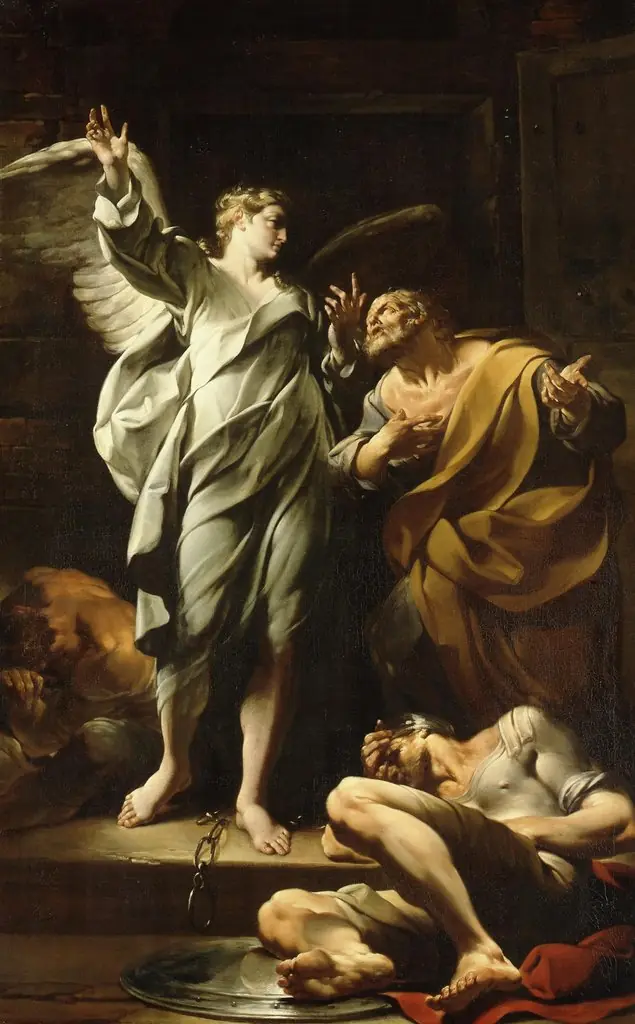 The liberation of saint Peter
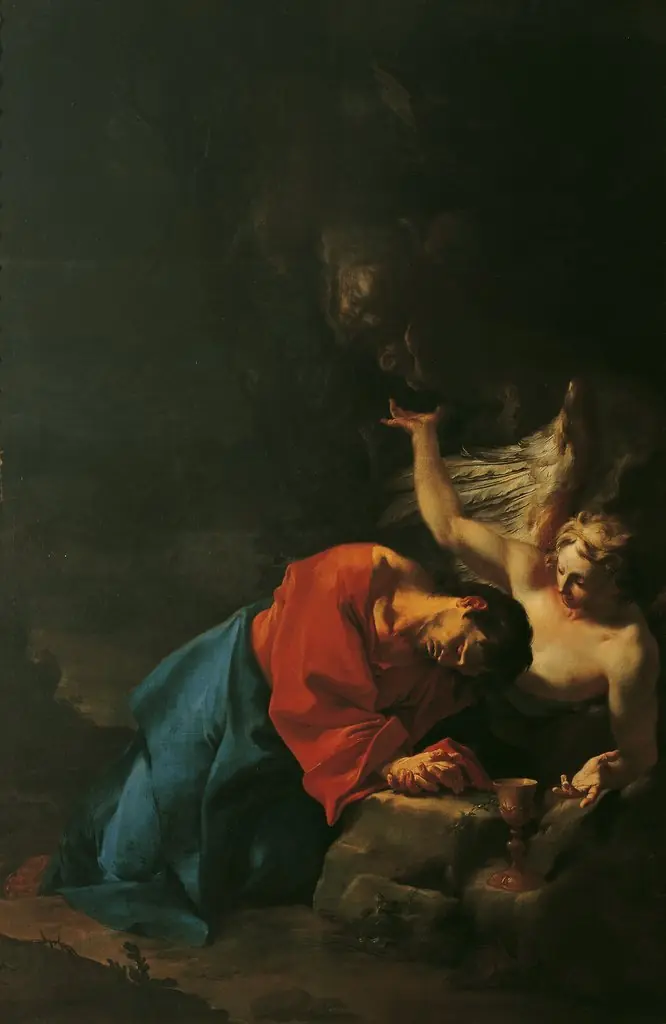 Christ on the Mount of Olives
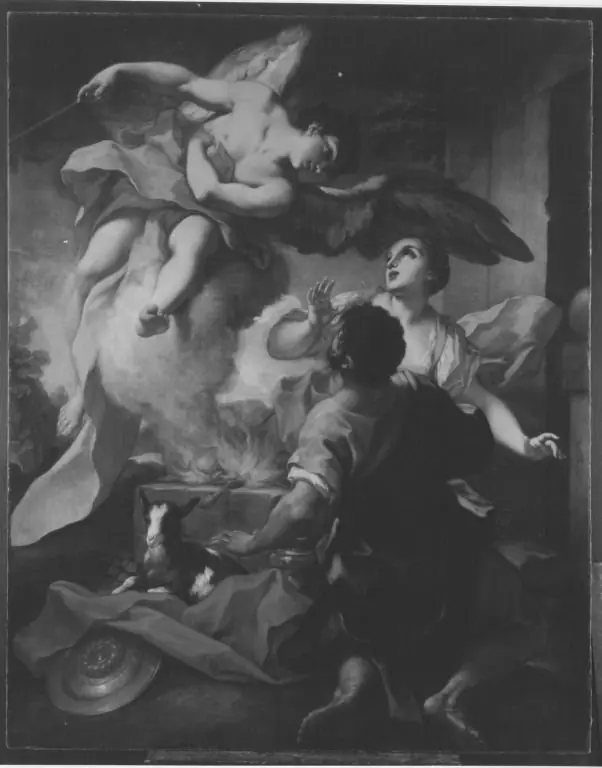 Ein Engel verheisst der Frau des Manoah einen Sohn
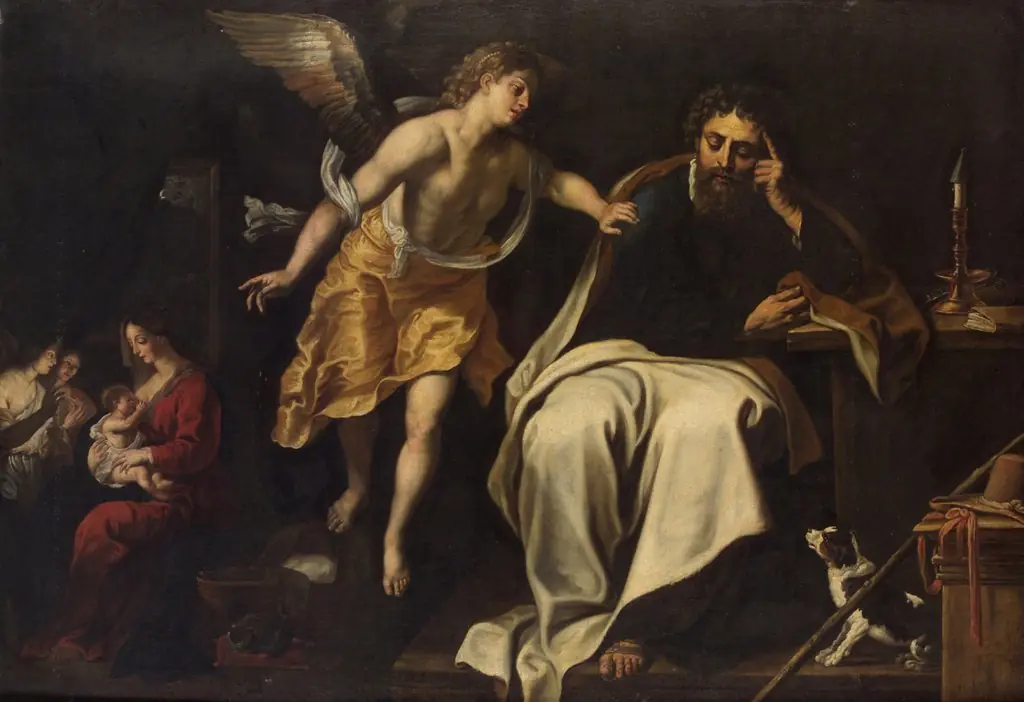 Dream of Saint Joseph
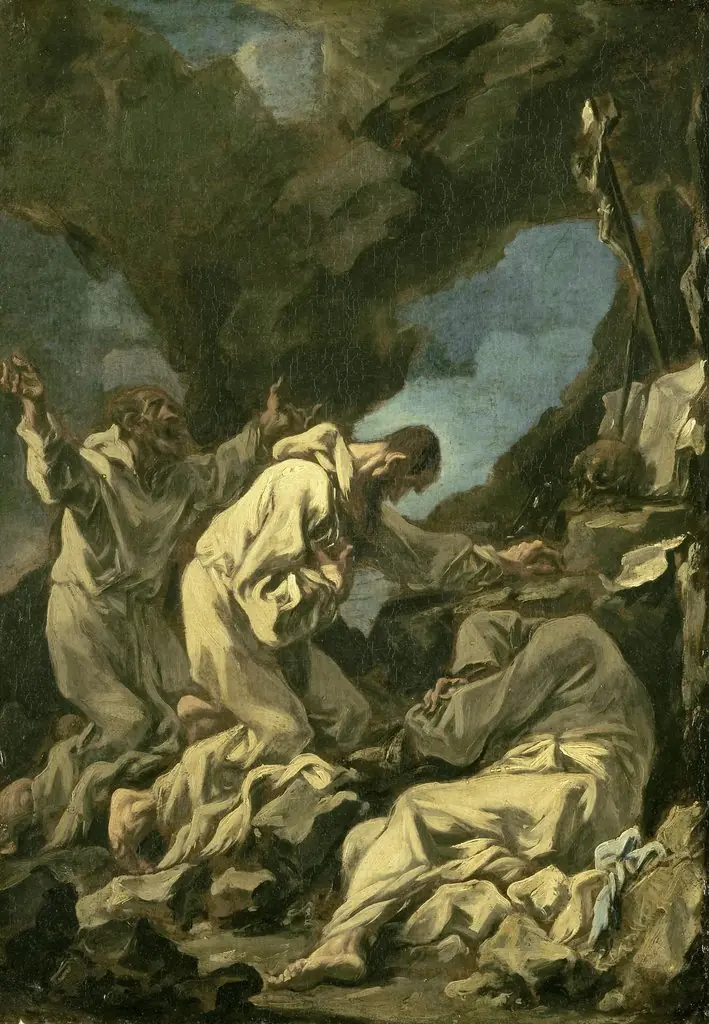 Three Camaldolese Monks in Ecstatic Prayer
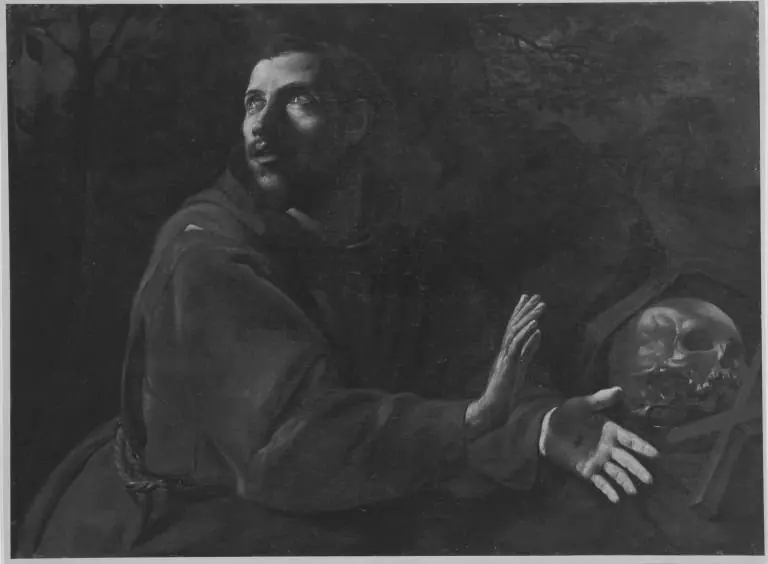 Hl. Franziskus in Ekstase (Art des)
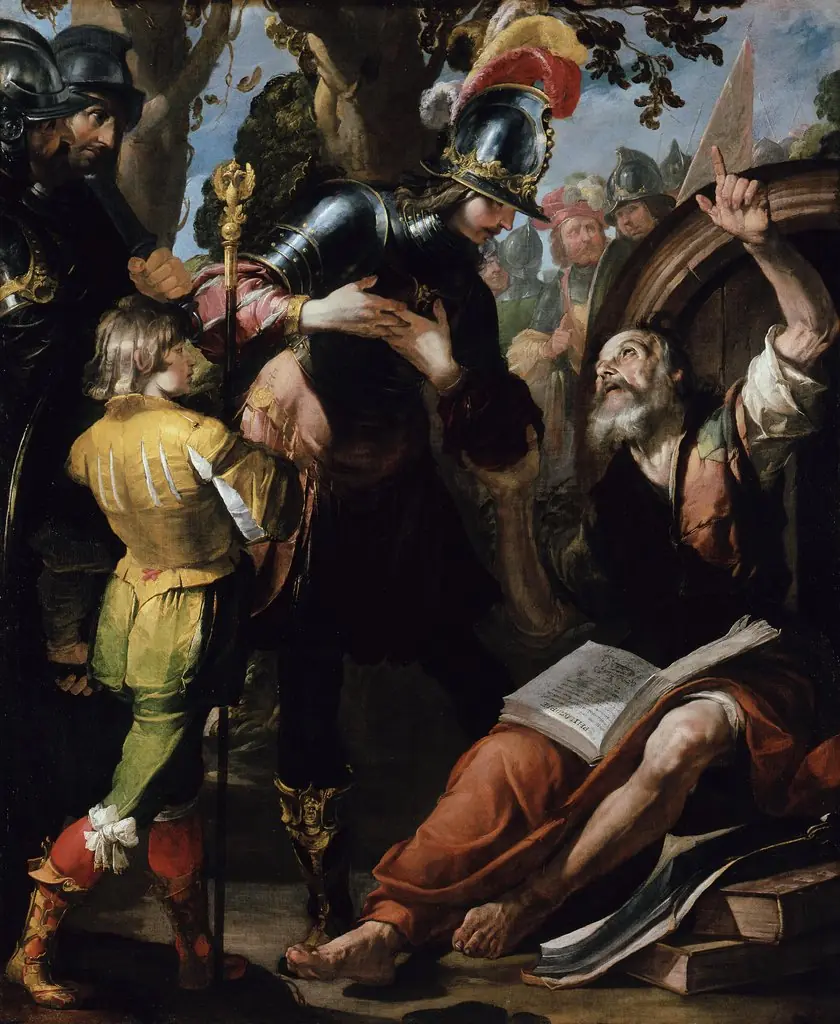 Alexander and Diogenes
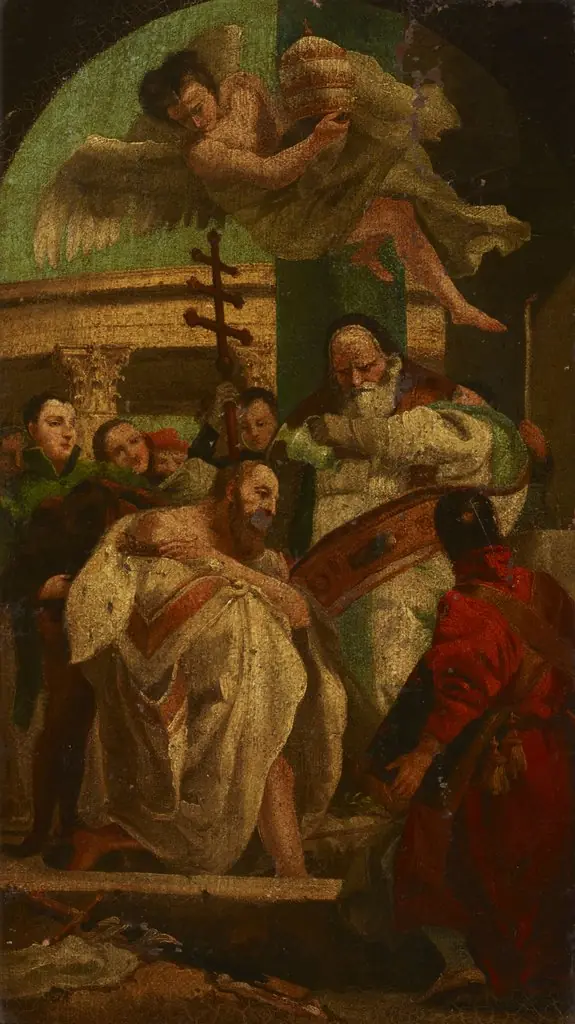 Baptism of King Chlodwig I (ca. 466–511)
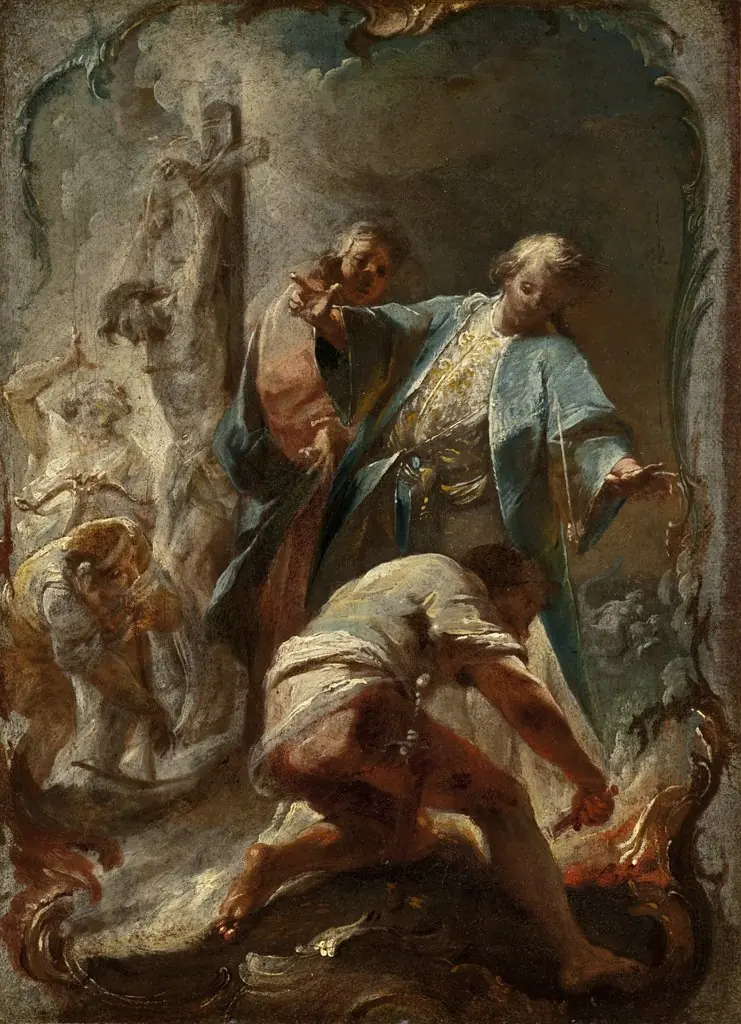 Scenes from the Life of Saint Arianus
 Christ in the garden of olives at Gethsemane