Artwork
Portret de fetiță
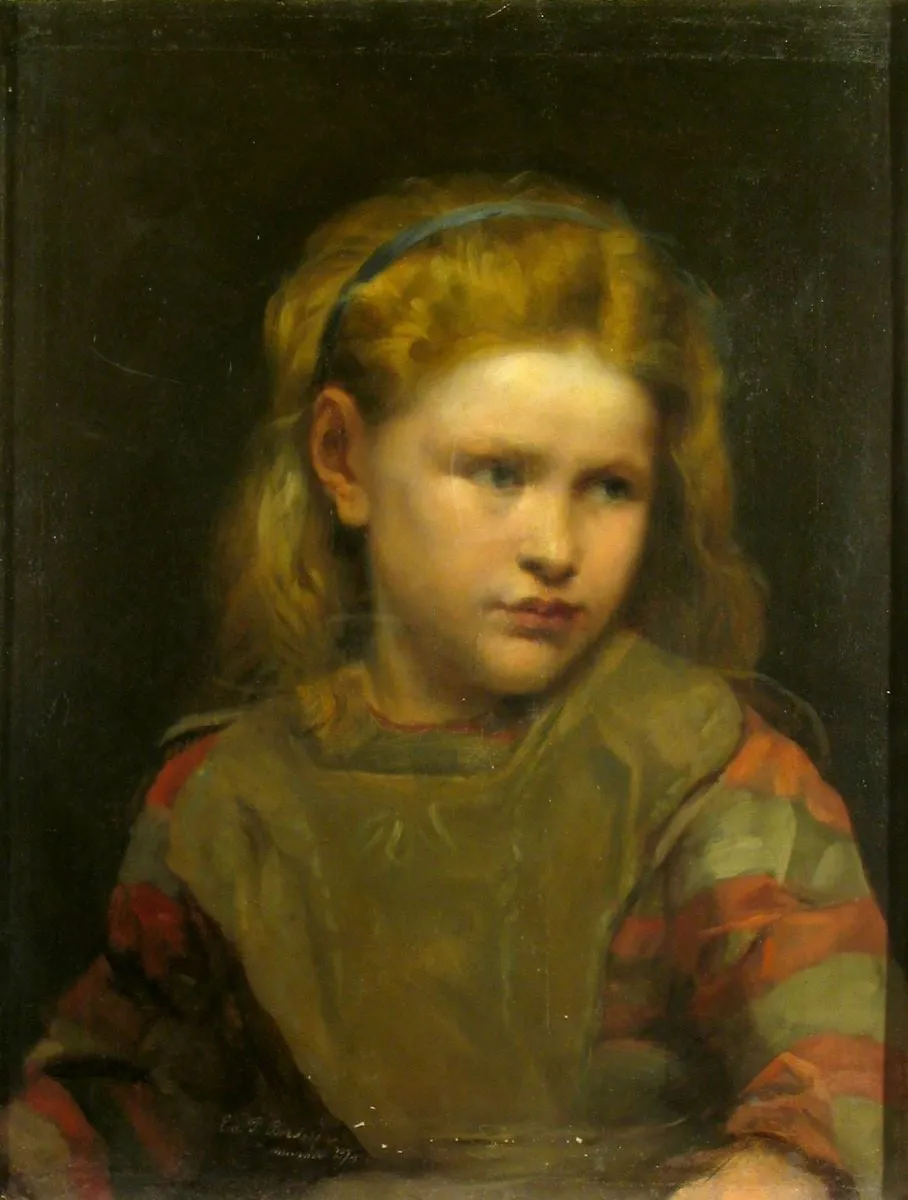
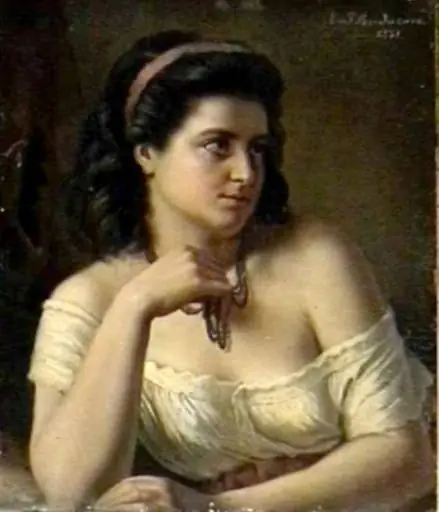
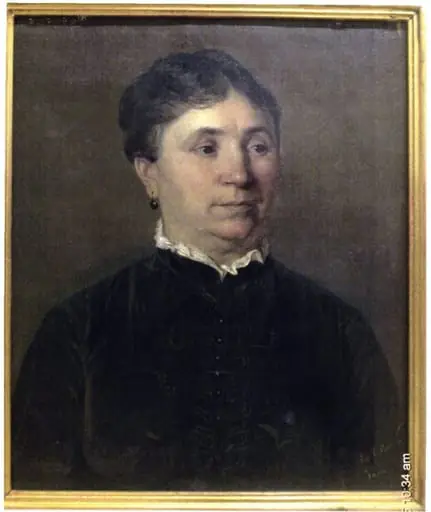
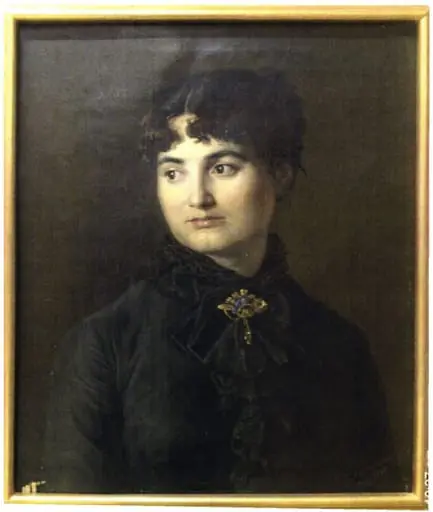
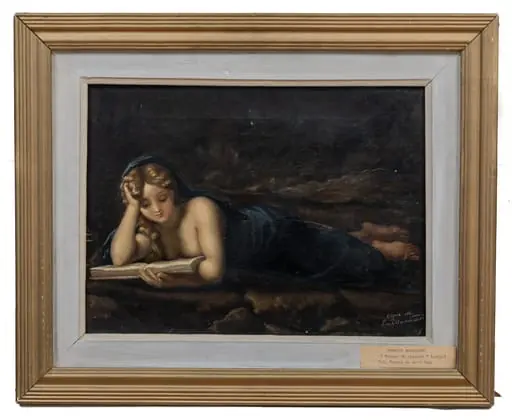
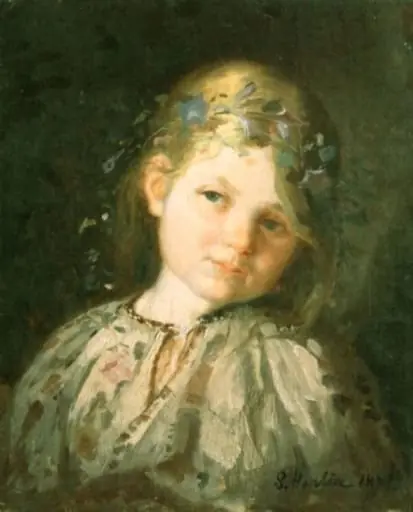
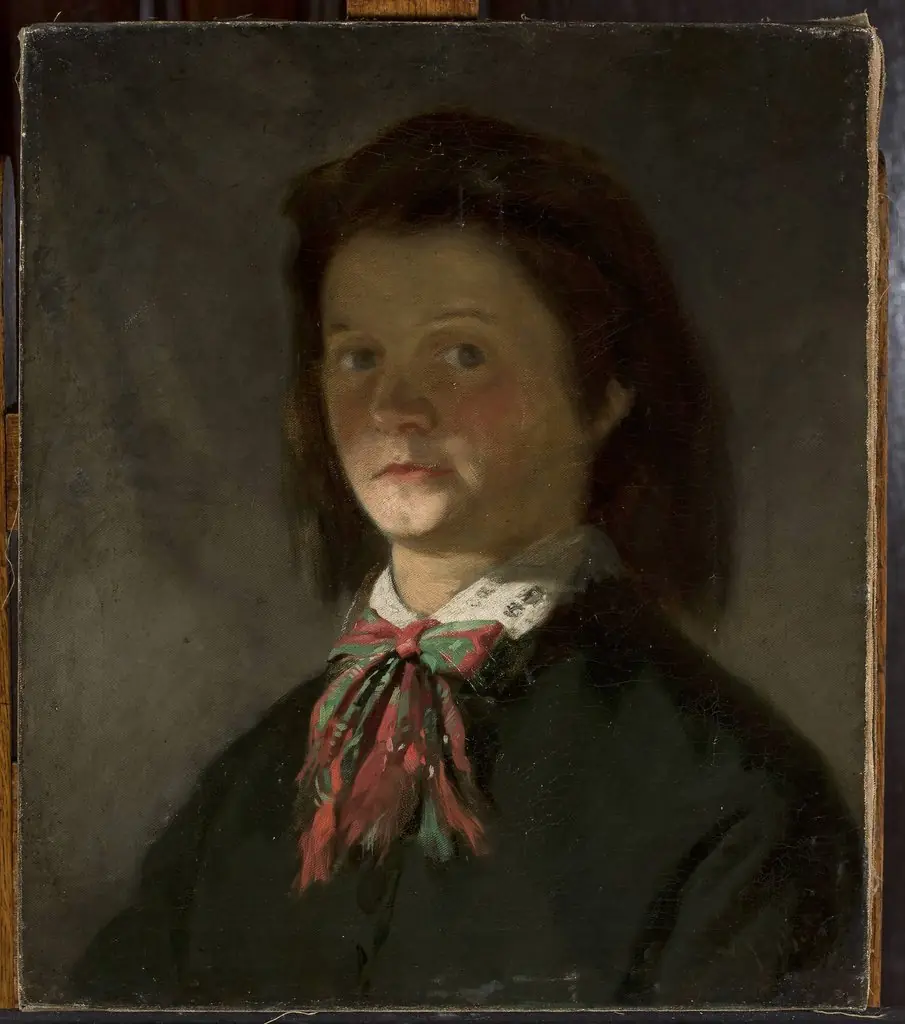
Portret de fetiță is an unspecified painting by the Impressionist artist Emanoil Bardasare-Panaiteanu. It dates from 1874 and is held in the collection of the Moldova National Museum Complex.
About this work
Overview
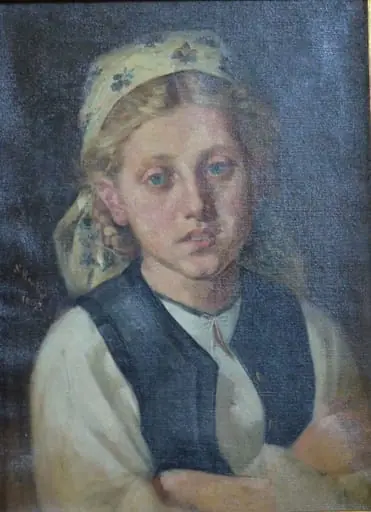
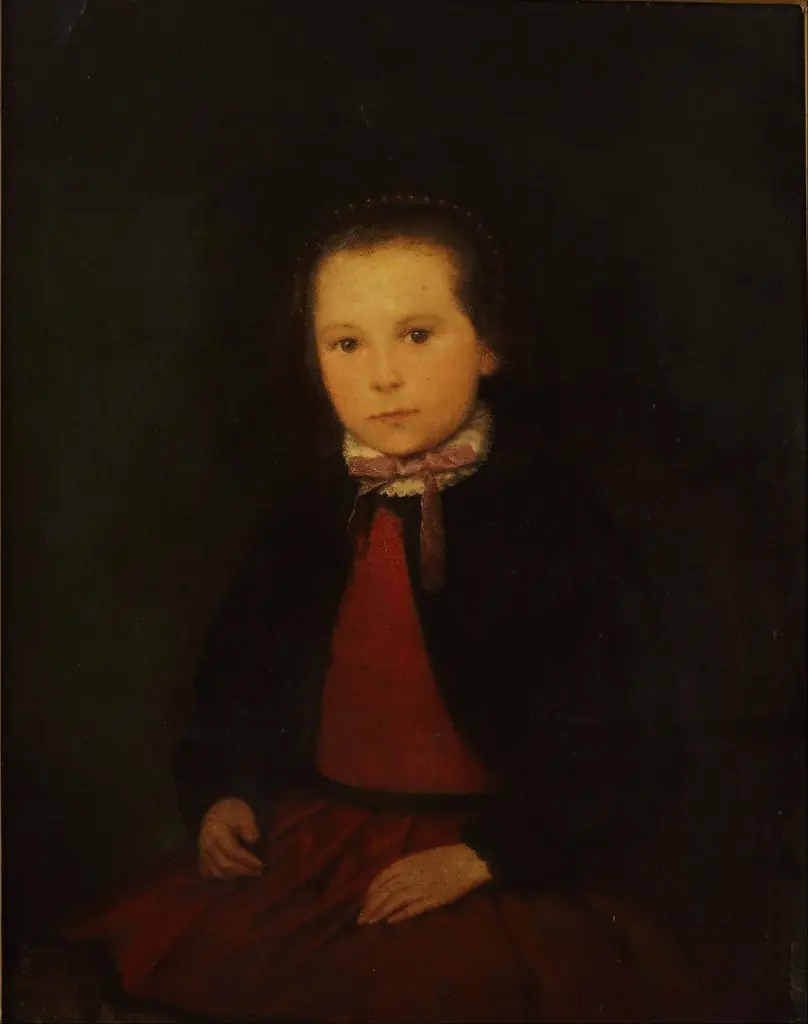
Painted in 1874 by Emanoil Bardasare-Panaiteanu, this portrait depicts a young girl in a quiet, intimate moment. The composition focuses tightly on her upper body, with a dark, undefined background that isolates her figure. The work reflects 19th-century Romanian portraiture, emphasizing naturalism and subtle emotional presence over elaborate setting or symbolism.
Subject & Meaning
The subject is a child, her gaze direct but unassuming, suggesting a moment of stillness rather than performance. Her simple attire and unadorned hair imply modesty and everyday life. The painting conveys no overt narrative, instead inviting contemplation of childhood’s quiet dignity. The absence of props or context grounds the image in personal, rather than social, observation.
Technique & Style
The dress features muted greens with warm red and orange accents on the sleeves, subtly differentiated through tonal shifts rather than sharp outlines.
Bardasare-Panaiteanu employed smooth, blended brushwork to render the girl’s skin with a soft, lifelike quality. The dress features muted greens with warm red and orange accents on the sleeves, subtly differentiated through tonal shifts rather than sharp outlines. While the background is dark and flat, the fabric shows slight textural variation, though not through impasto—brushstrokes remain controlled and even.
History & Provenance
Created in 1874, the painting remains within Romanian public collections, though its exact provenance after its completion is not fully documented. It was likely produced during a period when Romanian artists were increasingly turning to domestic subjects, moving away from historical or mythological themes toward intimate, realist portrayals of everyday life.
Context
In the 1870s, Romanian art was shaped by academic training and a growing interest in national identity. Portraits of children, especially from middle-class families, became more common as artists sought to capture authentic local life. This work aligns with that trend, reflecting a shift toward personal, non-idealized representation within a broader European realist movement.
Legacy
Though not widely exhibited internationally, the portrait is recognized in Romanian art history as an example of early realist portraiture. It contributes to the understanding of how domestic subjects were treated with sensitivity during a formative period in the nation’s artistic development. Its quiet composition continues to be studied for its restrained emotional tone and technical discipline.
Artist & collection
Artist
Born in a generation when Romanian painters put paint on canvas instead of icons, Emanoil Bardasare-Panaiteanu made small, direct portraits in oil.