Artwork
The prodigal son
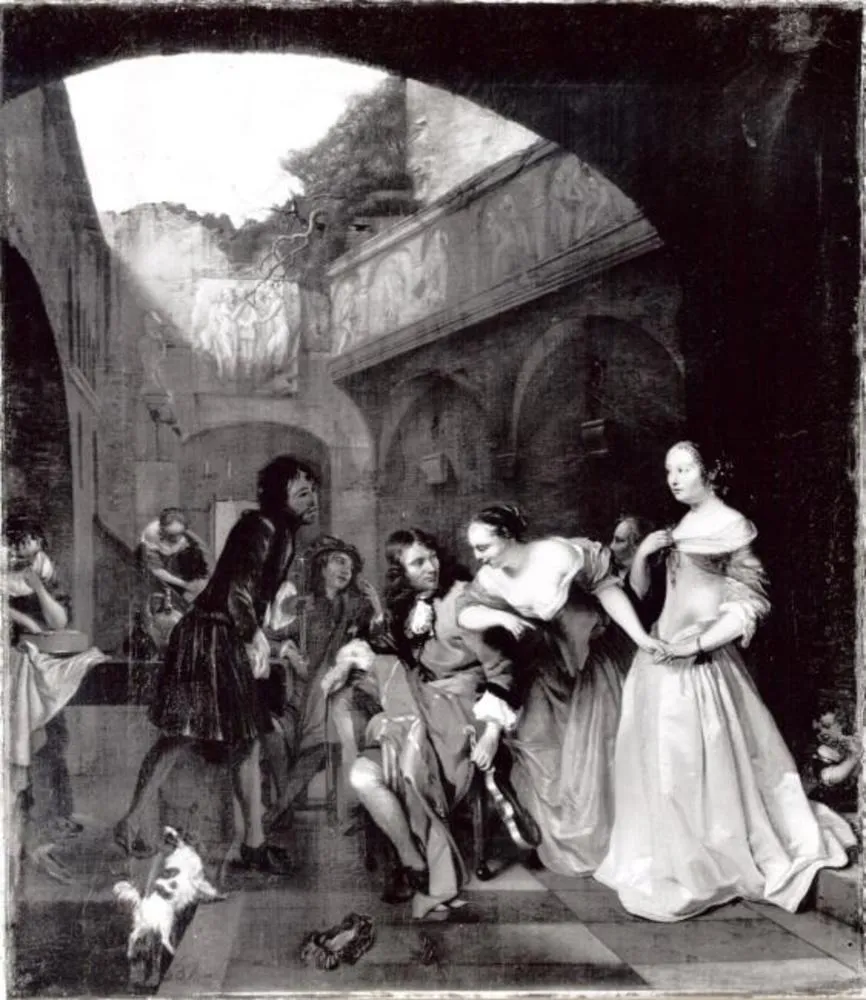
The prodigal son is an oil painting by the Dutch Golden Age artist Barend Graat. It dates from 1652 and is held in the collection of the Rijksmuseum.
About this work
Overview
Barend Graat’s 1652 oil painting, titled *The Prodigal Son*, presents a crowded interior scene rendered in the subdued palette typical of the Dutch Golden Age.
Barend Graat’s 1652 oil painting, titled *The Prodigal Son*, presents a crowded interior scene rendered in the subdued palette typical of the Dutch Golden Age. The composition is anchored by a dramatic encounter between a woman in a flowing dress and a resistant male figure, while surrounding characters react with shock, resignation, or indifference. A small dog rests on the floor, and a dimly lit window frames an empty, brightly lit space beyond the walls.
Subject & Meaning
The work visualises the biblical parable of the prodigal son, focusing on the moment of confrontation rather than the story’s resolution. The woman’s forceful gesture and the man’s hesitant retreat suggest themes of repentance, familial tension, and the struggle for forgiveness. Peripheral figures—one seated, others gasping—amplify the emotional stakes, inviting viewers to contemplate the moral complexities of return and reconciliation.
Technique & Style
Executed in oil on canvas, Graat employs a restrained chiaroscuro that accentuates the interior’s gloom while allowing the distant window to introduce a contrasting brightness. The brushwork is meticulous in rendering period costume details, yet looser in the surrounding crowd, creating a sense of controlled disorder. The palette of earth tones and muted blues aligns with mid‑17th‑century Dutch realism, emphasizing narrative over decorative flourish.
History & Provenance
Created during the height of the Dutch Golden Age, the painting entered the Rijksmuseum’s collection, where it remains on public display. Its acquisition history reflects the museum’s focus on preserving works that illustrate the era’s religious and genre painting traditions, and it has been cited in several catalogues of Dutch 17th‑century art.
Context
Graat, known both as a painter and a printmaker, often explored biblical and moral subjects, aligning his practice with contemporary tastes for didactic imagery. The depiction of a domestic interior populated by figures in contemporary dress mirrors the period’s interest in embedding timeless stories within recognizable, everyday settings, thereby making the moral lesson accessible to a 17th‑century audience.
Artist & collection
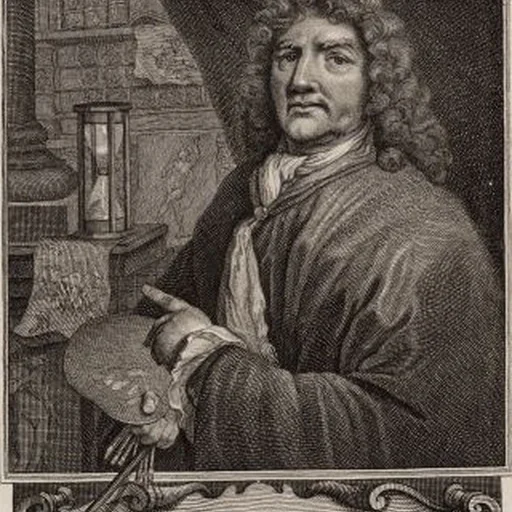
Artist
Barend Graat (21 September 1628, Amsterdam – 4 November 1709, Amsterdam), was a Dutch painter of history- and altarpieces, landscapes and portraits in the Golden Age. He is also known as a printmaker and draughtsman.
