Artwork
Mary Stuart, Princess of Orange, as Widow of William II
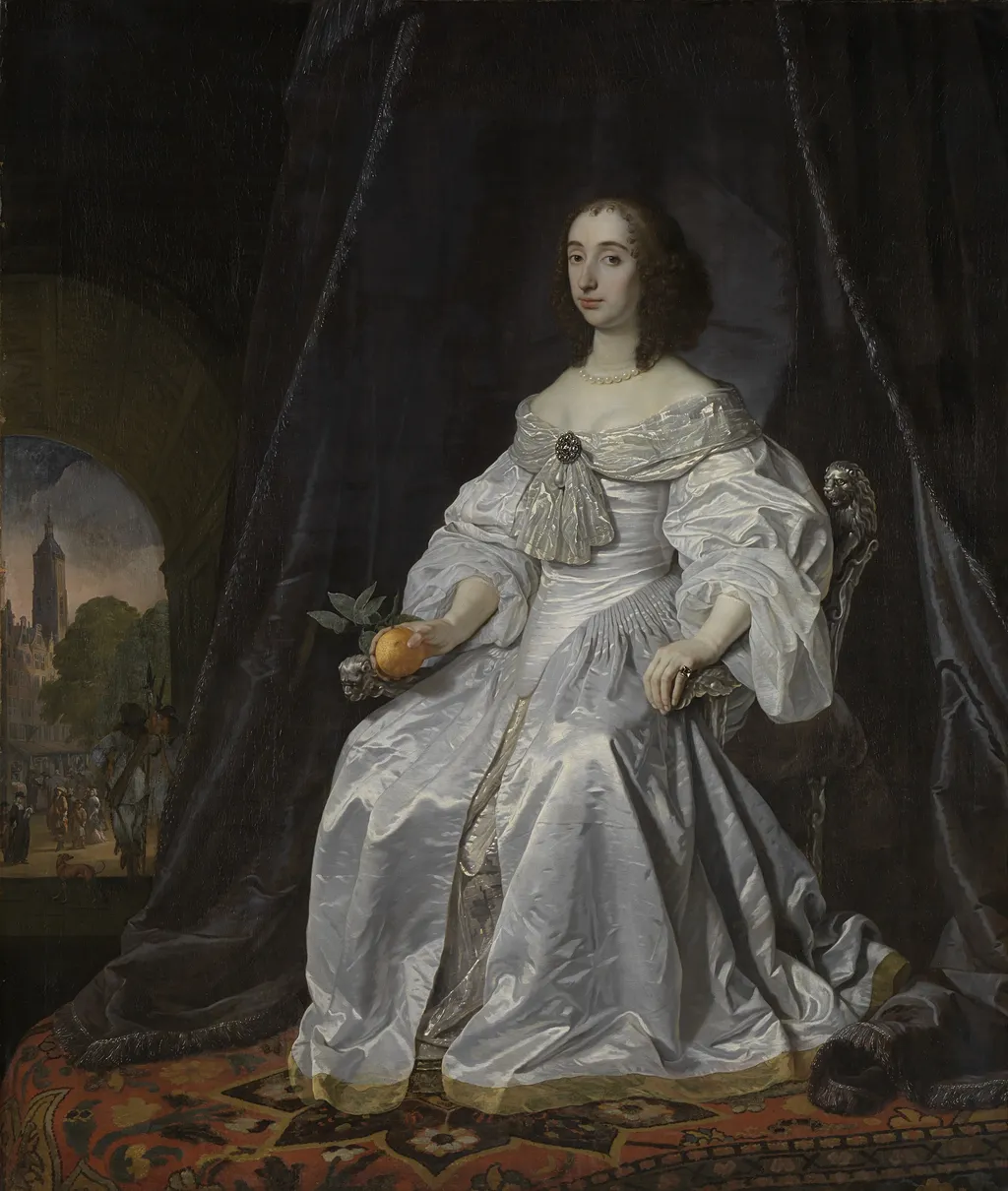
Mary Stuart, Princess of Orange, as Widow of William II is an oil painting by the Dutch Golden Age artist Bartholomeus van der Helst. It dates from 1652 and is held in the collection of the Rijksmuseum.
About this work
Overview
Bartholomeus van der Helst’s 1652 oil on canvas presents Mary Henrietta, Princess Royal, in the solemn role of William II’s widow. Executed during the height of the Dutch Golden Age, the work exemplifies the period’s refined portraiture and now belongs to the collection of the Rijksmuseum in Amsterdam.
Subject & Meaning
The sitter is shown seated, dressed in a voluminous white gown with pronounced ruffles at the neck and wrists, holding a small orange and a fan. The orange alludes to her title as Princess of Orange, while the dignified pose and subdued expression convey both her noble status and her bereavement.
Technique & Style
Van der Helst renders the fabric with meticulous attention to light, creating a tactile sense of depth through subtle chiaroscuro. The dark curtain behind her frames a distant urban scene, and a shadowed lion’s head emerges on the right, adding symbolic resonance without detracting from the sitter’s presence.
History & Provenance
Commissioned shortly after Mary’s widowhood, the portrait entered the Dutch elite’s visual culture and was later acquired by the Rijksmuseum, where it has been displayed as a representative example of mid‑17th‑century court portraiture.
Context
The painting reflects the broader trends of the Dutch Golden Age, when portraitists catered to aristocratic patrons and employed refined lighting effects to convey status. Van der Helst, a favored artist of Amsterdam’s upper class and the stadtholder’s circle, used this commission to reinforce the political ties between the English and Dutch royal houses.
Own this work as a print
Artist & collection
Artist
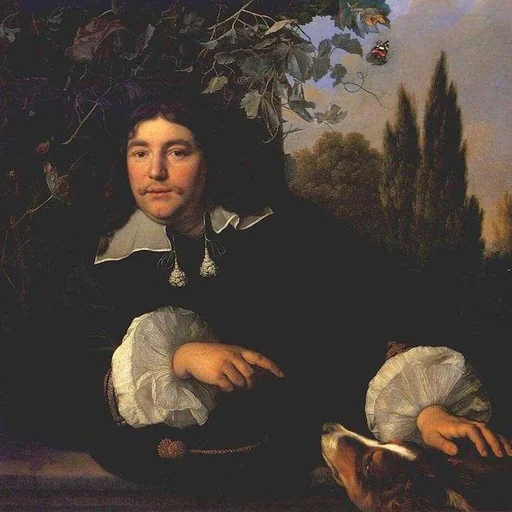
Bartholomeus van der Helst (1613 – buried 16 December 1670) was a Dutch painter. Considered to be one of the leading portrait painters of the Dutch Golden Age, his elegant portraits gained him the patronage of…

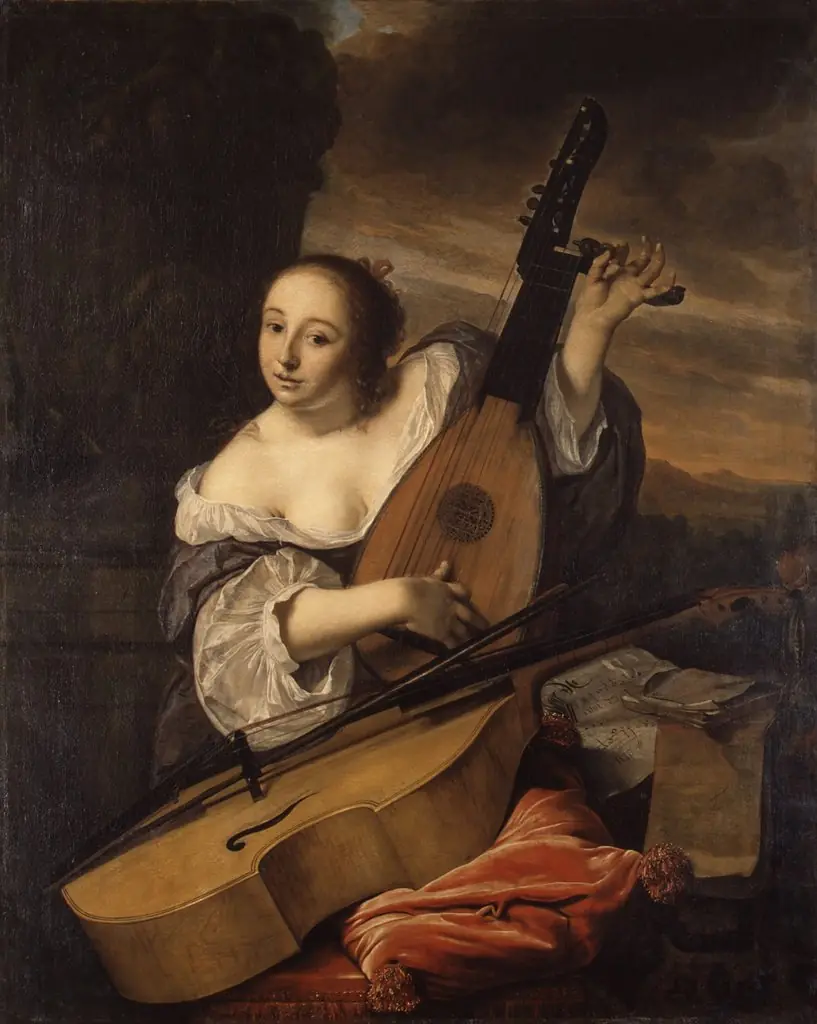 The Musician
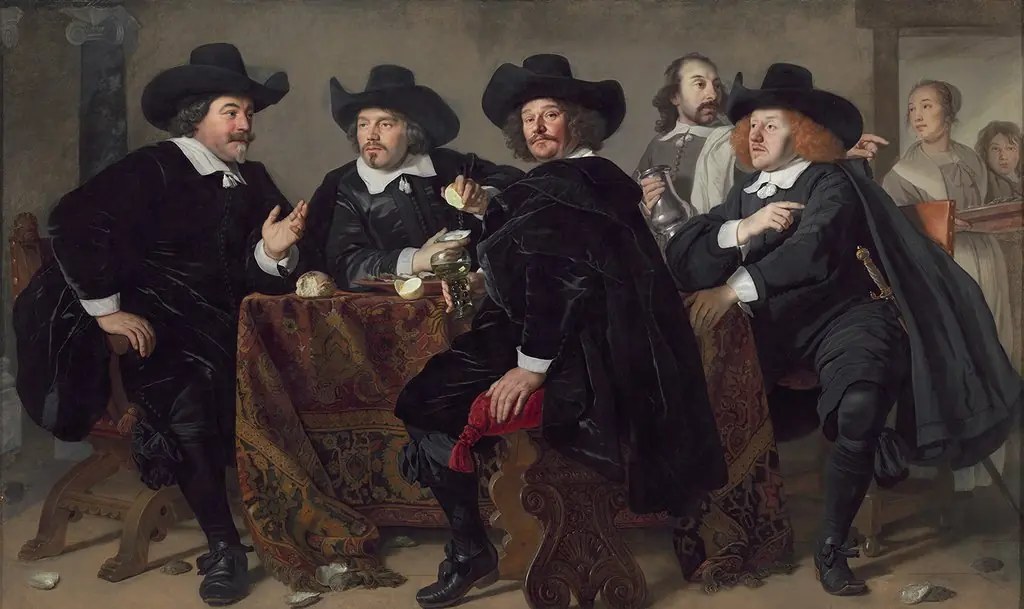 Four directors of the arquebusier's guild, Amsterdam, 1655
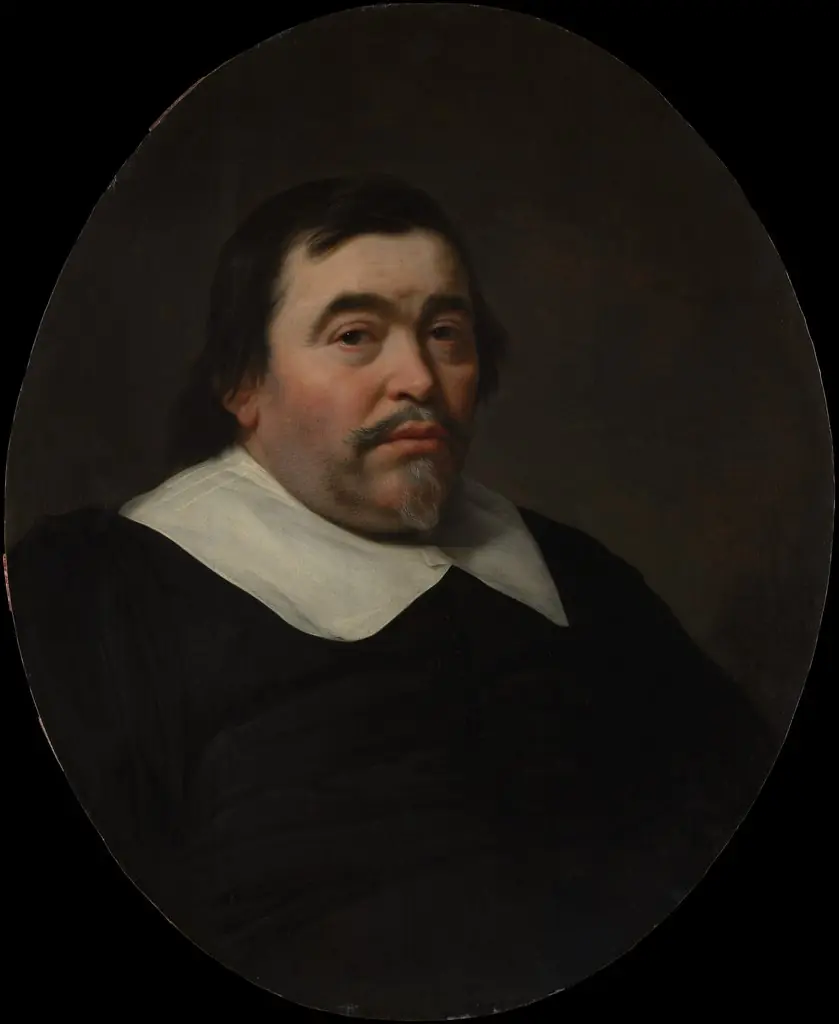 Portrait of a Man
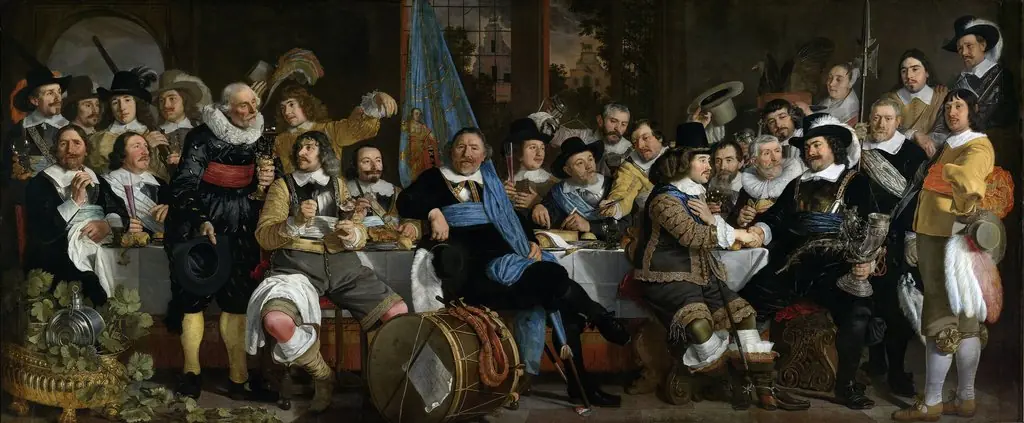 Banquet at the Crossbowmen’s Guild in Celebration of the Treaty of Münster
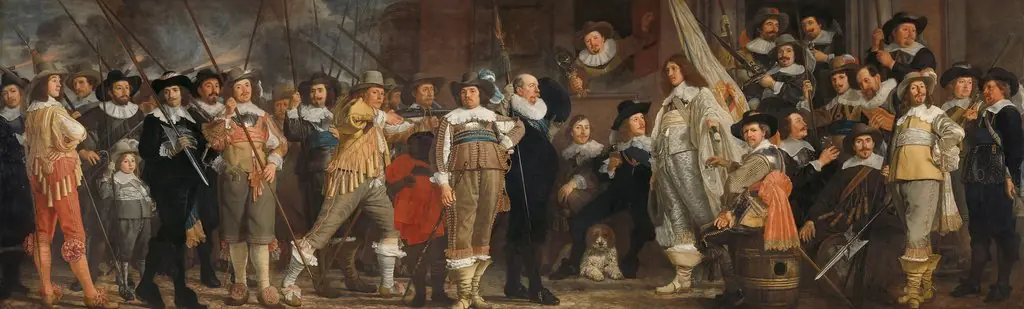 Militia Company of District VIII under the Command of Captain Roelof Bicker
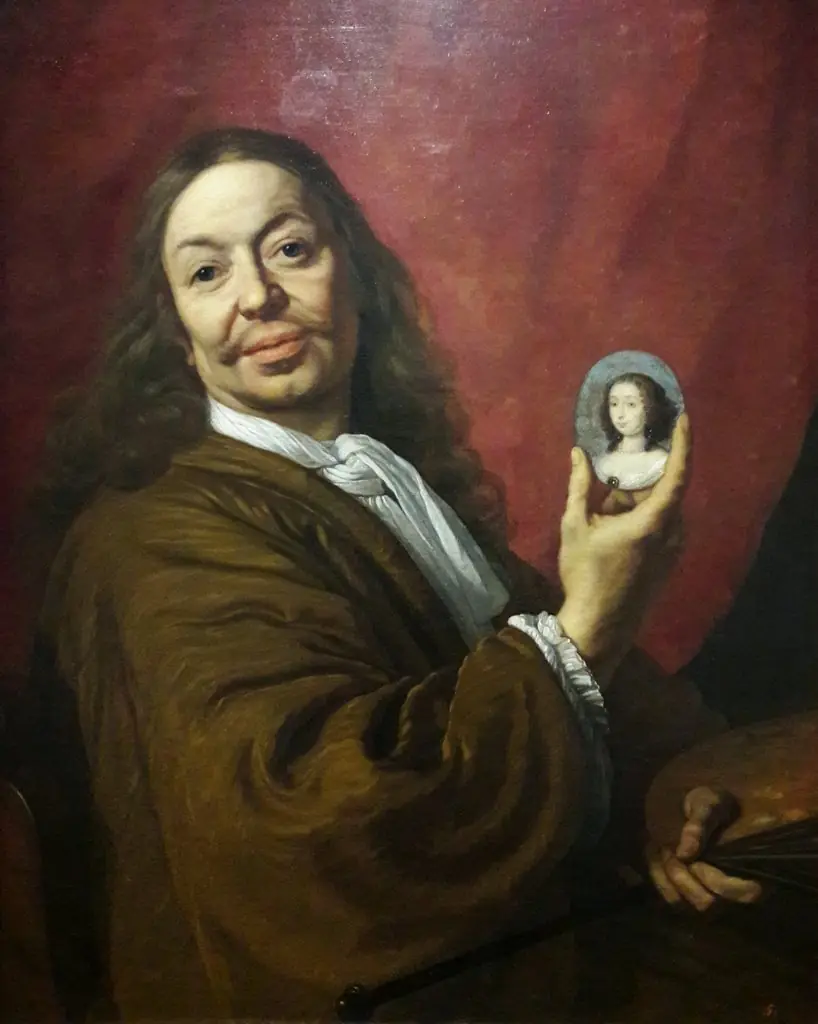 Self-portrait
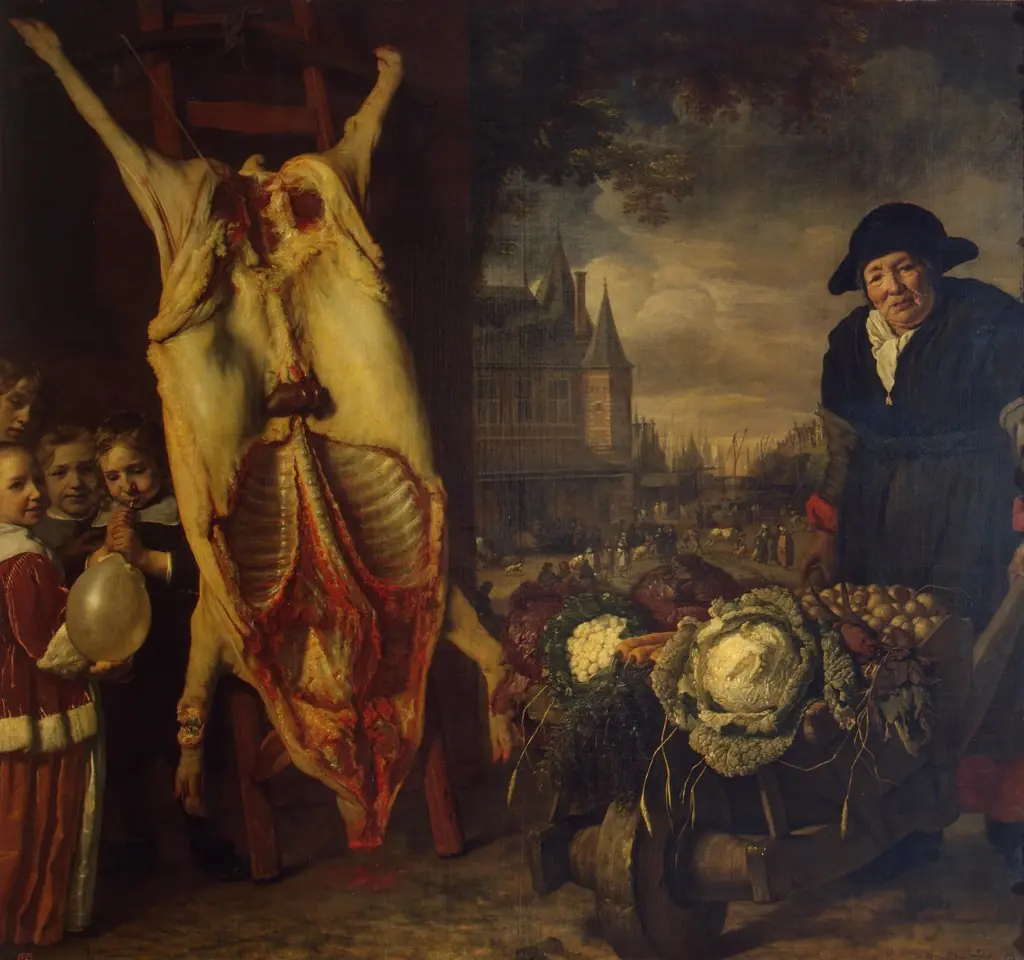 Nieuwmarkt in Amsterdam
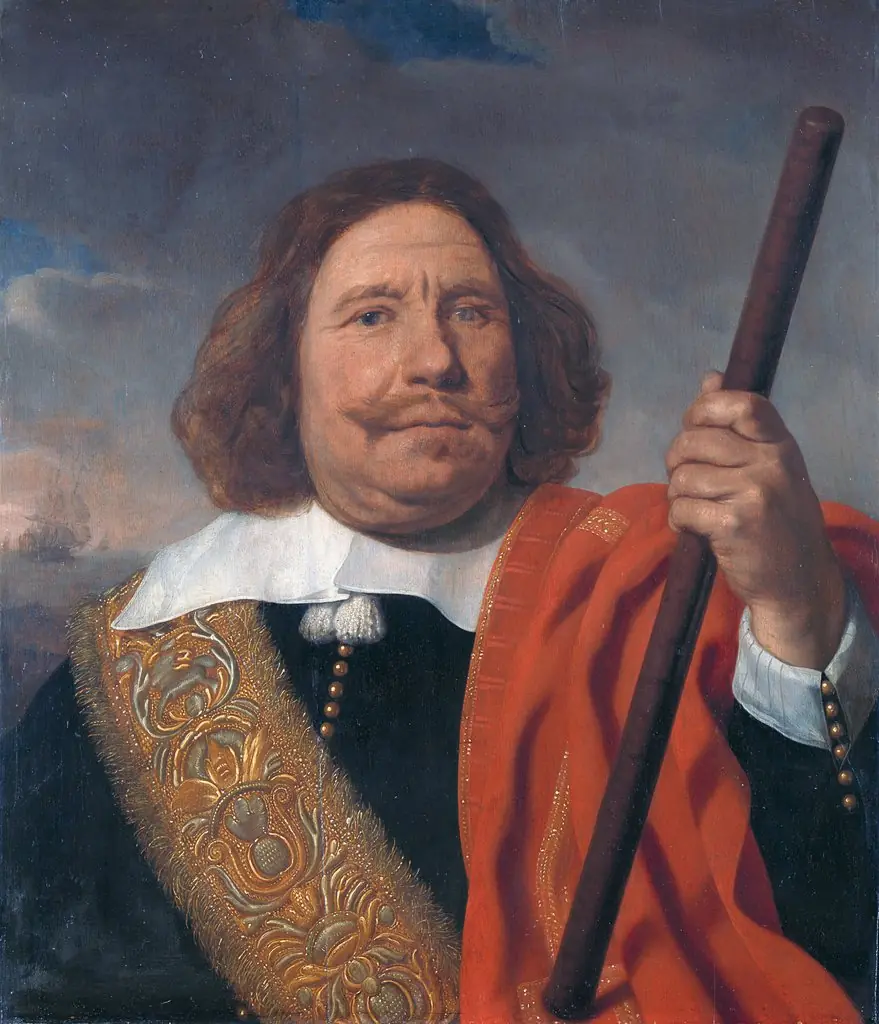 Egbert Meeuwsz Cortenaer (1605-65). Vice admiral, admiralty of the Maas, Rotterdam