Artwork
Portrait of a Lady
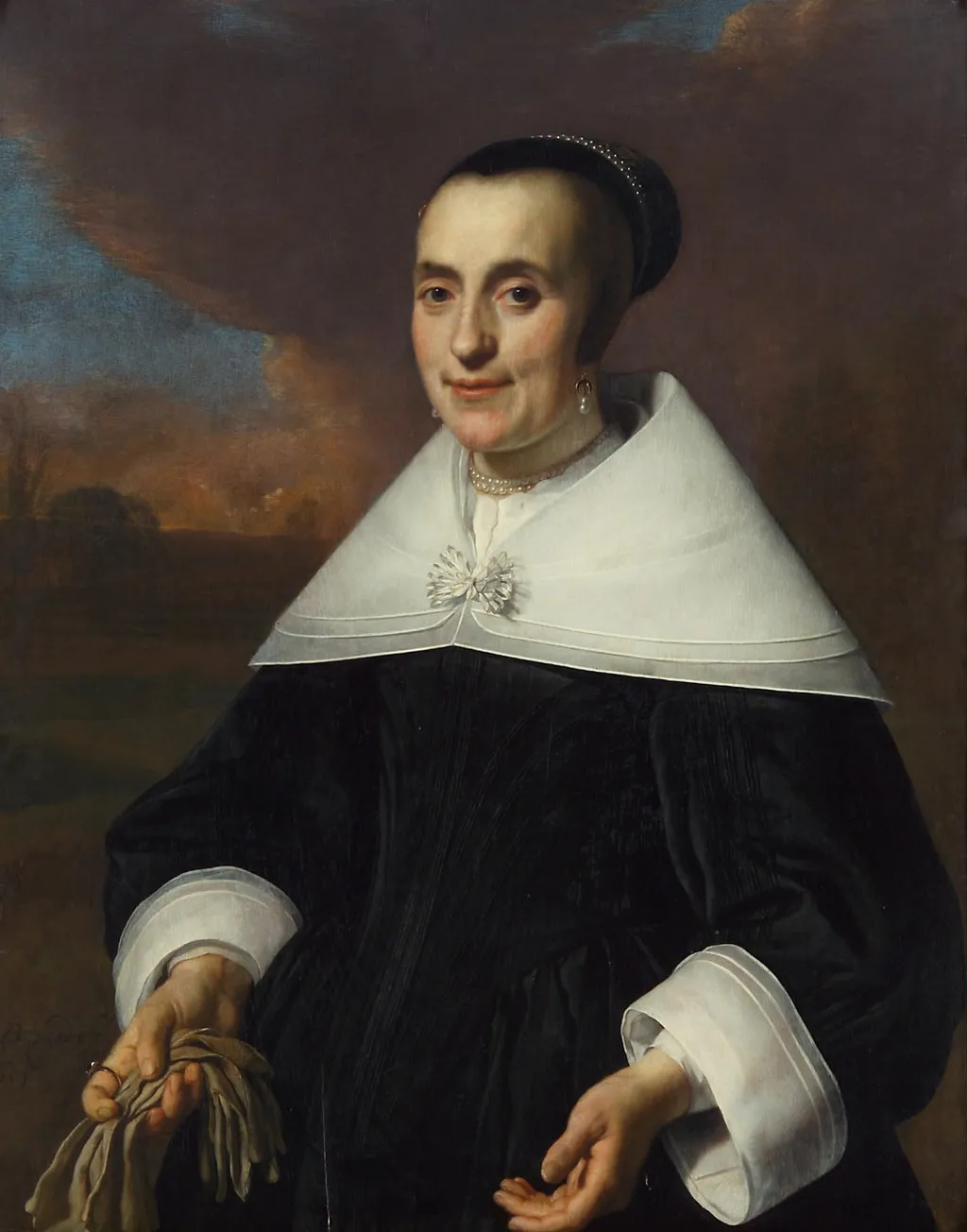
Portrait of a Lady is an oil painting by the Dutch Golden Age artist Bartholomeus van der Helst. It dates from 1651 and is held in the collection of the Kunsthistorisches Museum.
About this work
Overview
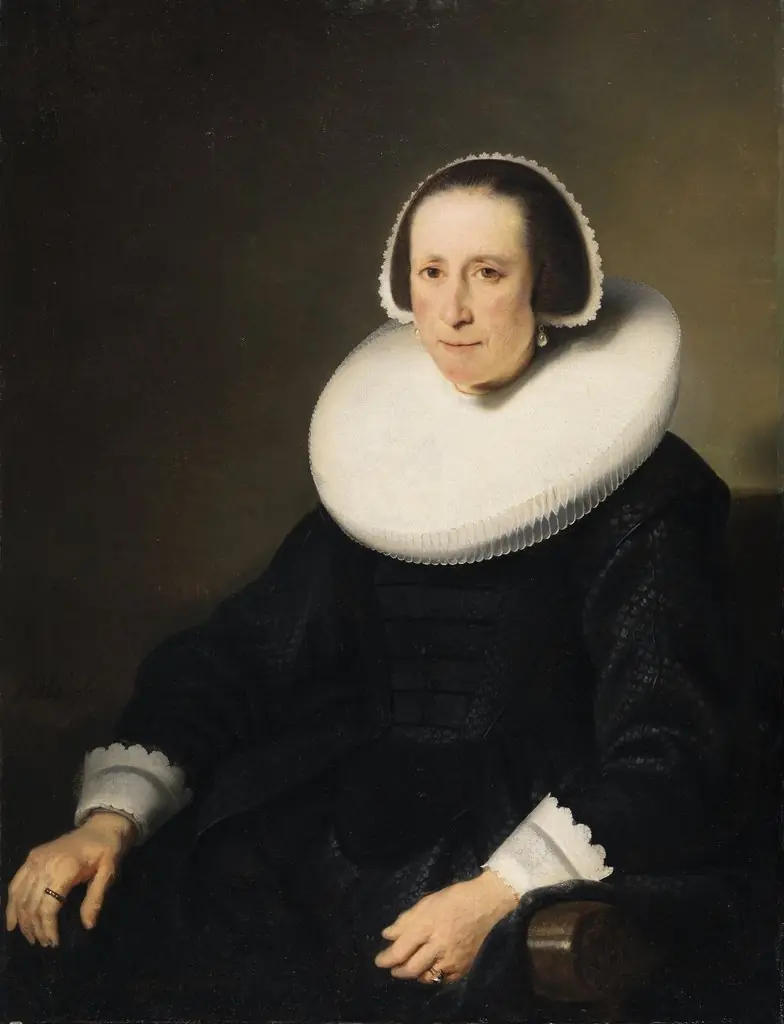
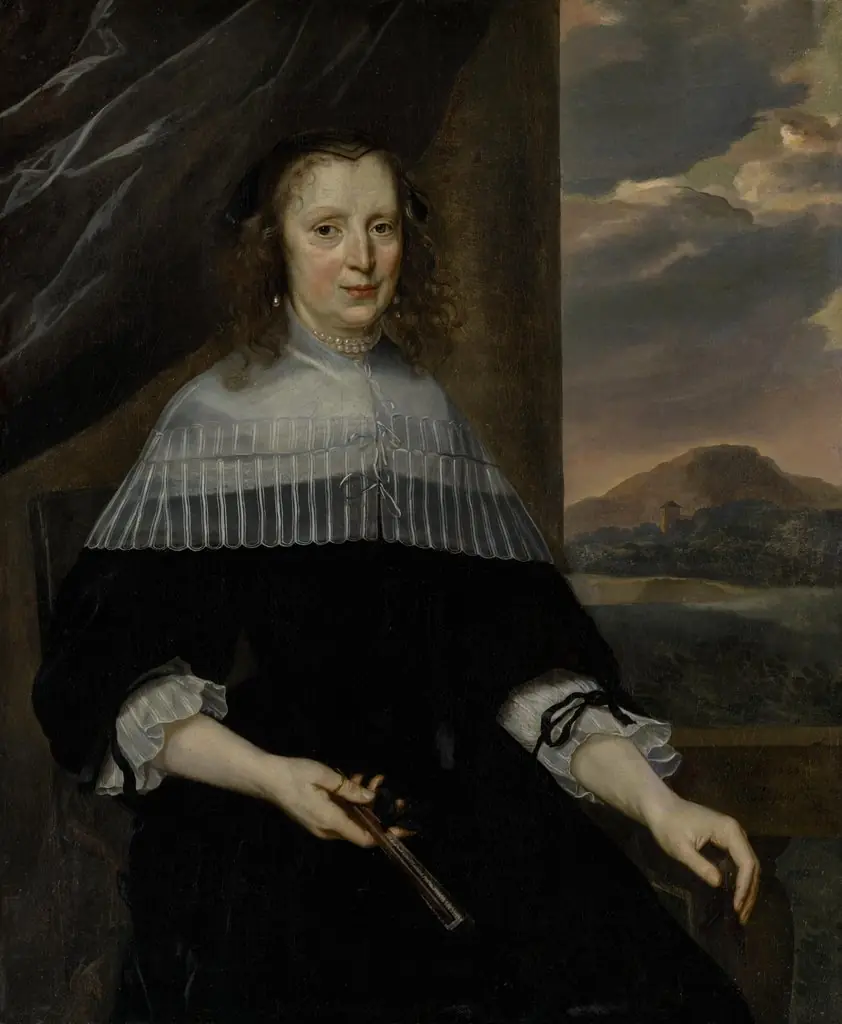
Bartholomeus van der Helst’s *Portrait of a Lady* (1651) is an oil on canvas that presents a seated woman against a muted, cloudy backdrop. The composition centers on the sitter, whose dark dress, white collar, and pearl jewelry signal her high social standing. She holds a glove in her right hand while her left palm is turned upward, creating a subtle gesture of presentation.
Subject & Meaning
The portrait depicts an affluent woman, likely a member of Amsterdam’s elite, indicated by her refined attire and accessories. The glove she grasps may allude to courtly customs of the period, symbolizing elegance or a forthcoming marriage. Her composed expression and poised hands convey the dignified self‑presentation expected of women in the Dutch upper class of the mid‑17th century.
Technique & Style
Van der Helst employs a pronounced chiaroscuro, contrasting the illuminated figure with the dark, atmospheric sky behind her. This treatment gives the flesh tones a luminous quality and adds three‑dimensional depth. The brushwork is meticulous in rendering the texture of silk, pearls, and the delicate folds of the dress, reflecting the artist’s reputation for precise, elegant portraiture.
History & Provenance
Created in 1651, the work reflects van der Helst’s peak period when he enjoyed commissions from civic officials and members of the Stadtholder’s circle. After remaining in private hands for several centuries, the painting entered the collection of the Kunsthistorisches Museum in Vienna, where it is currently displayed as part of the museum’s Dutch Golden Age holdings.
Context
Van der Helst, one of Amsterdam’s most sought‑after portraitists, catered to a clientele eager to display wealth and cultural refinement.
During the Dutch Golden Age, portraiture served both as a record of personal status and as a visual affirmation of civic pride. Van der Helst, one of Amsterdam’s most sought‑after portraitists, catered to a clientele eager to display wealth and cultural refinement. This painting exemplifies the era’s blend of realism and subtle idealisation, situating the sitter within a broader narrative of Dutch prosperity and artistic achievement.
Artist & collection
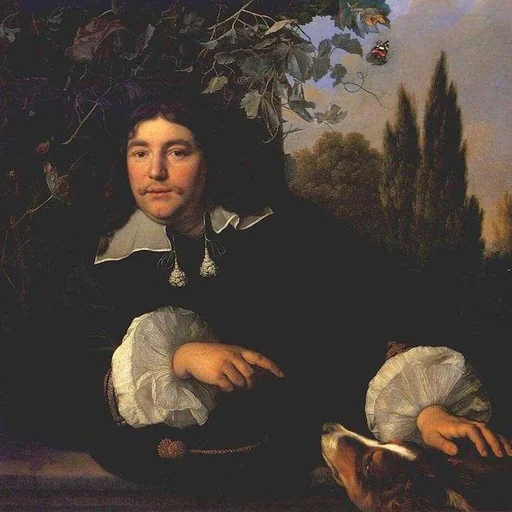
Artist
Bartholomeus van der Helst (1613 – buried 16 December 1670) was a Dutch painter. Considered to be one of the leading portrait painters of the Dutch Golden Age, his elegant portraits gained him the patronage of…

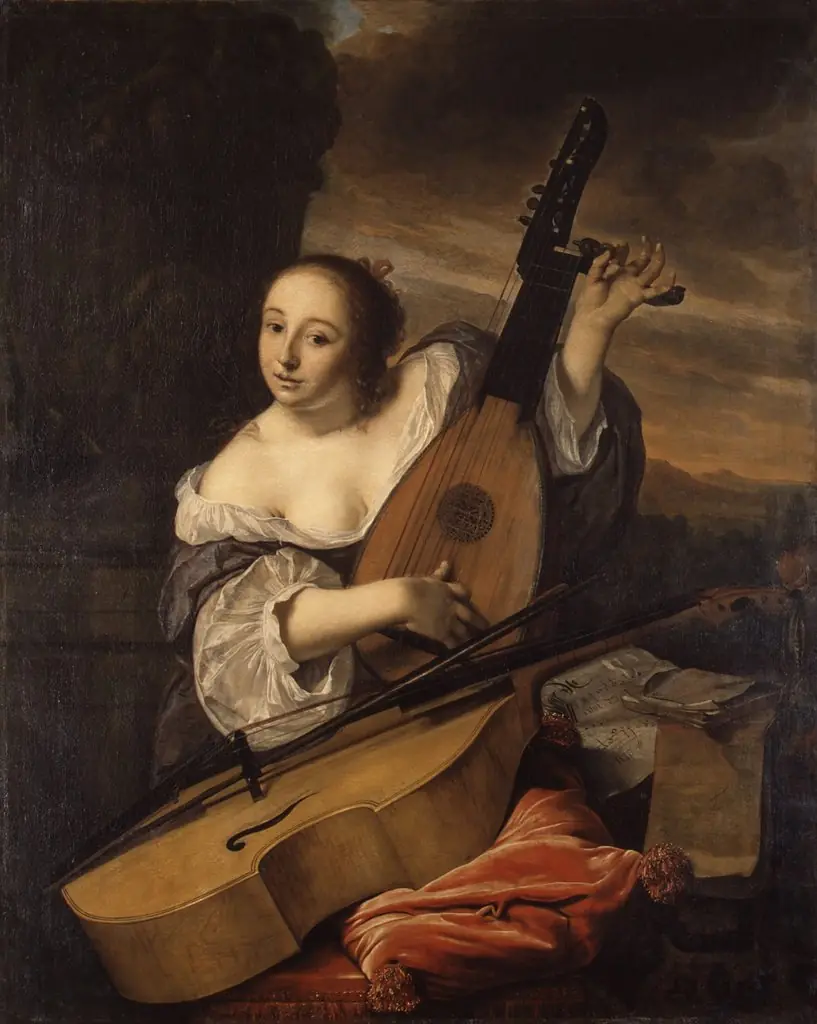 The Musician
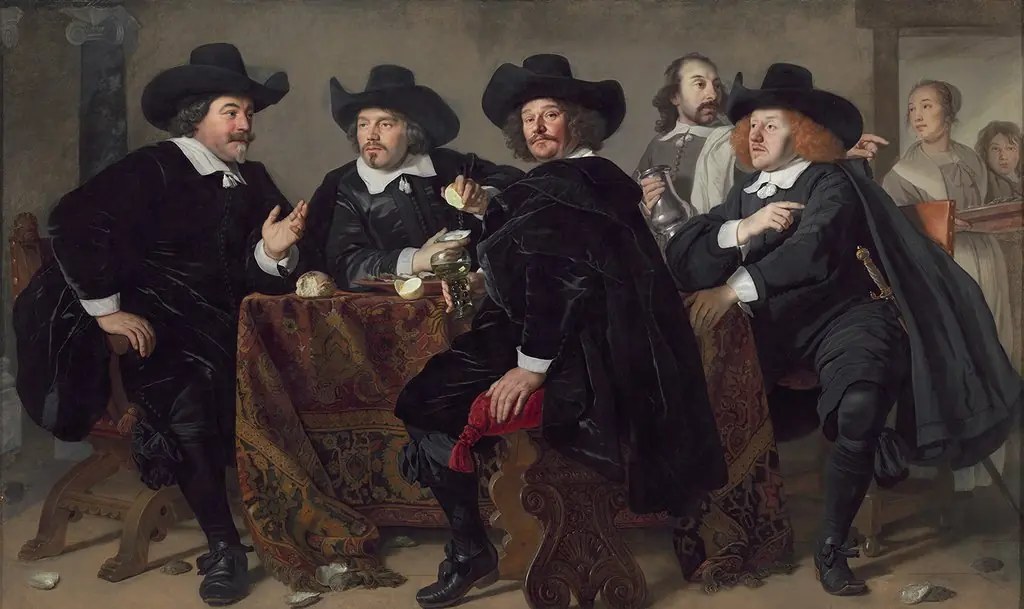 Four directors of the arquebusier's guild, Amsterdam, 1655
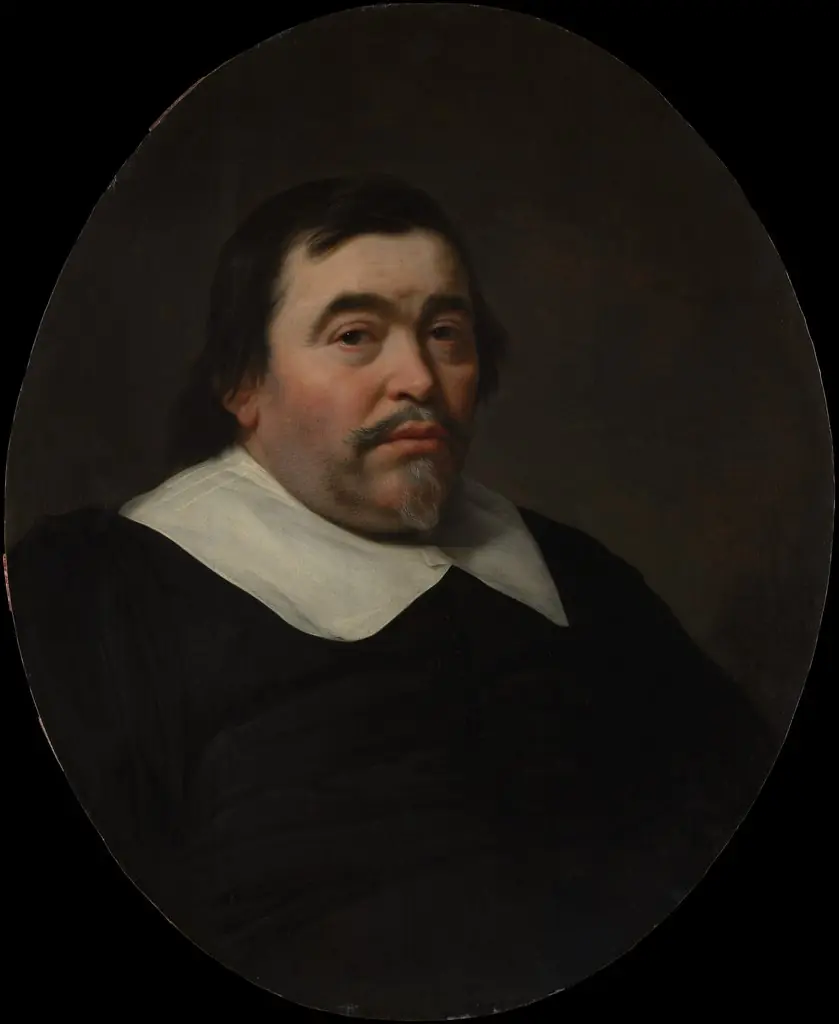 Portrait of a Man
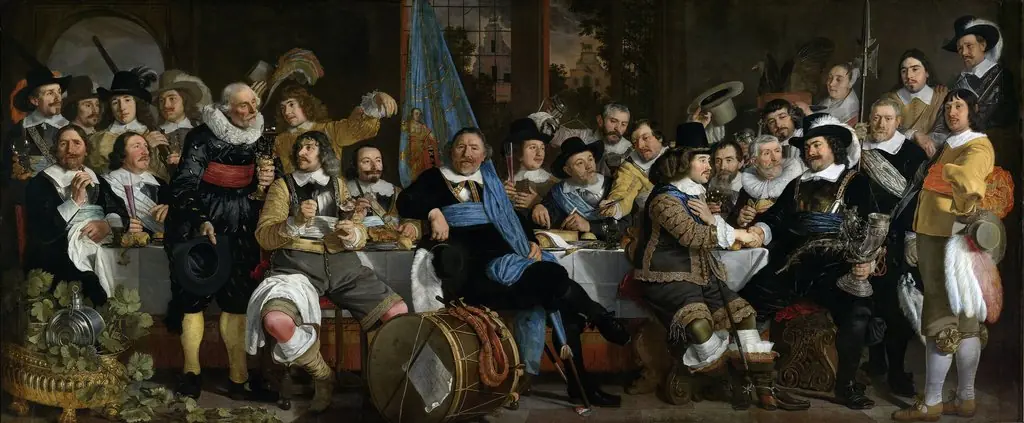 Banquet at the Crossbowmen’s Guild in Celebration of the Treaty of Münster
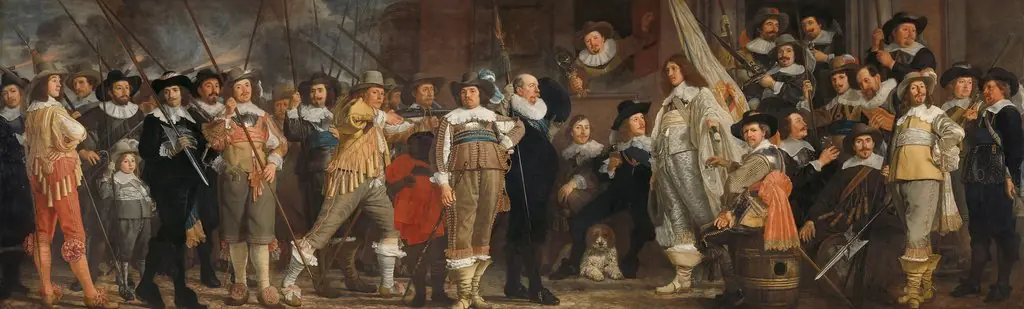 Militia Company of District VIII under the Command of Captain Roelof Bicker
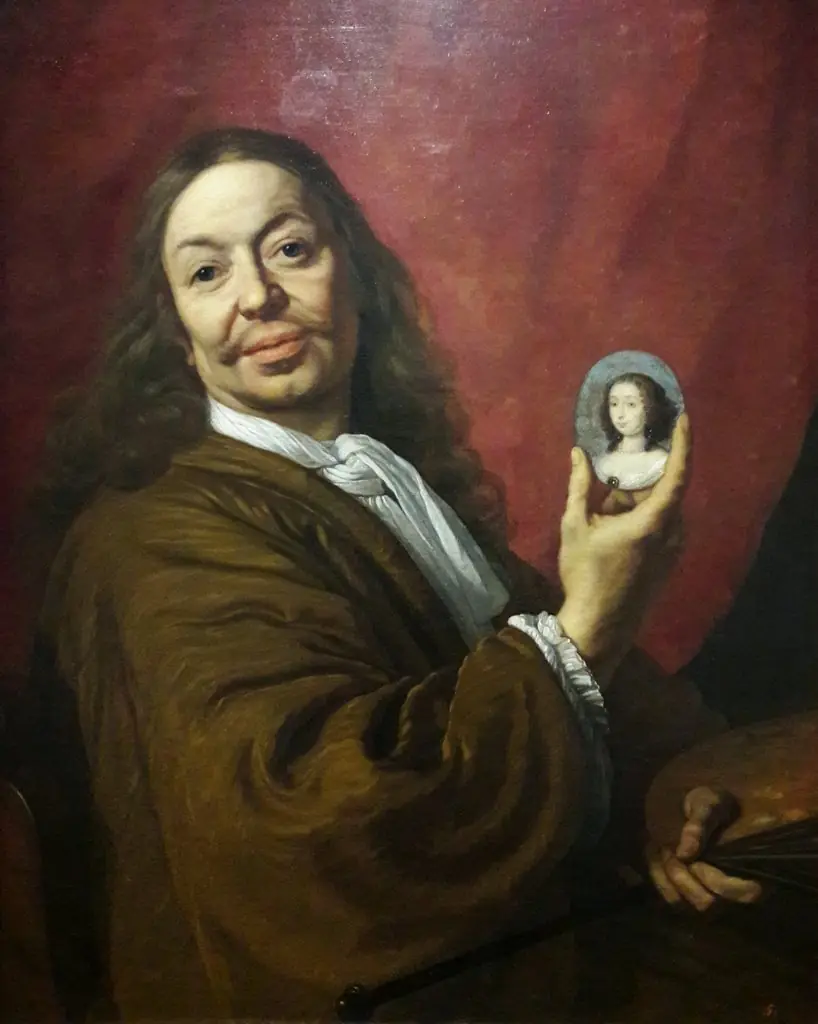 Self-portrait
 Nieuwmarkt in Amsterdam
 Egbert Meeuwsz Cortenaer (1605-65). Vice admiral, admiralty of the Maas, Rotterdam
 Retrato de mulher
 Portrait of Machtelt Bas (?-1681)
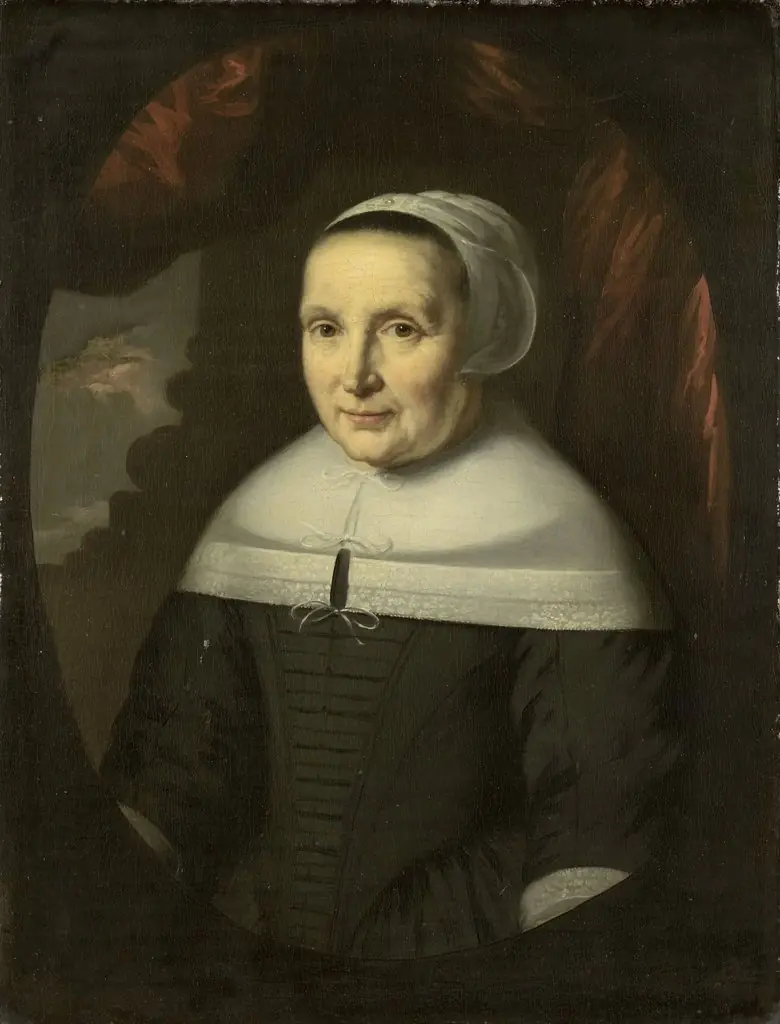 Portrait of Aeltje Denijs (b. 1598/99), wife of Hendrick Wijnands and mother of Dionijs Wijnands
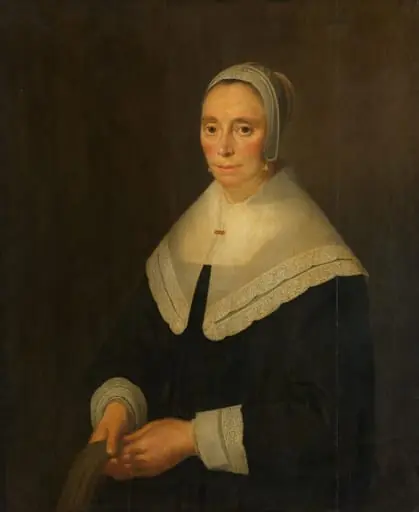 Portrait of a Woman
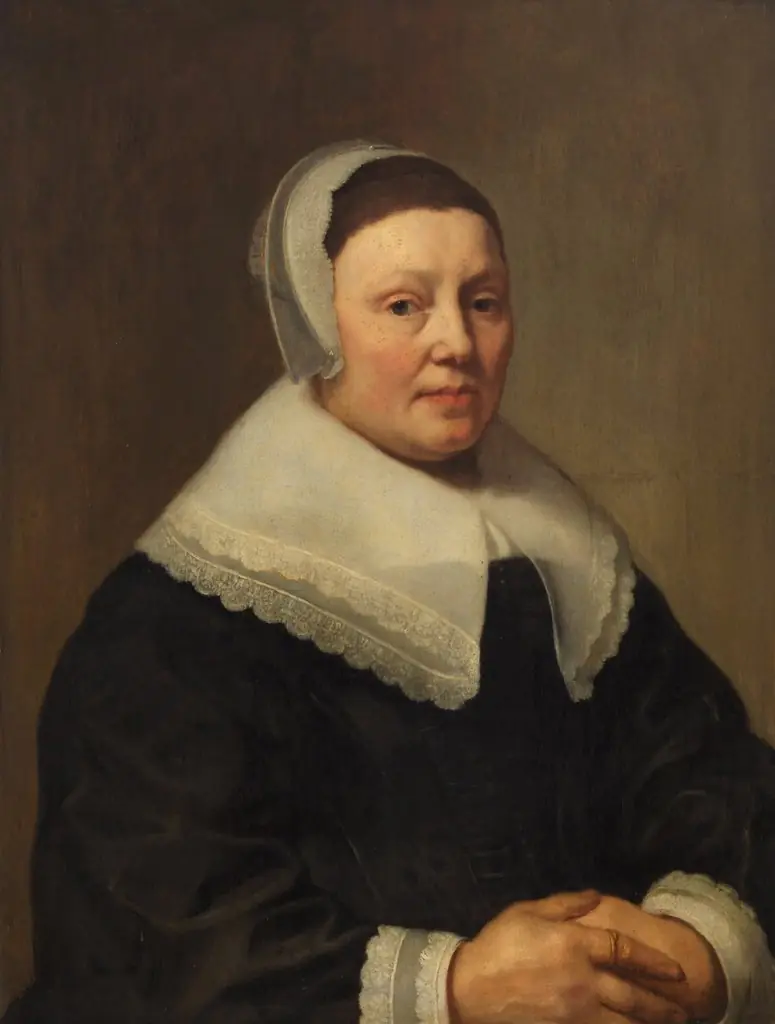 Portrait of a Lady
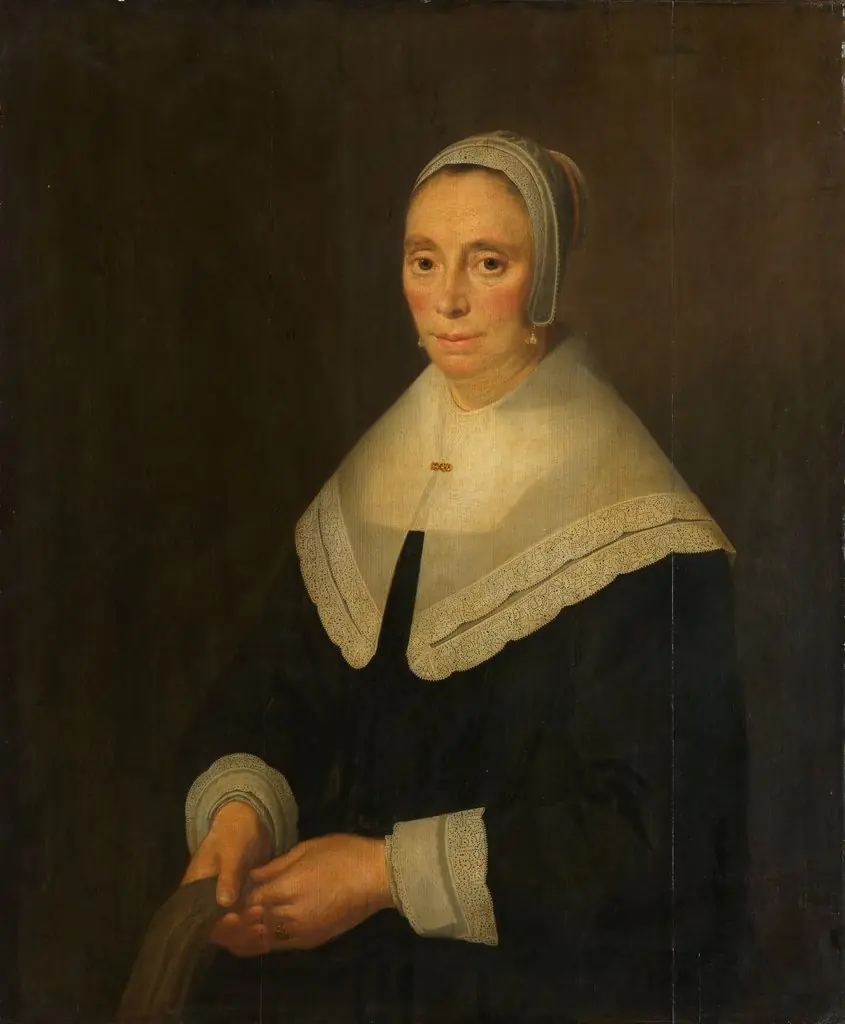 Portrait of a woman
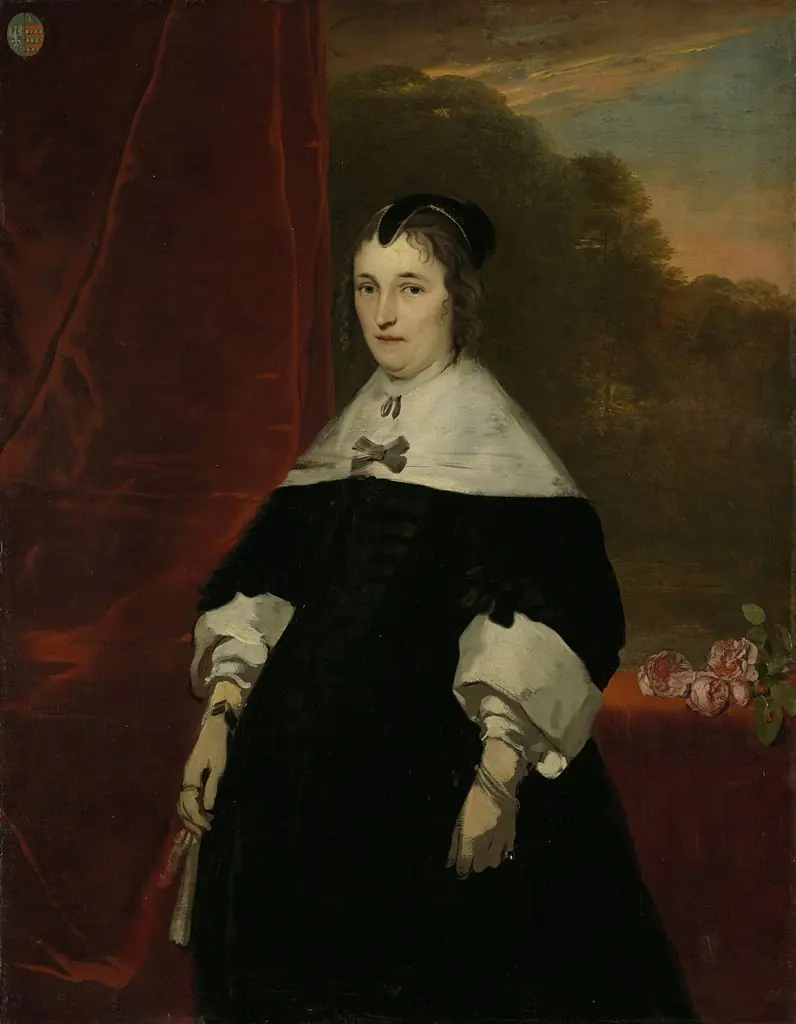 Machteld Bas (d 1681). Wife of Abraham de Visscher
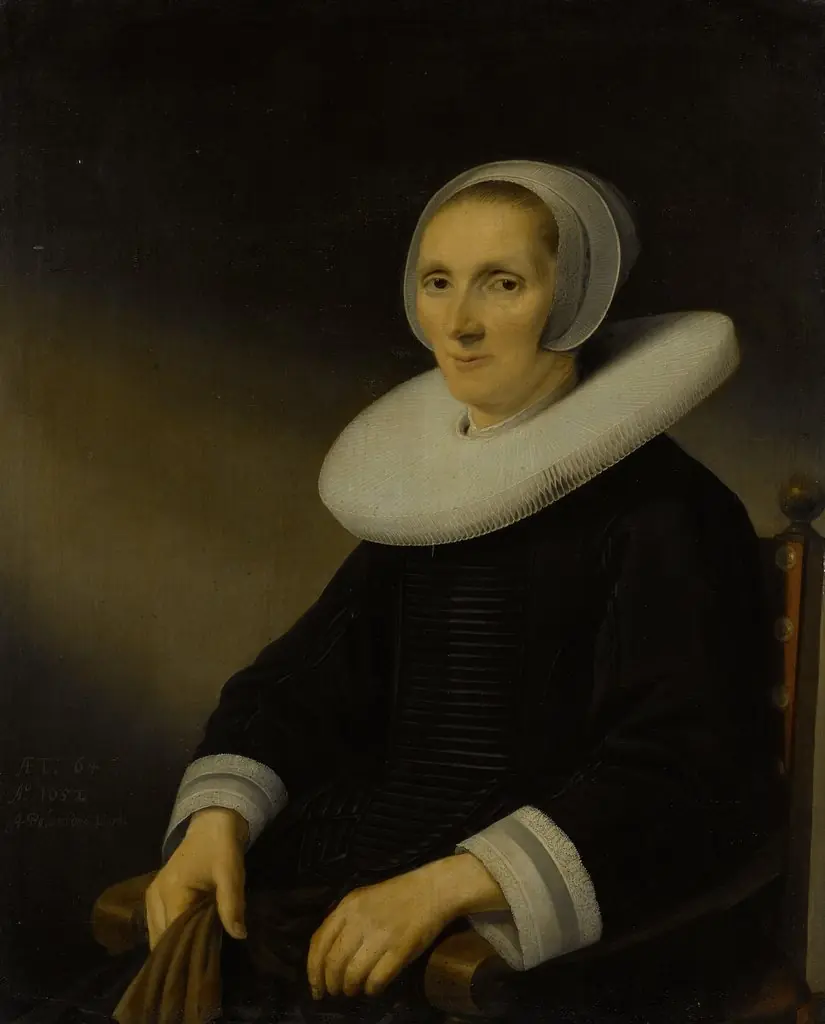 Portrait of a woman, probably Jacobmina de Grebber (? -1666)
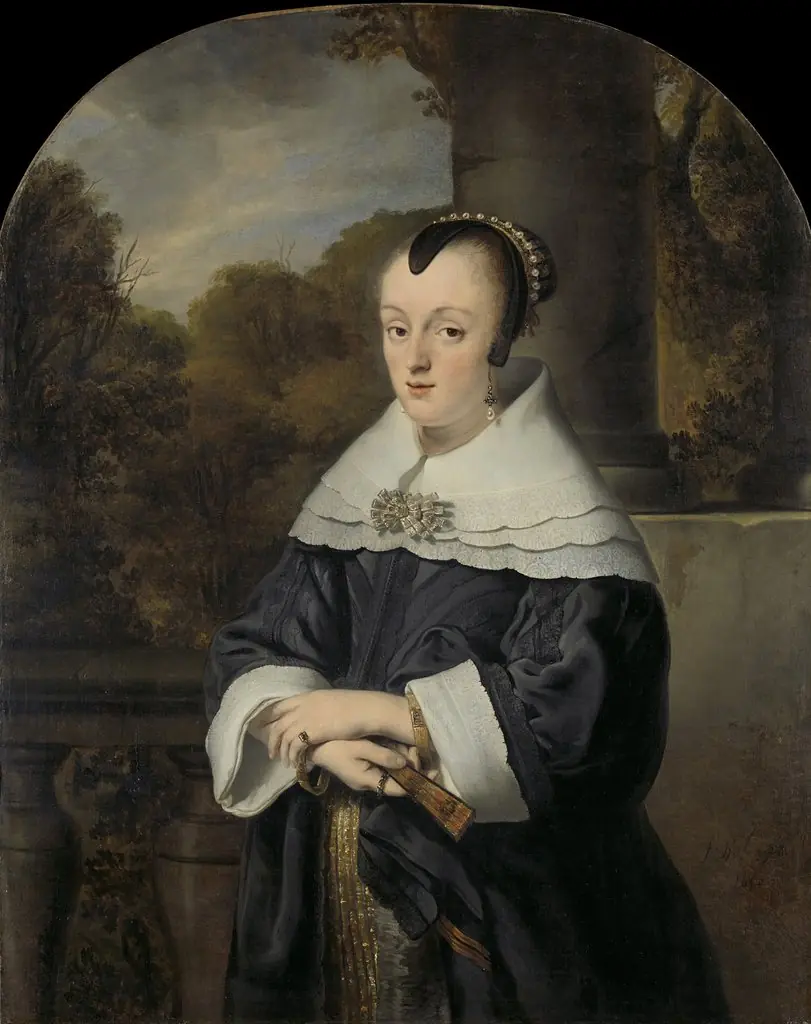 Portret van Maria Rey (1630/31-1703), wife of Roelof Meulenaer
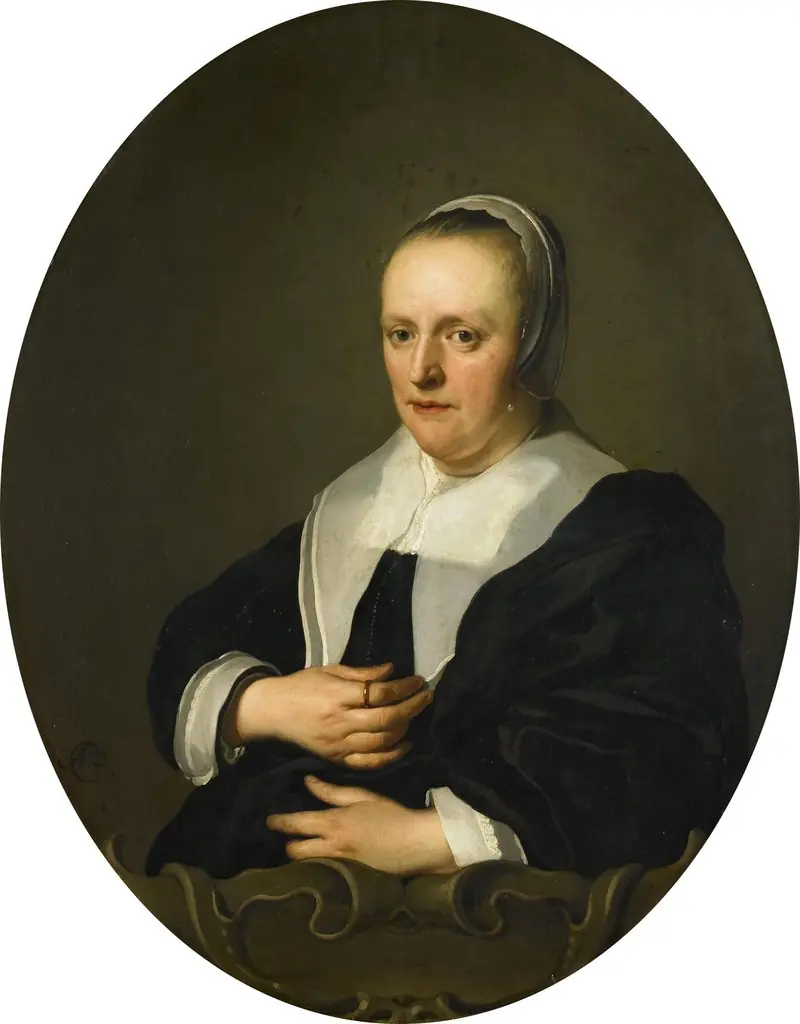 Sara de Bie. Jan Lutma's second wife (1638)
 Portrait of a Lady
 Bildnis einer Dame