Artwork
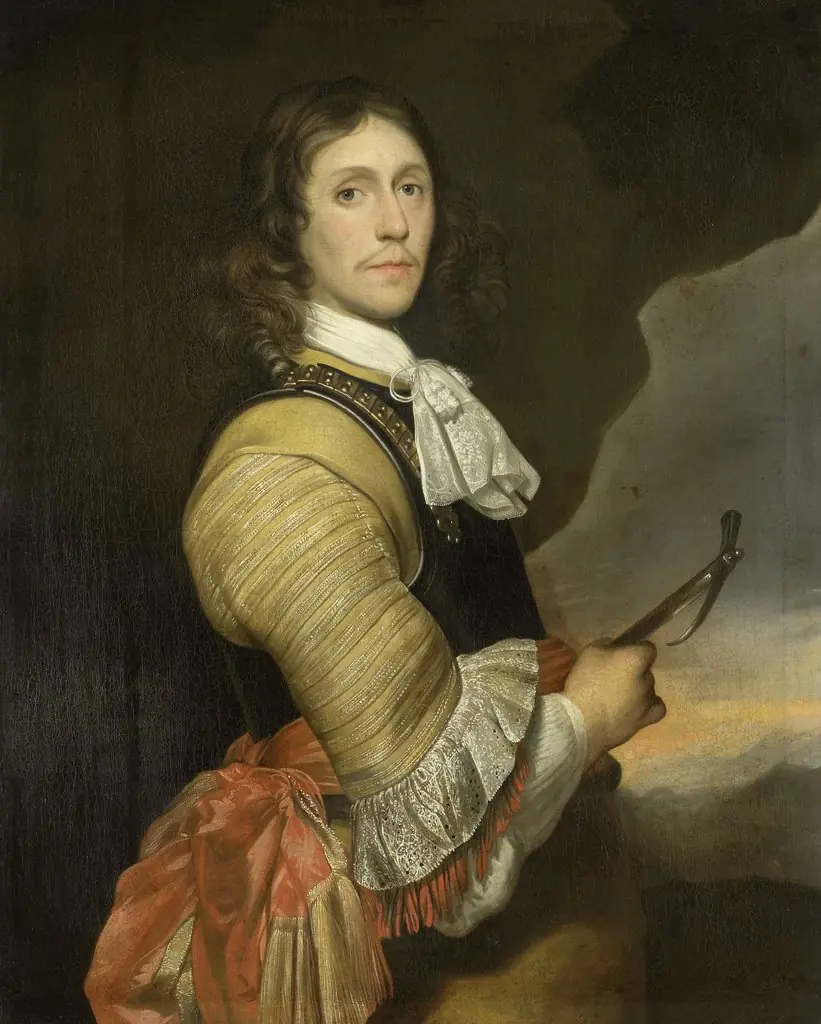
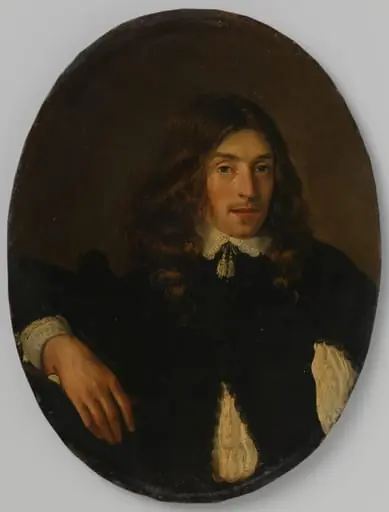
Portrait of a Young Man in Military Costume
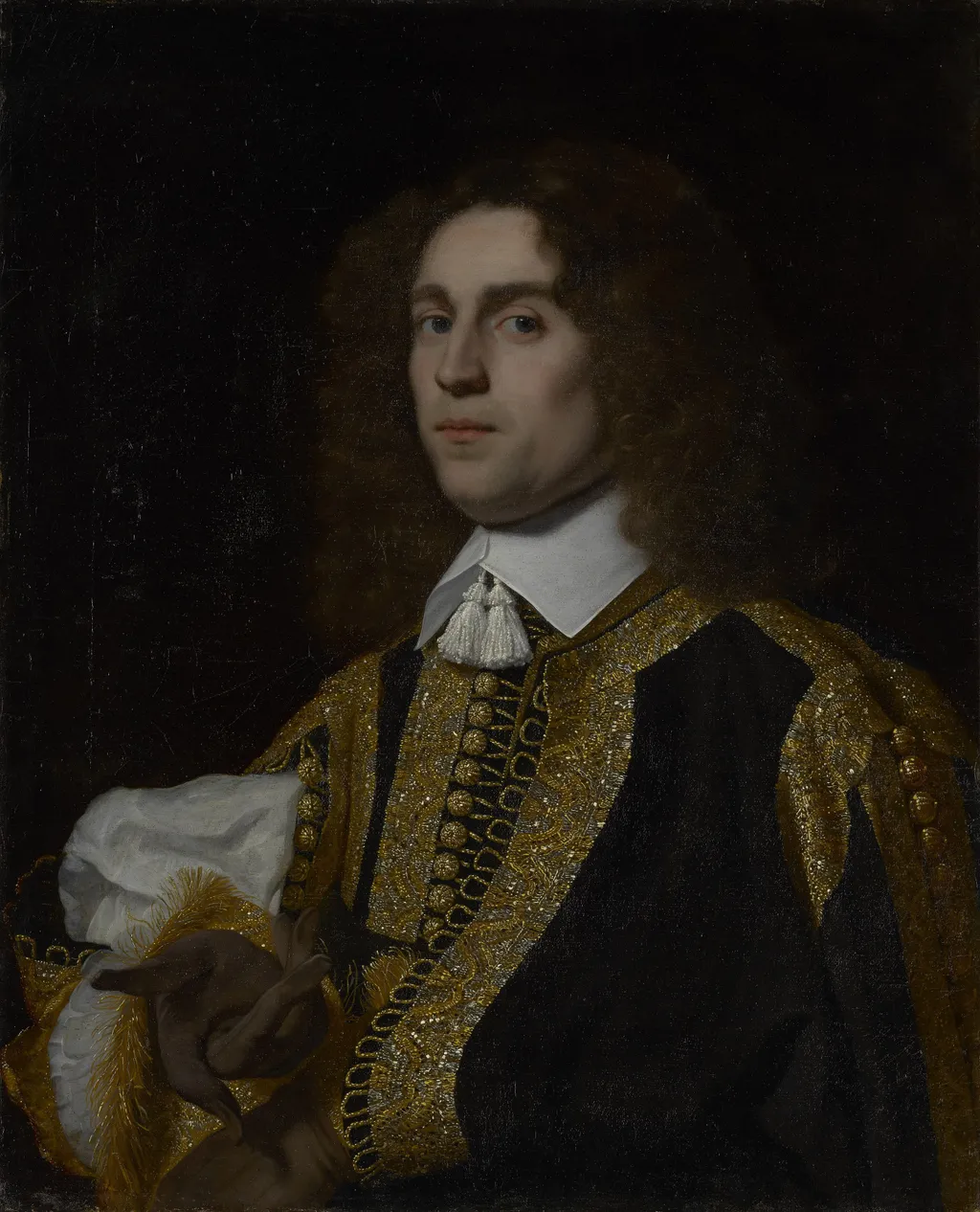
Portrait of a Young Man in Military Costume is an oil painting by the Dutch Golden Age artist Bartholomeus van der Helst. It dates from 1650 and is held in the collection of the J. Paul Getty Museum.
About this work
Overview
Van der Helst, a favored portraitist among the city’s affluent and military elite, rendered the subject with refined detail and restrained grandeur.
Painted circa 1650 by Bartholomeus van der Helst, this oil portrait captures a young man in military attire, reflecting the social prominence of officers in mid-17th-century Amsterdam. Van der Helst, a favored portraitist among the city’s affluent and military elite, rendered the subject with refined detail and restrained grandeur. The work is part of the J. Paul Getty Museum’s collection, representing a key example of Dutch civic portraiture from the period.
Subject & Meaning
The sitter, likely a member of Amsterdam’s civic guard or a rising military officer, is depicted in formal uniform to signify status and duty. His attire—embroidered jacket, crisp collar, and ornamental tassel—conveys both personal distinction and alignment with institutional authority. The absence of overt symbolism or props suggests a focus on character and presence rather than narrative, typical of elite portraiture in a society that valued quiet dignity over flamboyance.
Technique & Style
Van der Helst employed chiaroscuro to model the sitter’s form against a deep, neutral background, enhancing three-dimensionality and focus. The gold embroidery on the jacket is rendered with precise brushwork, capturing the texture of metallic thread without overt glitter. The white collar and tassel stand out through careful tonal contrast, while the soft rendering of curly hair adds naturalism. The composition avoids theatricality, favoring clarity and subtle elegance.
History & Provenance
The painting entered the J. Paul Getty Museum’s collection through documented acquisitions, though its earlier ownership remains partially obscure. It was likely commissioned by the sitter’s family or regiment, as was customary for Dutch military portraits. Van der Helst’s reputation ensured such works circulated among Amsterdam’s upper classes, and this piece survived intact through private collections before its institutional acquisition in the 20th century.
Context
In 1650s Amsterdam, military service was a mark of civic responsibility, not just profession. Portraits like this reinforced social standing and communal identity among the burgher class. Unlike grand European court portraits, Dutch examples emphasized restraint and realism. Van der Helst’s style—polished yet unpretentious—aligned with the city’s cultural values, where wealth and authority were expressed through understated refinement.
Legacy
This portrait exemplifies the quiet authority of Dutch civic portraiture, distinguishing itself from the more dramatic styles of southern Europe. Van der Helst’s influence extended to contemporaries and successors who adopted his balanced compositions and refined surface treatment. Today, the work remains a reference for understanding how individual identity and social role were visually negotiated in the Dutch Republic’s meritocratic elite.
Own this work as a print
Artist & collection
Artist
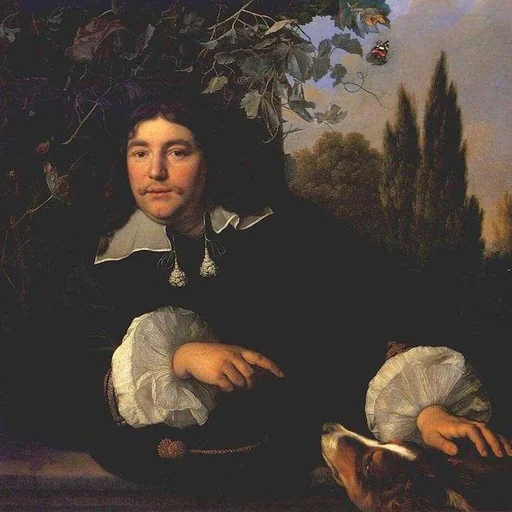
Bartholomeus van der Helst (1613 – buried 16 December 1670) was a Dutch painter. Considered to be one of the leading portrait painters of the Dutch Golden Age, his elegant portraits gained him the patronage of…

 The Musician
 Four directors of the arquebusier's guild, Amsterdam, 1655
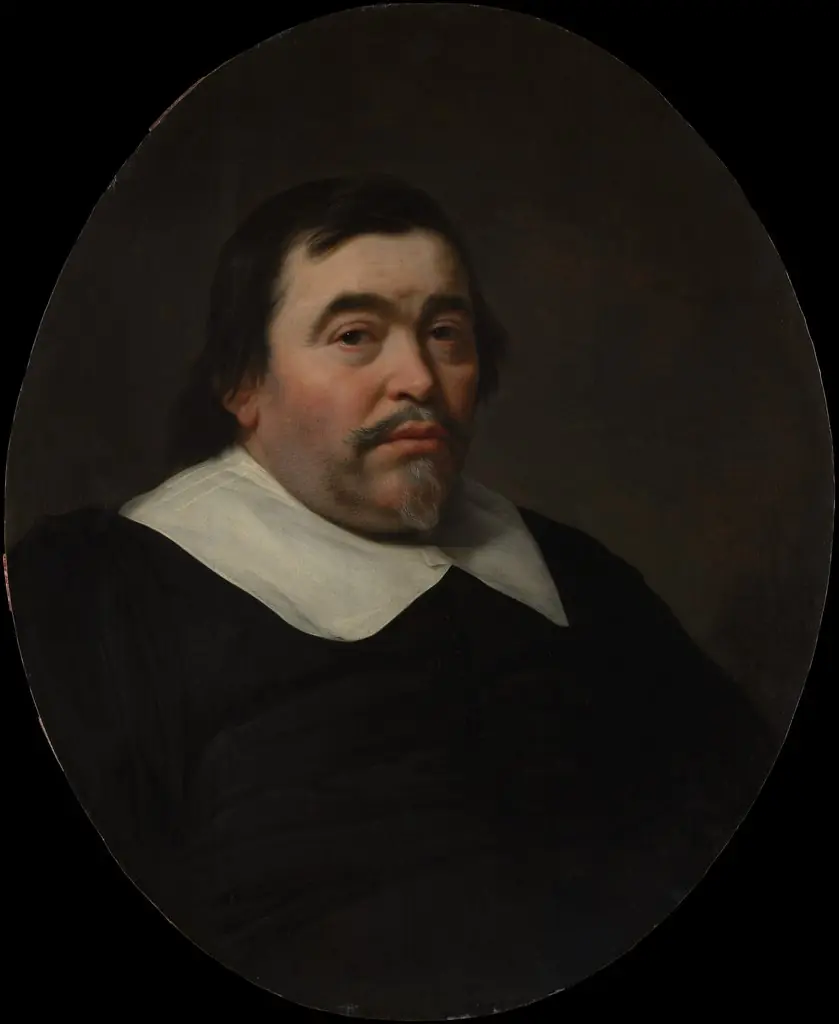 Portrait of a Man
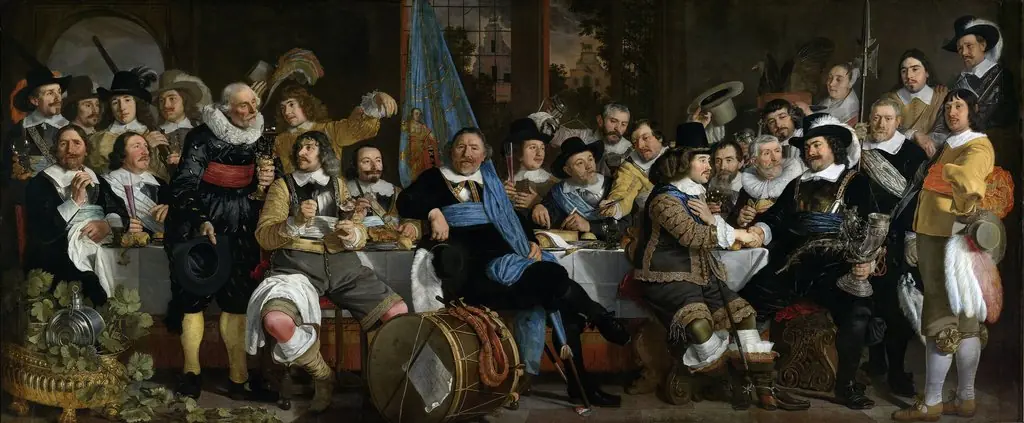 Banquet at the Crossbowmen’s Guild in Celebration of the Treaty of Münster
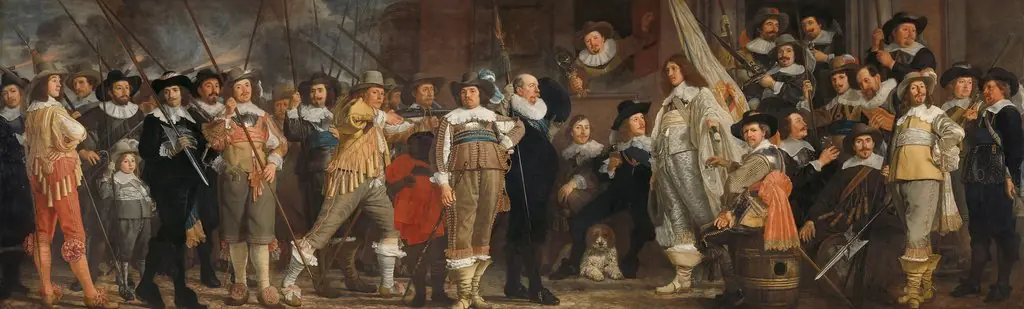 Militia Company of District VIII under the Command of Captain Roelof Bicker
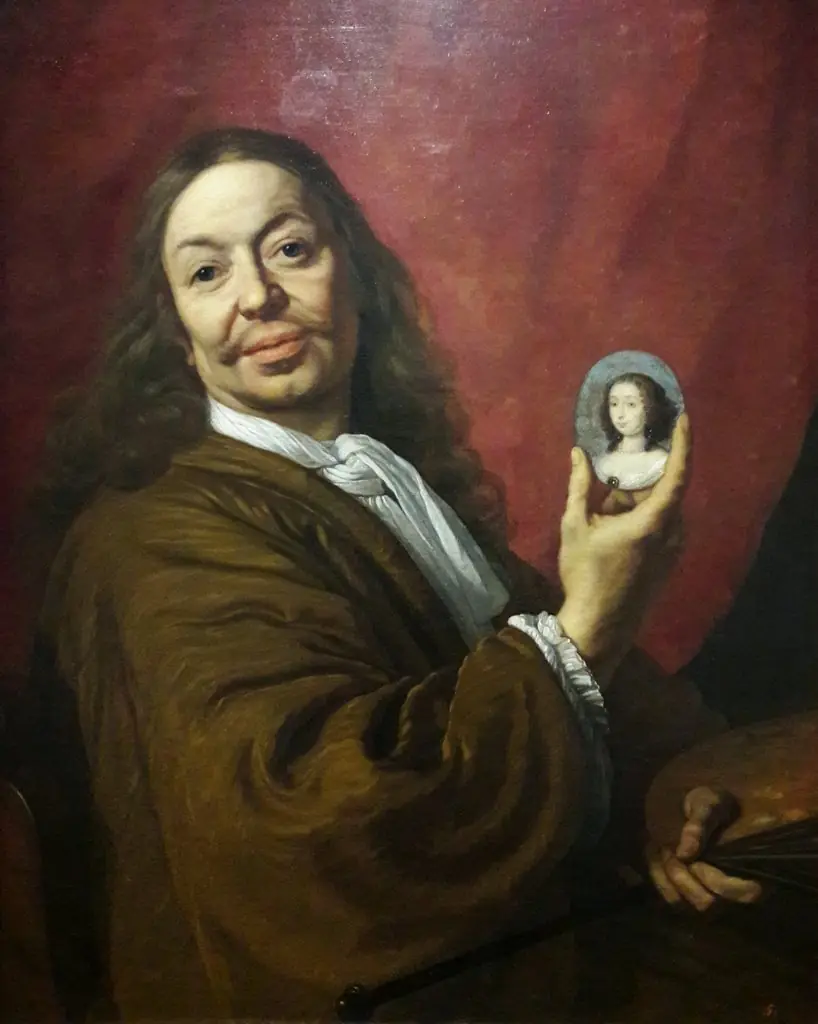 Self-portrait
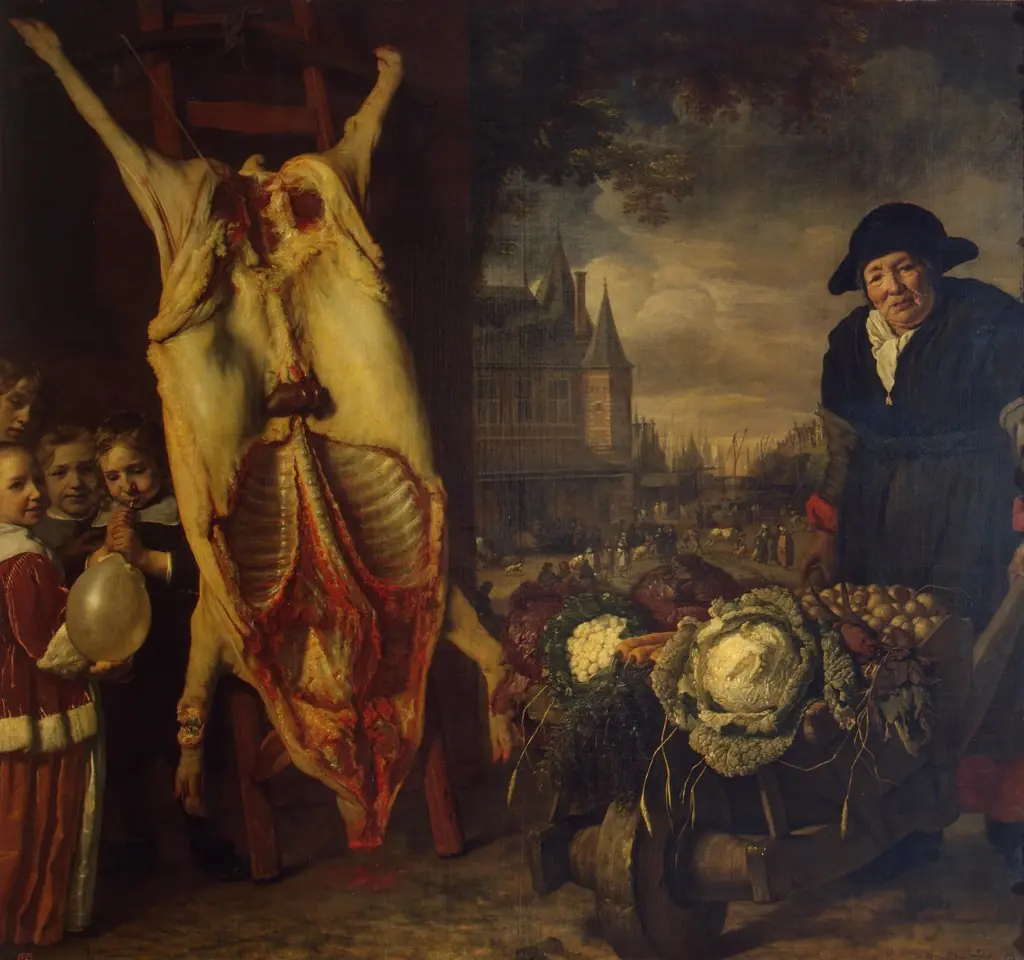 Nieuwmarkt in Amsterdam
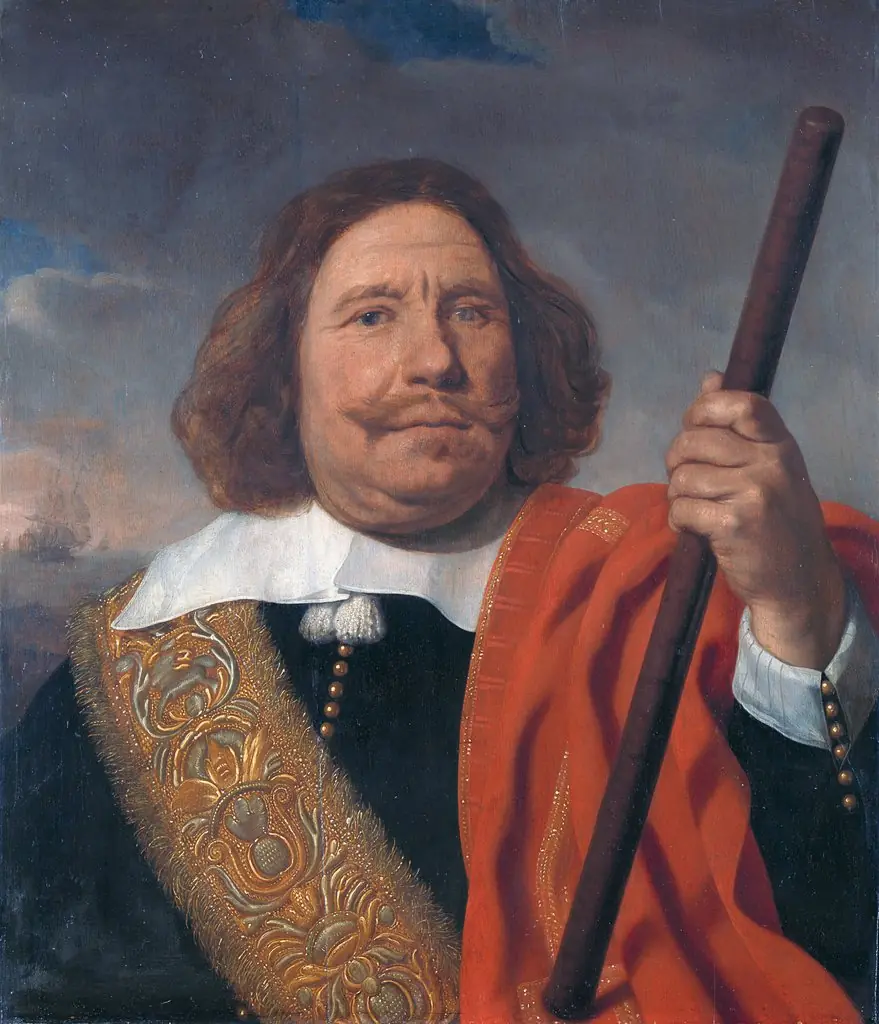 Egbert Meeuwsz Cortenaer (1605-65). Vice admiral, admiralty of the Maas, Rotterdam
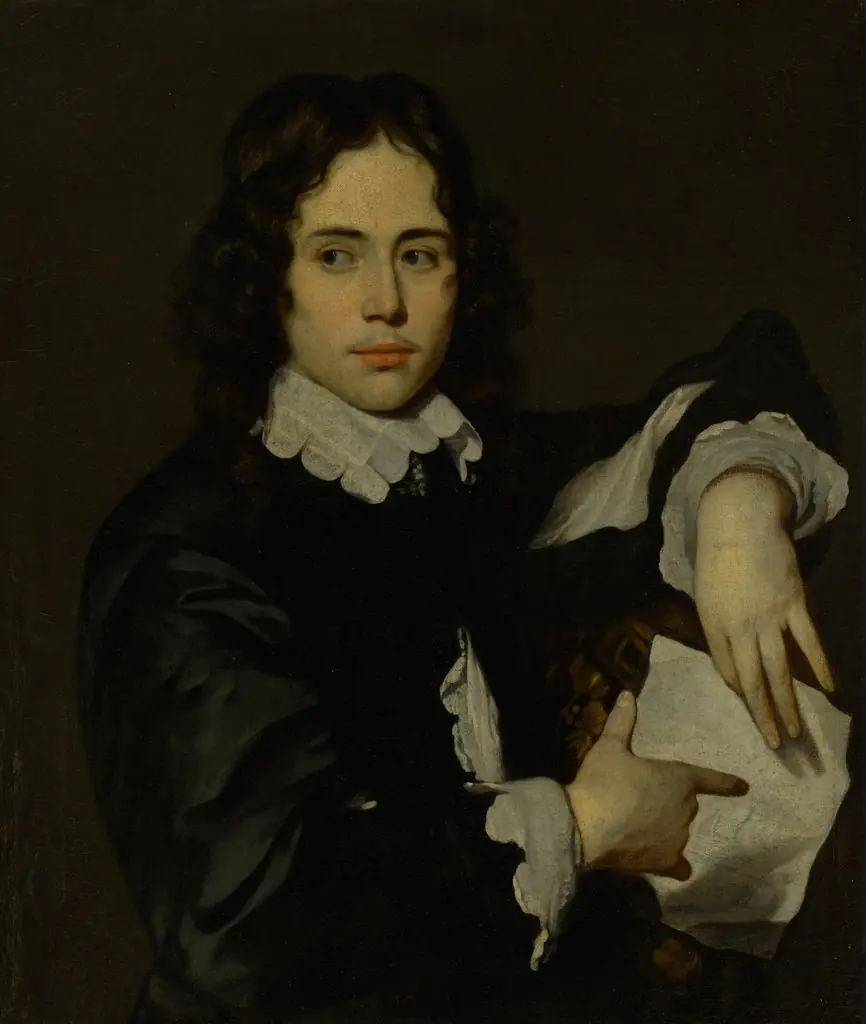 Portrait of a Young Man
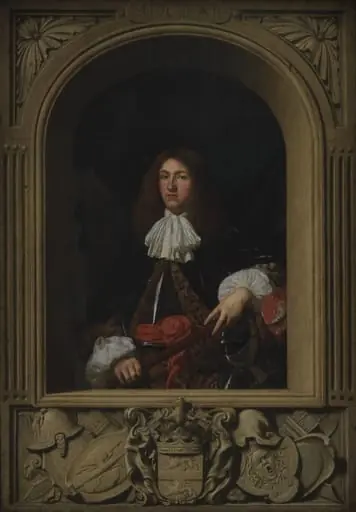 Portrait of Count Ulrik Frederik Gyldenløve
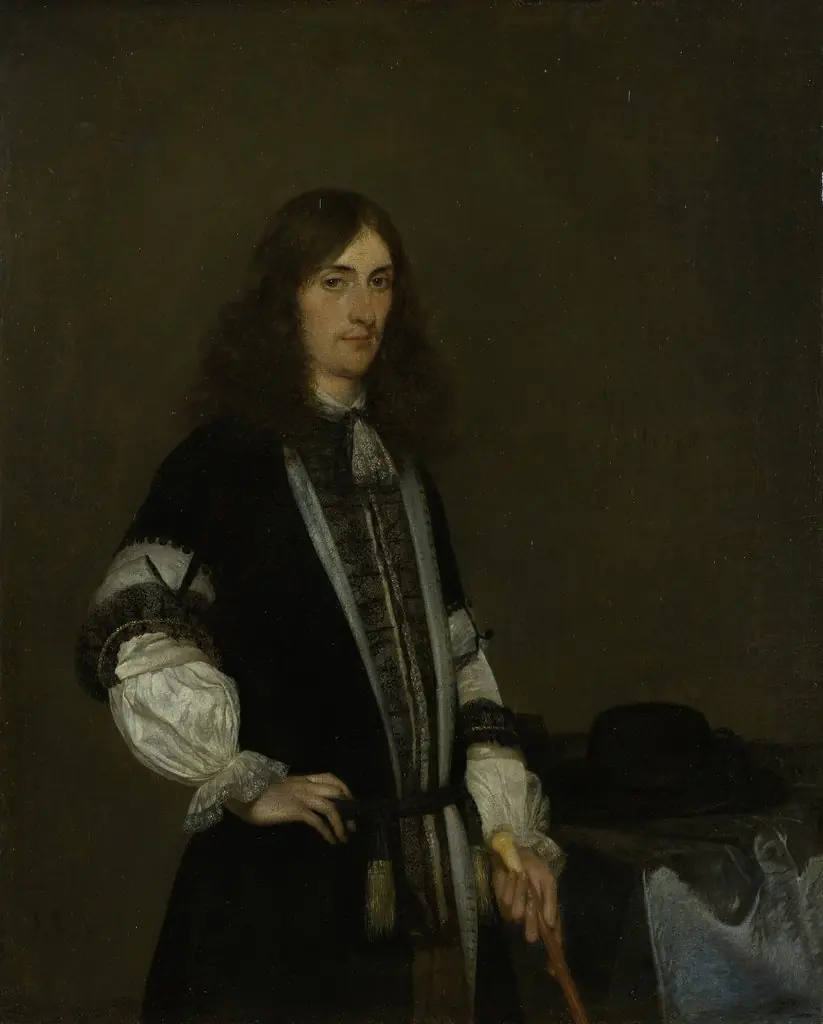 Portrait of François de Vicq (1646-1707). Burgomaster of Amsterdam for several terms from 1697 on
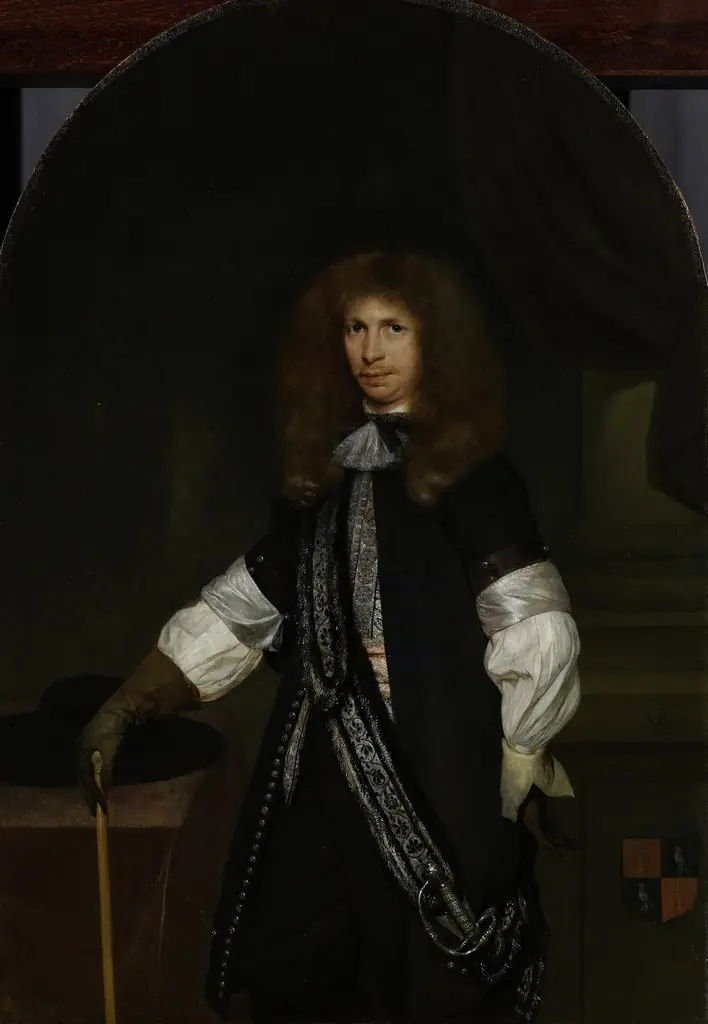 Portrait of Jacob de Graeff (1642-90), in the uniform of an officer
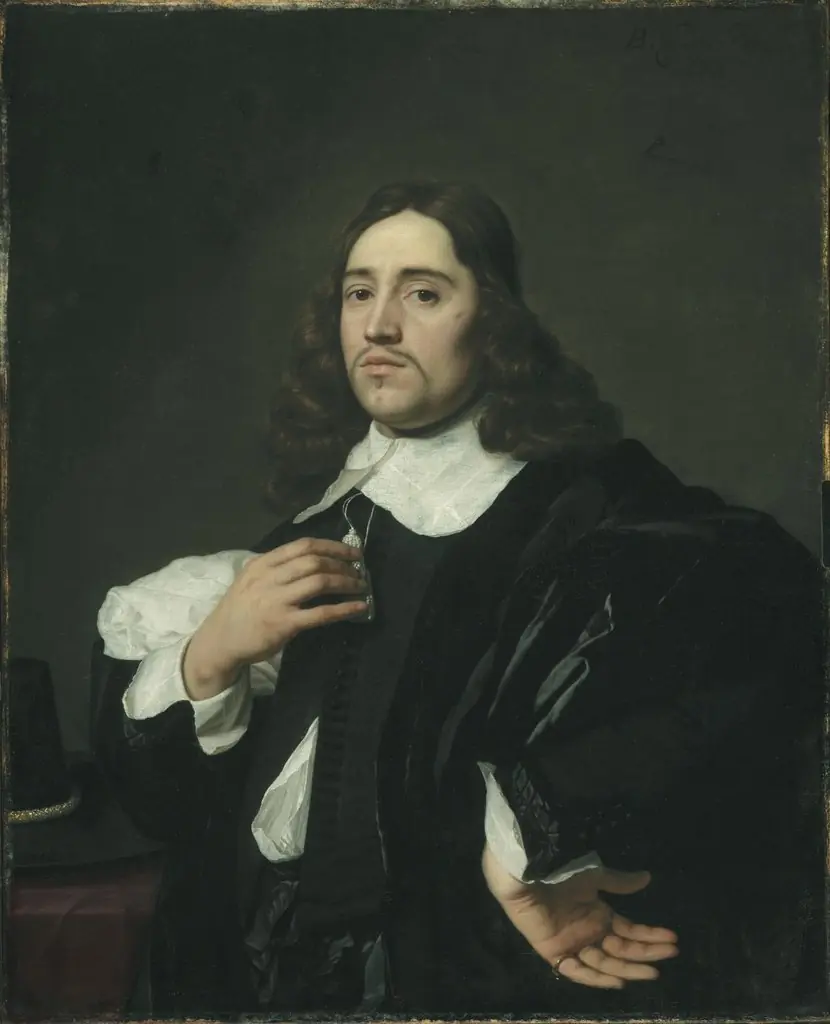 Portrait of a Gentleman (hand on hip)
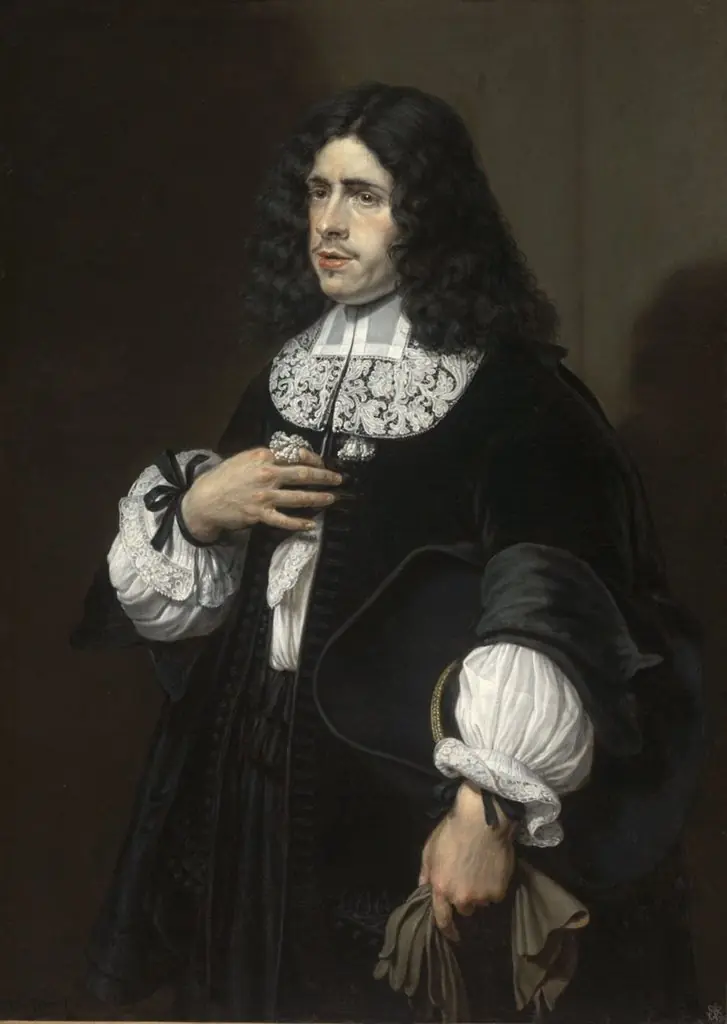 Portrait of a Man
 Portrait of an officer
 Portrait of an officer
 Cornelis van Aerssen (1600-62), lord of Sommelsdijk. Colonel of cavalry
 Portrait of a Captain
 Portrait of a Young Man
 Portrait of Nicolaas de Witte (1603-29)